


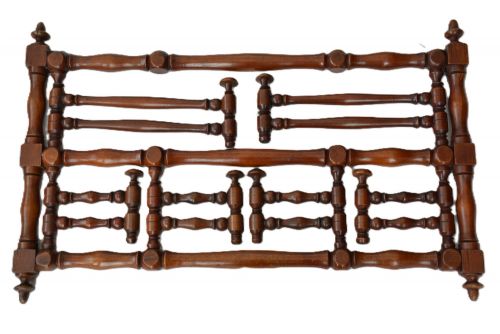
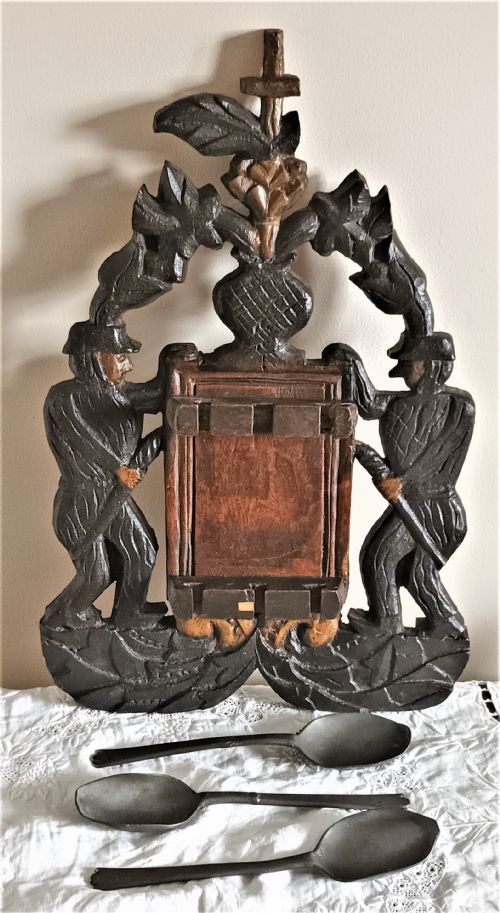
Traditional Wall Rack
A traditional wall rack provides practical hanging and display space, bringing period character and functional storage to hallways and kitchens.
Traditional Wall Rack
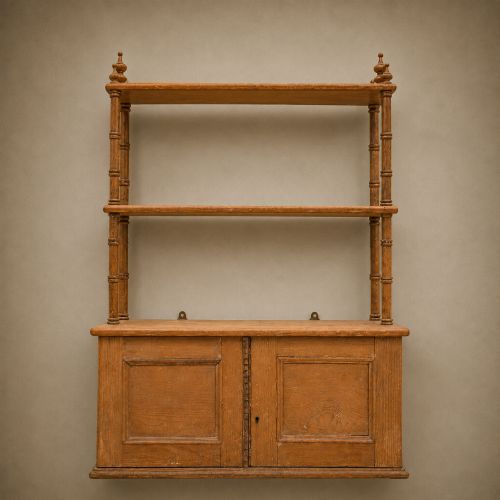
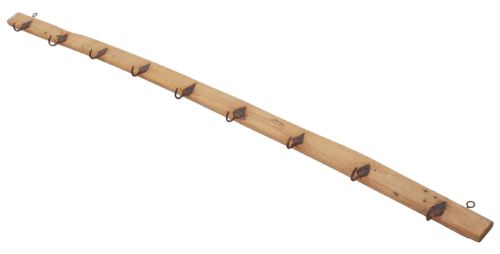
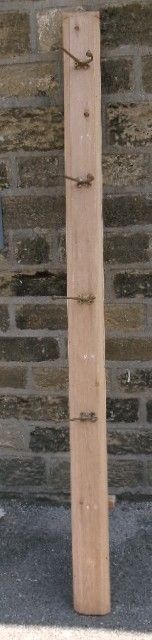
A traditional wall rack encompasses utility items designed for hanging coats, hats, and garments, alongside kitchen shelving intended for plates, spoons, and books. These pieces span the eighteenth, nineteenth, and early twentieth centuries, reflecting domestic life through Georgian, Victorian, and Edwardian periods.
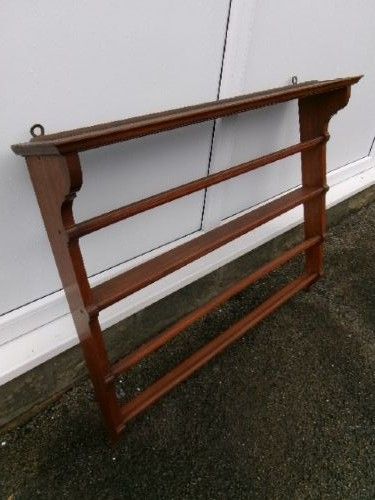
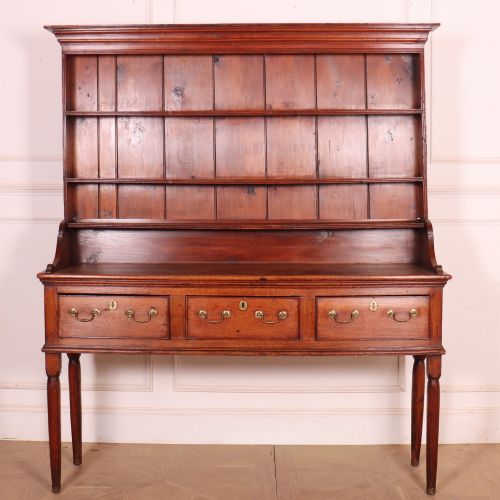
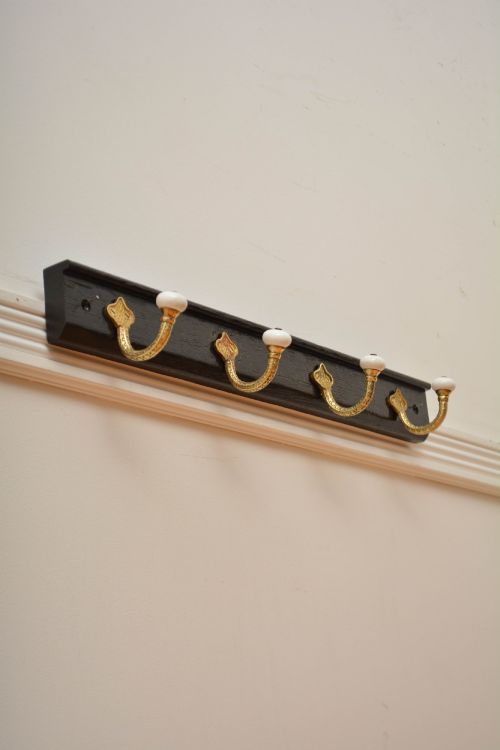
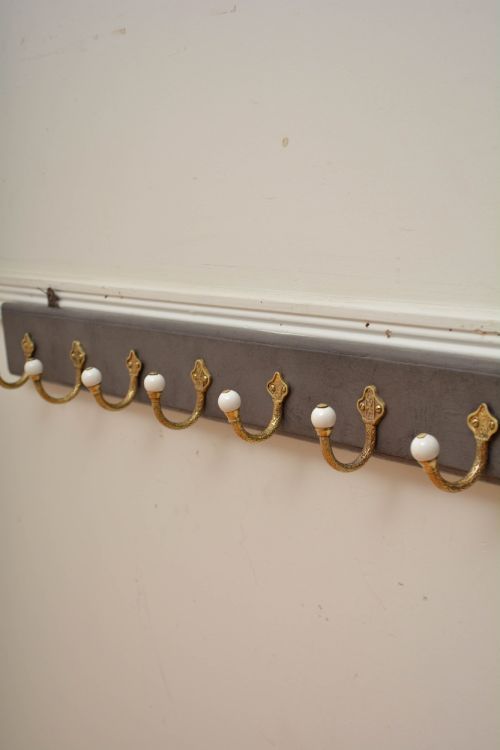
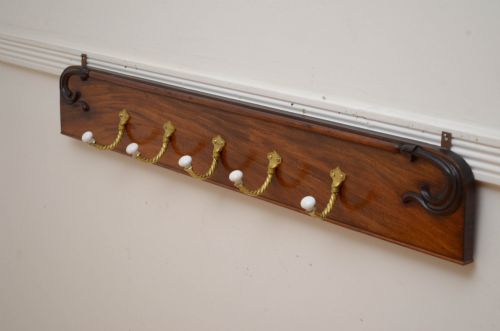
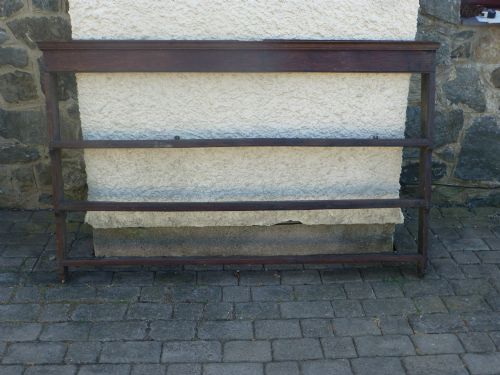
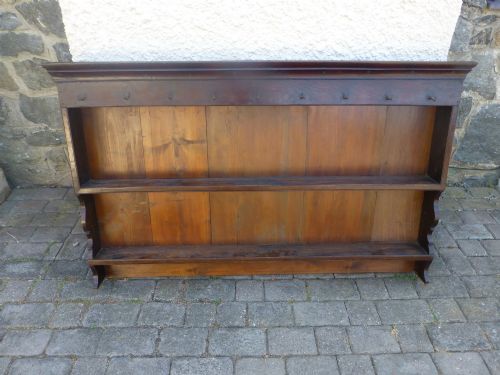
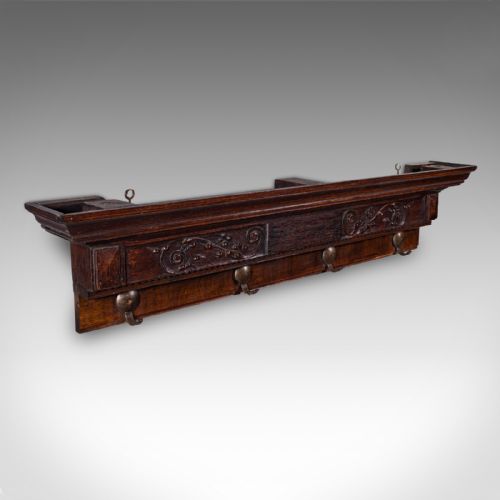
Kitchen plate racks and spoon racks in solid oak form a distinct group among these listings, often originating in the eighteenth century. Hallway and cloakroom pieces utilise pine, mahogany, and oak, frequently fitted with brass and ceramic coat hooks.
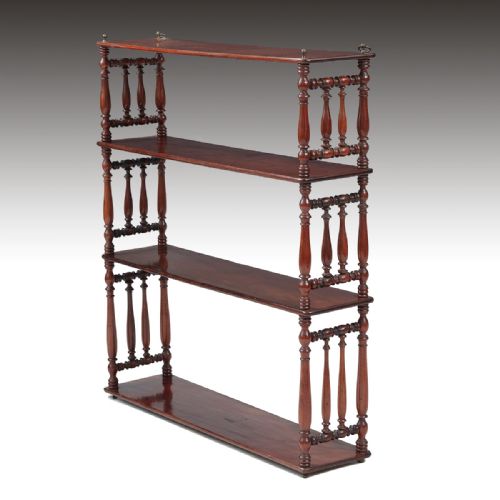
Buyers encounter variations ranging from rustic pine kitchen cupboards and open bookcases to refined mahogany hanging shelves and Regency wall racks. English country and rustic variants sit alongside more formal Georgian and Victorian designs.
How they were made
Carpenters constructed these wall racks predominantly from solid timbers such as oak, pine, and mahogany, utilising traditional joinery methods suited to load-bearing wall furniture. Backboards provided stability for mounted items, while structural elements frequently employed hand-cut joints.
Hardware additions relied on cast brass, iron, and pewter components, with many pieces incorporating glazed ceramic elements into the hook assemblies. Marquetry details and turned elements appear on specific mahogany and oak pieces from the nineteenth century.
Object types range from plate and spoon racks to open bookcases and coat hook boards.
What varies in quality
Quality in a traditional wall rack rests on the integrity of the timber, the retention of original surface patination, and the authenticity of the hardware. Pieces retaining their original brass hooks, ceramic inserts, and backboards command greater interest from collectors.
The sophistication of the construction distinguishes utilitarian kitchen pine from refined Georgian and Regency mahogany hanging shelves. Surface treatment, whether aged oak patination or early painted finishes, defines the character of each piece.
The Traditional Wall Rack Glossary
- Delft rack
- A wooden wall-mounted shelving unit specifically designed for displaying plates and ceramic ware upright against a back rail.
- Spoon rack
- A specialised narrow wall rack featuring notched slots or small shelves intended to display collections of antique spoons.
- Trefid spoon
- An early form of flatware characterised by a broad, three-lobed terminal handle, often found accompanying antique spoon racks.
- Marquetry
- Decorative woodwork where thin pieces of various coloured veneers are fitted together to form geometric or floral patterns on a panel surface.
Traditional Wall Rack: Frequently Asked Questions
How were traditional wall racks used?
These racks served practical roles in domestic spaces, functioning as cloakroom storage for coats and hats in hallways or display units for ceramics in kitchens.
Kitchen variants held pewter spoons and delft plates, while larger wall-mounted bookcases and shelves organised household volumes and small ornaments.
What woods were used for wall racks?
Oak and pine dominate the earlier and more rustic examples, particularly eighteenth-century kitchen and plate racks.
Mahogany appears more frequently in formal nineteenth-century hanging shelves, Regency pieces, and Edwardian cloakroom fittings.
How do I date a wall rack?
Dating relies on timber characteristics, construction methods, and the style of associated hardware such as brass hooks and ceramic inserts.
Georgian and eighteenth-century pieces display simpler, robust oak construction, whereas Victorian and Edwardian examples often incorporate decorative turned details and painted finishes.
How do I mount a wall rack safely?
Secure mounting requires locating wall studs or utilising appropriate masonry fixings to support the weight of the timber and loaded shelves.
Consider the combined weight of the rack and its potential contents, particularly with heavy oak plate racks and loaded bookcases.