
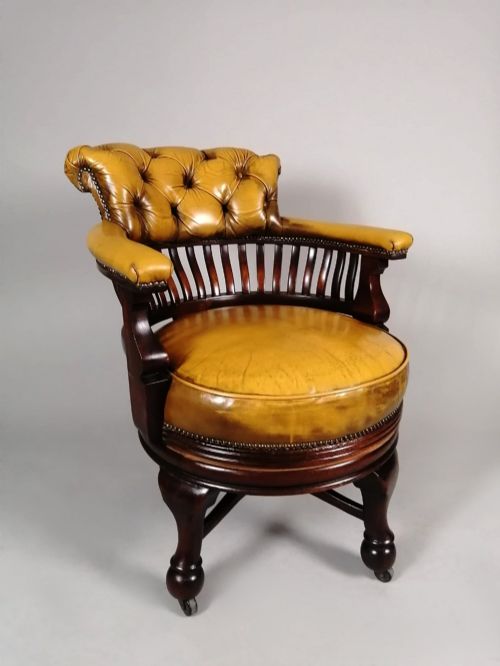
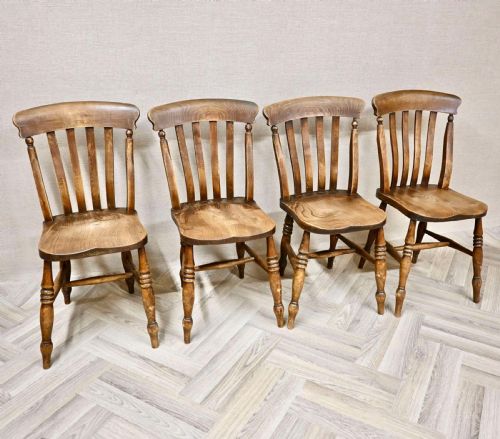
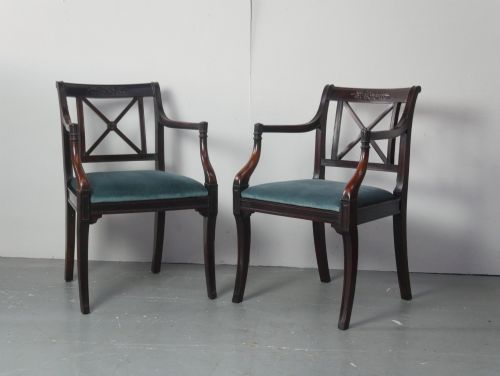
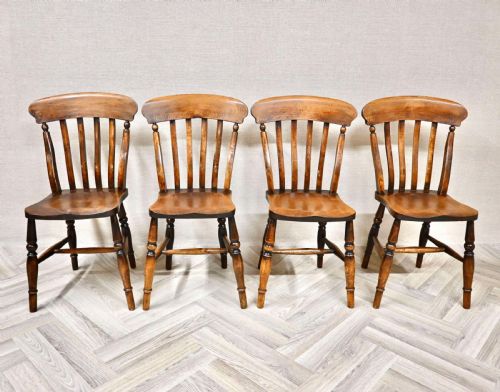
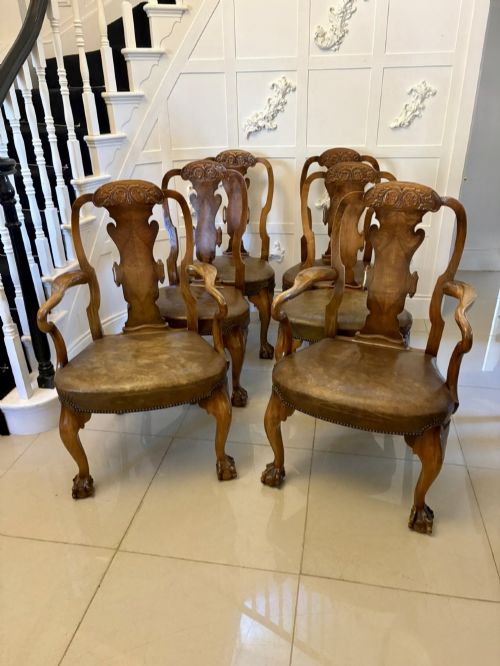
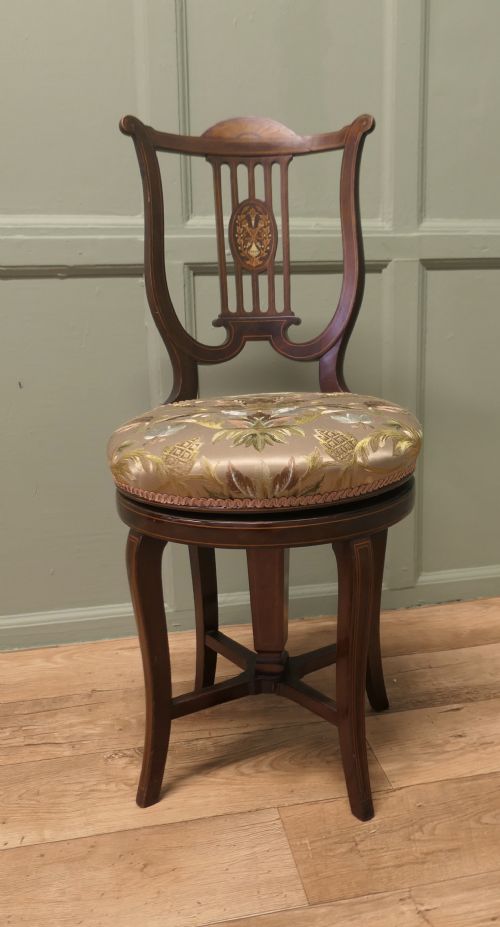
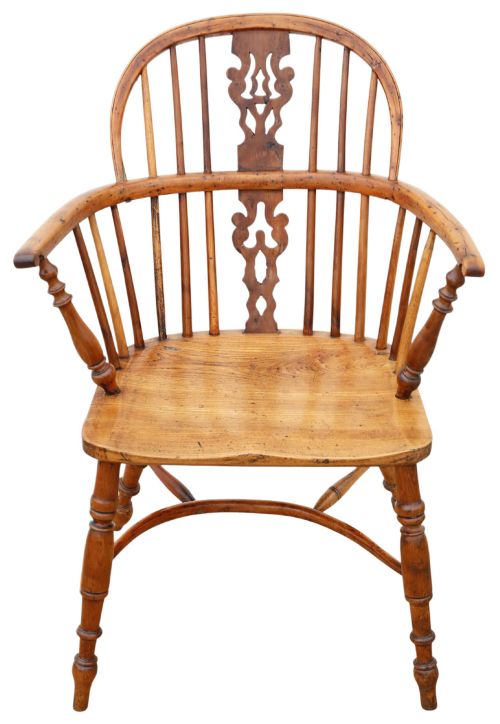
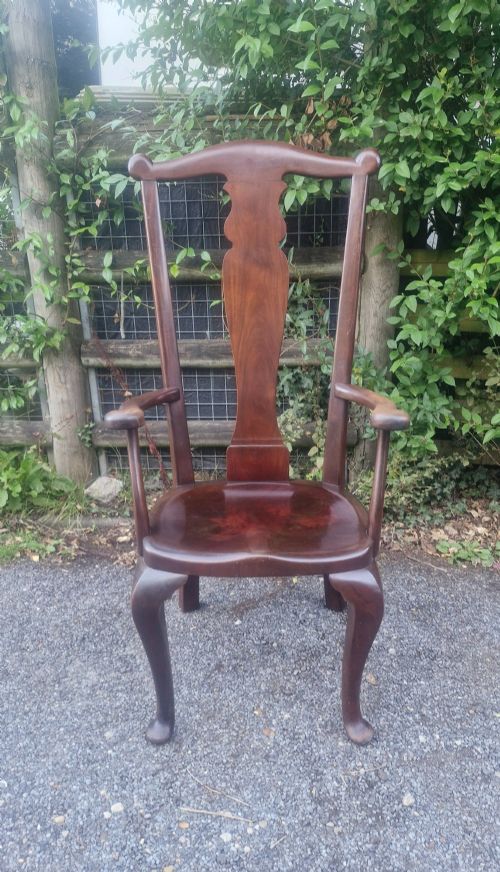

Vintage X Back Chairs
Vintage x back chairs bring structural elegance and traditional craftsmanship to domestic interiors.
Vintage X Back Chairs
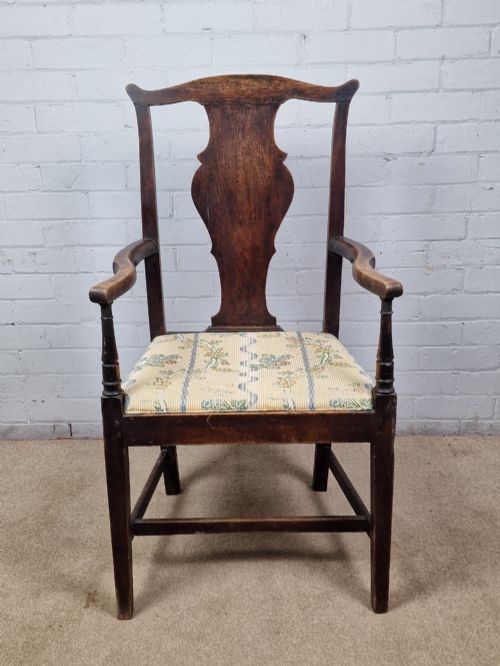
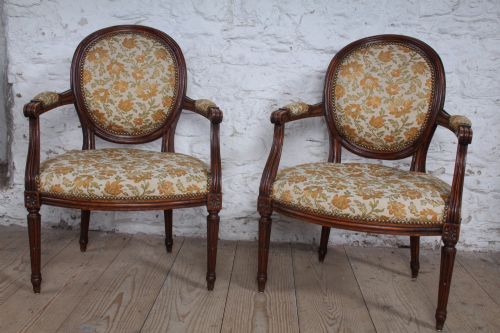
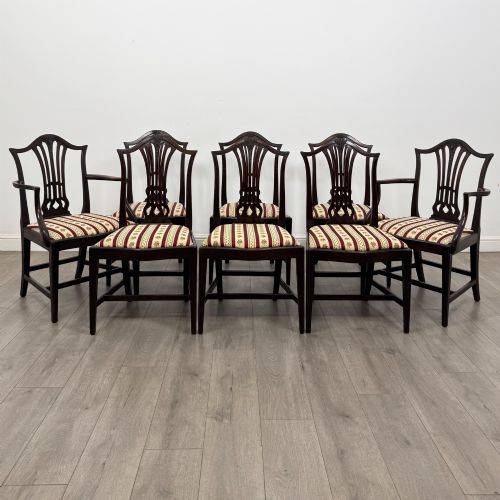
Vintage x back chairs encompass seating forms defined by distinctive cross-brace back designs, appearing across diverse periods from the eighteenth century to the twentieth century.
The selections span dining chairs, armchairs, desk chairs, and side chairs, utilising woods like mahogany, oak, elm, beech, and walnut.
Buyers encounter regional country kitchen variations alongside formal revival styles including Georgian, Victorian, and Edwardian interpretations.
Materials and construction methods
Construction relies heavily on traditional timber framing, utilising dense hardwoods such as mahogany and oak alongside resilient country timbers like elm, ash, and beech.
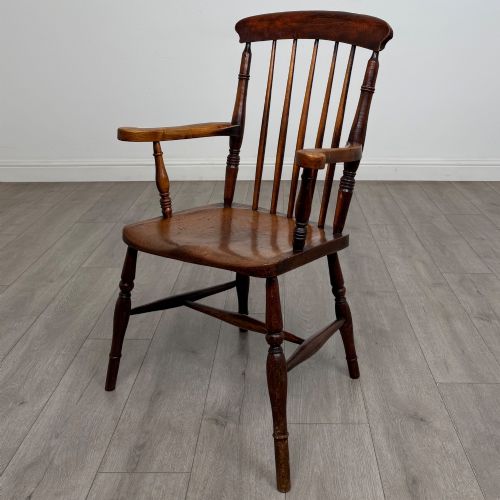
Joinery methods involve traditional pegged mortise and tenon joints, steam-bent components for curved backs, and hand-turned spindles.
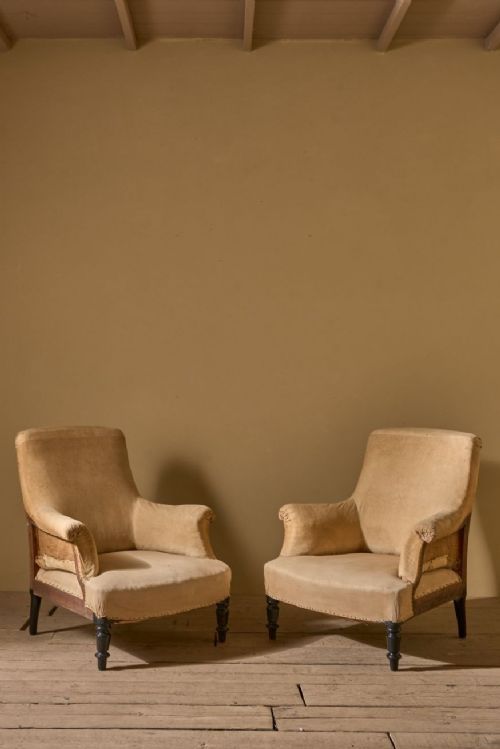
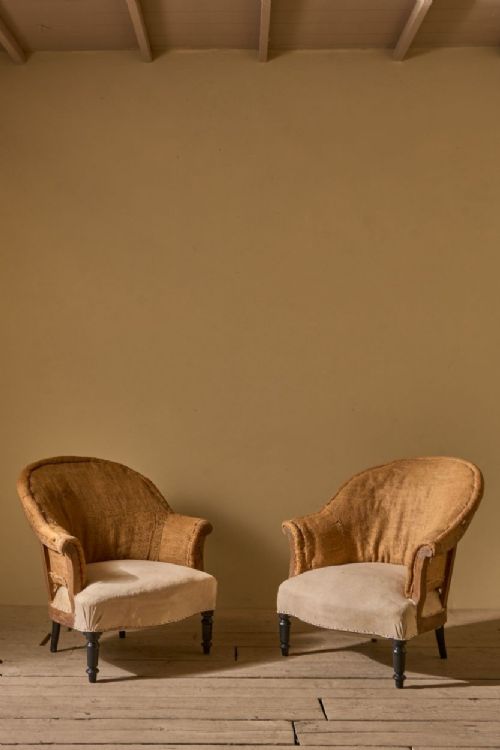
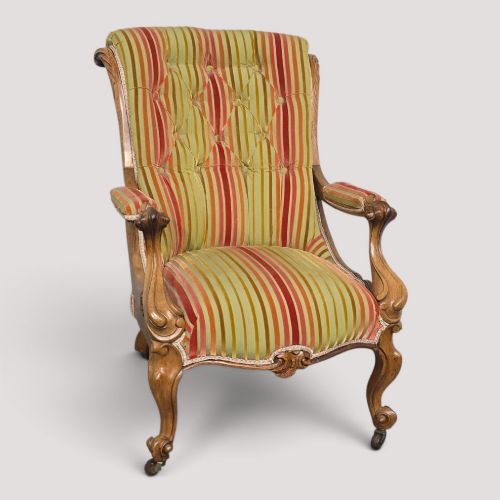
Upholstered variants incorporate materials such as leather, velvet, hessian, and fabric secured over traditional stuffing and webbing.
Listings span the eighteenth, nineteenth, and twentieth centuries, featuring woods such as mahogany, oak, elm, and beech.
Evaluating quality and execution
Superior examples demonstrate refined proportions, crisp carving detail on timber frames, and robust joinery that withstands decades of daily use.
The grade of timber significantly influences value, with finely figured mahogany and dense old-growth oak marking the upper tiers of production.
Original surface finishes, whether polished wood or authentic painted layers, preserve the historical integrity sought by discerning collectors.
Howard and Sons·Liberty Morris and Co·Jacob and Josef Kohn
The Vintage X Back Chairs Glossary
- Carver
- An armchair, usually designed to sit at the head of a dining table. These pieces feature supportive armrests matching the side chairs in a set.
- Windsor
- A traditional wooden chair featuring a solid sculpted seat into which the legs and back spindles are wedged directly. They often incorporate bentwood components.
- Hessian
- A coarse woven fabric typically utilised as a durable foundation layer for upholstery stuffing. It appears frequently in period armchair construction.
- Bergere
- An enclosed upholstered armchair with a wooden frame and woven cane panels on the back and sides. Originating in France, these pieces prioritize comfortable lounging.
Vintage X Back Chairs: Frequently Asked Questions
How do I date an old wooden chair?
Dating relies on examining the timber species, tool marks left by manufacture, and the construction methods used in the frame. Secondary woods and fastener types offer further clues to the decade of origin.
Style revivals can complicate attribution, as nineteenth-century workshops frequently replicated eighteenth-century forms with great accuracy.
Are these chairs suitable for daily dining use?
Most solid wood dining chairs and carvers are structurally robust enough for regular seating at a table. Checking the rigidity of the joints ensures safe daily deployment.
Upholstered variants require inspection of internal webbing and stuffing to guarantee comfortable support during prolonged sitting.
What is the difference between an armchair and a carver?
A carver specifically denotes an armchair designed to match a set of dining chairs, standing at the head of the table. Standard armchairs encompass a broader range of freestanding seating.
Both forms incorporate supportive side rests, though carvers generally feature narrower proportions to fit neatly beneath dining surfaces.
How should I care for leather upholstery on vintage chairs?
Leather upholstery benefits from gentle cleaning using specialised saddle soap followed by periodic conditioning to prevent the hide from drying out. Avoiding direct sunlight prevents fading and cracking.
Preserving the original patina involves minimising harsh chemical treatments and addressing spills immediately with a soft cloth.