


Vintage Writing Desk Drawers
Vintage writing desk drawers bring together practical storage and period craftsmanship, offering a structured workspace anchored by timber and brass.
Vintage Writing Desk Drawers
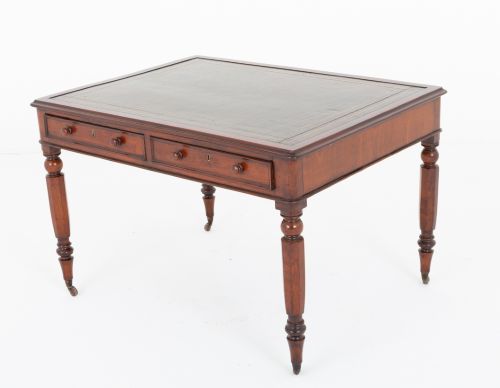
Vintage writing desk drawers encompass pedestal desks, bureaux, and writing tables designed for daily correspondence and storage. These pieces emerge across the Georgian, Victorian, Edwardian, and 1920s periods, reflecting shifting domestic habits over centuries.
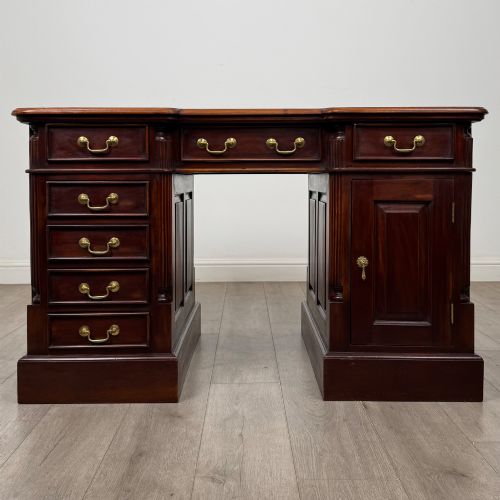
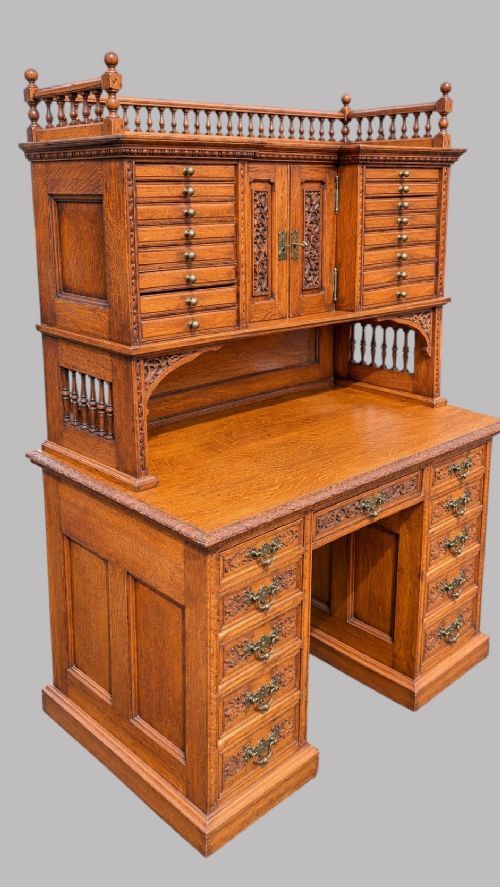
The version most commonly met on this page is the Edwardian or Victorian oak or mahogany desk featuring multiple small drawers, writing slides, and fall fronts. Buyers seek these items to introduce functional workspace and traditional character into modern rooms.
How they were made
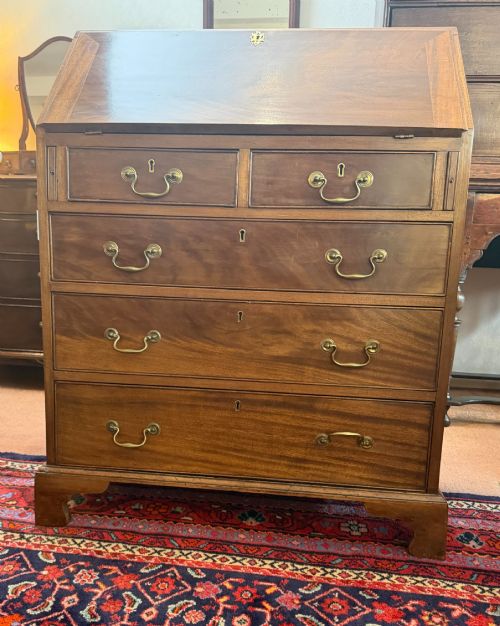
Cabinet makers relied primarily on solid oak, mahogany, and walnut, frequently incorporating burr walnut veneers for visual depth on drawer fronts and writing surfaces. Secondary timbers like pine appear internally, while brass handles and leather inserts provide contrasting detail.
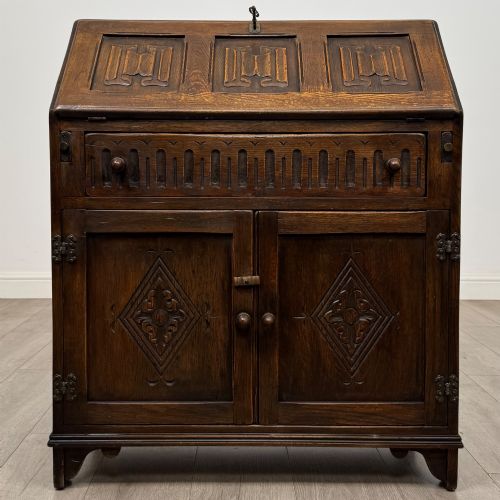
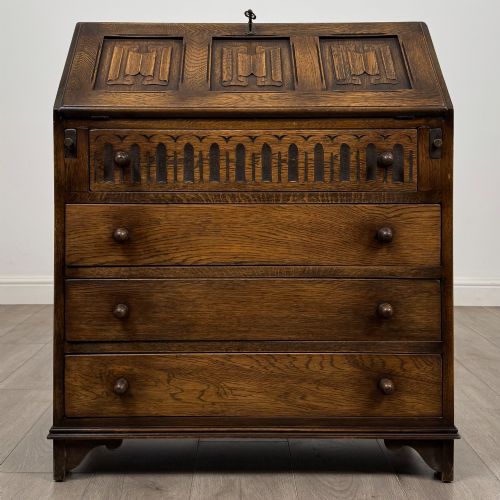
Joinery methods combined traditional dovetailing for drawer construction with panelled carcases and carved ornamentation. Certain pieces utilise inlaid decorative work, linenfold carving, or glazed upper bookcases to distinguish the exterior finish.
Listings feature oak, mahogany, walnut, and pine across periods from the 18th century through the 1920s.
What varies in quality
The standard of execution depends heavily on the selection of timber veneers and the crispness of carved details such as linenfold motifs or inlaid stringing. Superior examples display carefully matched grain across multiple drawer fronts and retain original brass hardware.
Structural integrity and internal refinement mark the division between standard utility pieces and finer productions. Fitted stationery interiors, sliding writing surfaces, and smoothly running drawers demonstrate superior workshop practice.
Edwards & Roberts·Heals of London
The Vintage Writing Desk Drawers Glossary
- Bureau
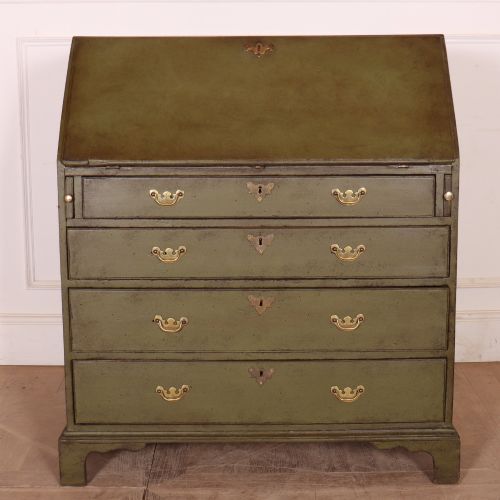
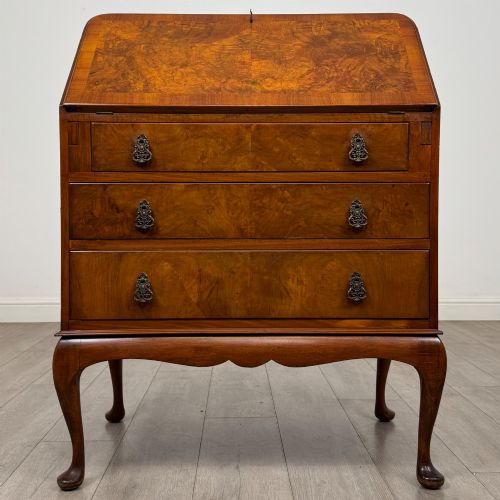
- A writing cabinet featuring a hinged sloping fall front that opens to reveal internal compartments and small drawers. This form appears across Georgian and Edwardian periods in oak and mahogany.
- Pedestal desk
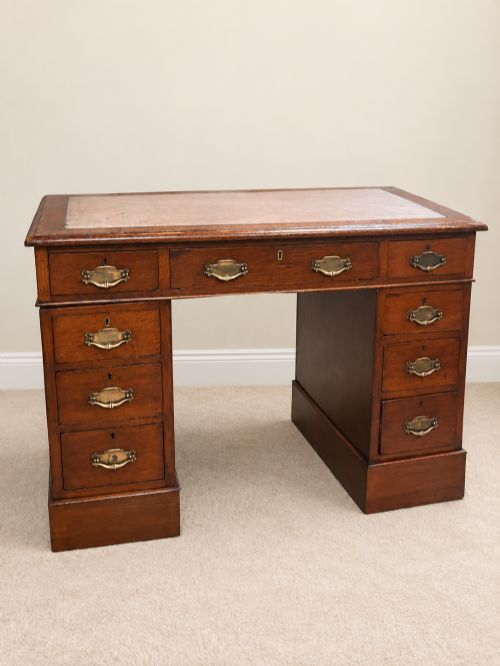
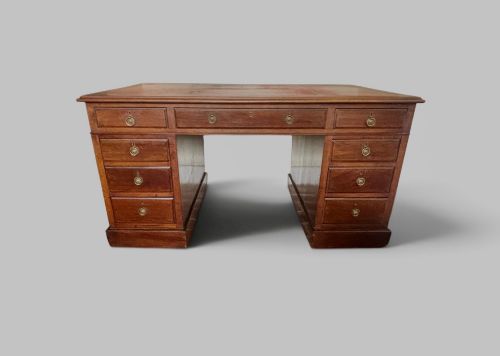
- A freestanding office or library desk supported by two banks of drawers flanking a central kneehole. These configurations often include upper stationery drawers and leather-lined writing surfaces.
- Kneehole desk
- A compact desk design providing a central recess for the user's legs, framed by stacked banks of drawers on either side. Victorian examples frequently incorporate fitted stationery compartments.
- Linenfold
- A style of carved wooden panelling designed to resemble folded vertical linen cloth. This ornamentation appears on Edwardian oak bureaux.
- Secretaire
- A piece of furniture containing a pull-out drawer fitted with a writing surface and small internal pigeonholes and drawers. It combines the external appearance of a chest or sideboard with a hidden desk function.
Vintage Writing Desk Drawers: Frequently Asked Questions
How do I use a bureau desk?
A bureau desk provides a fold-down writing flap that reveals a concealed arrangement of pigeonholes and small drawers. This surface creates a dedicated writing area that can be closed away when not in use.
Beneath the writing flap, standard horizontal drawers offer enclosed storage for papers and household items. This dual function suits studies and living rooms where space remains at a premium.
What is a pedestal desk?
A pedestal desk consists of a broad writing top supported by two independent stacks of drawers. The user sits in the central kneehole space between the pedestals.
These pieces provide substantial storage capacity through multiple side drawers. They are designed to stand free in a room rather than push flat against a wall.
How do I tell Edwardian from Victorian desks?
Victorian desks generally employ heavier timbers like mahogany and walnut with deeper mouldings and darker finishes. Their proportions tend to be substantial and formal.
Edwardian pieces often feature lighter oak or figured walnut, alongside Arts & Crafts influences or satinwood stringing. The overall aesthetic leans toward lighter proportions and simpler lines.
Where were writing desks placed historically?
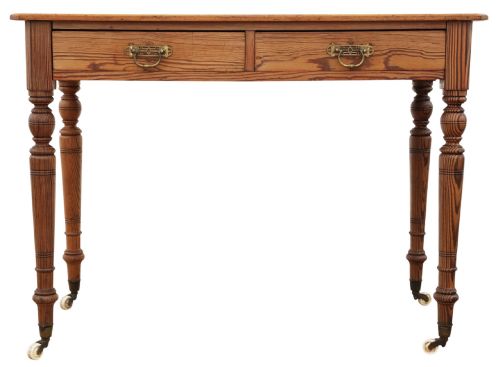
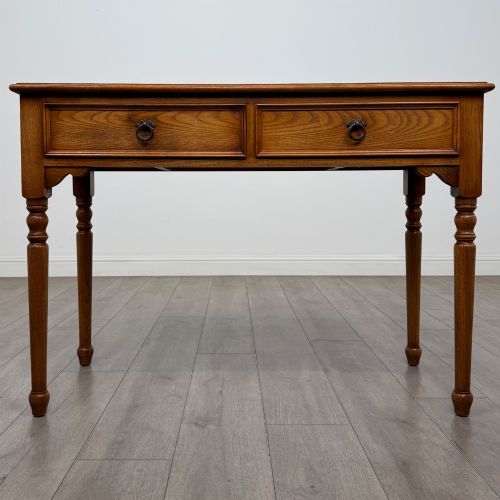
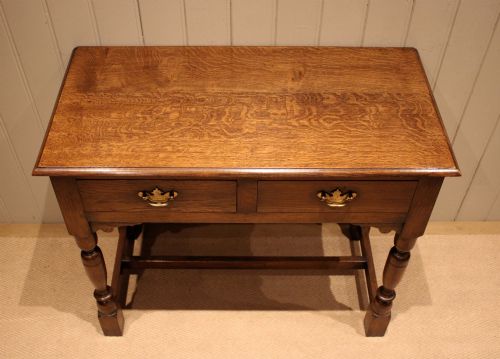
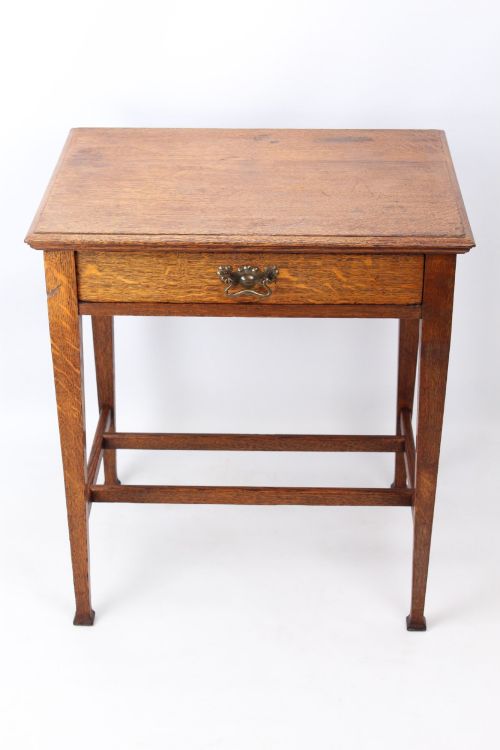
Writing desks were positioned in libraries, studies, or withdrawing rooms where estate management and personal correspondence took place. Freestanding pedestal tables often occupied the centre of a room.
Smaller side tables and writing desks sat against walls near natural light sources. Bureaux served domestic spaces where writing facilities needed to conceal clutter.