
Vintage Writing Chest
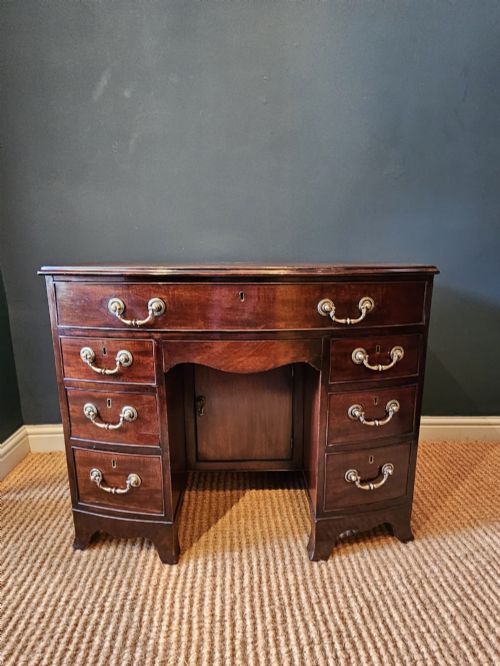
A vintage writing chest provides a practical working surface and secure storage, combining the function of a desk with the form of a cabinet or box.
Vintage Writing Chest
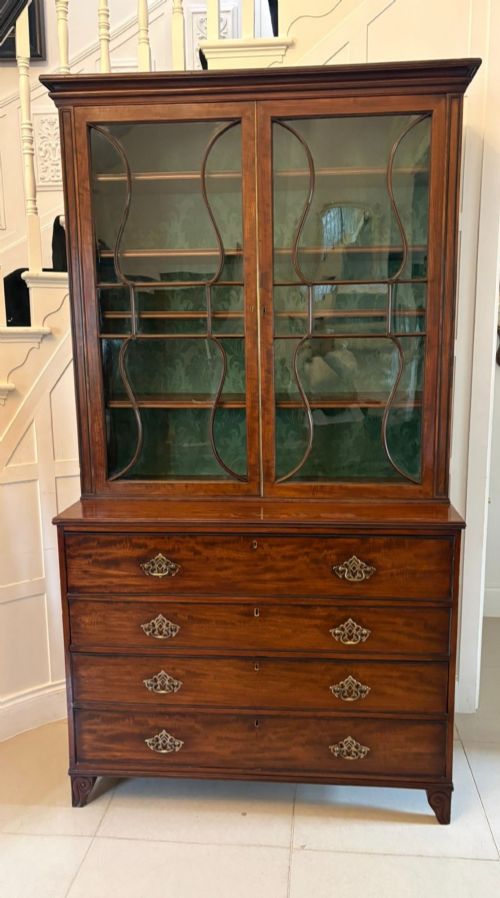
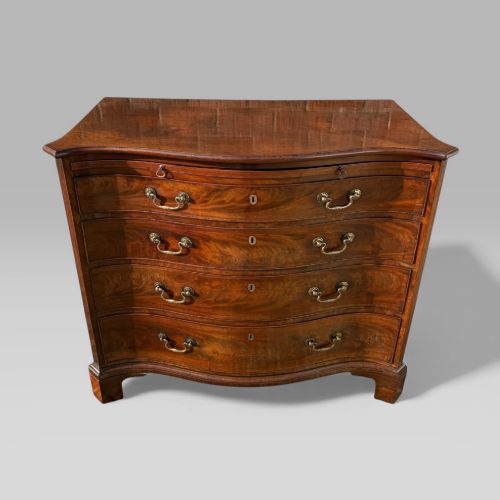
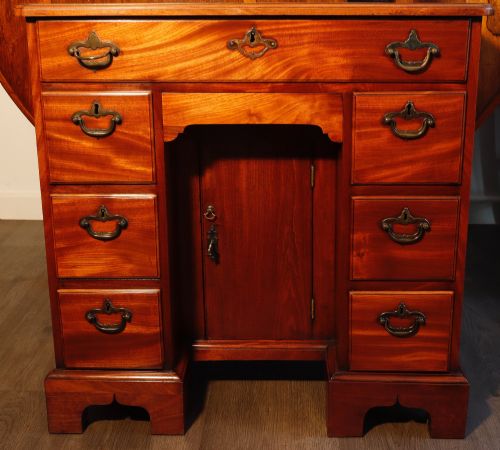
When buyers search for a vintage writing chest, they encounter a diverse range of furniture types spanning multiple centuries, from small document boxes to large bureau bookcases.
The selections on this page draw heavily from Georgian, Regency, and Victorian periods, alongside Edwardian and later twentieth-century examples.
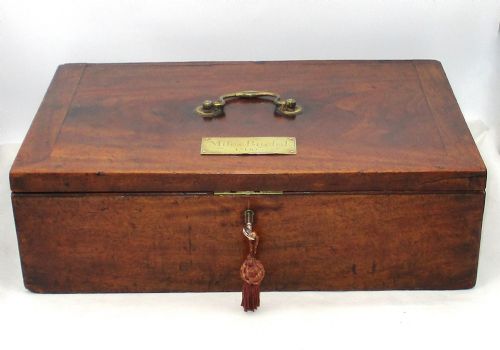
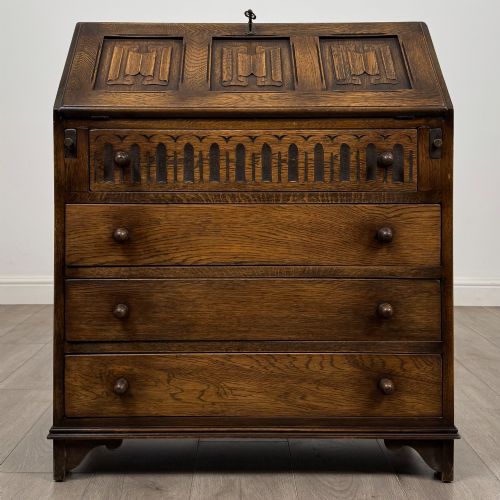
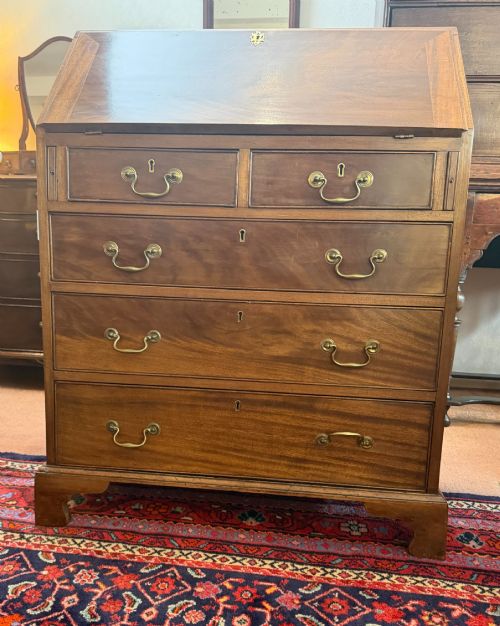
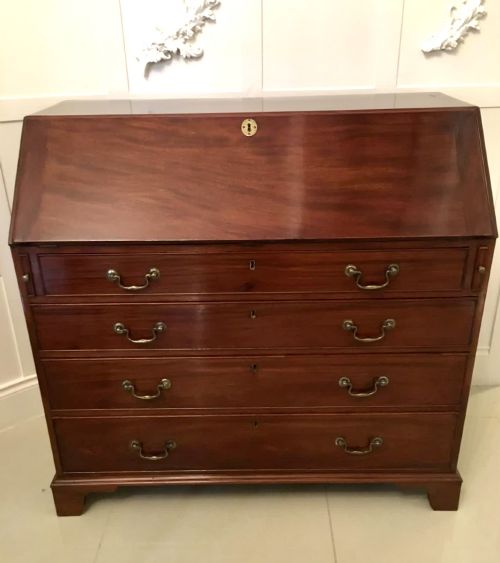
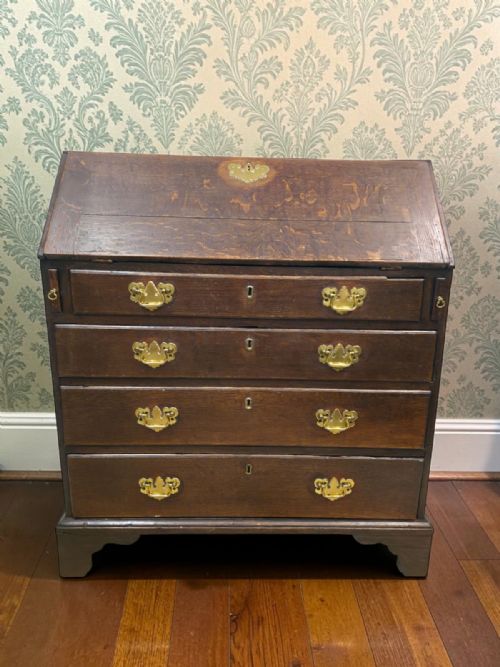
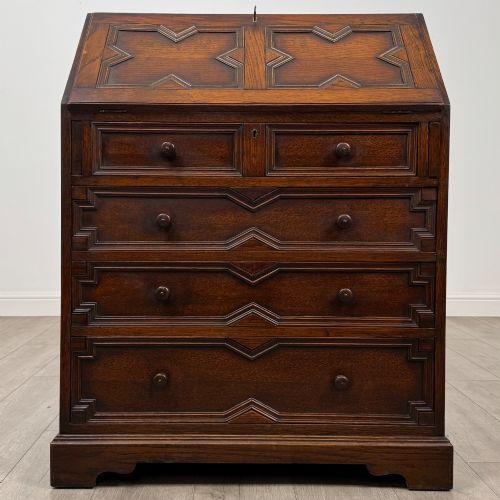
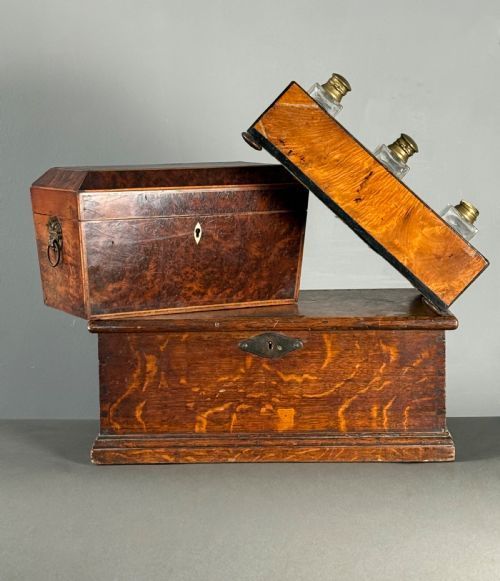
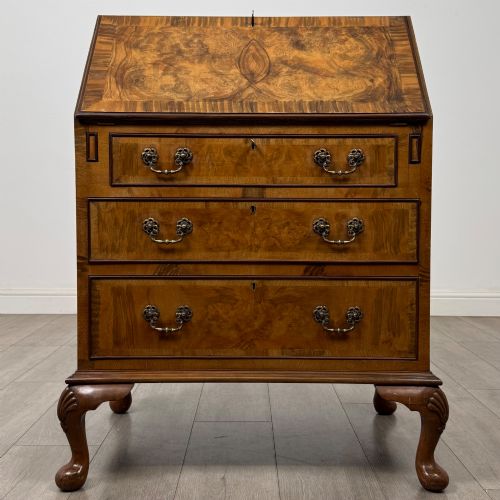
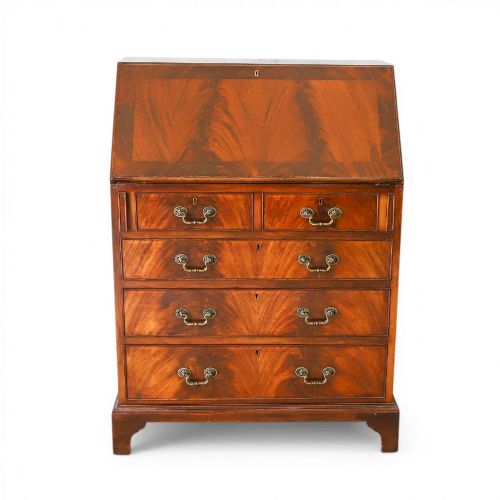
The most common forms are mahogany and oak bureaux with fall-front writing slopes, alongside secretaire chests of drawers, document boxes, and fitted writing desks.
Materials and construction
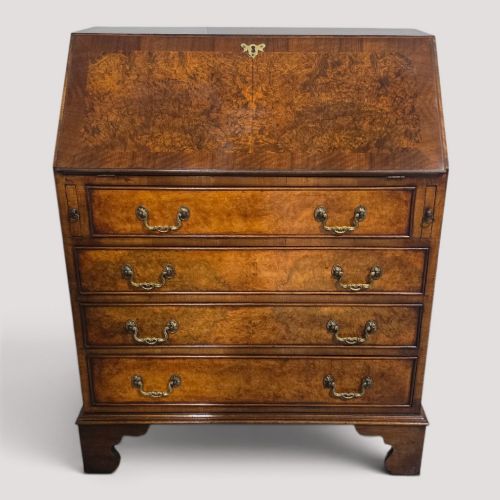
Cabinetmakers relied primarily on hardwoods such as mahogany, oak, walnut, and padouk, often selecting figured veneers like burr walnut or flame mahogany for decorative surfaces.
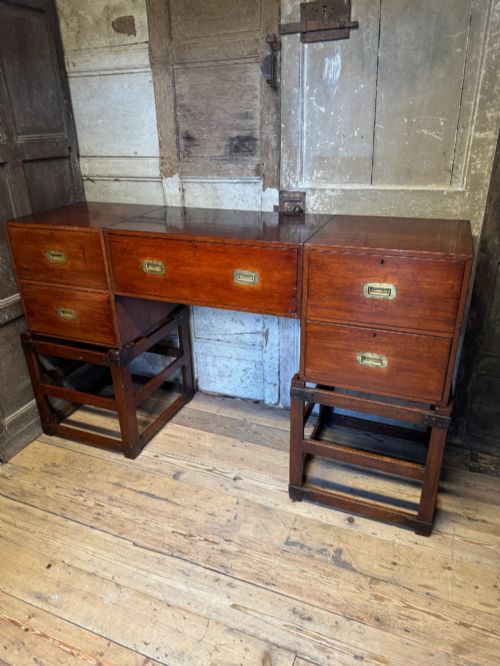
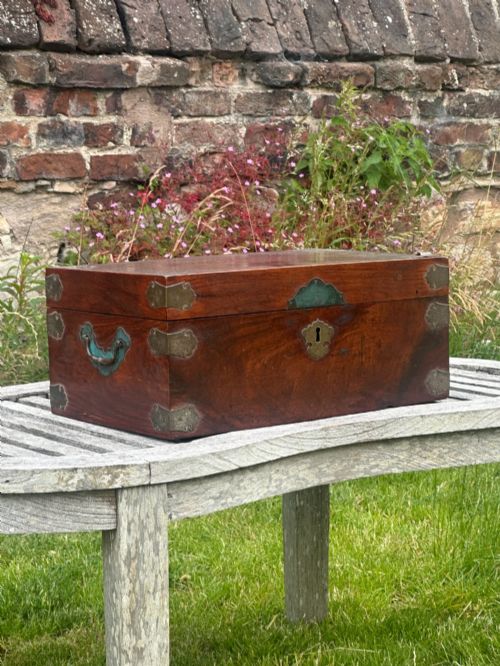
Metalwork played a crucial structural and decorative role, featuring brass hinges, escutcheons, corner brackets, and handles, particularly on campaign and deed boxes designed for travel.
Interiors were constructed with multiple small drawers, pigeonholes, and secret compartments, requiring precise carpentry and dovetail joints to ensure durability.
Several portable deed boxes incorporate hidden compartments, offering secret spaces originally intended for family heirlooms or secret correspondence.
Assessing quality and finish
The distinction between standard pieces and the finest examples rests on the selection of timber, the crispness of carved details, and the complexity of the interior fittings.
Superior items exhibit balanced proportions, original brass hardware, and well-figured timber grain that has developed a rich patina over generations of use.
The internal mechanism of the fall-front or secretaire drawer, including smooth sliding joints and tightly fitted pigeonholes, indicates the skill of the original maker.
Heal & Sons·Austin·Gillows
The Vintage Writing Chest Glossary
- Bureau
- A desk featuring a sloping hinged lid that drops down to reveal a writing surface and internal compartments. This form evolved during the seventeenth century.
- Secretaire
- A piece of furniture containing a drawer or compartment disguised to look like a standard drawer that pulls down to form a desk. It often includes numerous small pigeonholes and inner drawers.
- Fall-front
- A writing surface hinged at the bottom edge that folds down into a horizontal position for writing. When closed, it conceals the inner compartments.
- Campaign table
- Portable furniture constructed for military officers during travel, typically incorporating brass corners and bindings to protect the wood during transit.
- Document box
- A compact container designed to hold papers, letters, and deeds securely. These portable chests often feature fitted internal trays or velvet-lined compartments.
Vintage Writing Chest: Frequently Asked Questions
How do I use a vintage writing chest today?
These pieces function well as compact desks for laptop work or letter writing, while the internal drawers provide storage for stationery and small items.
The flat top surfaces also offer space for display, making them versatile additions to a study, living room, or hallway.
What woods were commonly used for these chests?
The listings show a heavy reliance on mahogany and oak, particularly during the Georgian and Victorian periods.
Walnut, burr walnut, padouk, and pine also appear across various styles, including Biedermeier and Anglo-Indian designs.
How can I date an oak writing chest?
Dating relies on examining the construction methods, such as hand-cut dovetails, timber selection, and the style of brass hardware.
Earlier examples from the seventeenth and eighteenth centuries often display heavier oak construction and simpler internal arrangements compared to later Victorian and Edwardian pieces.