
Vintage Wrist Timepiece
A vintage wrist timepiece carries the precise mechanics of the mid-twentieth century on the wrist.
Vintage Wrist Timepiece
A vintage wrist timepiece delivers classic horological design spanning the 1930s to the 1960s, encompassing styles from Art Deco to Mid-Century Modern. Buyers explore these categories to find mechanical wristwatches and wrist watches shaped by decades of Swiss and international manufacturing.
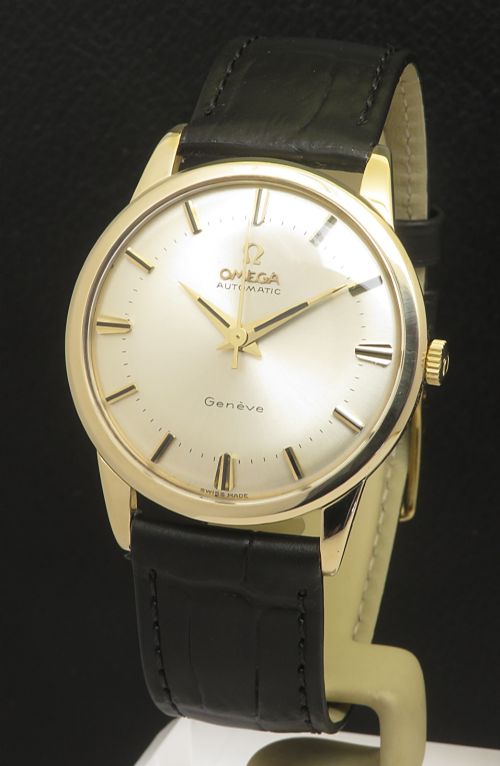
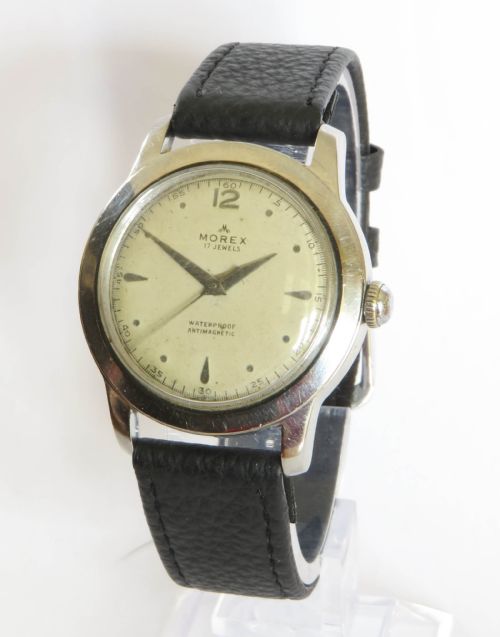
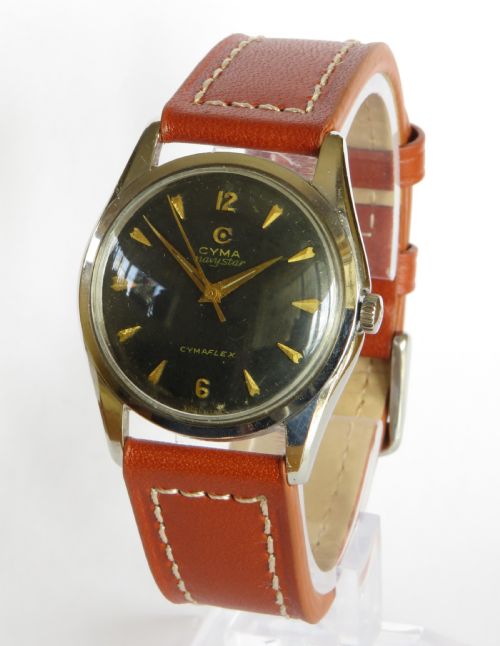
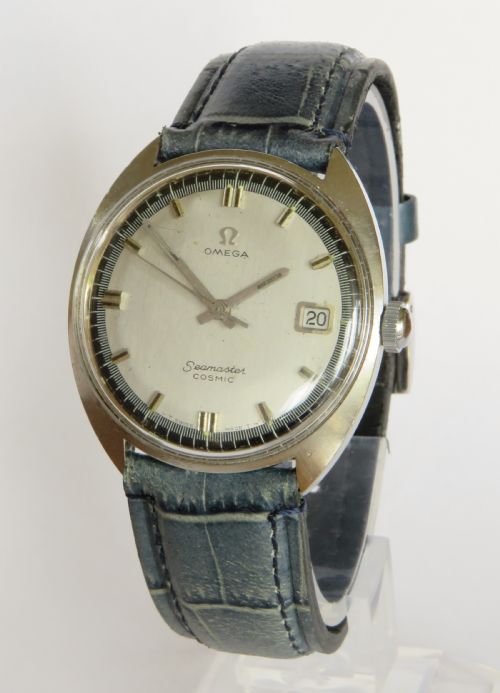
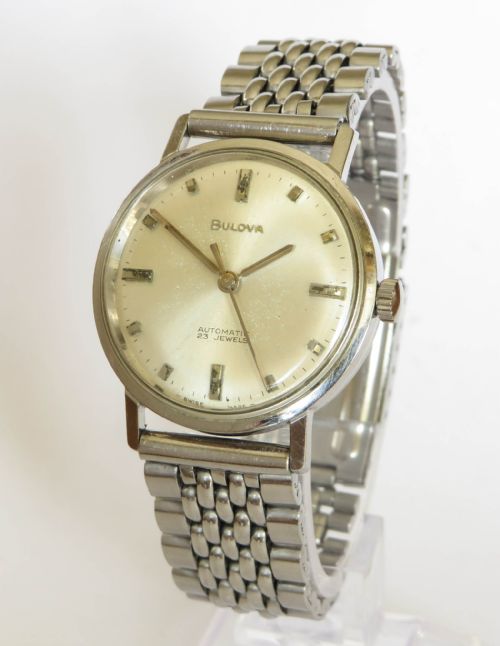
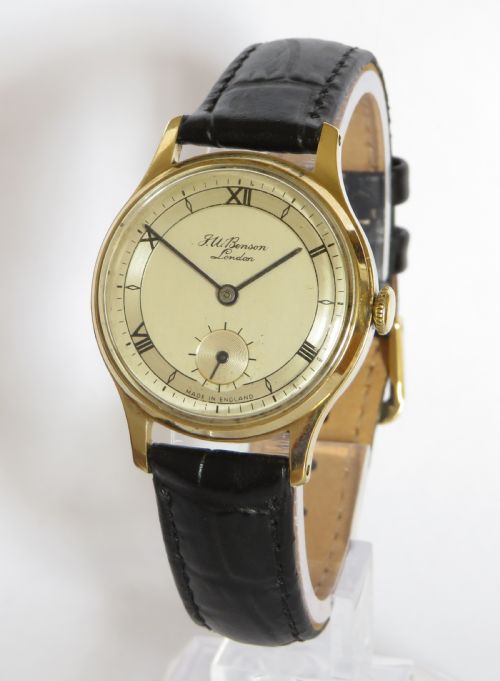
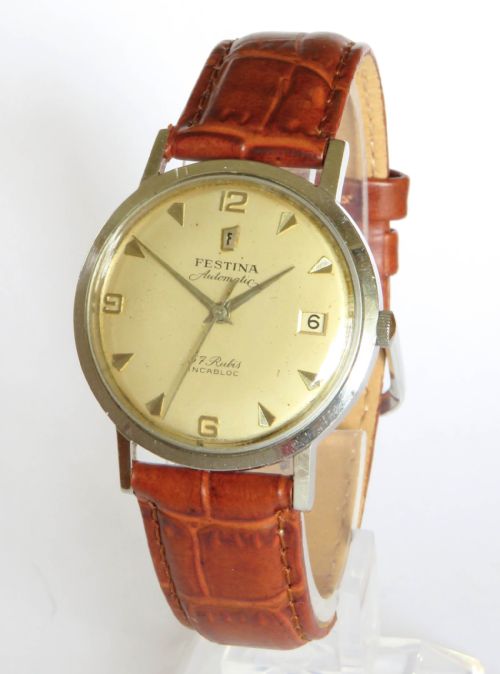
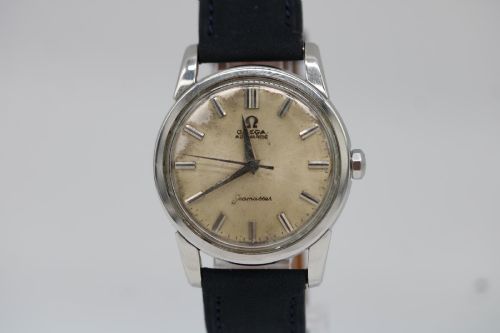
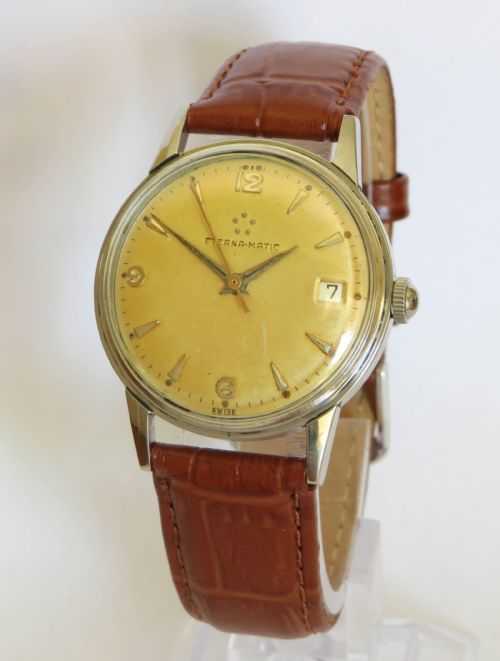
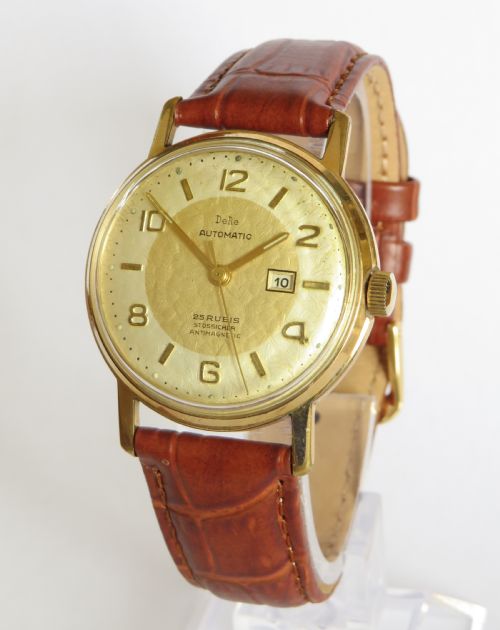
The pieces most frequently encountered on this page originate from the 1950s and 1960s, featuring automatic and manual wind movements housed in stainless steel, gold plate, or solid 9ct gold cases. Many present classic forms such as the Omega Seamaster, Geneve, and various gentlemans wrist watches from established makers.
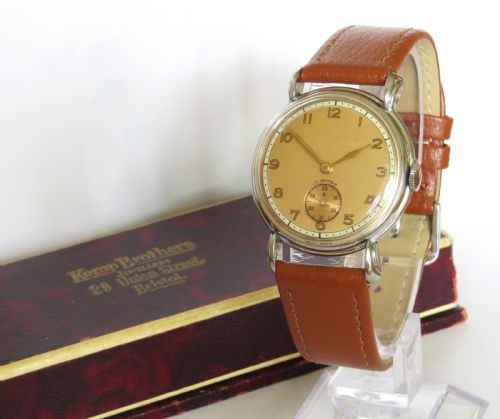
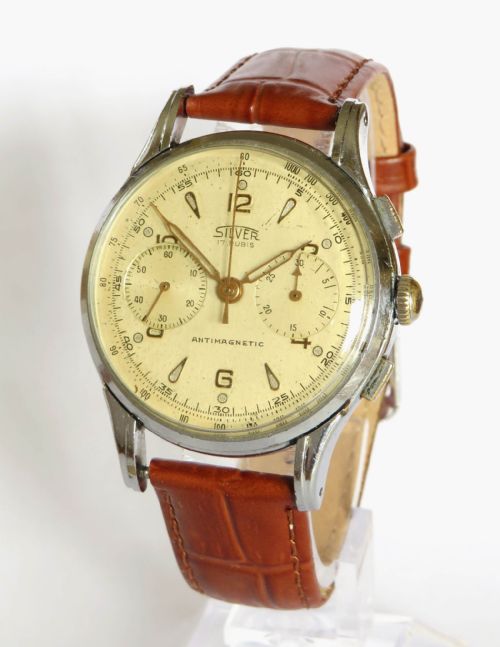
Examples from the 1930s and 1940s appear alongside later mid-century models, offering distinct dial variations, chronograph functions, and period straps. Each vintage wrist timepiece reflects the mechanical priorities and aesthetic shifts of its specific decade of production.
Materials and construction
Cases combine metals like stainless steel, chrome, gold plate, and solid 9ct or 18ct gold, paired with durable acrylic or acrylic glass crystals over the dial. Leather provides the standard material for original and replacement straps.
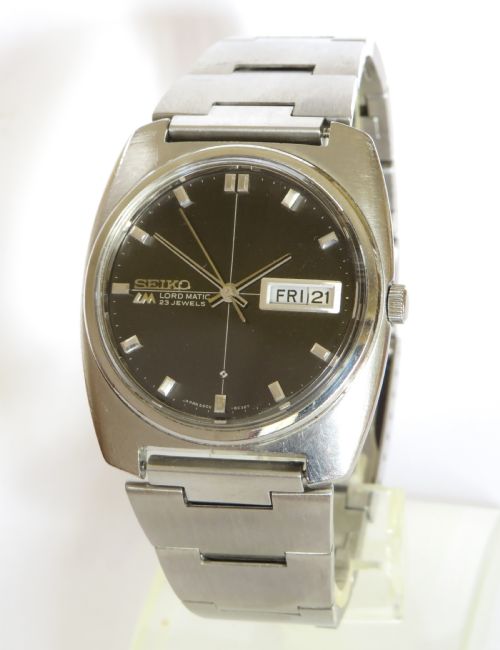
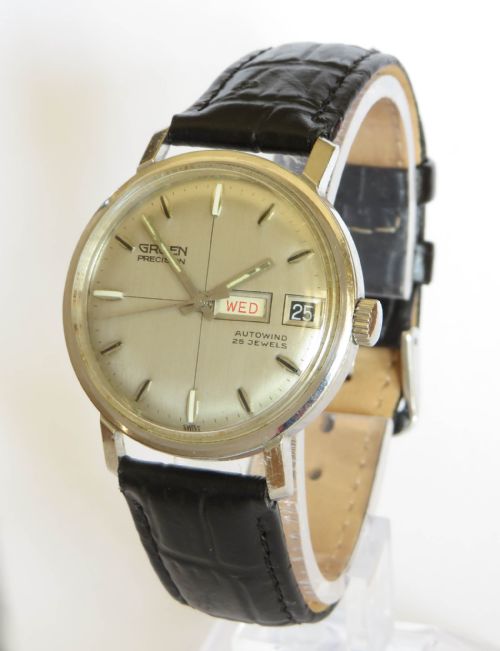
Mechanical movements utilise intricate gear trains, springs, and escapements, assembled by hand in workshops across Switzerland and England. Dials feature applied markers, painted numerals, and specialised complications such as chronograph mechanisms or day-date displays.
Listings feature pieces spanning the 1930s through to the 1960s, constructed in stainless steel, chrome, gold plate, and solid 9ct gold.
Markers of quality
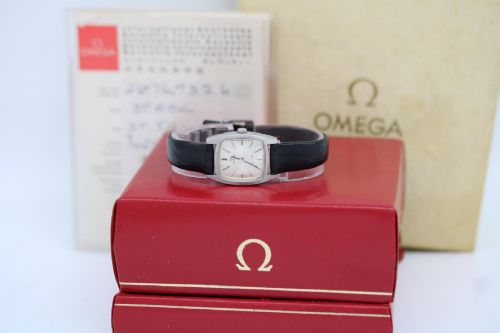
Quality rests in the originality of the dial, case, and movement components, where untouched surfaces and factory finishes distinguish superior examples. Pieces retaining original signed crowns, matching boxes, and historical papers represent the upper tier of preservation.
The sophistication of the internal calibre dictates grade, with chronometer-certified or high-count jewel movements showing greater manufacturing precision than standard utility iterations. Solid precious metal cases and complex chronograph functions elevate the horological standing of an individual watch.
Omega·Tudor·Montilier·Cyma·Seiko·Bulova·J W Benson·Festina·Gruen·Antoremi·DeRe·Rolex·Longines·Avia·Venus·Primula·Marvin Hermetic·Gloriosa·Enicar·Prefect·Wittnauer·Dogma Prima
The Vintage Wrist Timepiece Glossary
- Automatic
- A self-winding mechanical movement that uses a weighted rotor to wind the mainspring through the natural motion of the wearer's wrist.
- Calibre
- The specific manufacturer's internal designation for a particular watch movement design.
- Chronograph
- A timepiece equipped with a separate sweep-second hand and independent sub-dials to measure elapsed time intervals.
- Crystal
- The transparent cover, typically formed from acrylic glass, positioned over the dial to protect the hands and markers.
- Manual wind
- A mechanical movement requiring the wearer to manually turn the crown to tension the mainspring.
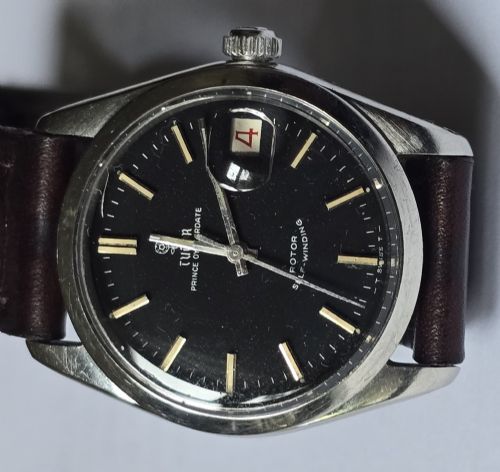
- Oysterdate
- A waterproof case construction paired with a date display function, famously utilised by Tudor.
Vintage Wrist Timepiece: Frequently Asked Questions
How do I wind a vintage watch?
Manual wind models require gently turning the crown clockwise until firm resistance is felt, taking care not to overwind the mainspring.
Automatic models wind themselves through wrist movement, though a few gentle rotations of the crown can jumpstart the mechanism if it has rested.
Are these watches waterproof?
Vintage models generally lack modern water resistance due to degraded seals and ageing materials. Even pieces marked with historical waterproof designations should be kept away from moisture.
Protecting the interior mechanics from water damage ensures the longevity of the movement and dial.
What is a chronometer?
A chronometer is a high-precision watch movement that has passed rigorous accuracy tests conducted by official testing bodies. These movements maintain exact timekeeping under various temperatures and positions.
Such designations indicate superior mechanical engineering within the watch.
How do I read a vintage dial?
Dials display hours and minutes via central hands, often accompanied by a subsidiary seconds sub-dial or a central sweep seconds hand. Date and day-date apertures appear near the edge of the face on specific models.
Examining the typography and layout helps identify the production era of the piece.