
1930s Swiss Watch
A 1930s swiss watch brings mechanical precision and the distinct geometry of Art Deco design to your wrist or pocket.
1930s Swiss Watch
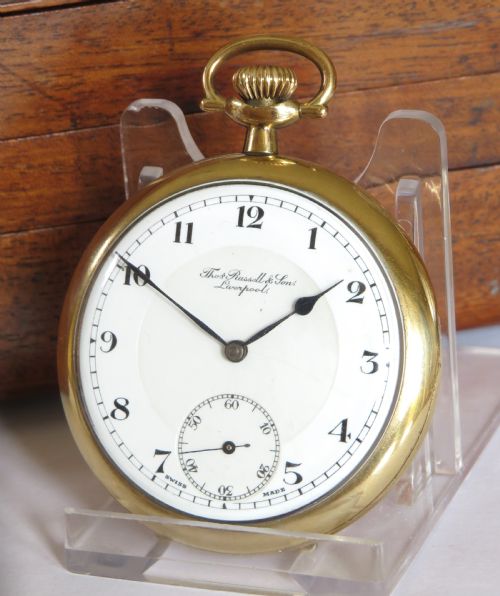
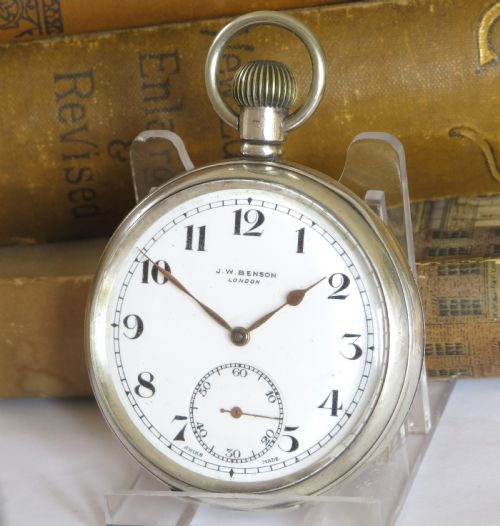
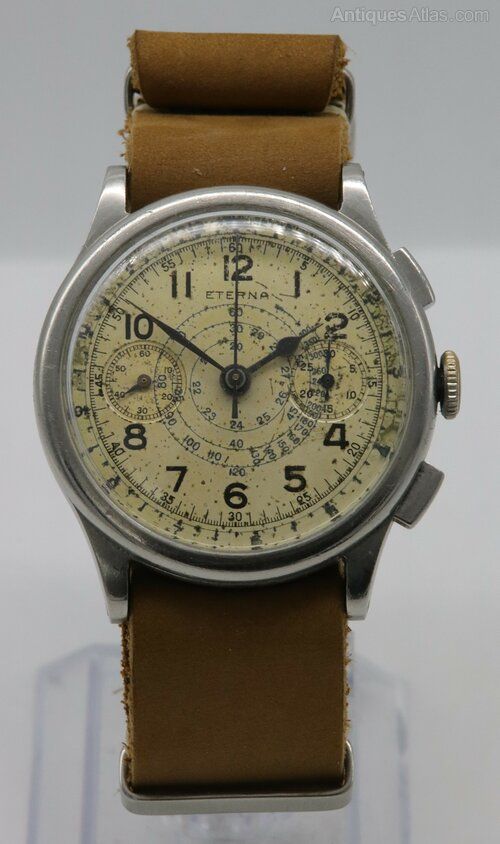
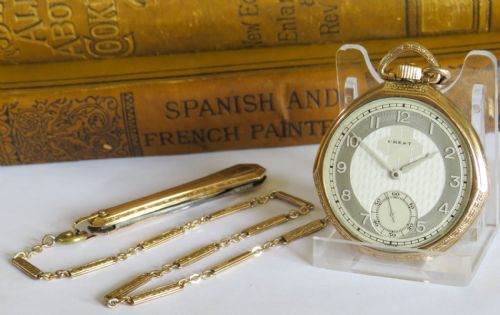
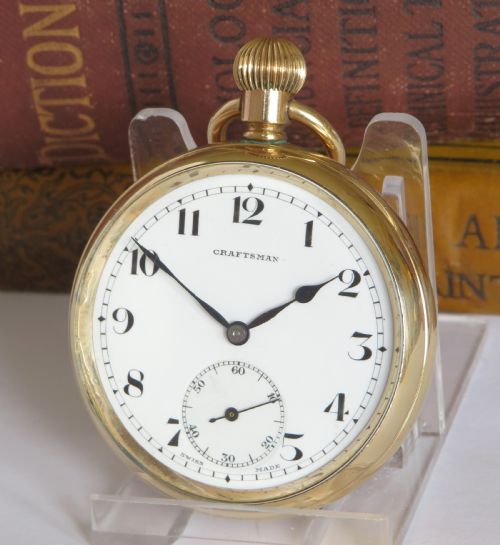
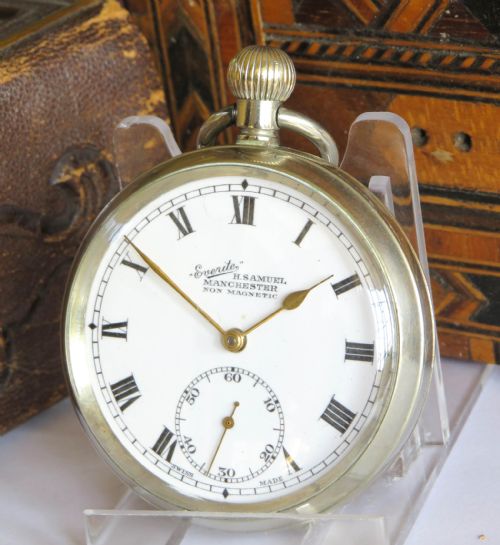
A 1930s swiss watch spans a variety of pocket and wrist-worn formats created during a decade of transition in horology. Collectors encounter everything from robust military and railway pocket watches to delicate cocktail timepieces designed for evening wear.
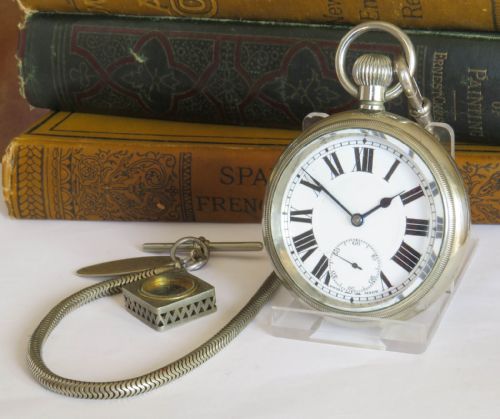
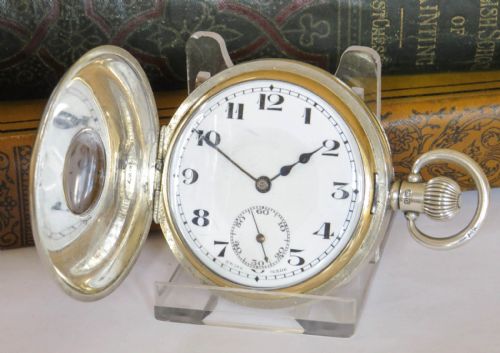
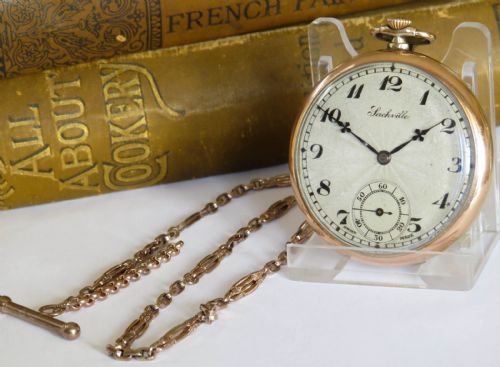
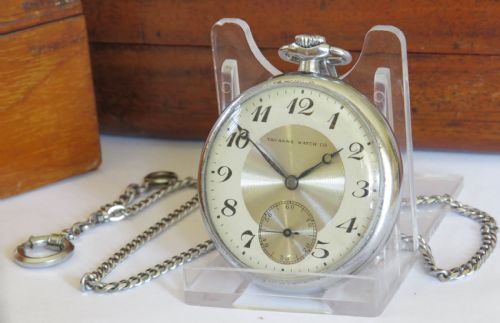
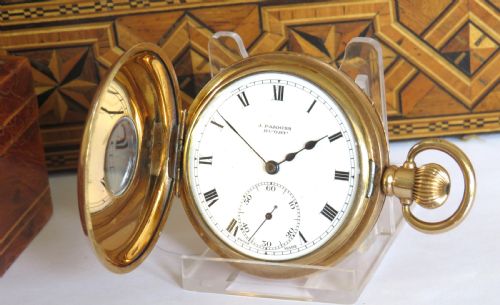
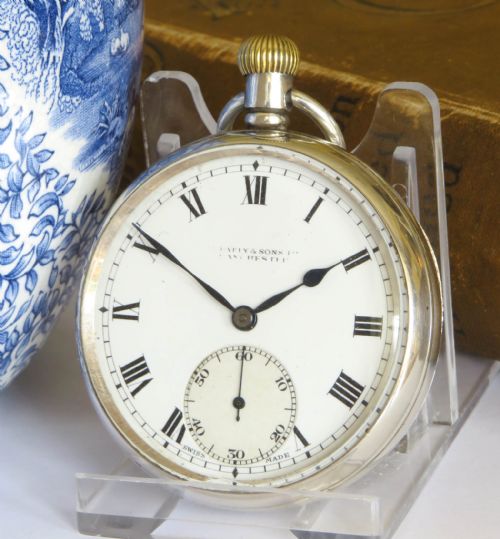
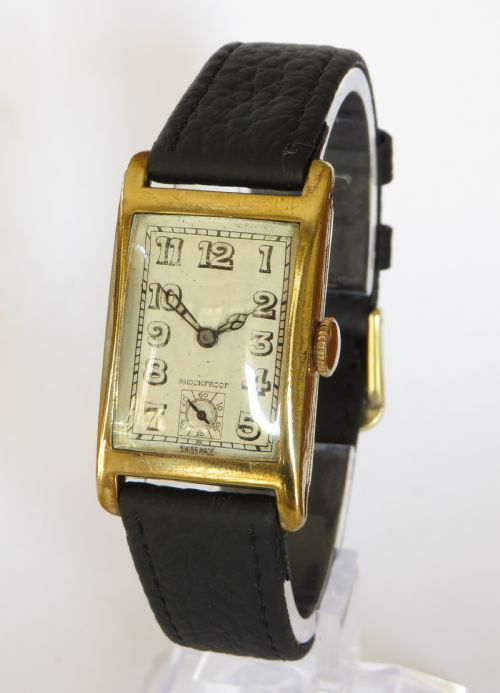
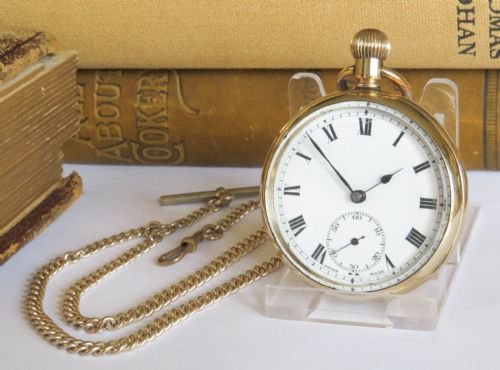
Pocket watches dominate the selections, often accompanied by albert chains, compasses, and fobs. Open-faced and hunter styles appear frequently alongside rectangular or curved wristwatch formats such as tank watches.
Originating predominantly from Swiss workshops, these items reflect the mature craftsmanship of a period bridging traditional pocket formats and the rising popularity of wristwatches. Pieces emerge in silver, gold, and steel, carrying the hallmarks of distinct makers.
Materials and Construction
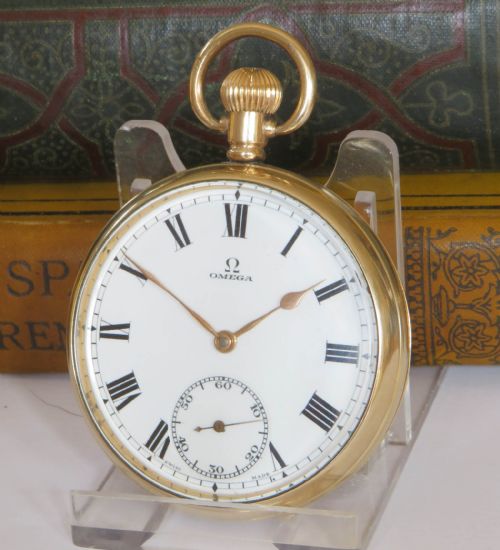
Cases utilise metals such as stainless steel, silver, brass, and gold plate, while luxury examples incorporate solid gold or platinum set with diamonds and glass crystals. Enamel dials provide legible contrast, often paired with blued steel hands.
Mechanisms rely on manual wind movements, including jewelled lever escapements that improved accuracy during daily wear. Stem winding systems became standard, allowing owners to power the watch without opening the case back.
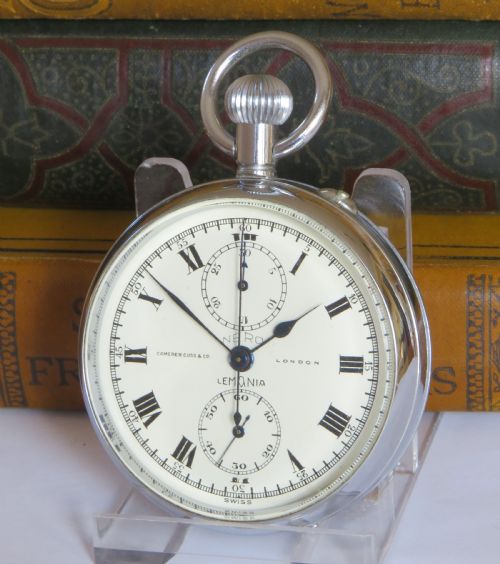
Art Deco styling heavily influences the exterior geometry, resulting in stepped cases, stylized numerals, and engraved dust covers. Chronograph functions and specialised awards appear on select casings, marking military service or civic bravery.
Listings feature movements housed in stainless steel, silver, gold plate, and solid gold, spanning both pocket formats and wristwatches.
Craftsmanship and Distinction
Quality separates chronometer-grade movements with high jewel counts from standard utility calibres designed for everyday railway or workplace use. Finely finished bridges and precise regulation distinguish the top tier from mass-produced commercial outputs.
Material choice dictates the upper reaches of the market, where platinum and solid gold cases housing diamond-set cocktail designs outclass standard nickel-plated or brass alternatives. Original boxes, matching albert chains, and intact enamel dials elevate a piece's integrity.
The reputation of the maker plays a decisive role, with signed movements from renowned houses retaining greater complexity and finish. Condition of the case geometry and the crispness of decorative engraving further separate ordinary survivors from exceptional examples.
Omega·Cyma·Zenith·Tavannes·Rolex·Tissot·Lemania
The 1930s Swiss Watch Glossary
- Hunter pocket watch
- A timepiece featuring a spring-loaded metal cover that protects the glass dial from scratches. Owners press a button on the crown to pop the lid open.
- Half hunter pocket watch
- A case design incorporating a small glass window or aperture in the outer lid, allowing the user to read the hands without opening the cover.
- Stem winding
- A mechanism that permits the mainspring to be tensioned via the winding crown at the top of the case rather than a separate key. This innovation streamlined daily operation.
- Jewelled lever escapement
- An internal mechanism utilising synthetic jewels to reduce friction on the pallet stones and escape wheel. It delivers superior timekeeping stability.
- Tank watch
- A rectangular wristwatch style inspired by military proportions, featuring parallel vertical brancards that integrate the strap lugs seamlessly into the case design.
1930s Swiss Watch: Frequently Asked Questions
Can I wear a 1930s watch daily?
These items function reliably for everyday wear provided they receive regular servicing by a qualified horologist. Treat them with care because vintage cases lack modern water resistance.
Keep mechanical movements away from strong magnetic fields and moisture. Taking the watch off before engaging in strenuous physical activity prevents unnecessary shock to the balance staff.
What is an albert chain?
An albert chain is a traditional heavy metal chain attached to a pocket watch, designed to secure the timepiece safely to a waistcoat or belt loop. Named after Prince Albert, these accessories often feature hanging fobs, medallions, or compasses.
Collectors prize matched sets where the chain metal matches the pocket watch case. They provide a practical anchor that prevents accidental drops during transit.
How do I date my watch?
Examine the interior case backs and the movement bridges for serial numbers, hallmarks, and maker's signatures. These stamps often correspond to manufacturer production ledgers or assay office date letters.
Comparing movement styles and dial typography against historical catalogues narrows down the decade of manufacture. Consulting a specialist helps decode complex maker marks and dedication inscriptions.