





Vintage Woven Runner Rug
A vintage woven runner rug brings linear geometry and enduring textile craft to corridors and narrow spaces.
Vintage Woven Runner Rug
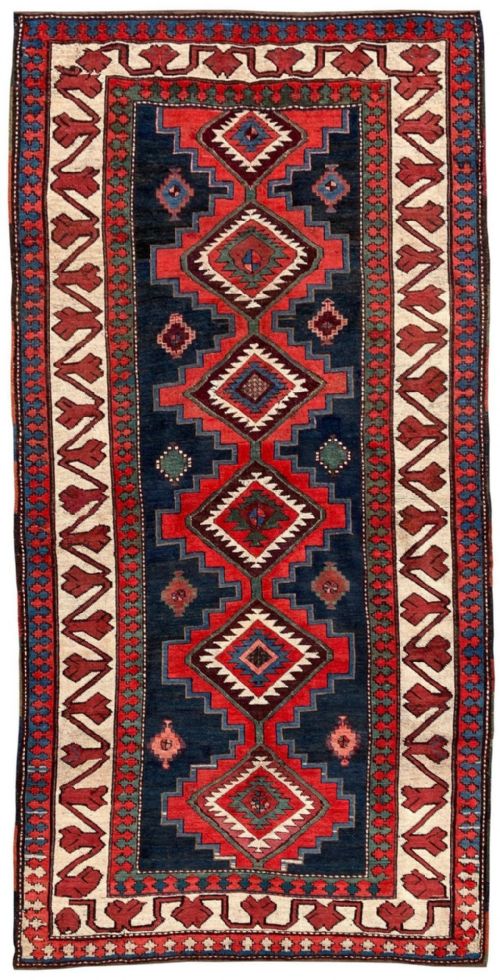
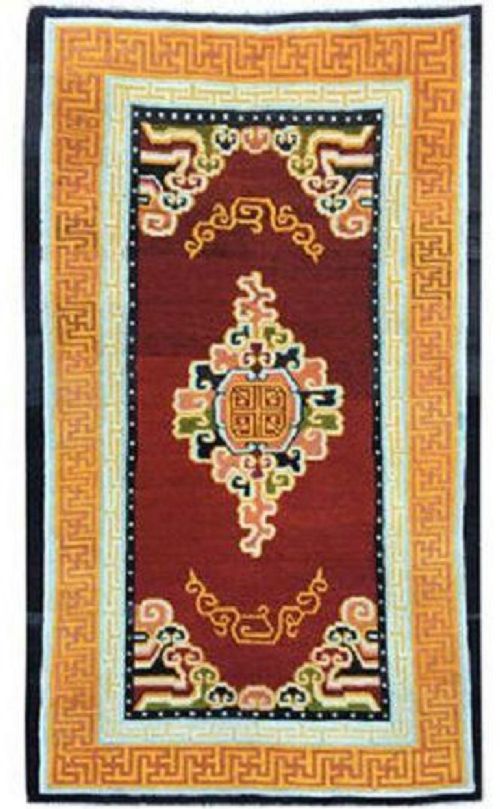
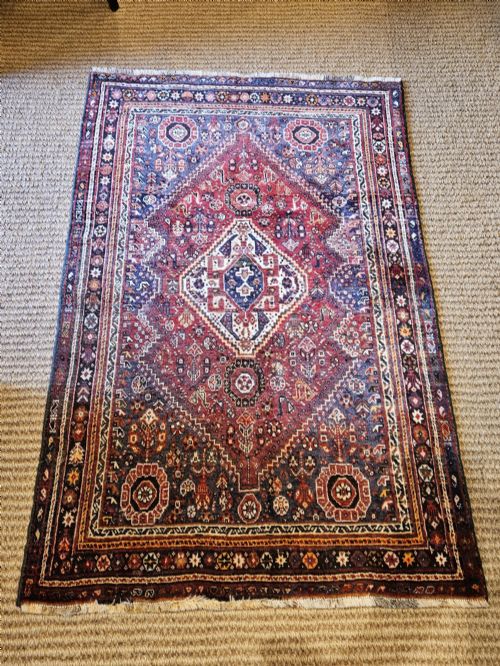
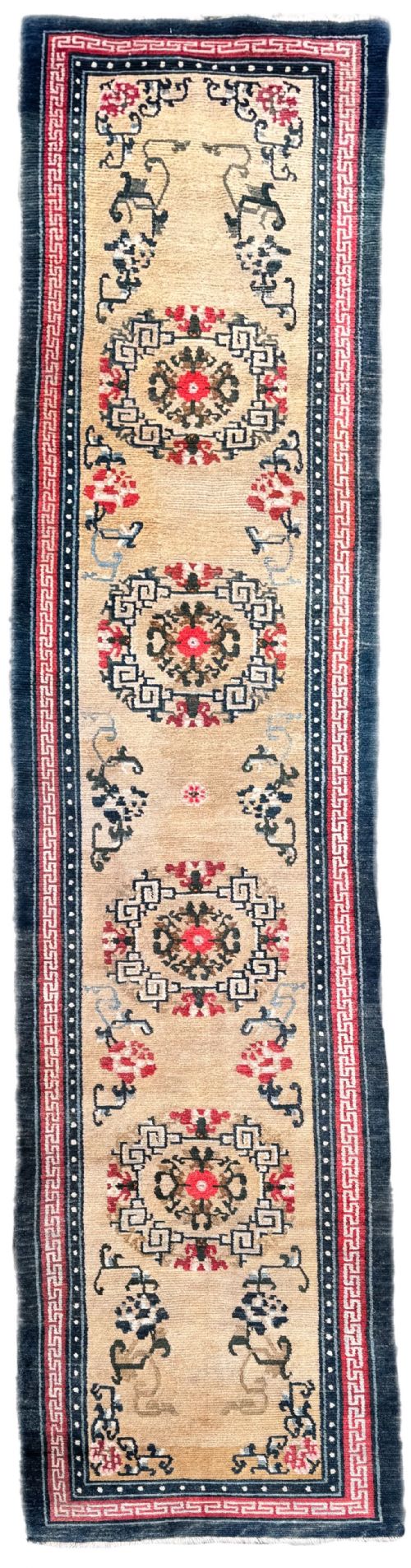
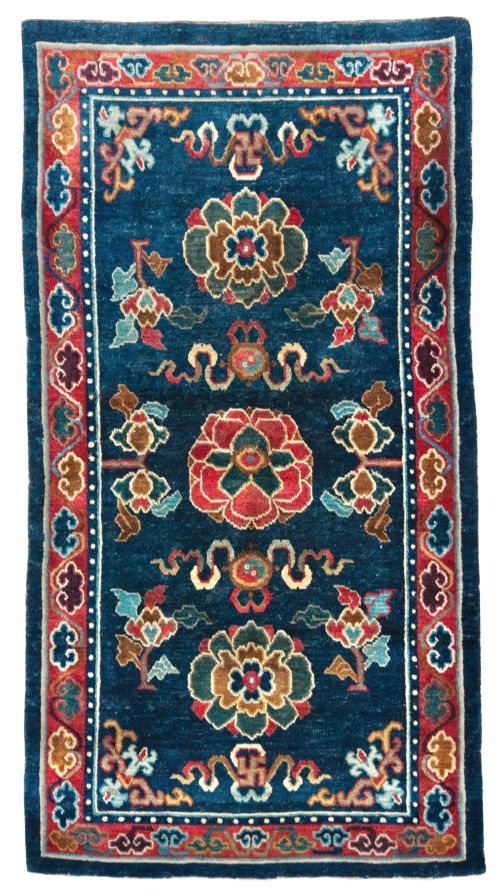
A vintage woven runner rug is a long, narrow textile designed primarily for hallways, corridors and transitional spaces within a home. When searching this phrase, buyers encounter elongated floor coverings originating from various regional traditions and tribal workshops.
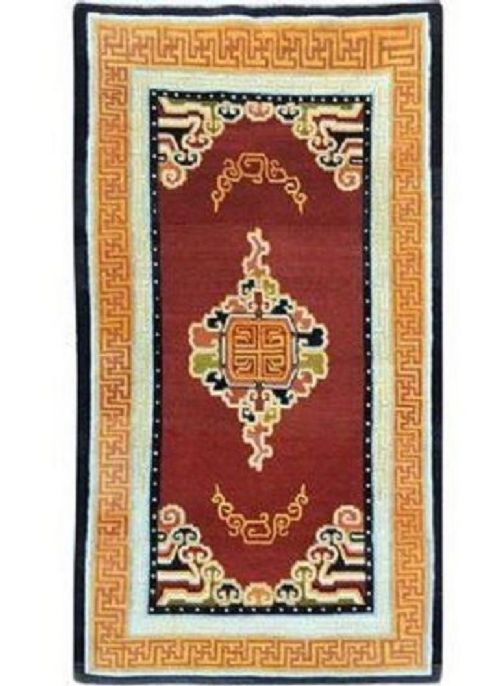
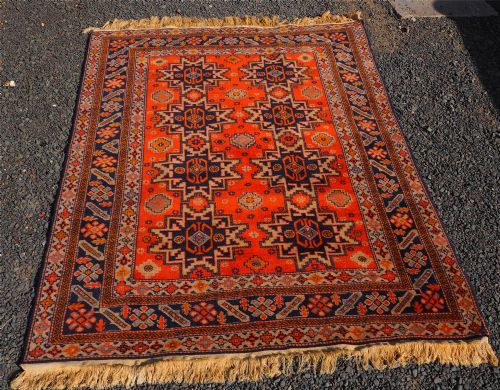
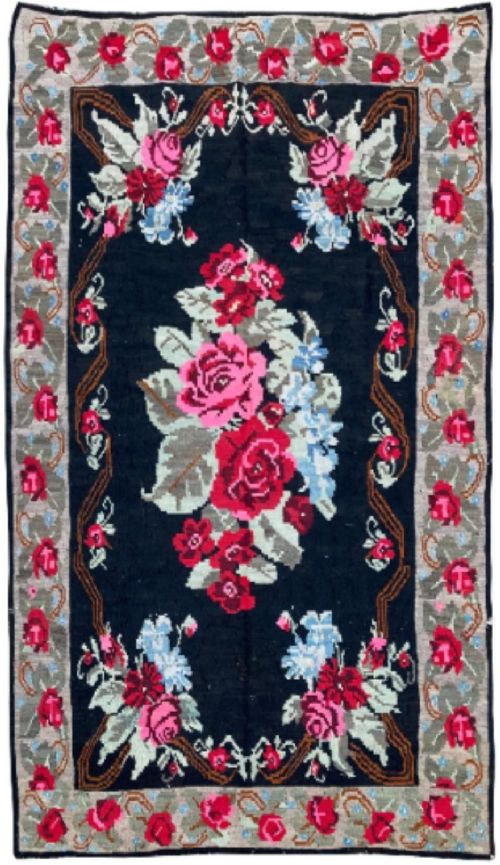
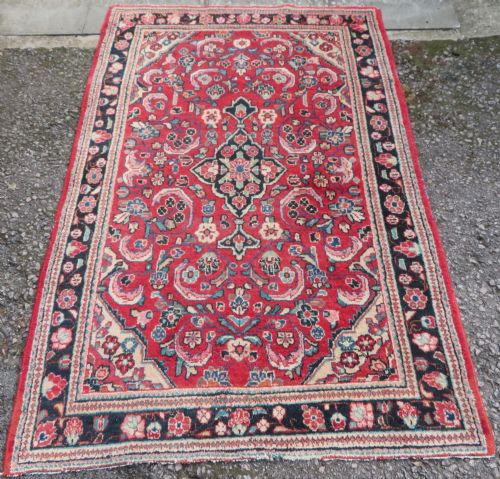
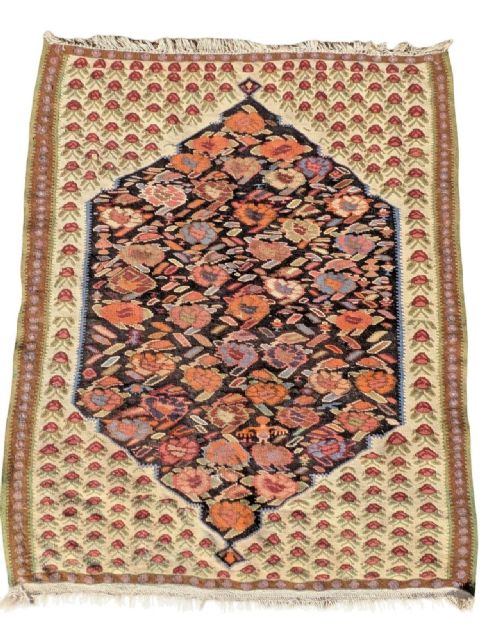
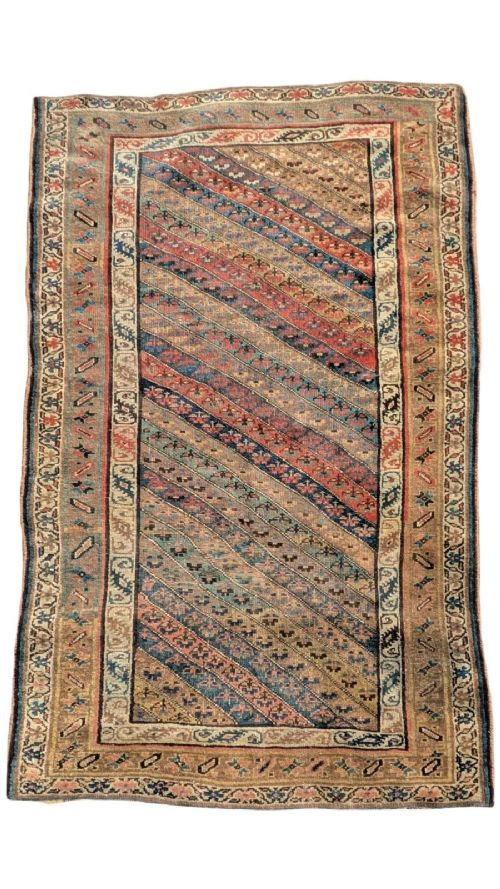
The selection on this page draws from traditions spanning the nineteenth and early twentieth centuries, encompassing Persian, Caucasian and Tibetan origins. Pieces take the form of traditional knotted pile carpets as well as flat-woven kilims.
Makers include Kurdish, Luri, Kazak and Bakhtiar weavers who produced geometric, tribal and all-over medallion motifs. These utilitarian textiles were woven to withstand heavy foot traffic while providing warmth and decoration.
How they were made
Weavers constructed these runners using hand-spun wool and cotton foundations, tying dense knots or employing flat-weave techniques depending on the regional style. Natural dyes provided the foundational palette, yielding rich tones that settled with age.
Nomadic and village workshops utilised upright wooden looms to execute traditional patterns passed down through generations. The combination of durable wool fibres and plant-based colourants ensured the structural integrity of each hallway runner.
Listings feature wool, cotton, silk and natural dyes across periods spanning from 1850 through 1940.
What varies in quality
Quality in these textiles rests upon the fineness of the weave, the consistency of the hand-spun wool and the complexity of the regional design. Tighter knot counts and precise geometric execution separate standard village productions from finer workshop pieces.
The vibrancy and stability of the natural dyes significantly influence a piece, as well-preserved colour saturation demonstrates superior initial pigment preparation. Structural soundness along the selvedges and ends determines how well a historic runner survives daily use.
The Vintage Woven Runner Rug Glossary
- Kilim
- A flat-woven carpet or rug produced without a pile by tightly interweaving warp and weft threads. This technique creates a lightweight, reversible textile with sharp geometric patterns.
- Runner
- A long, narrow carpet specifically suited for hallways, stairs and corridors. Dimensions typically feature an elongated rectangular format.
- Pile
- The upright or knotted surface of a rug formed by the cut ends of yarn. This adds cushioning and depth compared to flat-woven surfaces.
- Warp
- The vertical foundation threads stretched lengthwise on a loom before weaving begins. Weft threads are passed horizontally through these structural elements.
- Natural Dyes
- Colourants derived from plants, insects and minerals rather than synthetic compounds. These materials yield complex, harmonious hues that age gracefully.
Vintage Woven Runner Rug: Frequently Asked Questions
Where should I place a runner rug?
These narrow textiles suit hallways, corridors and entryways where linear floor coverage enhances the room's proportions. They also function effectively alongside galley kitchens or beside beds.
Because runners face consistent foot traffic, placement in moderate-traffic areas helps preserve the historic foundation while adding warmth to transitional spaces.
How do I clean a vintage wool rug?
Gentle surface cleaning and regular light vacuuming without a beater bar remove embedded dirt from the wool fibres. Professional textile cleaners specialising in antique carpets should handle deep washing.
Avoid harsh chemical detergents or excessive water immersion, which can damage natural dyes and weaken hand-spun wool foundations.
What is the difference between pile and flat-weave?
Pile rugs feature a raised surface created by knotted yarn ends, offering a softer underfoot feel and thicker profile. Flat-weaves lack this pile entirely, presenting a smooth, tapestry-like surface.
Both methods produce durable floor coverings, though flat-weaves generally sit lower and function well in spaces requiring minimal door clearance.
How do I identify a tribal rug?
Tribal pieces typically display geometric motifs, stylized animal forms and asymmetrical tribal medallions rather than formal court designs. Artisans wove these textiles in nomadic camps or small villages without rigid master cartoons.
Irregularities in line work and spontaneous shifts in natural dye colours often point to the direct, unguided hand of a village weaver.