
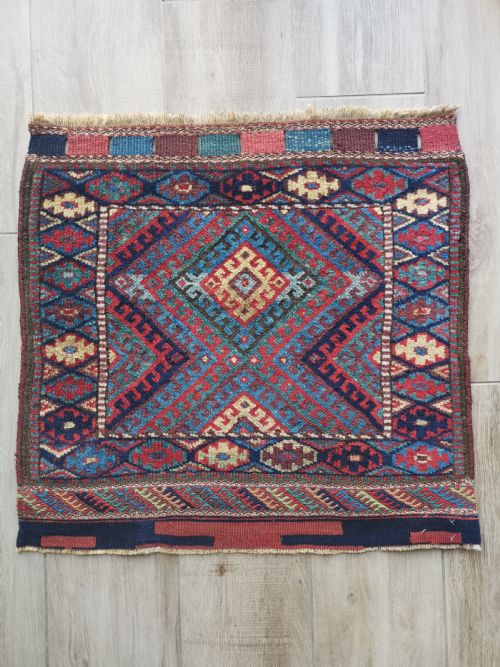


Geometric Motif Rug
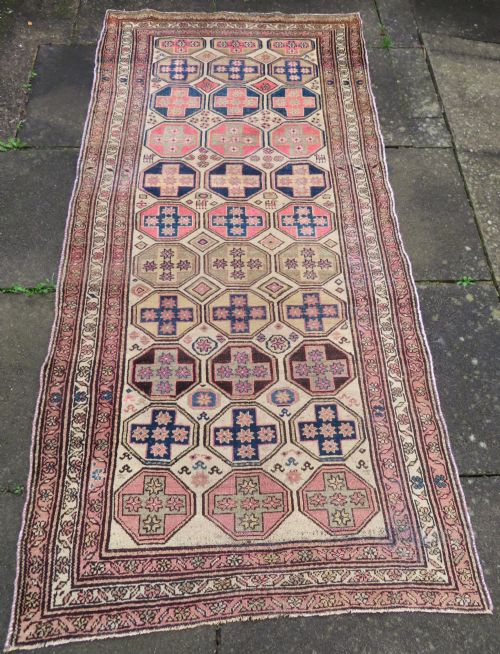
When choosing a geometric motif rug, you select a woven piece defined by angular patterns originating from tribal and village workshops.
Geometric Motif Rug
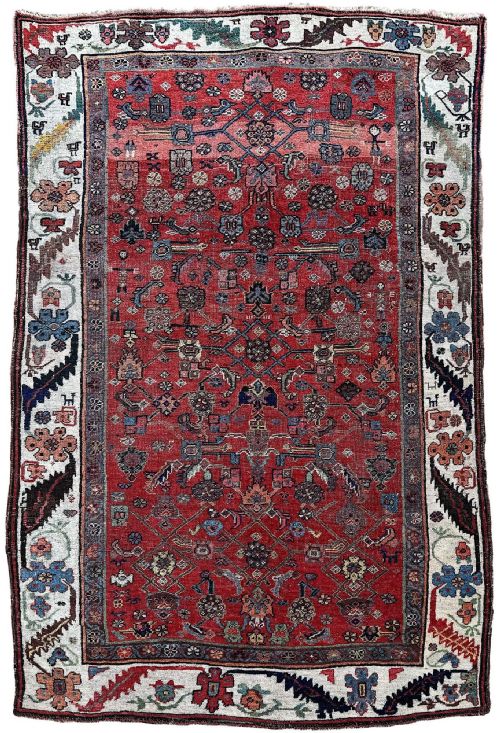
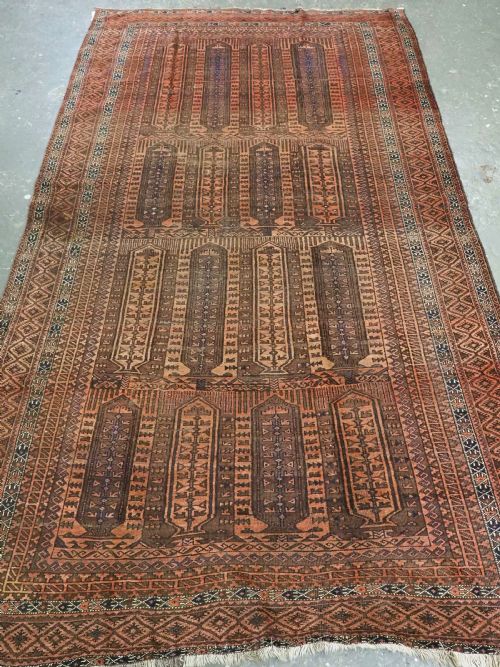
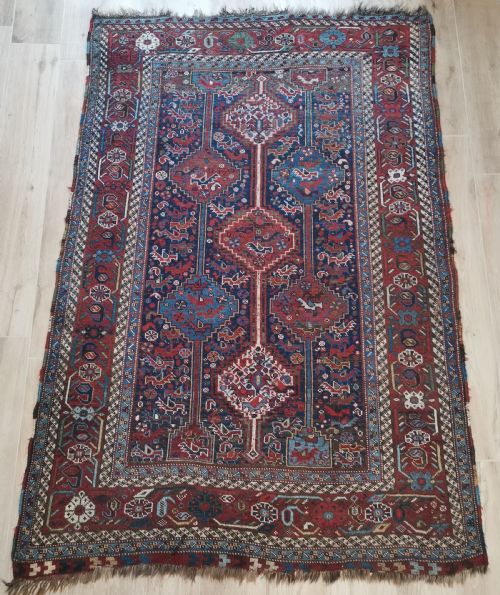
A geometric motif rug brings structured, rectilinear patterns into domestic spaces through traditional village and nomadic weaving traditions. Buyers searching for a geometric motif rug encounter regional styles such as Caucasian, Kurdish, Baluch, and Khamseh pieces dating from the nineteenth and early twentieth centuries.
The format varies from compact bagfaces and cushions to long runners and generous carpets. Village weavers produced these floor coverings and flatweaves using repeating medallions, stars, and tribal symbols.
Originating predominantly from Persia, Afghanistan, the Caucasus, and the Balkans, these textiles reflect distinct regional weaving vocabularies. The surviving examples demonstrate how households utilised patterned wool textiles for warmth and decoration.
How They Were Made
Weavers constructed these pieces using hand-spun wool and cotton foundations, dyed with natural pigments that produced rich, variable tones. The combination of wool pile or flatweave structures yielded durable surfaces designed for practical daily use.
Dye absorption varied naturally across batches of yarn, creating subtle abrash shifts in colour depth across the field. Artisans knotted or wove the geometric designs directly from memory and tribal tradition rather than printed blueprints.
Several antique carpets secretly hide charming rows of small chickens, peacocks, and bees woven straight into the geometric borders.
What Varies in Quality
The fineness of the weave and the precision of the angular drawing distinguish individual examples. Denser knots and tightly packed foundations create sturdier carpets that retain their structural integrity over decades of use.
The purity and saturation of the natural dyes significantly influence the visual impact of the piece. Well-preserved wool and harmonious colour palettes separate standard village work from exceptional tribal masterworks.
The Geometric Motif Rug Glossary
- Gul
- A repeating octagonal or medallion motif commonly found in Turkmen and tribal carpets. It often serves as a family or clan identifier within the design layout.
- Abrash
- A natural variation in colour shading caused by changes in dye batches or hand-spun wool. This tonal shift creates a subtle banded appearance across the surface.
- Kilim
- A flatweave textile produced without a pile by tightly interweaving warp and weft threads. These pieces function as lightweight rugs or wall hangings.
- Mihrab
- An arch-shaped design element derived from prayer niche architecture, frequently oriented toward Mecca. It is a central feature in specific village prayer rugs.
- Boteh
- A stylised almond or paisley motif representing a floral spray or cypress tree. This ancient symbol appears frequently in Persian and Caucasian border designs.
Geometric Motif Rug: Frequently Asked Questions
How do I clean an antique rug?
Gentle surface brushing and professional specialist washing help preserve fragile wool fibres and natural dyes over time. Avoid harsh chemical treatments and excessive water immersion to protect the foundation.
Regular rotation prevents uneven wear patterns in high-traffic hallways and living spaces. Simple care routines ensure these historic textiles remain stable for daily domestic enjoyment.
Where were these tribal rugs made?
Nomadic groups and sedentary villagers across Persia, the Caucasus, Afghanistan, and the Balkans produced these textiles. Each region developed distinct weaving techniques and characteristic geometric motifs.
Local access to specific sheep breeds and plant dyes shaped the distinct appearance of each weaving centre. Makers passed these regional designs down through generations without written patterns.
How do I date a woven rug?
Examining the palette of natural dyes, wool preparation, structural materials, and knot density provides reliable clues to the era of production. Nineteenth-century examples often display softer, oxidised wool textures and distinct regional quirks.
Comparing border structures and medallion types against known tribal examples helps narrow down the decade of manufacture. Experts look at the overall wear and foundation materials to confirm age.