



Vintage Woven Hanging
A vintage woven hanging brings texture and pattern to a wall through centuries of textile tradition.
Vintage Woven Hanging
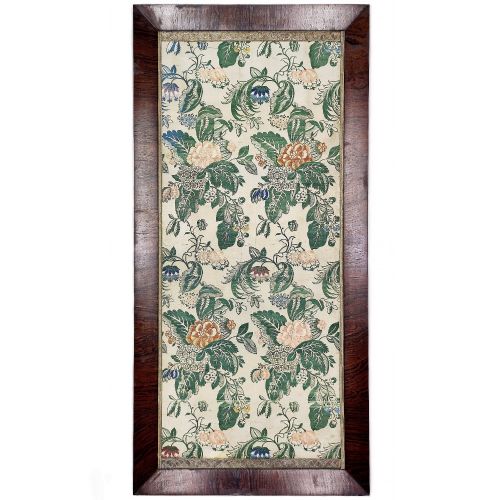
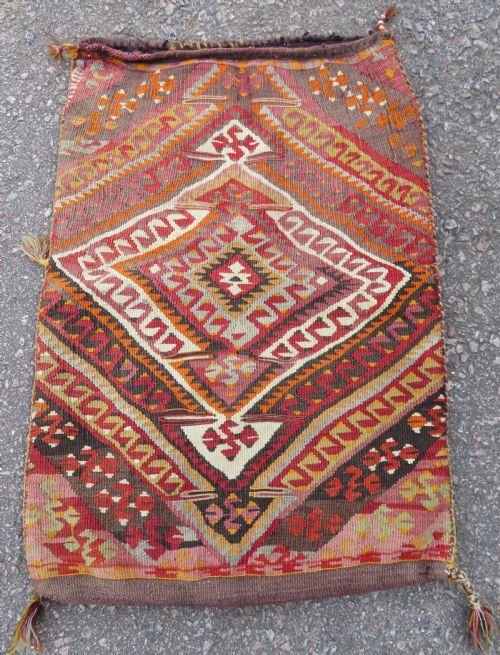
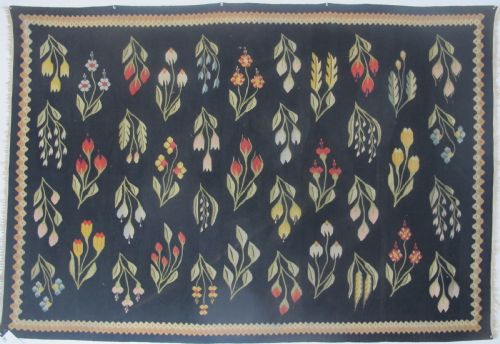
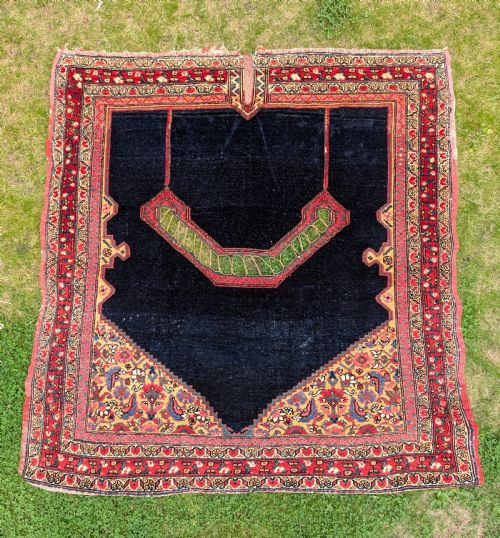
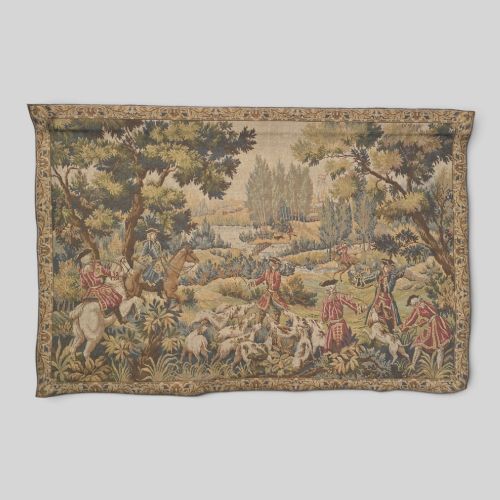
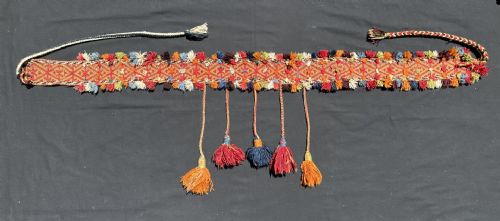
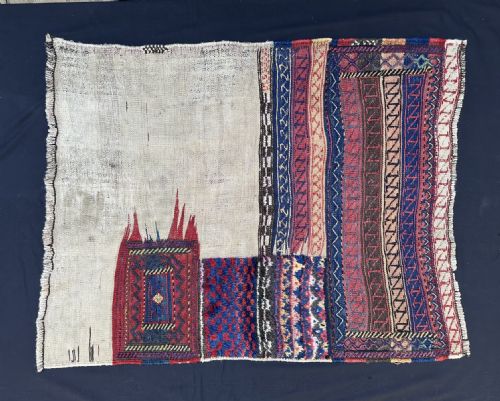
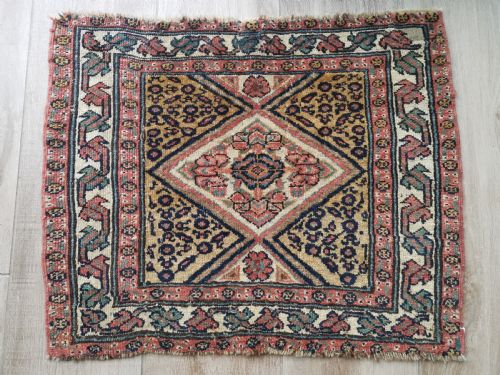
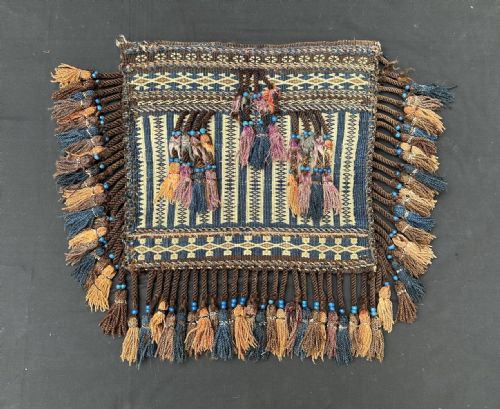
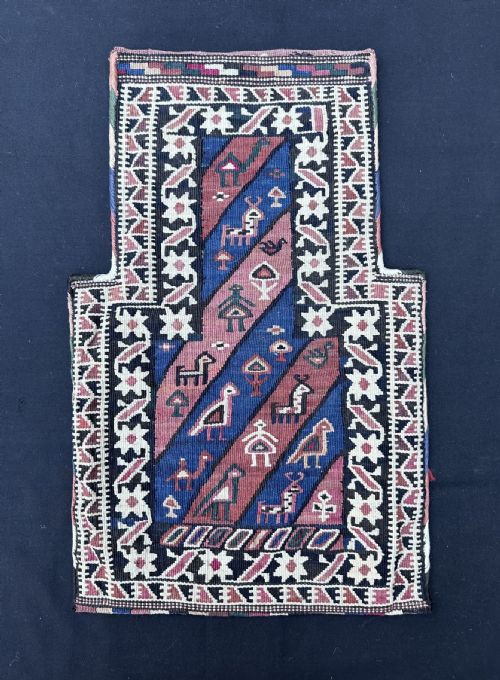
A vintage woven hanging encompasses diverse textile forms, from European tapestry panels to tribal bag faces and horse covers originating across Persia, Central Asia, and Romania. These pieces arrive in various formats, including framed panels, mounted fragments, and complete woven pouches.
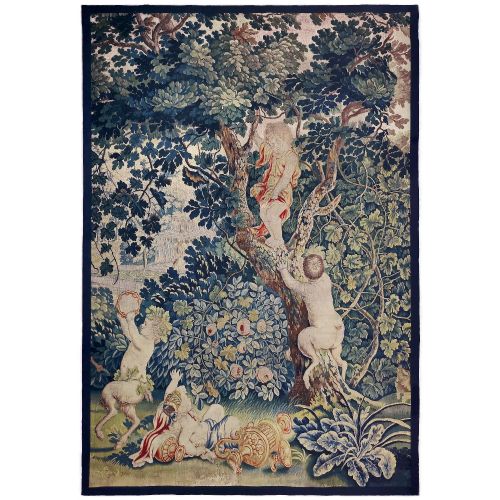
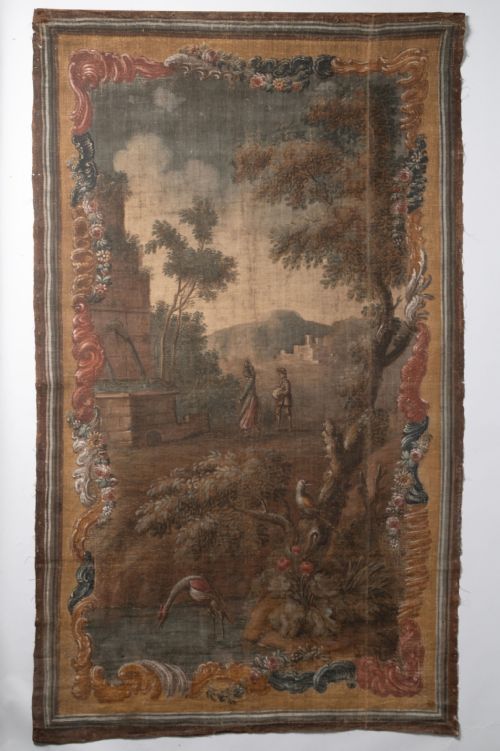
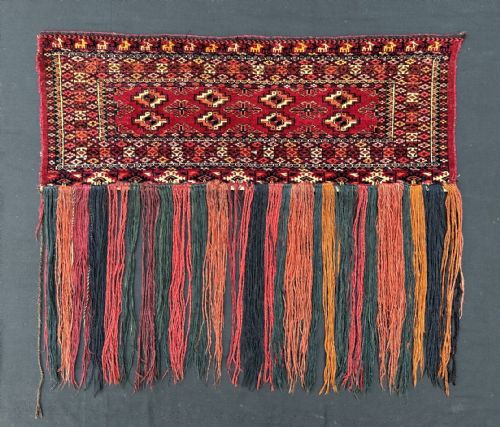
The selection ranges from seventeenth-century verdure designs and eighteenth-century Aubusson works to nineteenth-century nomadic weavings such as Turkmen torbas and Qashqa'i animal trappings. Buyers encounter both monumental wall tapestries and smaller tribal textiles adapted for display.
Rooted in practical domestic or ceremonial use, these items now function primarily as wall art. Their enduring appeal lies in the tactile quality of the weave and the historical narrative carried within each panel.
Materials and construction
Maker execution relies heavily on natural fibres such as wool, cotton, silk, and linen, often combined within a single piece. Artisans deployed hand-spun wool and natural dyes to achieve rich, enduring palettes across tribal and European workshops alike.
Techniques range from intricate tapestry weaving seen in French panels to the dense pile and flatweave structures characteristic of Central Asian nomadic textiles. Some fragments arrive mounted to linen for structural support.
Vintage Woven Hanging Retail Price Guide 2026
Typical asking prices for vintage woven hanging among the pieces listed under this phrase on Sellingantiques today, from the lower quarter to the upper quarter. They describe what is for sale here now, not the wider market.
Regional styles represented include French Baroque, Persian Tribal, and Turkmen nomadic traditions.
Assessing quality and character
Quality separates across the finesse of the design execution and the integrity of the materials. Finely knotted tribal bag faces and meticulously detailed Aubusson panels demonstrate superior precision in comparison to simpler commercial outputs.
The retention of original elements, such as borders, tassels, and plain weave backs, elevates the standing of a textile. Preservation of natural dye depth and structural stability also distinguishes exceptional examples.
The Vintage Woven Hanging Glossary
- Aubusson tapestry
- A woven wall hanging produced in the French town of Aubusson, known for pastoral and floral designs.
- Torba
- A small Turkmen storage bag, typically wider than it is high, woven for domestic use in tents.
- Verdure tapestry
- A European wall hanging featuring a predominant landscape or foliage design, often with trees and animals.
- Asmalyk
- A pentagonal trapping used in Turkmen weddings, hung on the flanks of a bride's camel.
- Kilim
- A flatweave carpet or textile produced by tightly interweaving warp and weft strands without a pile.
Vintage Woven Hanging: Frequently Asked Questions
What is a vintage woven hanging?
A vintage woven hanging is a textile piece created for display or domestic utility, encompassing European tapestries and tribal weavings.
These items range from large wall panels to smaller nomadic bags repurposed for interior decoration.
How were these textiles used originally?
Many pieces served practical functions within nomadic or domestic settings, acting as storage containers, horse blankets, or saddle covers.
European counterparts functioned as decorative wall insulation and prestige art displays in chateaux and homes.
How do I hang a textile securely?
Mounting methods depend on the weight and fragility of the textile, with linen backing providing support for delicate fragments.
Professionals often utilise specialist Velcro strips or custom sleeves to distribute weight evenly across the wall.