






Vintage Wool Tapestry Picture
A vintage wool tapestry picture brings tactile warmth to a wall, combining needlework skill with historical scenes, portraits, and botanical subjects.
Vintage Wool Tapestry Picture
When you search for a vintage wool tapestry picture, you are looking at framed textile art worked in wool, canvas, linen, and silk. These pieces span centuries, from the seventeenth century through the Victorian era and into the nineteen thirties.
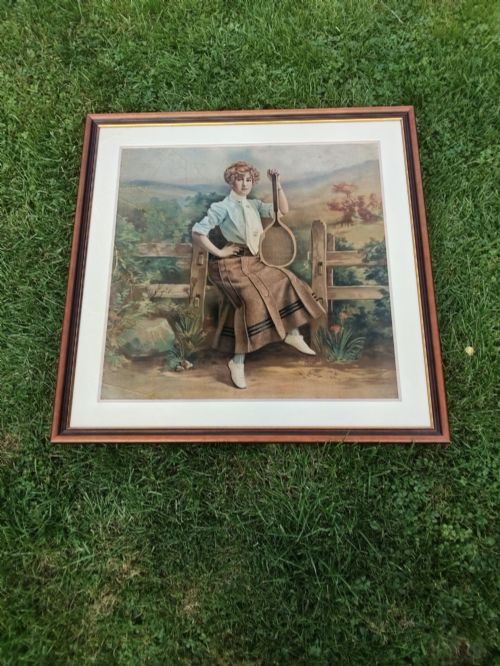
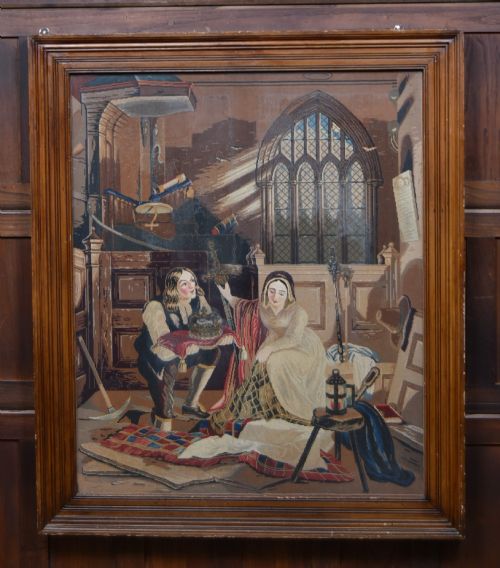
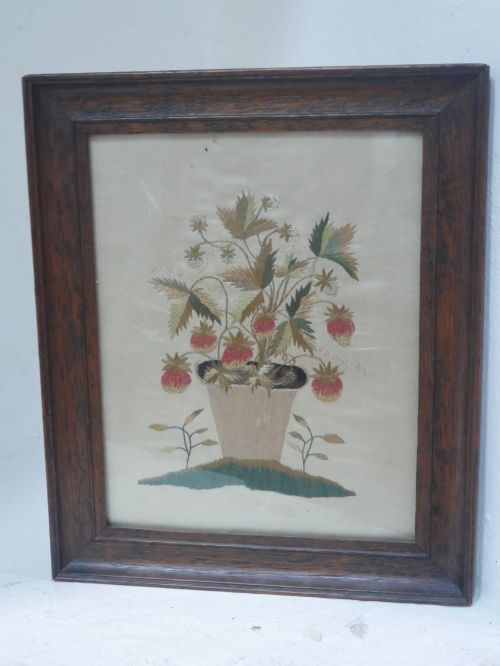
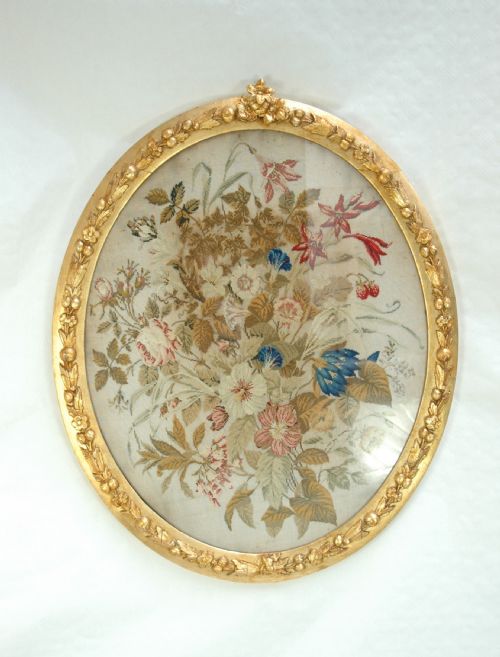
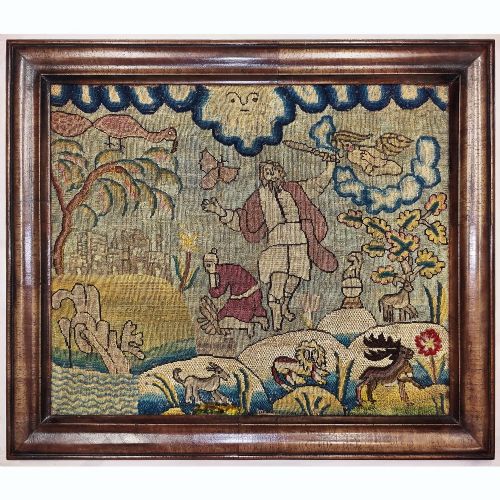
The versions you are most likely to meet on this page include eighteenth-century needlework pictures, nineteenth-century woolwork depictions, and later framed wall art. They often feature subjects ranging from portraits and literary figures to landscapes and botanical studies.
Makers utilised various object types, including framed wall art, needlework pictures, and tapestry cushion covers. Many retain their original wood and glass frames, sometimes incorporating details like seashells or fabric mounts.
What varies in quality
The standard of the stitching and the clarity of the composition determine the visual success of a piece. Finer needlework yields precise facial expressions and detailed botanical forms, whereas simpler execution results in broader, folk art interpretations.
The preservation of the wool colours and the integrity of the original wooden frame influence the overall character. Pieces that retain their early framing without extensive restoration offer a more authentic historical presence.
Vintage Wool Tapestry Picture Retail Price Guide 2026
Typical asking prices for vintage wool tapestry picture among the pieces listed under this phrase on Sellingantiques today, from the lower quarter to the upper quarter. They describe what is for sale here now, not the wider market.
Listings feature works spanning from the seventeenth century through to the nineteen thirties, encompassing Georgian, Victorian, and Arts and Crafts styles.
The Vintage Wool Tapestry Picture Glossary
- Gros-point
- A type of needlepoint embroidery worked on a coarse canvas using wool yarn. It creates a durable, textured surface suitable for heavy pictorial panels and cushions.
- Needlework
- General term for decorative sewing and textile art executed by hand with a needle. In these pieces, it describes pictorial scenes worked in wool and silk.
- Canvas
- A heavy woven fabric used as the foundational ground for stitching. It provides the structural grid upon which the wool threads are counted and anchored.
- Woolwork
- Textile art created primarily using wool yarns, often associated with nineteenth-century sailors or domestic craft. It frequently depicts maritime subjects, animals, or historical figures.
Vintage Wool Tapestry Picture: Frequently Asked Questions
How do I hang a tapestry picture safely?
Support the weight of the piece securely using appropriate wall fixings rather than relying on light picture wire alone. Ensure the frame is sound and the glass is clean to protect the textile.
Keep the textile away from direct sunlight and damp walls to prevent the wool fibres from fading or degrading over time. Stable indoor humidity preserves both the fabric and the wooden frame.
What subjects appear in these vintage wool works?
The subjects range widely from historical figures and literary characters to rural landscapes and botanical studies. Portraits of figures such as Napoleon or depictions of Little Red Riding Hood reflect popular visual themes of their respective periods.
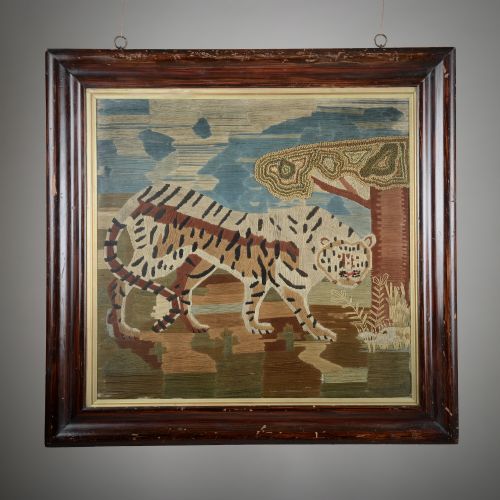
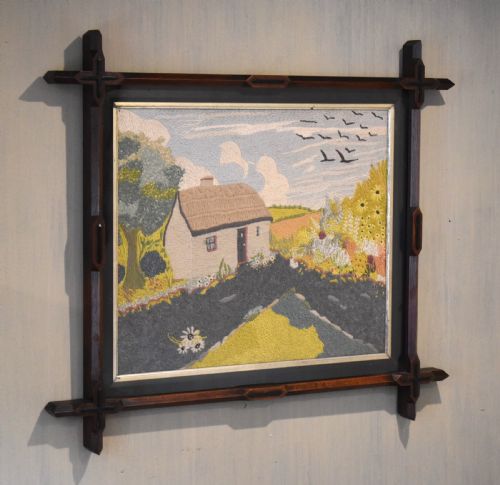
Other examples include depictions of animals, coastal scenes, and traditional pastoral views. Each subject offers insight into the decorative tastes of the century in which it was stitched.
How are eighteenth-century pieces different from Victorian ones?
Eighteenth-century needlework pictures often display refined compositions with delicate stitching and classical or pastoral motifs. They frequently reflect sophisticated needle arts practised in domestic settings of the period.
Victorian examples tend to embrace diverse styles including folk art, Gothic Revival, and detailed botanical or woolwork depictions. The materials and framing techniques evolved alongside changing interior decoration trends throughout the nineteenth century.
Can I clean a wool tapestry picture?
Surface dust can be removed gently with a soft brush, taking care not to snag the wool threads or disturb the canvas ground. Avoid using liquid cleaners or household detergents on the textile itself.
Professional textile conservators should handle any deep cleaning or restoration work. Incorrect moisture application can shrink the wool and warp the original wooden frame.