



Vintage Wool Passage Rug
A vintage wool passage rug brings warmth and historic pattern to narrow spaces, offering durable floor covering through centuries of traditional weaving.
Vintage Wool Passage Rug
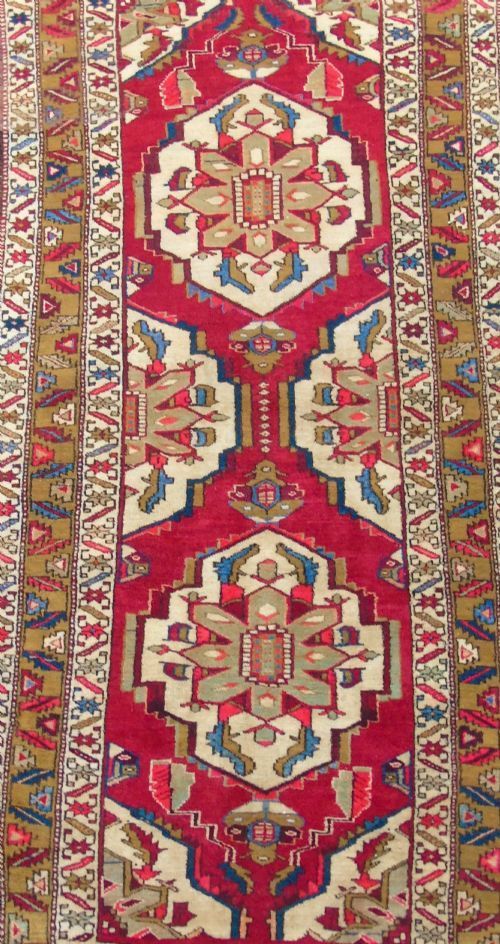
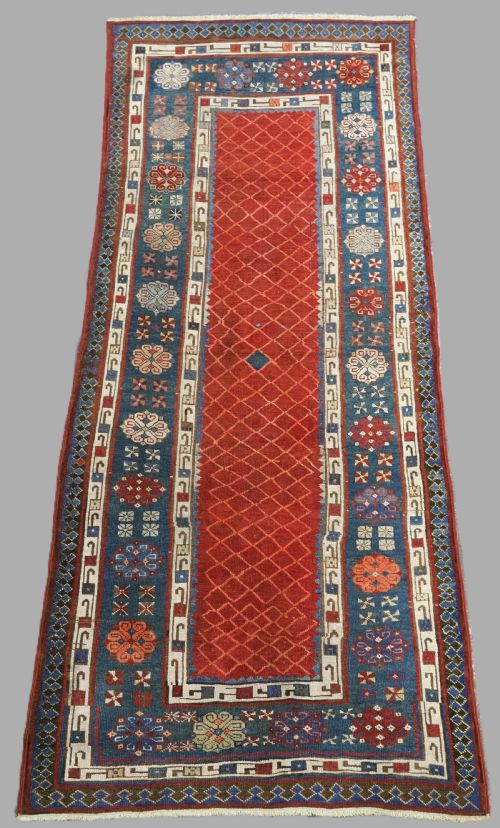
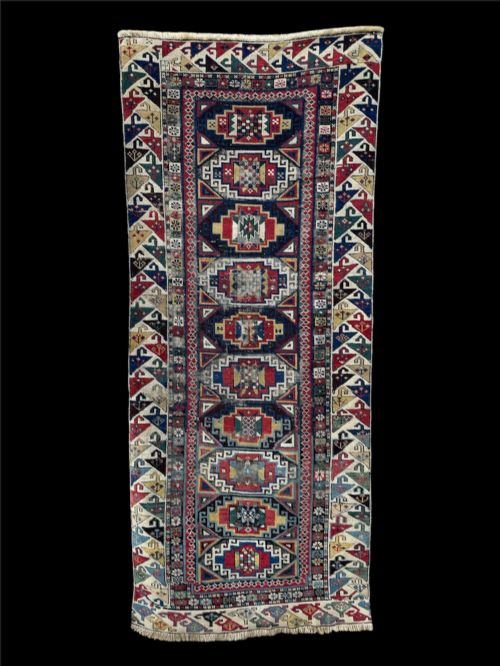
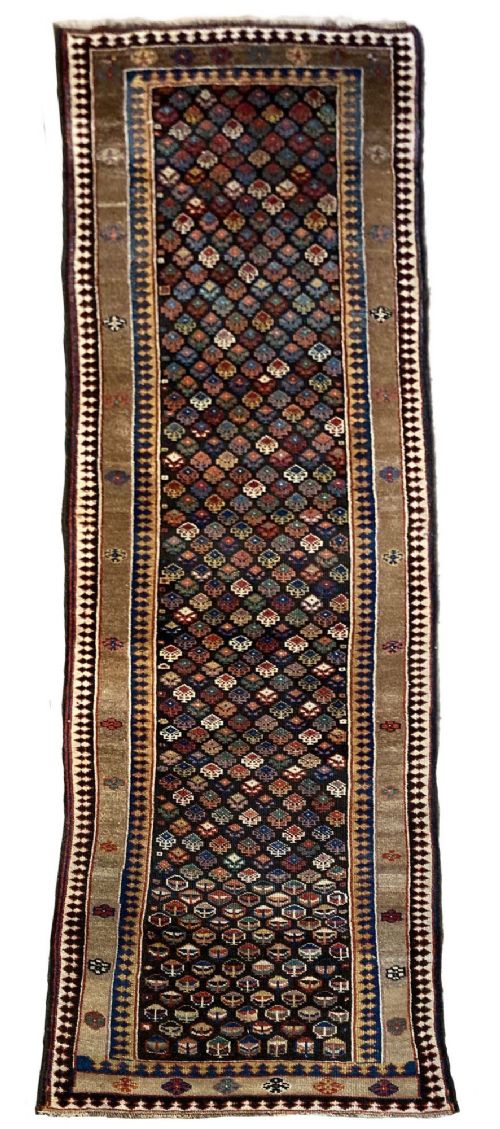
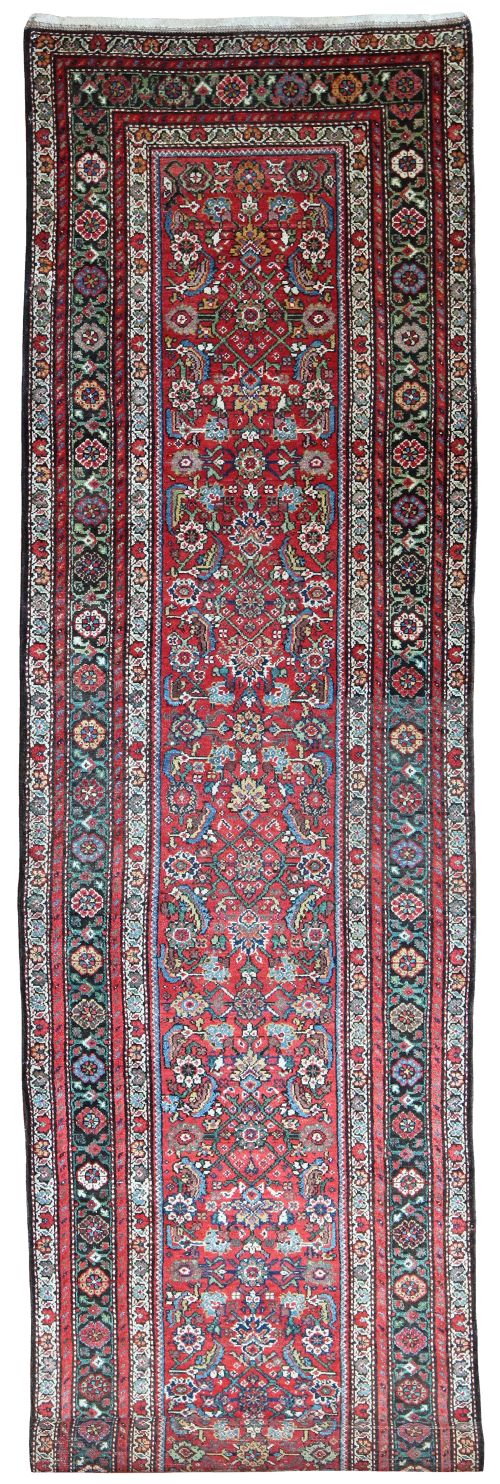
A vintage wool passage rug takes the form of a long and narrow runner designed for hallways, staircases, and corridors. These textiles originate from diverse regions, including Persian and Caucasian weaving centres, spanning the nineteenth and early twentieth centuries.
The selections available here emphasise traditional runner formats, often featuring repeated motifs along extended dimensions suited for domestic circulation areas. Buyers encounter pieces attributed to specific tribal and regional groups such as Heriz, Kurdish, Shirvan, and Talish.
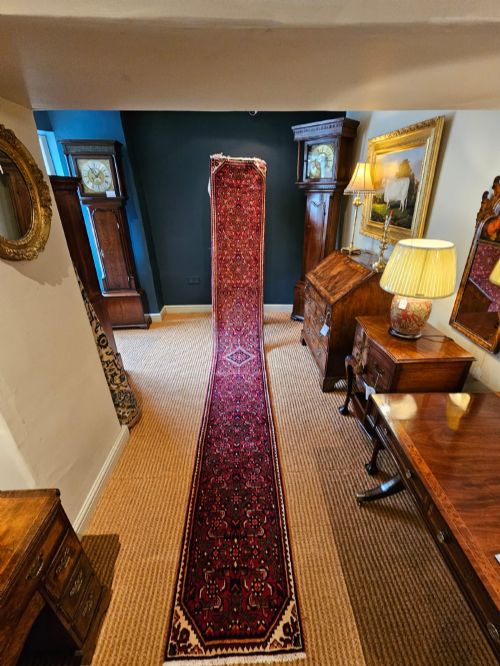
Formats range from modestly proportioned lengths to exceptionally extended gallery carpets, reflecting the varied architectural demands of historic homes. Wool serves as the primary medium across these varied geographic origins.
Materials and Construction
Weavers constructed these textiles predominantly using wool for the pile and foundation elements, frequently incorporating cotton for structural warp and weft threads. Hand-knotting techniques secured the wool fibres tightly to create resilient surfaces capable of withstanding heavy foot traffic.
Dyers utilised natural and early synthetic colourants to achieve the distinct blue, ivory, olive green, and mellow tones visible across the pieces. The combination of dense wool pile and sturdy foundations ensured structural longevity for long, narrow formats.
Vintage Wool Passage Rug Retail Price Guide 2026
Typical asking prices for vintage wool passage rug among the pieces listed under this phrase on Sellingantiques today, from the lower quarter to the upper quarter. They describe what is for sale here now, not the wider market.
Some runners stretch to extraordinary lengths exceeding twelve metres, built for grand historic corridors.
Distinctions in Quality
Quality in these runners rests upon the precision of the knotting, the integrity of the wool pile, and the complexity of the regional design. Finer examples display tightly packed knots that preserve intricate geometric or floral patterns with distinct clarity.
The preservation of original selvedges and ends indicates superior structural survival over decades of domestic use. Pigment depth and the harmonious balance of natural dye variations also separate exceptional examples from standard specimens.
The Vintage Wool Passage Rug Glossary
- Runner
- A long, narrow carpet format specifically proportioned for corridors, hallways, and staircases. These pieces measure significantly longer than their width.
- Pile
- The vertical or slanted loops of wool that form the usable surface of the rug. Dense pile contributes to longevity and pattern definition.
- Warp
- The stationary longitudinal threads stretched onto a loom that form the structural foundation of the textile. Cotton and wool commonly serve this purpose.
- Weft
- The horizontal threads passed across the warp threads to bind the knots in place. This material secures the structure of the woven field.
- Boteh
- A traditional decorative motif resembling a curved almond or paisley shape. This symbol appears frequently in Persian and regional weaving traditions.
Vintage Wool Passage Rug: Frequently Asked Questions
Where should I place a long runner?
These pieces suit high-traffic circulation areas such as hallways, entryways, and corridors where narrow floor coverings soften hard surfaces.
They also adapt well to staircases, provided the dimensions match the run of the steps.
How do I identify a Persian runner?
Persian pieces typically feature intricate floral or medallion layouts associated with established weaving towns and regional traditions.
Characteristics often include finely spun wool and complex border systems framing the central field.
What defines a Caucasian runner?
Caucasian examples generally display bold geometric patterns, striking colour contrasts, and angular tribal motifs.
These rugs frequently originate from nineteenth-century weaving groups in regions such as Shirvan, Kuba, and Talish.
How do I care for antique wool runners?
Routine maintenance involves gentle vacuuming without rotary brush attachments to protect the historic wool pile.
Professional cleaning suited for antique textiles preserves the integrity of the natural fibres and dyes.