

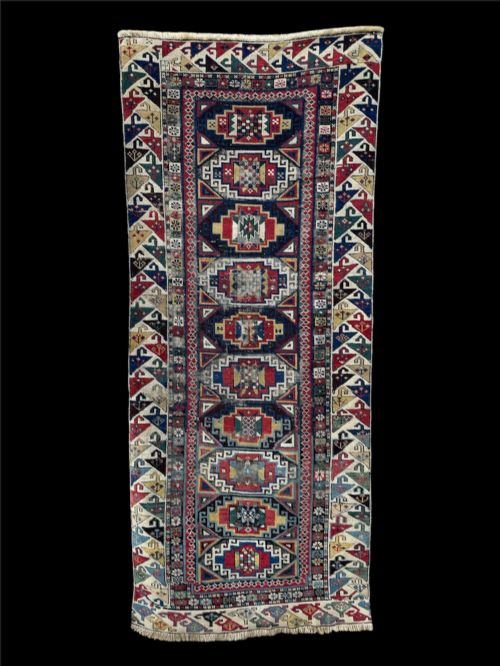


Traditional Shirvan Carpet Runner
Traditional Shirvan carpet runner examples are hand-woven Caucasian textiles that bring geometric distinction and rich wool texture to narrow floor spaces.
Traditional Shirvan Carpet Runner
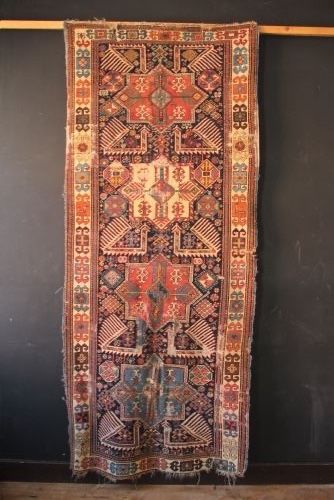
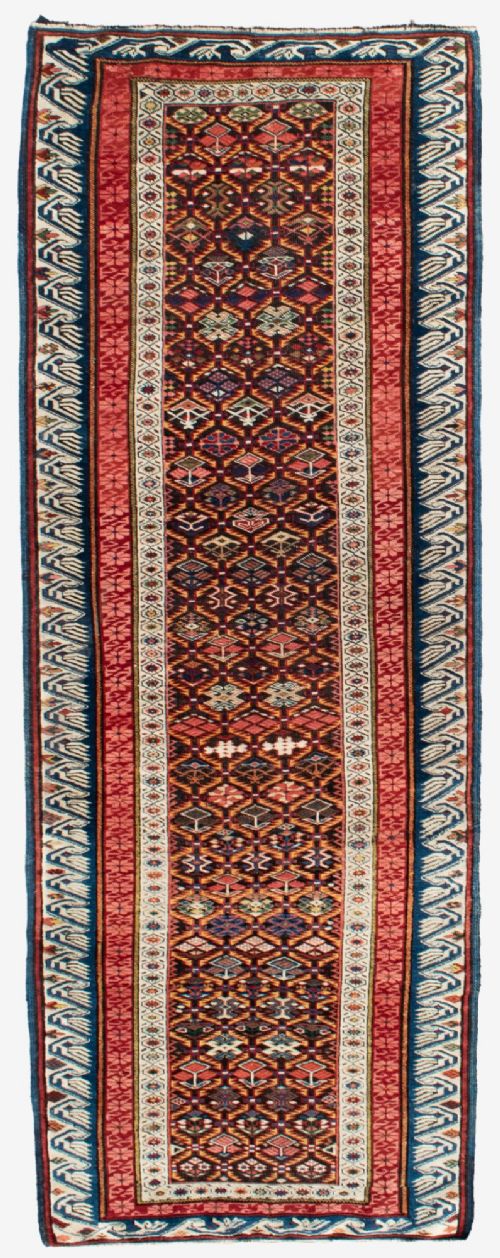
Traditional Shirvan carpet runner pieces represent a specific lineage of Caucasian tribal weaving originating from the Eastern Caucasus during the nineteenth and early twentieth centuries. When searching for a traditional shirvan carpet runner, collectors encounter elongated formats designed specifically for hallways, corridors, and narrow rooms. These textiles emerge from regional traditions encompassing Shirvan, Seychor, Kuba, Talish, and Baku workshops or village looms.
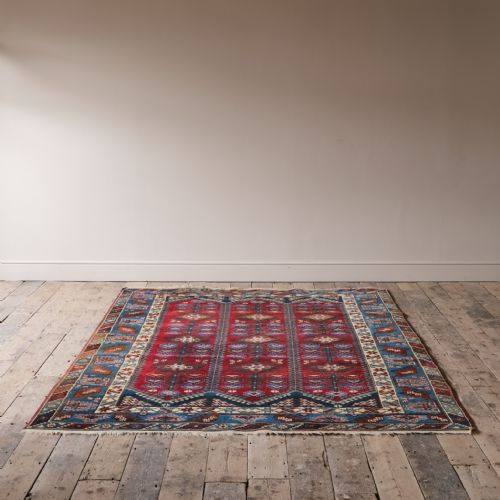
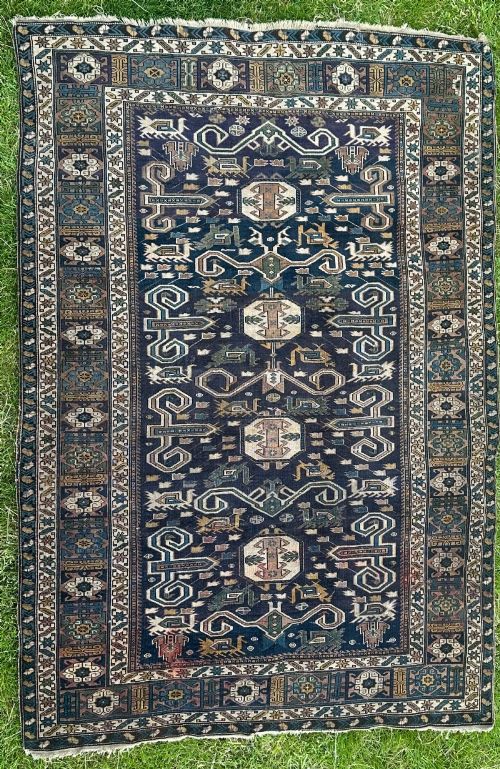
The surviving inventory spans several decades from the late nineteenth century up to the 1910s, capturing a period of traditional regional design before commercial standardised production dominated. Alongside classic runners, related formats include narrow rugs, long rugs, saddle bags, kilims, and fragments that share the same Caucasian aesthetic vocabulary. Each piece displays distinct local motifs, ranging from star and lattice patterns to bold geometric field arrangements.
How they were made
Weavers constructed these traditional Shirvan carpet runner pieces using natural materials native to the Caucasian region, predominantly wool and hand-spun wool pile set upon cotton foundations. The use of hand-spun wool yields a varied texture and allows natural dyes to absorb unevenly, creating the characteristic abrash effect valued by textile connoisseurs. Individual knots secure the pile firmly to the warp and weft threads, ensuring structural durability across decades of daily use.
The technical execution relies on tribal knotting techniques passed down through generations in Eastern Caucasus communities. Weavers incorporated cotton for structural stability in foundations while utilising resilient wool for the surface pile, balancing structural integrity with tactile warmth.
Traditional Shirvan Carpet Runner Retail Price Guide 2026
Typical asking prices for traditional shirvan carpet runner among the pieces listed under this phrase on Sellingantiques today, from the lower quarter to the upper quarter. They describe what is for sale here now, not the wider market.
Some antique runners began life as saddle bags, later finding new purpose as narrow floor coverings.
What varies in quality
Quality in a traditional Shirvan carpet runner stems from the precision of the knot density, the clarity of the geometric design, and the vibrancy of the palette. Finer knotting allows intricate lattice work, star motifs, and sharp border details to remain crisp and legible against the field. The condition of the wool pile, the presence of original borders, and the depth of natural colour saturation further distinguish exceptional examples from standard production.
The provenance and regional attribution also influence the standing of a piece within this category, with specific regional designs like Baku or Seychor carrying distinct stylistic weight. Integrity of the textile structure, minimal restoration, and preservation of the original ends and selvedges elevate the standard of preservation.
The Traditional Shirvan Carpet Runner Glossary
- Shirvan
- A region in the Eastern Caucasus renowned for distinctive geometric rugs and runners. Shirvan weaving is characterised by structured tribal layouts and balanced colour palettes.
- Pile
- The upright yarn loops forming the soft surface of the carpet. In these pieces, hand-spun wool pile provides both durability and rich texture.
- Warp
- The vertical foundation threads stretched tightly on the loom before knotting begins. Cotton is frequently utilised for these strong structural elements.
- Weft
- The horizontal threads passed across the warp threads between rows of knots to bind the structure. Together with the warp, the weft forms the supportive grid of the textile.
- Abrash
- Variation in colour shading across the wool field caused by differences in dye batches or hand-spun yarn. This natural characteristic adds visual depth and authenticity to antique tribal rugs.
- Kilim
- A flat-woven carpet produced without a raised pile surface. Shirvan kilims utilise tight interlock weaving techniques to create sharp geometric patterns.
Traditional Shirvan Carpet Runner: Frequently Asked Questions
How do I clean a fragile antique runner?
Gentle surface vacuuming without a beater bar removes loose dirt from the wool pile safely.
Professional specialist cleaning is required for deeper maintenance to protect natural dyes and fragile cotton foundations.
Can these antique runners handle hallway foot traffic?
Traditional Shirvan carpet runner pieces were built for practical domestic use with sturdy wool and resilient foundations.
Using a quality underlay cushions the textile and prevents slipping in busy corridors.
What defines Caucasian tribal design?
The aesthetic relies on bold geometry, structured medallions, star motifs, and strict border arrangements.
These patterns reflect the cultural heritage and traditional symbolism of Eastern Caucasus weaving communities.
How do I date an antique Caucasian runner?
Stylistic markers, structural materials like hand-spun wool, and natural dye characteristics provide reliable chronological clues.
Most pieces date from the nineteenth century up to the early twentieth century based on weave structure and palette.