

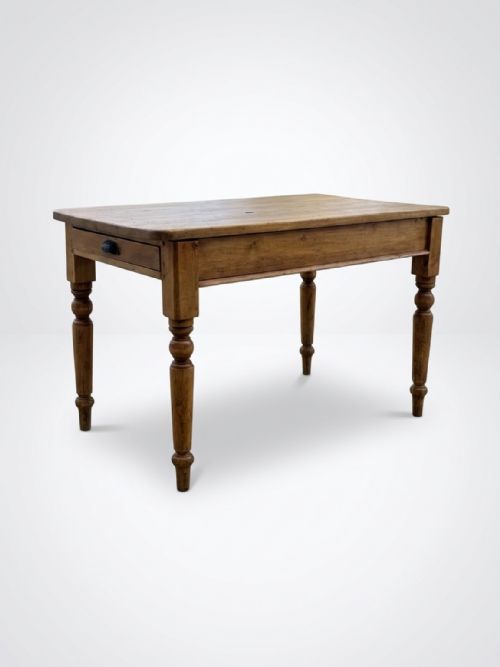
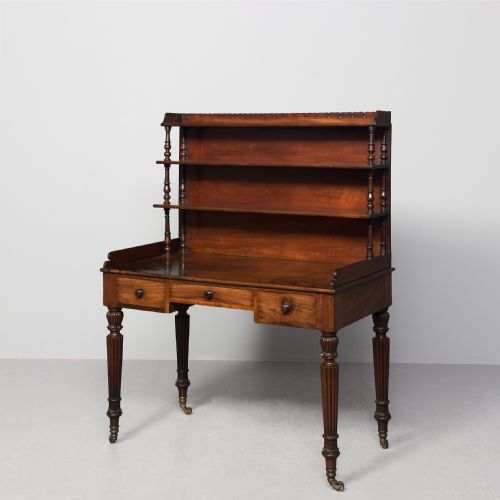
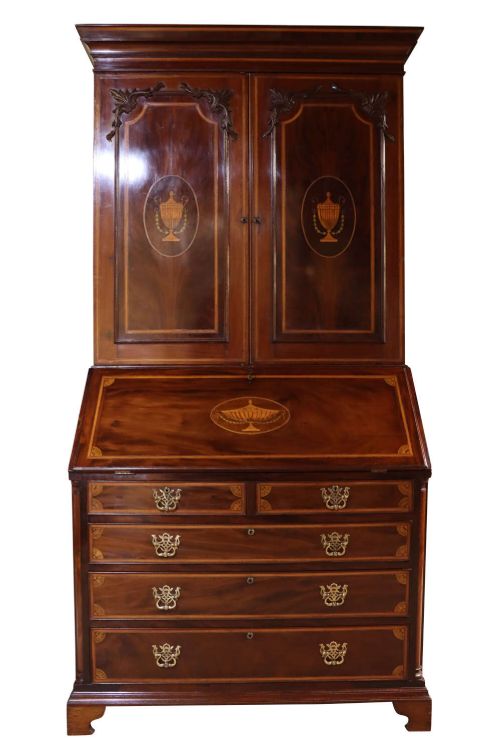
Vintage Wooden Writing Desk
A vintage wooden writing desk brings traditional character to a room, offering practical surface space shaped by periods from the eighteenth century to the twentieth.
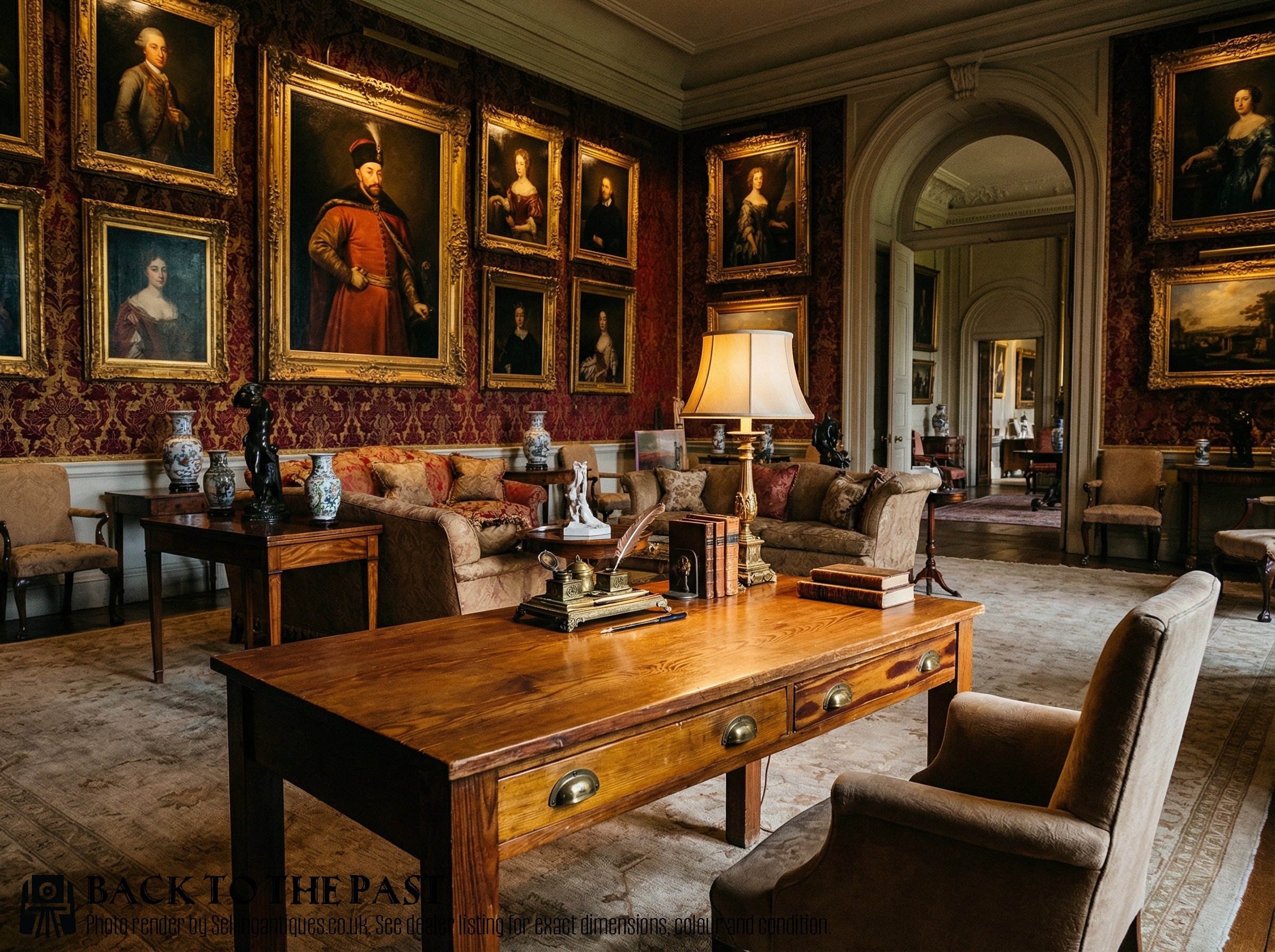
Vintage Wooden Writing Desk
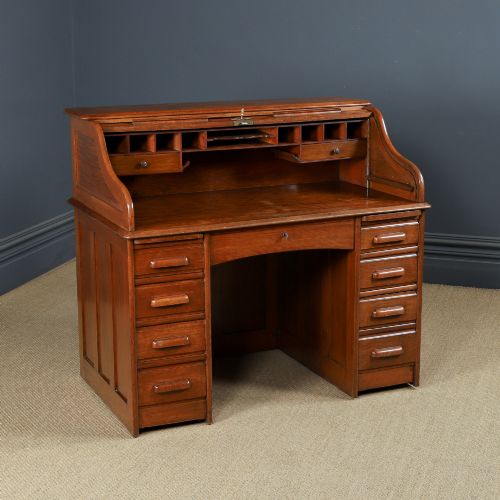
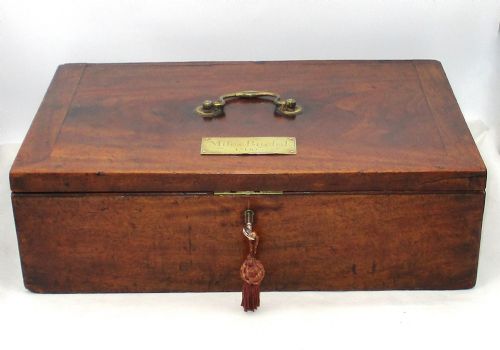
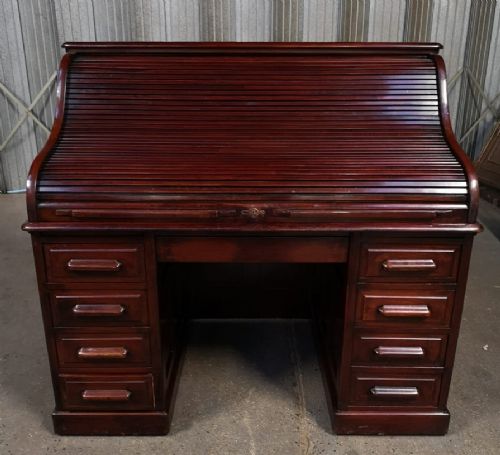
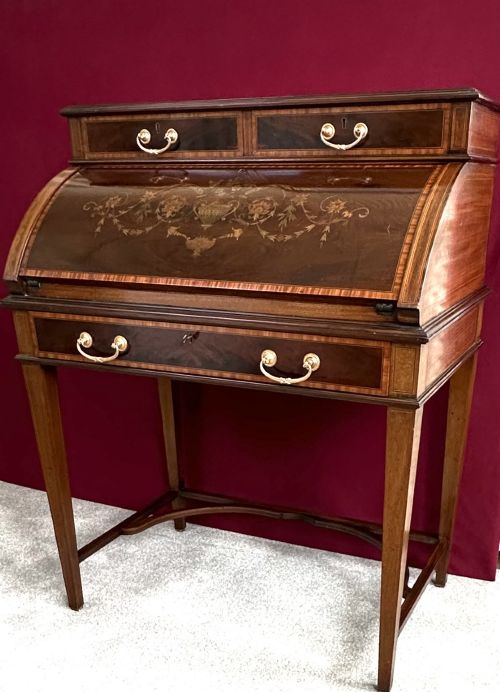
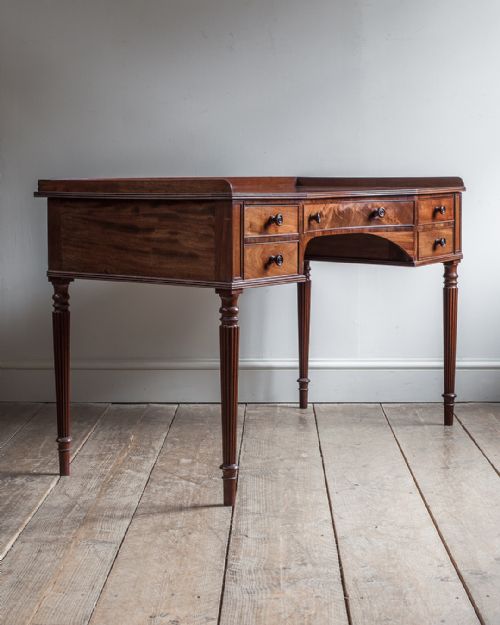
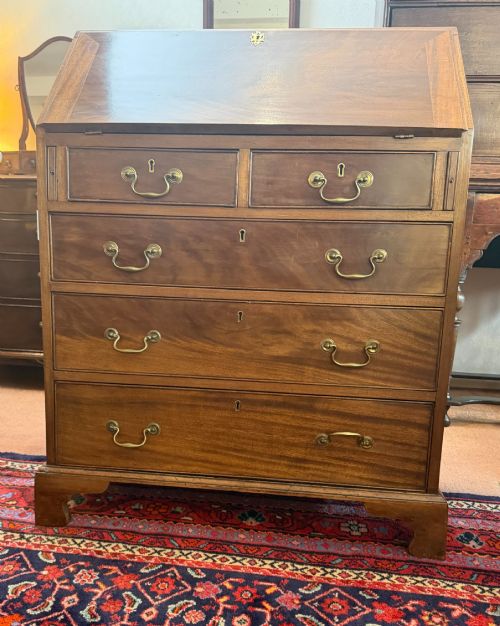
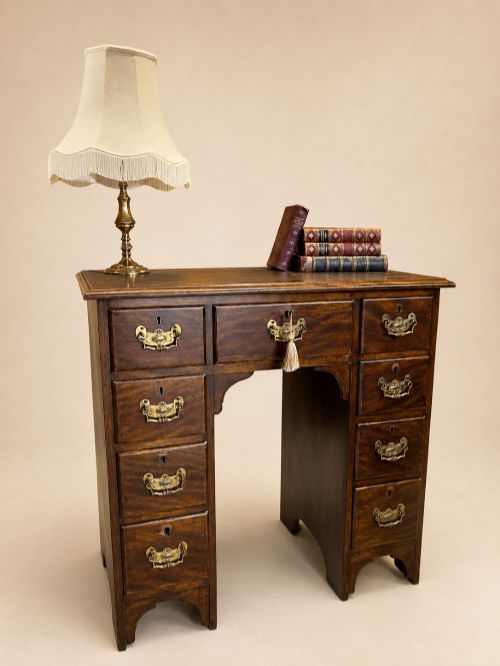
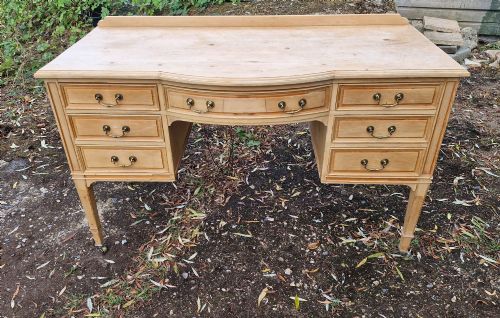
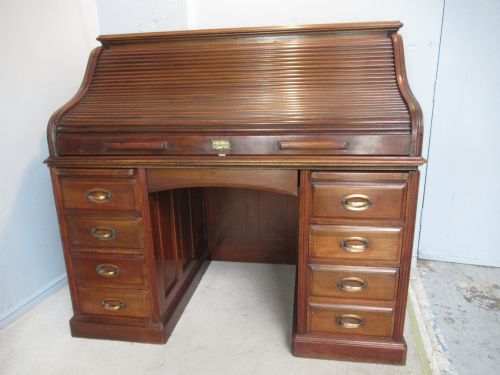
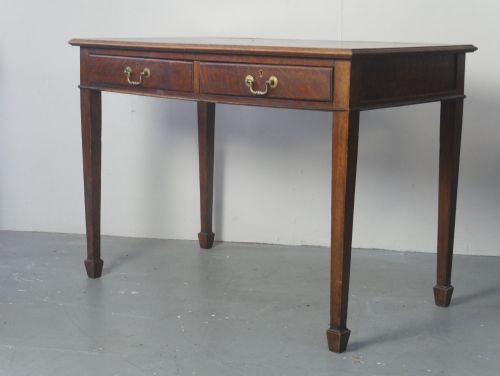
When buyers search for a vintage wooden writing desk, they encounter a diverse selection of utilitarian and formal forms spanning the Georgian, Victorian, and Edwardian eras. The listings here showcase everything from compact fall-front bureaux and portable writing slopes to substantial oak roll-top desks and twin pedestal kneehole tables.
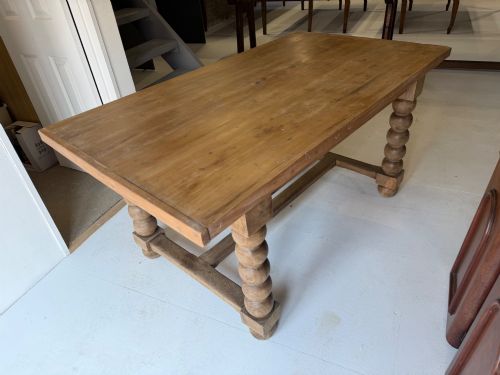
Mahogany and oak dominate the selection, accompanied by walnut, pine, and satinwood examples. Forms range from rustic farmhouse pine tables to refined Regency and Arts and Crafts creations, reflecting the varied domestic needs of past centuries.
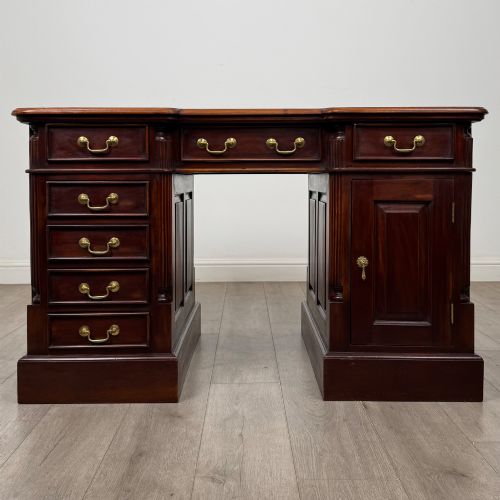
The version most commonly met on this page is the nineteenth-century mahogany pedestal desk or Edwardian writing table, often fitted with drawers and leather writing surfaces. These pieces demonstrate the enduring appeal of traditional timber furniture for modern studies and living spaces.
How they were made
Cabinet makers utilised solid timbers such as mahogany, oak, walnut, and pine, frequently pairing them with veneers and contrasting inlay work. Secondary woods provided structural stability for drawer linings and internal dividers.
Construction techniques combined traditional joinery with specialised mechanisms like cylinder rolls, fall fronts, and tambour shutters. Brass handles, escutcheons, campaign mounts, and fitted leather inserts completed the functional design of these working pieces.
Vintage Wooden Writing Desk Retail Price Guide 2026
Typical asking prices for vintage wooden writing desk among the pieces listed under this phrase on Sellingantiques today, from the lower quarter to the upper quarter. They describe what is for sale here now, not the wider market.
Periods represented across the inventory include the eighteenth century, Georgian era, Victorian period, and Edwardian era.
What varies in quality
The distinction between tiers rests upon the selection of timber figure, the precision of the dovetail joinery, and the integrity of the original hardware. Superior examples display carefully chosen mahogany or burr walnut grains and retaining labelled maker credentials.
Proportion and internal complexity further separate standard items from superior works. Desks featuring fitted stationery compartments, concealed writing slides, and integrated leather writing surfaces demonstrate a higher degree of initial craftsmanship.
James Mein of Kelso·Heals of London·Arthur Basil Reynolds·Hobbs and Co
The Vintage Wooden Writing Desk Glossary
- Bureau
- A writing cabinet featuring a hinged sloping flap that drops to reveal a fitted interior of small drawers and pigeonholes.
- Campaign slope
- A portable writing box reinforced with brass corners and straps, designed for transport during military campaigns.
- Kneehole desk
- A freestanding desk with a central recess for the legs, flanked by pedestals containing banks of drawers.
- Roll top desk
- A writing desk featuring a flexible tambour shutter of narrow wooden slats that slides vertically to enclose the working surface.
- Lowboy
- A small oak or walnut table with drawers, originating in the eighteenth century and used for writing or dressing.
- Inlay
- A decorative technique where contrasting materials such as satinwood or boxwood are inserted into recesses within the primary timber surface.
Vintage Wooden Writing Desk: Frequently Asked Questions
What is a pedestal desk?
A pedestal desk is a heavy freestanding office or library table supported by two vertical columns of drawers. A central kneehole sits between these pedestals for the user.
Such desks often include leather inset writing surfaces and pull-out slides for additional papers.
How do I date an antique desk?
Dating relies on examining the timber species, construction methods, handles, and overall style. Georgian pieces show different proportions and drawer linings compared to later Victorian or Edwardian examples.
Cabinet maker labels and secondary woods also provide clear clues to the decade of manufacture.
Where were writing slopes used?
Writing slopes served as portable desks for travellers, officers, and writers before modern stationary offices became standard. They contained compartments for inkwells, pens, and paper.
Owners placed them on dining tables or side tables to write correspondence while away from home.
What is a fall-front bureau?
A fall-front bureau uses a hinged writing flap that pulls down into a horizontal position for working. When closed, the flap conceals small pigeonholes and internal letter drawers.
This form saved domestic space by combining storage and writing functions in a single tall cabinet.