



Vintage Wooden Wine Cooler
A vintage wooden wine cooler brings period character to a room, holding bottles or plants with sturdy traditional craftsmanship.
Vintage Wooden Wine Cooler
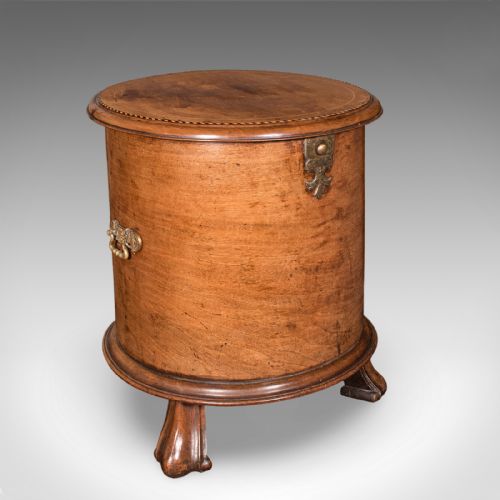
A vintage wooden wine cooler encompasses forms such as cellarettes, coopered buckets, and planters dating from the eighteenth century to the early twentieth century. These pieces originate across Georgian, Regency, Victorian, and Edwardian periods, reflecting the shifting domestic habits of affluent households.
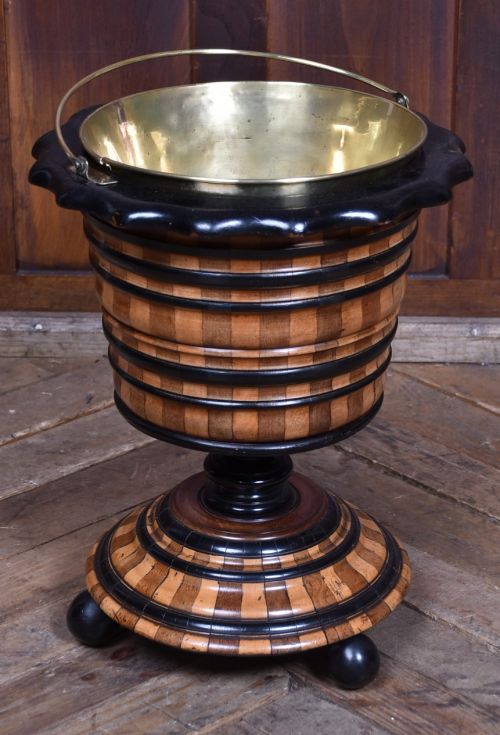
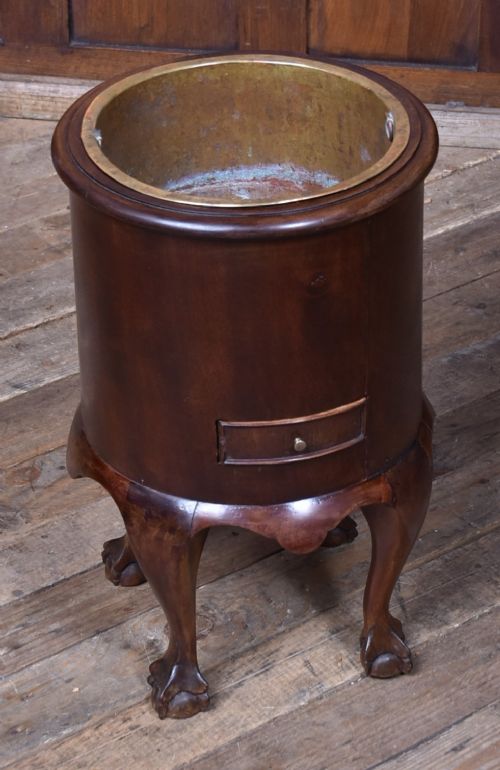
Mahogany and oak dominate the available selection, often enhanced by contrasting walnut, satinwood, ebony, and box tree timbers. Many examples incorporate metal linings in zinc, brass, or copper to hold ice and water securely.
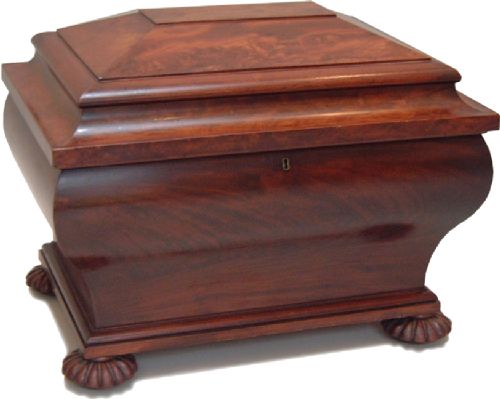
Makers and workshops constructed these items to serve as functional dining room accessories or decorative plant stands. The surviving inventory reveals sarcophagus shapes, boat-shaped vessels, and cylindrical barrels resting on dedicated stands or floor surfaces.
Materials and construction methods
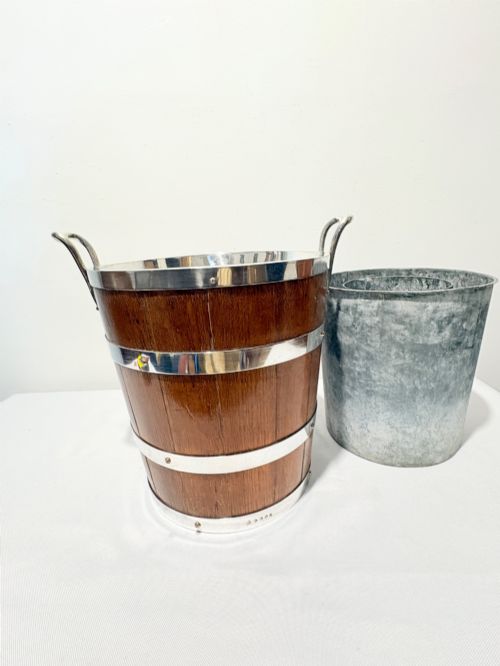
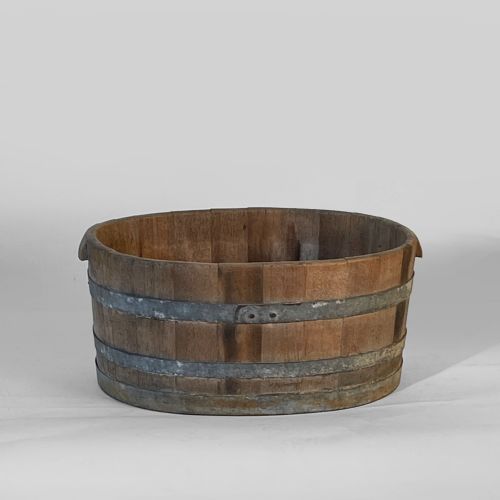
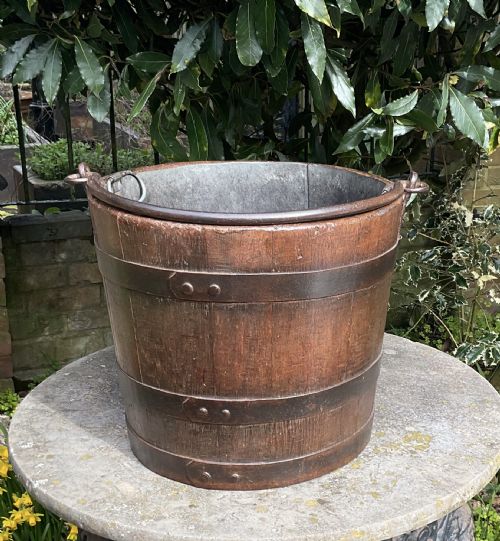
Cooperage techniques define many wooden coolers, utilising tight staves of oak, mahogany, or teak bound together by strong bands of brass, copper, or iron. This method derives from barrel-making traditions, ensuring watertight integrity for holding ice and bottles.
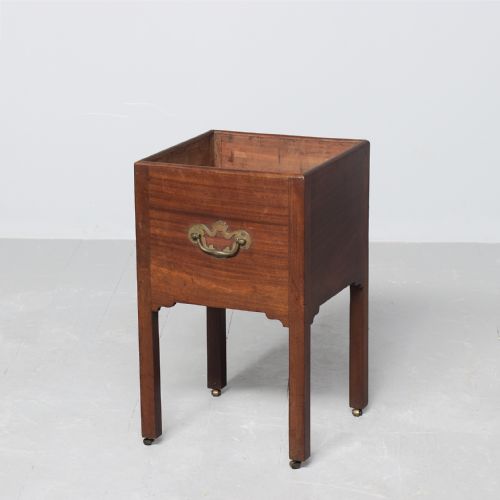
Cabinetmakers utilised solid and veneered timbers such as mahogany, walnut, and satinwood, often applying intricate inlay work or carved details during the Georgian and Regency eras. Metal liners in zinc and brass protected the surrounding timber from moisture damage.
Coopered construction appears across multiple centuries, linking traditional barrel-making techniques directly to domestic wine storage.
Assessing quality in antique coolers
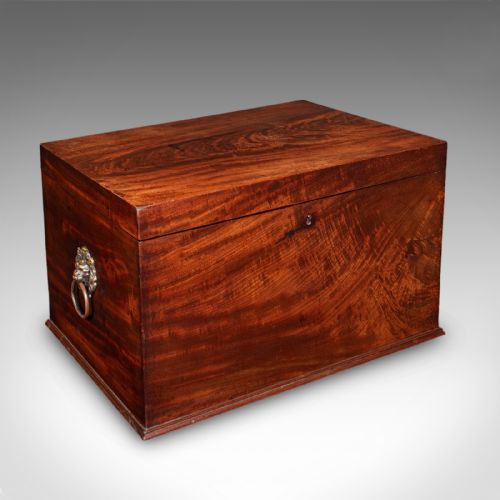
The distinction between standard utility items and superior examples lies in the selection of timber and the precision of the cooperage or cabinet work. Finely figured mahogany, well-matched wood grains, and substantial brass mounts indicate higher workshop standards.
Original internal metal liners and intact locking mechanisms or original stands elevate the standing of a piece. Subtle decorative elements, such as precise inlay or carved mouldings, separate standard production items from bespoke commissions.
Gillingtons·Freemans of Norwich
The Vintage Wooden Wine Cooler Glossary
- Cellarette
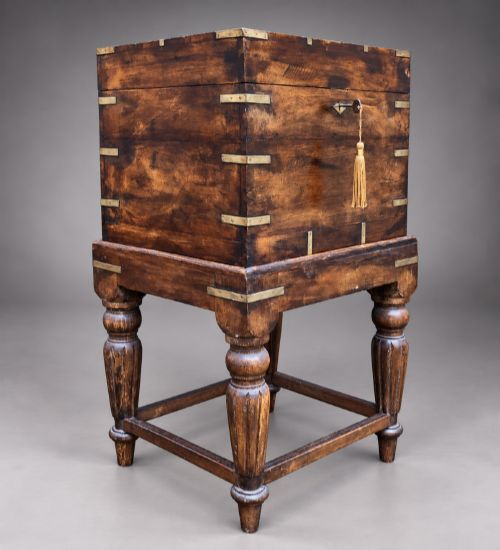
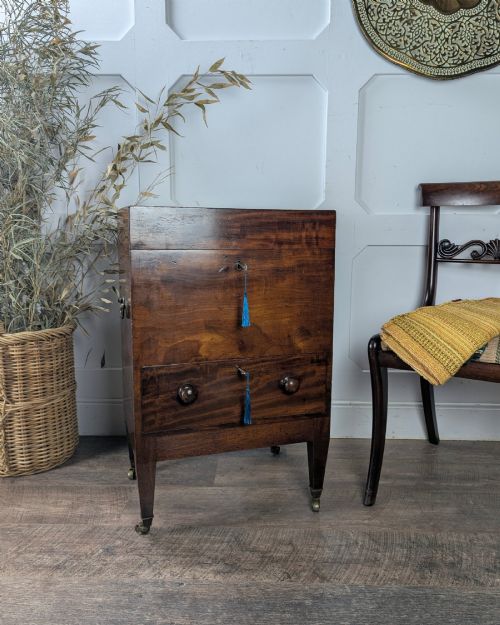
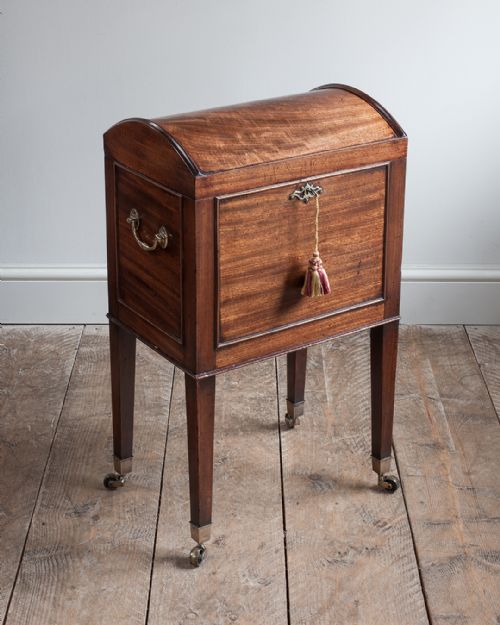
- A lockable container used for storing wine and spirits within a dining room. These vessels often sit on low legs or stands and date predominantly from the Georgian and Regency periods.
- Coopered
- Built from wooden staves joined edge to edge and bound with metal hoops, much like a barrel. This traditional construction method prevents leaks in items meant to hold water and ice.
- Sarcophagus
- A monumental, coffin-like box shape popular for Regency and Victorian wine coolers. These pieces frequently feature carved paw feet and hinged lids.
- Jardiniere
- An ornamental stand or receptacle designed to hold plants or flowers. In many listings, these share forms with wine coolers and feature waterproof metal linings.
- Teestoof
- A traditional Dutch warming vessel often adapted for use as a planter or wine cooler. These items commonly incorporate rich timbers and heavy brass or copper bands.
Vintage Wooden Wine Cooler: Frequently Asked Questions
What is the difference between a cellarette and a wine cooler?
A cellarette specifically refers to a lockable box or chest designed to hold bottles securely in a dining room. Wine coolers encompass a broader category that includes open buckets, planters, and tubs used for chilling bottles or displaying plants.
While both terms overlap in historical listings, cellarettes generally emphasise secure storage with fitted interiors, whereas coolers focus on open access to ice and water.
How were these coolers used historically?
Wealthy households utilised these wooden vessels in dining rooms to keep wine and spirits chilled near the table before service. Servants filled the internal metal liners with ice and water to lower the temperature of the bottles.
Over time, many of these vessels transitioned into decorative stands for indoor plants and floral arrangements, particularly during the Edwardian period.
Are the metal liners original?
Many surviving pieces retain their original zinc, copper, or brass liners, which protected the surrounding timber from moisture. Some examples have replacement liners fitted during later restorations to maintain their functionality.
Checking the interior reveals whether the metalwork matches the age and wear patterns of the outer wooden staves.
How do I care for a wooden wine cooler at home?
Keep wooden coolers away from direct heat sources and strong sunlight to prevent the timber from drying out and splitting. Regular dusting and occasional application of appropriate furniture wax help maintain the finish of mahogany and oak.
When using the piece for plants or ice, place a protective barrier inside to prevent standing water from damaging the historic interior.