




Georgian Jardiniere
A georgian jardiniere brings living greenery indoors within vessels of mahogany, brass and porcelain designed to display plants with elegance.
Georgian Jardiniere
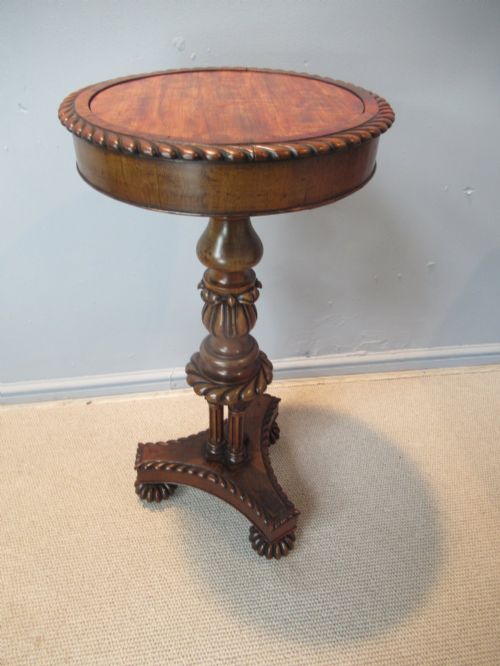
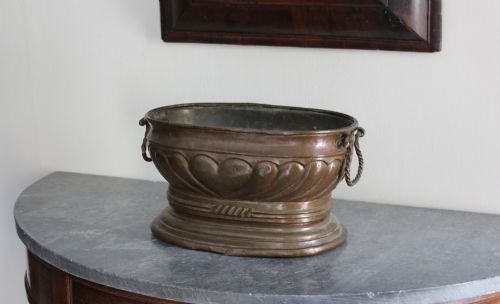
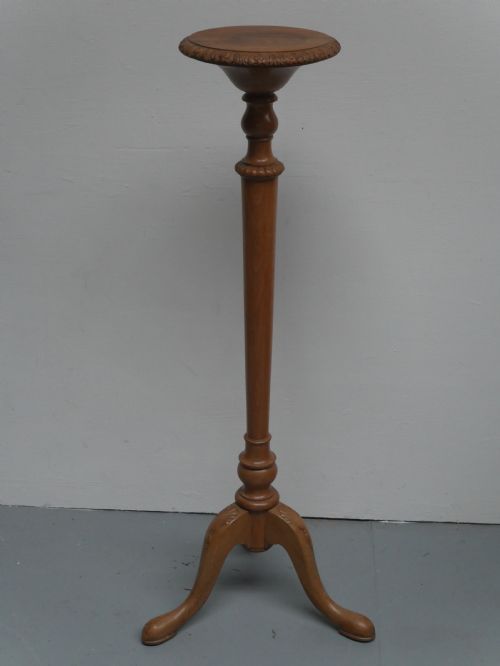
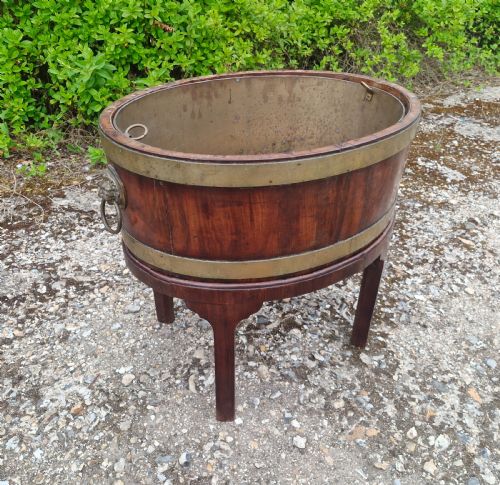
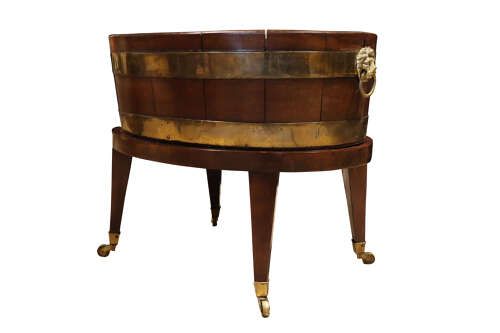
A georgian jardiniere comprises vessel forms made for holding plants and flowers, including planters, cache pots, plant stands and tea stoves. These pieces originate across the Georgian period and subsequent nineteenth century revivals, reflecting domestic tastes in horticulture.
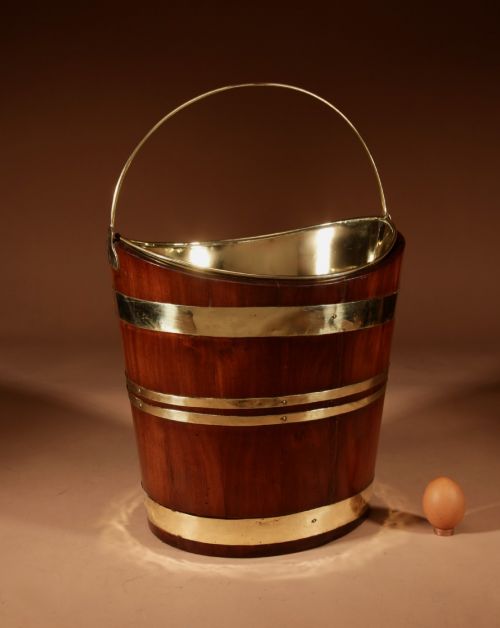
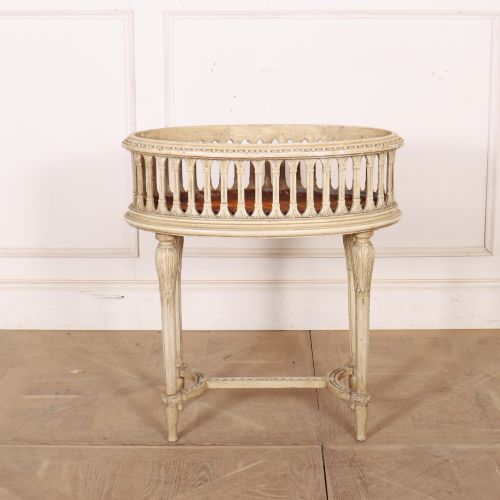
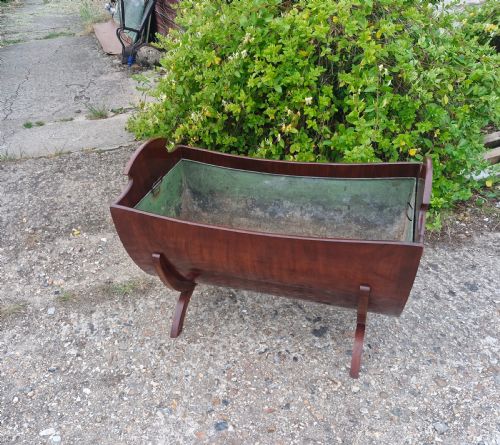
Makers utilised various styles such as Regency, Louis XVI Style and Dutch Georgian to shape these planters. Buyers encounter boat-shaped peat buckets, coopered vessels and tiered stands designed to accommodate greenery or floral arrangements.
How They Were Made
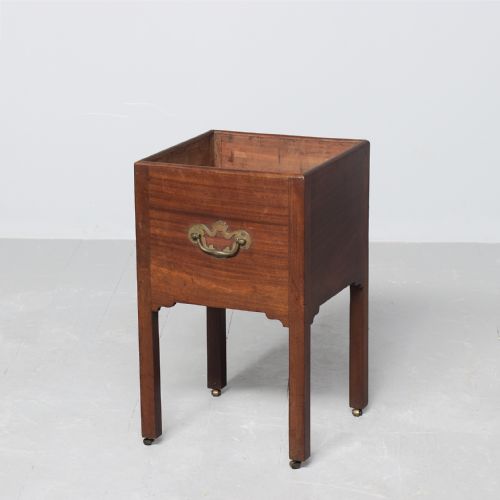
Craftsmen built wooden jardinieres using timber such as mahogany, walnut and satinwood, often employing coopered stave construction for cylindrical buckets and wine coolers. Brass banding, drop handles and metal liners reinforced the structural integrity of pieces holding damp soil and water.
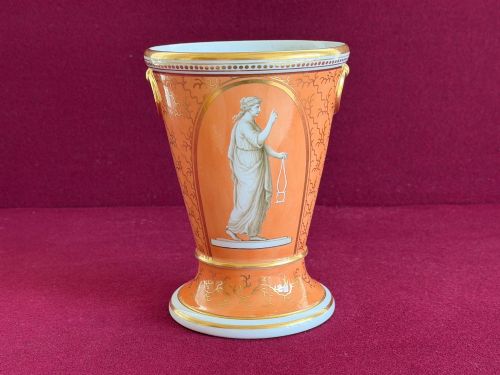
Porcelain examples utilised fine ceramic bodies decorated with painted motifs and blue and white transfers, as seen in factory bough pots and cache pots. Marquetry inlay, giltwood and original paint further embellished specific wooden forms.
Some wooden buckets served various household duties simultaneously, doubling as knitting baskets, tea stoves and plant containers.
What Varies In Quality
Quality rests upon the crispness of timber carving, the precision of brass cooper work and the fidelity of marquetry inlay. Superior examples display carefully selected grain patterns and robust original metal liners rather than later replacements.
Porcelain jardinieres separate themselves through the delicacy of hand-painted decoration and the preservation of matching stands or covers. The integration of decorative elements like faux marble surfaces or giltwood carving defines the upper tier of design execution.
Flight And Barr Worcester·Barr Flight And Barr·Enoch Wood And Sons
The Georgian Jardiniere Glossary
- Jardiniere
- An ornamental pot or stand designed for holding plants or flowers indoors. These vessels range from ceramic cache pots to large wooden coopered tubs.
- Coopered
- Built from vertical wooden staves fitted together and bound by metal hoops, much like a traditional barrel. This technique provided strength for holding heavy damp soil and plants.
- Cache pot
- A decorative flowerpot used to conceal a plain inner pot that holds the plant. Porcelain examples often include matching fitted stands.
- Cellarette
- A lockable container used for storing wine bottles, frequently adapted in period settings to function as a plant holder or jardiniere.
- Tea stove
- A small lidded bucket or tub, sometimes lined with metal, originally used for keeping tea warm on embers but frequently utilised as a small jardiniere or peat bucket.
- Bough pot
- A decorative ceramic vessel pierced or shaped specifically for holding cut branches and floral displays inside the home.
Georgian Jardiniere: Frequently Asked Questions
What is a georgian jardiniere used for?
These vessels functioned primarily to bring potted plants, flowers and greenery into the formal rooms of country houses. Many forms also doubled as wine coolers, cellarettes or log baskets.
Interior spaces utilised these stands and planters to display botanical arrangements near windows or firesides. Their watertight metal linings protected fine wooden furniture from moisture.
How do I tell an 18th century jardiniere from a later copy?
Examination of construction methods, timber patination and metal liners reveals the true age of a piece. Eighteenth century examples display hand-cut joinery and period fastening techniques distinct from later manufacturing.
Materials and wear patterns provide additional clues regarding origin and date. Comparing the construction style to verified period pieces confirms the manufacturing era.
Were these pieces always used for plants?
Historical domestic records show these vessels served multiple household purposes beyond horticulture. Coopered mahogany buckets often doubled as wine coolers, champagne bins or peat buckets for the hearth.
Adaptability defined many country house furnishings during the Georgian period. Pieces transitioned between holding firewood, wine bottles and potted plants according to seasonal household needs.
How do I care for an antique wood jardiniere?
Protecting the interior timber from direct moisture remains essential for preserving wooden planters and plant stands. Utilising modern plastic or metal liners inside the original vessel prevents water damage to antique staves.
Applying appropriate wax maintains the exterior polish of mahogany and walnut surfaces. Keeping pieces away from direct heat sources prevents timber splitting and shrinkage.