

Pedestal Planter Stand
These pedestal planter stand designs elevate greenery indoors and out, combining structural columns with vessels for display.
Pedestal Planter Stand
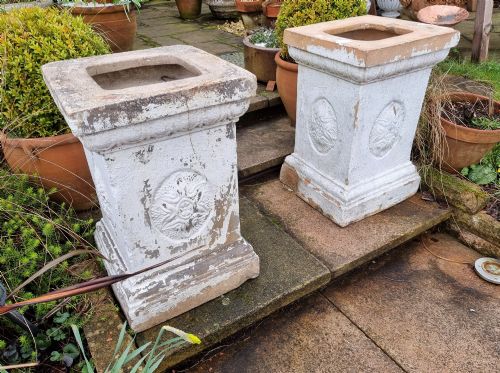
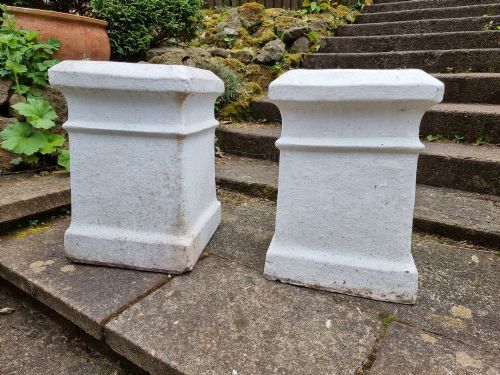
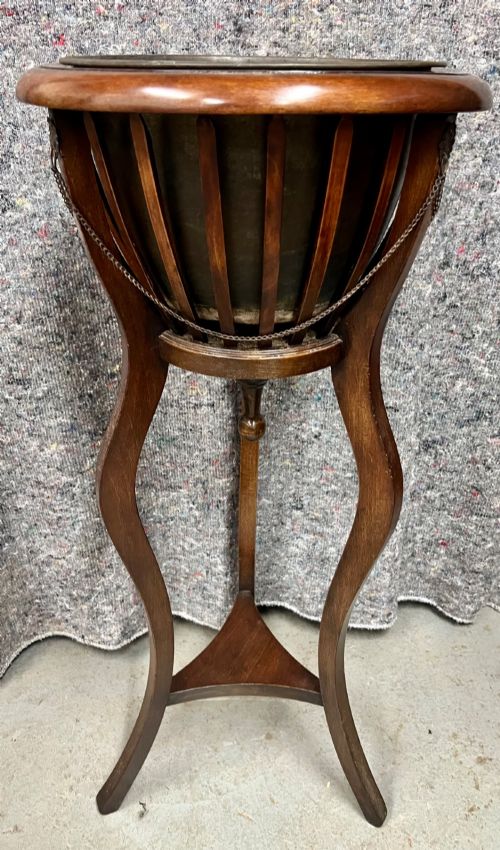
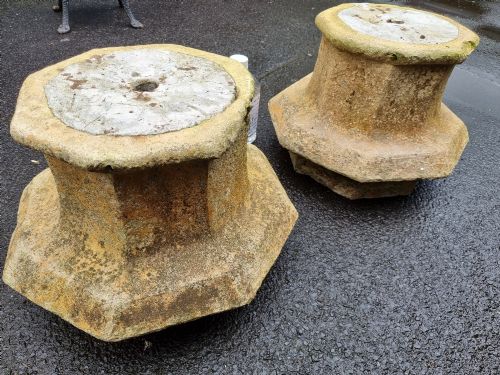
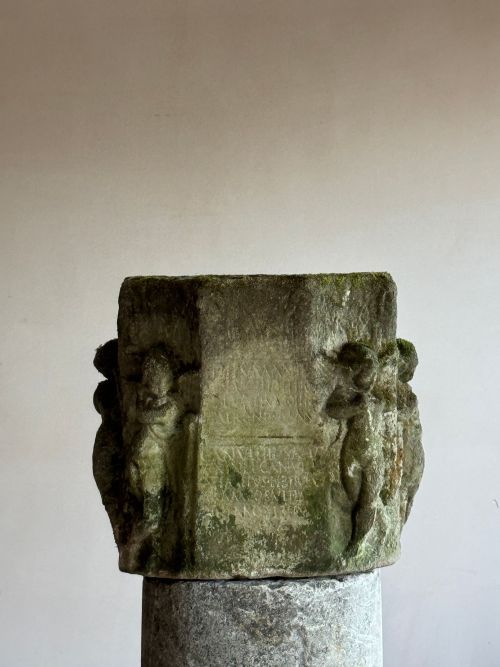
A pedestal planter stand brings height and focal presence to botanical displays, raising pots above floor level to catch the light. When searching this phrase, buyers encounter matching plant stands, jardinieres, garden urns, and raised display pedestals.
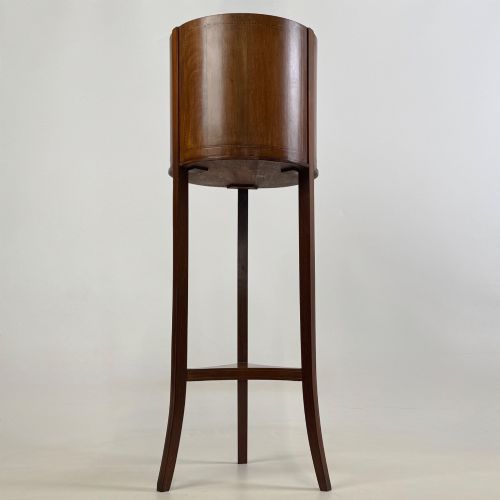
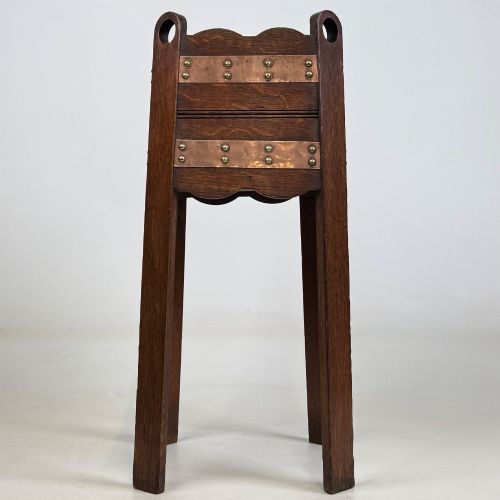
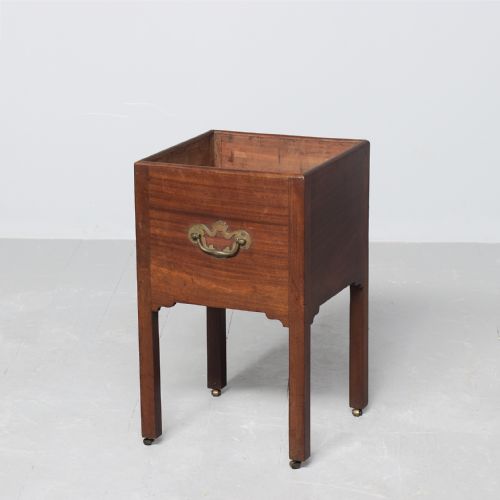
The versions most commonly met span from the Georgian period through the Edwardian era, taking forms in mahogany, oak, cast iron, and glazed ceramic. They range from simple indoor timber columns to heavy metal garden plinths.
Makers utilised various regional styles, from British Arts and Crafts oak to continental majolica ceramics and Chinese export woodwork. Each piece balances a supportive base with a dedicated vessel or flat platform.
How They Were Made
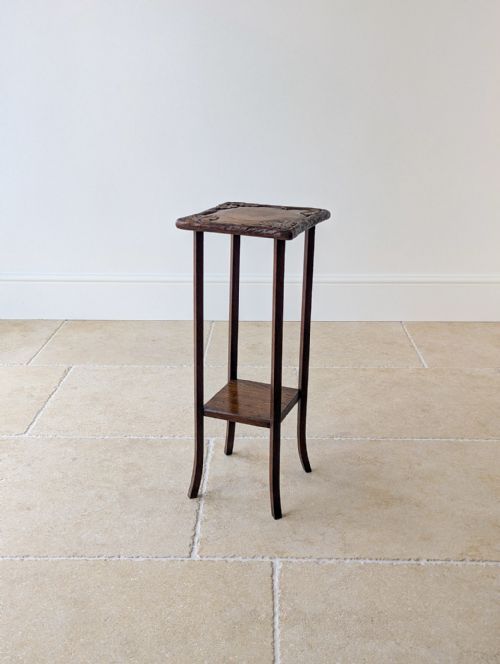
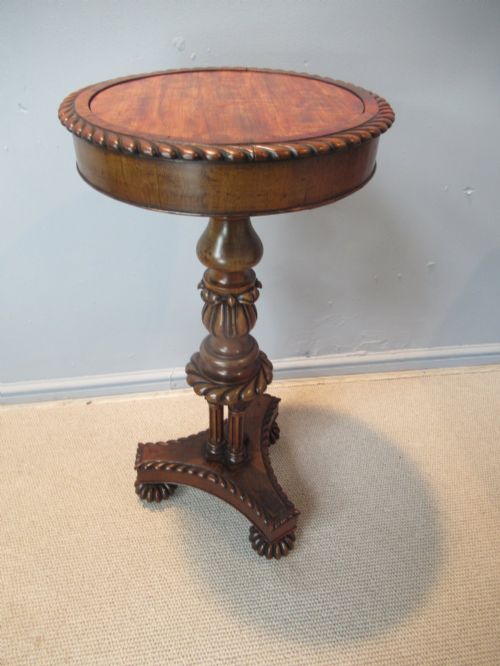
Timbers such as mahogany, walnut, and oak form the structural core of indoor tables and plant columns, often featuring inlaid detailing, turned shafts, or carved surfaces.
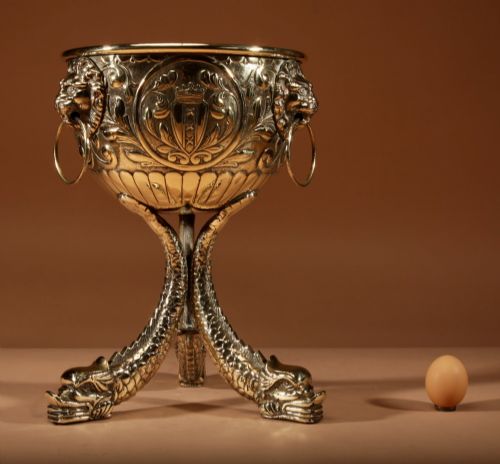
Metalwork pieces rely on cast iron, wrought iron, and embossed or pressed brass, creating robust urns and columns suited to garden lawns or hearthside display.
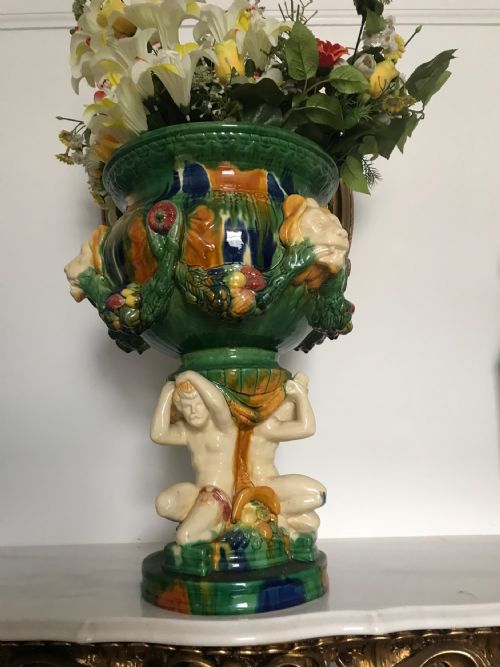
Ceramic examples combine earthenware or stoneware bodies with heavy glazes, including majolica, lustre finishes, and secissionist designs fired in specialised potteries.
One carved turtle holds a bonsai display stand, bringing shelled persistence to botanical arrangement.
What Varies In Quality
The refinement of carving and joinery distinguishes standard domestic stands from exhibition pieces, particularly in timber grain selection and inlay precision.
Ceramic quality rests in the depth of the glaze, the crispness of moulded figural decoration such as lion heads or griffins, and the integrity of the fired body.
Metal standards depend on the weight and detail of the casting, from heavy campana urns to finely chased brass jardiniere stands.
Dunfermline Clay Company·Coalbrookdale·Clement Massier·Minton·Julius Dressler·Eichwald
The Pedestal Planter Stand Glossary
- Jardiniere
- A large ornamental pot or stand for holding plants or flowers. These vessels often sit atop a matching column or pedestal base.
- Campana urn
- A bell-shaped garden vessel with an upturned rim, frequently mounted on a square plinth. This classical form appears in cast iron and stone.
- Majolica
- A type of earthenware covered in an opaque tin glaze and painted with bright colours. It gained popularity for ornate Victorian and Edwardian planters.
- Dinanderie
- The medieval and later art of working objects in brass, copper, or bronze. Pieces often feature embossed or hammered surface patterns.
- Plinth
- A heavy rectangular or square base supporting a statue, urn, or column. They provide structural stability for heavy stone and iron garden pieces.
Pedestal Planter Stand: Frequently Asked Questions
How were pedestal planter stands used?
These pieces held potted plants, ferns, and floral arrangements inside reception rooms, conservatories, and hallways to bring nature indoors.
In gardens and on terraces, cast iron or stone versions displayed hardy plants and architectural urns above ground level.
Where should I place a plant stand?
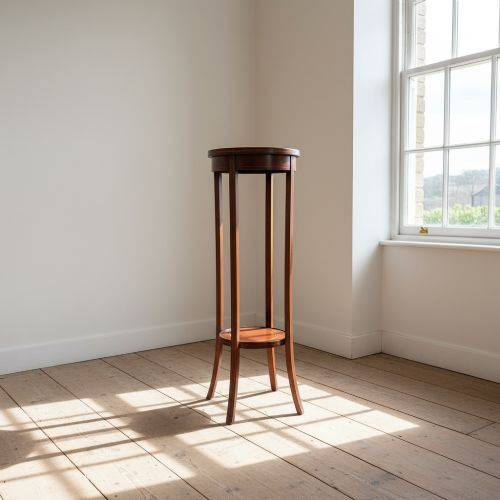
Indoor stands suit corners, empty hallway spaces, and window areas where plants receive adequate daylight for growth.
Garden pedestals and iron columns function best on patios, lawns, or near doorways to frame outdoor views.
How do I identify Edwardian examples?
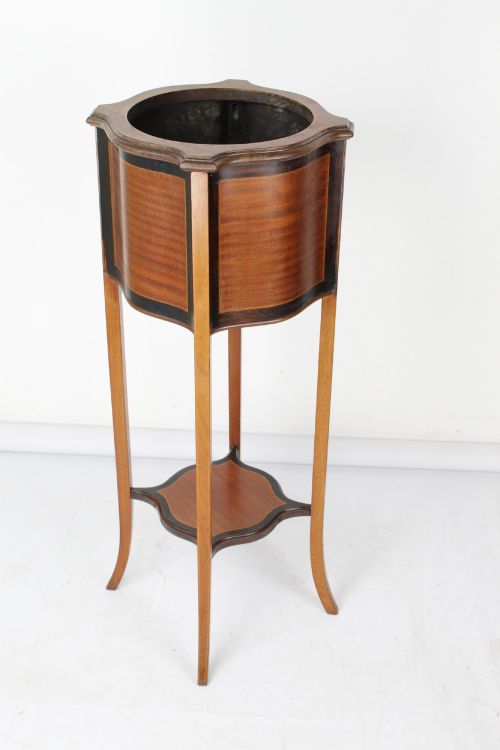
Edwardian stands frequently feature lighter timbers like mahogany, occasionally with inlaid decorative details and clean structural lines.
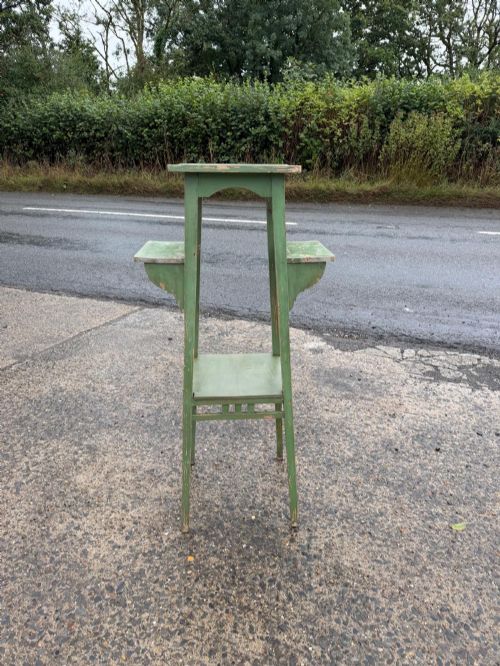
Arts and Crafts versions from this period often display plain oak construction with two-tier shelving.
Are majolica planters heavy?
Majolica ceramic pieces possess dense earthenware bodies that add considerable weight, especially when combined with figural bases or pedestals.
Care must be taken when moving large ceramic jardiniere stands due to their substantial mass.
What is a two-tier plant stand?
A two-tier stand incorporates an additional lower shelf between the legs, offering extra space for secondary pots or decorative items.
This configuration appears frequently in Edwardian oak and mahogany designs.