

Vintage Wooden Vessel
A vintage wooden vessel brings tactile warmth into a room, spanning rustic dairy bowls, coopered buckets, and carved mortars across multiple centuries.
Vintage Wooden Vessel
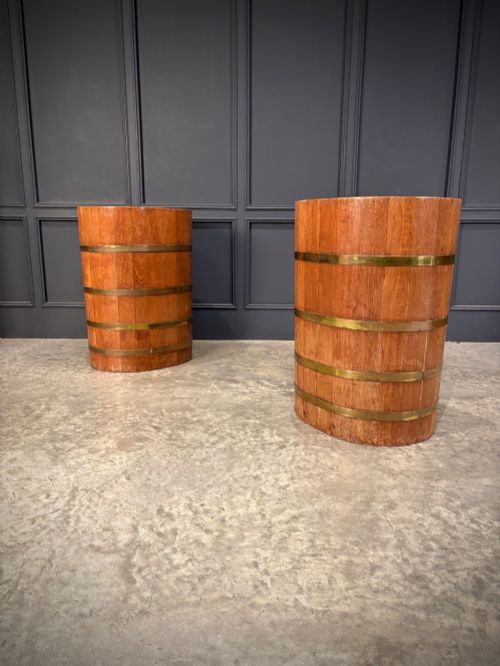
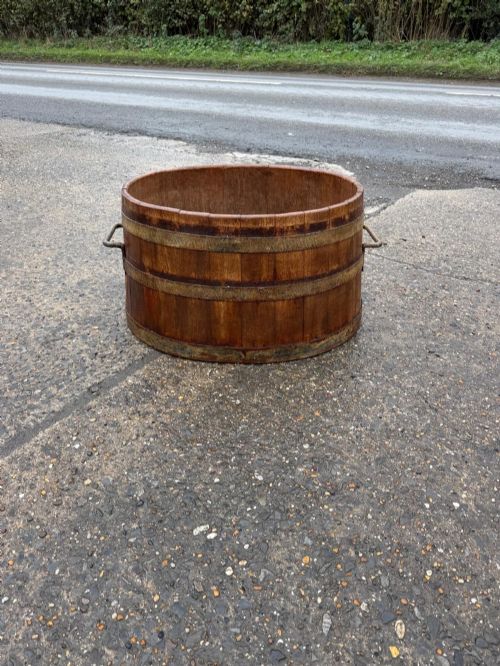
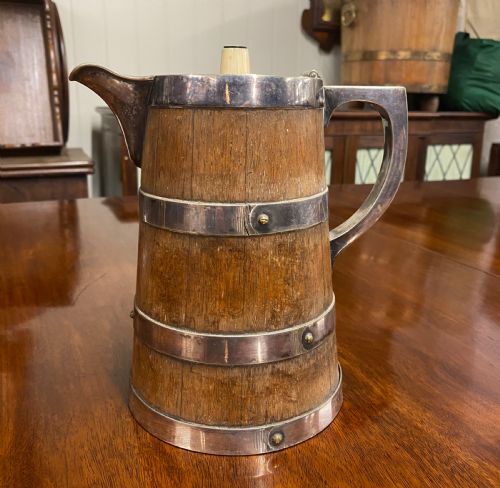
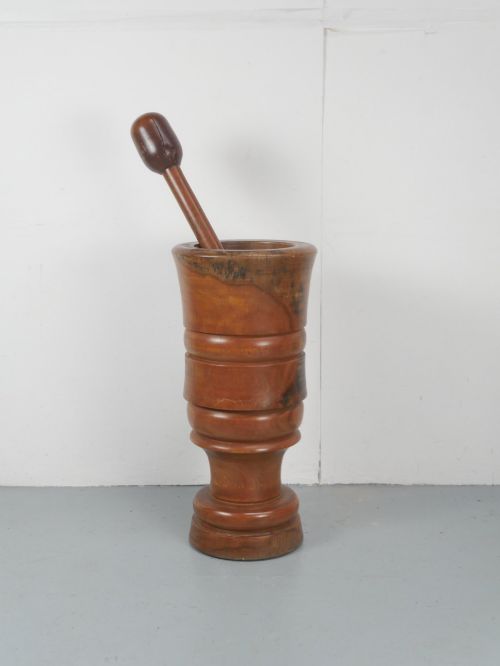
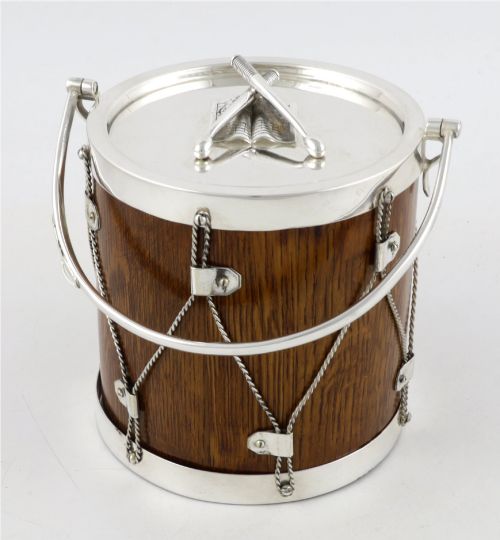
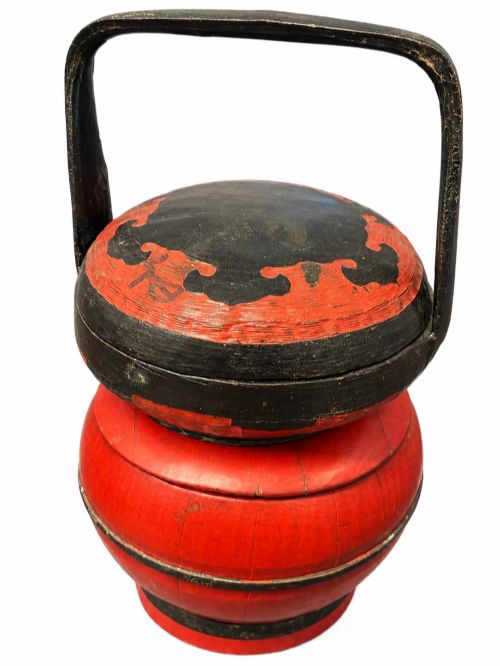
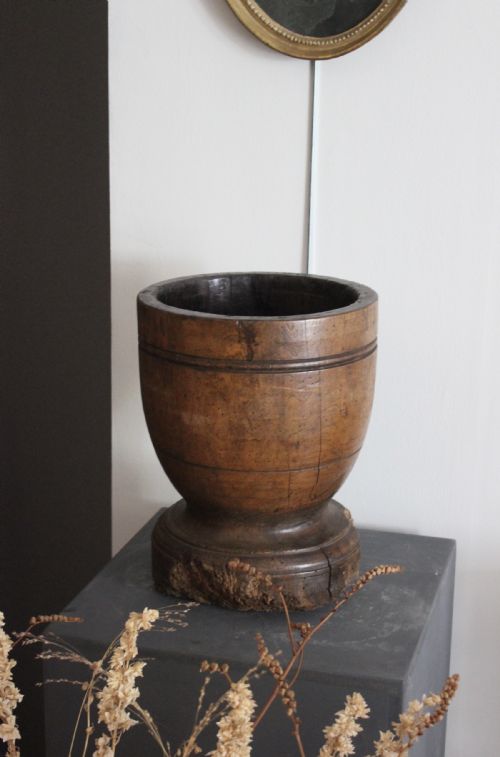
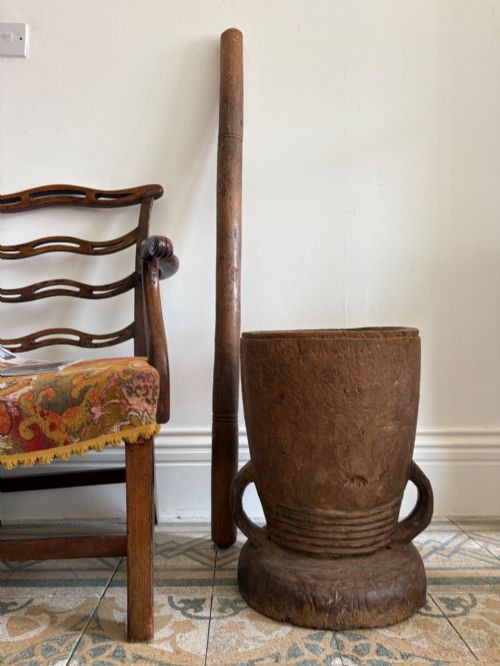
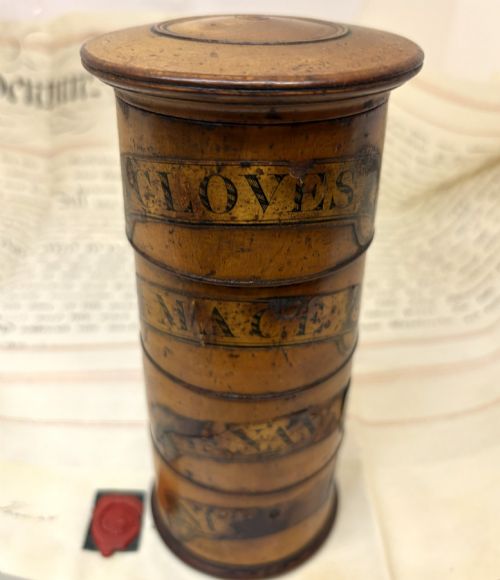
When searching for a vintage wooden vessel, buyers encounter utilitarian forms shaped for domestic, agricultural, and naval life over centuries past. The selection on this page ranges from Georgian spice towers and sycamore dairy bowls to coopered oak barrels and carved mortars.
The most common versions met here include utilitarian dairy vessels, storage bins, and mortars produced across the nineteenth and twentieth centuries. These objects reflect practical rural and maritime traditions rather than courtly ornament.
How they were made
Wood working techniques rely upon traditional turning, carving from solid tree trunks, and cooperage with iron or brass bands. Makers utilised native timbers such as oak, pine, sycamore, and lignum vitae to ensure durability in daily use.
Surface finishes range from bare scrubbed grain to painted or lacquered coats, alongside metal liners and silver plating in specific utility pieces. Construction methods match the functional demands of grain storage, liquid measurement, and food preparation.
Vintage Wooden Vessel Retail Price Guide 2026
Typical asking prices for vintage wooden vessel among the pieces listed under this phrase on Sellingantiques today, from the lower quarter to the upper quarter. They describe what is for sale here now, not the wider market.
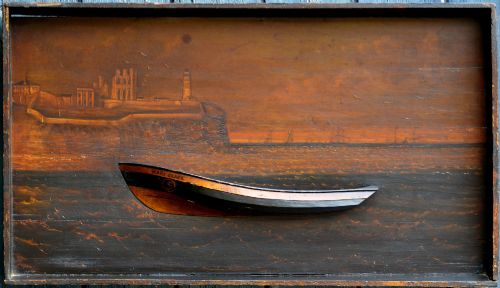
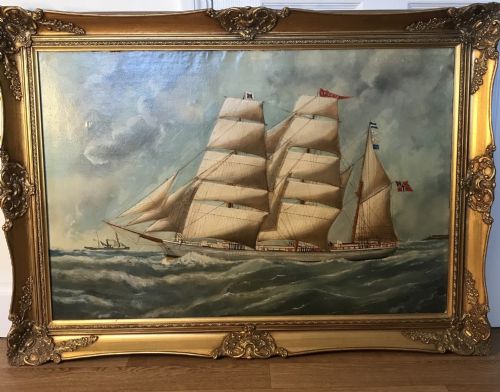
Some wooden vessels double as miniature dioramas, housing entire sailing ships meticulously built inside glass bottles.
What varies in quality
Quality rests upon the integrity of the timber, the honesty of the construction, and the preservation of original surfaces through decades of utility. Hand-carved execution and tight cooperage distinguish finer examples from standard domestic output.
The survival of original paint, patination, and functional metal bindings elevates an object's character. Pieces retaining their structural honesty demonstrate the direct relationship between maker, material, and purpose.
The Vintage Wooden Vessel Glossary
- Treen
- Small handmade wooden objects for domestic use. This term embraces everything from dairy bowls to spice towers and goblets.
- Coopered
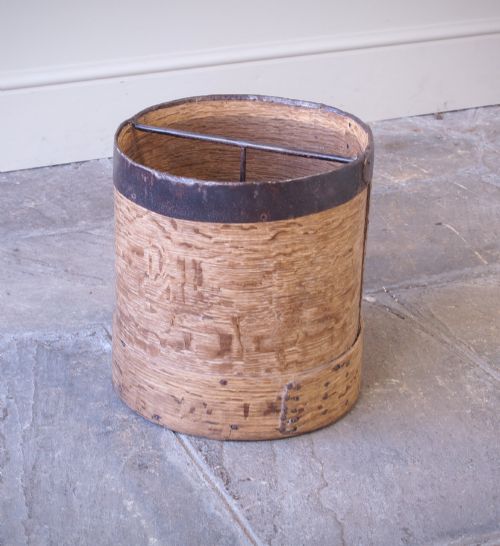
- Constructed from curved wooden staves bound by metal hoops. This technique created watertight vessels such as buckets, barrels, and rum kegs.
- Sycamore
- A dense hardwood favoured for dairy utensils. Its tight grain resists moisture and absorbs minimal odour during food preparation.
- Lignum vitae
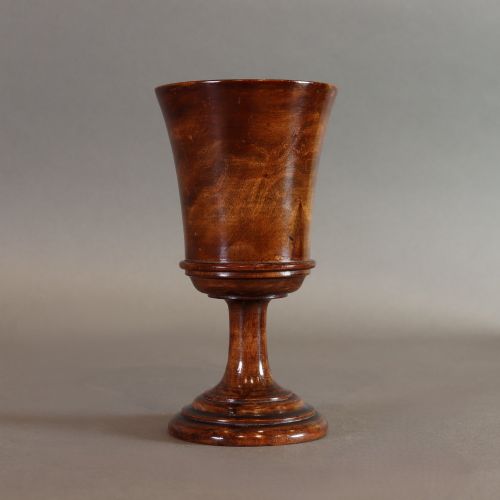
- An extremely heavy, dense exotic hardwood. Makers turned this material into robust items like goblets and pestles that endured heavy friction.
Vintage Wooden Vessel: Frequently Asked Questions
What is a treen vessel?
Treen refers to small domestic wooden items made by hand before mass production took over household goods. These pieces include utilitarian bowls, spice towers, and drinking vessels shaped from native timbers.
They show the daily habits of past households through the grain and tool marks left by turners and joiners.
How were wooden buckets used?
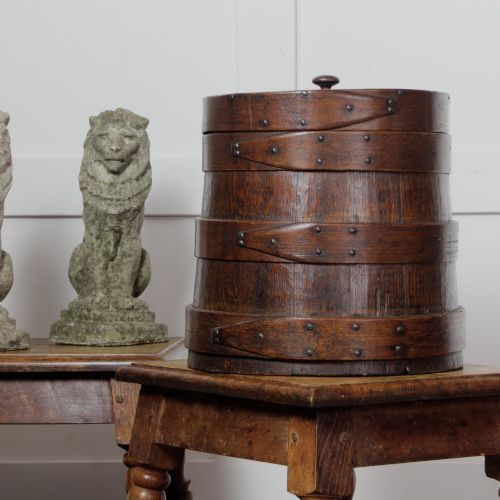
Coopered wooden buckets served heavy practical duties such as carrying water, coal, peat, and naval rum rations. Their robust stave construction and metal bindings handled daily stress in domestic and maritime settings.
Over time, utility items transition into decorative storage containers placed beside fireplaces or on display shelves.
How do I identify a dairy bowl?
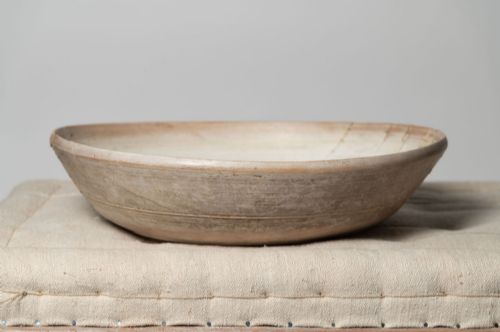
Dairy bowls are wide, shallow wooden vessels turned from hardwoods like sycamore or pine to hold milk during cream separation. Their pale surfaces and clean lines reflect rural Scandinavian and British agricultural practices.
Examining the interior reveals the smooth wear of skimming tools and washing over generations of farm use.
What is a spice tower?
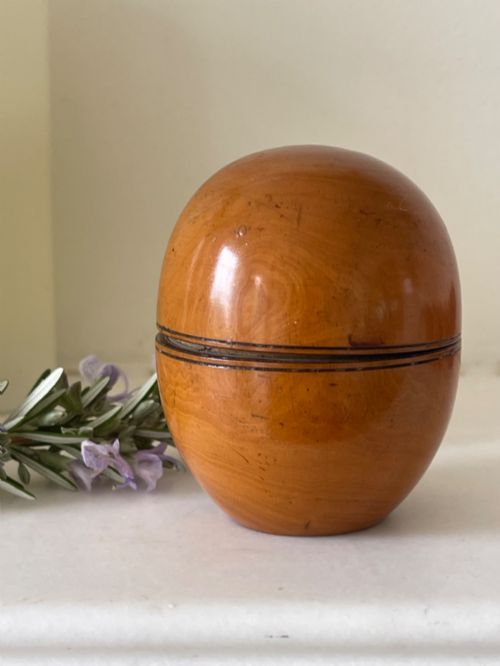
A spice tower is a multi-tiered turned wooden container designed to hold various culinary powders in stacked compartments. Georgian craftsmen produced these intricate treen objects for affluent kitchens.
Each section fits precisely into the next, demonstrating skilled woodturning and practical design from the eighteenth century.