



Vintage Wooden Vanity Table
A vintage wooden vanity table brings practical elegance and period charm to a room, offering fitted drawers and adjustable mirrors for everyday grooming routines.
Vintage Wooden Vanity Table
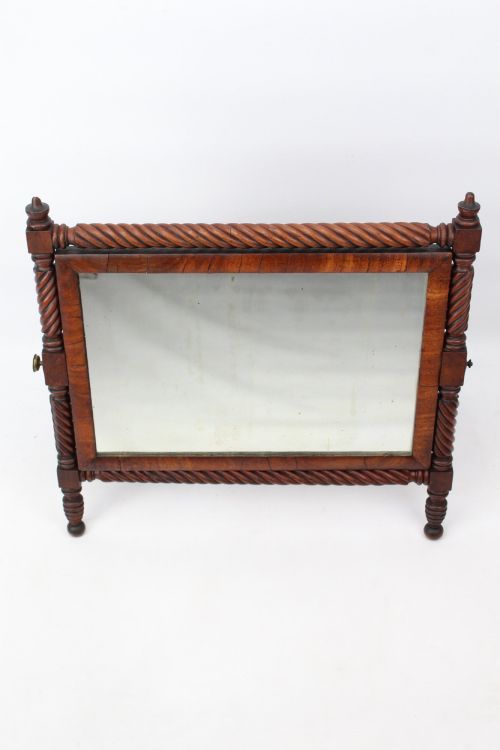
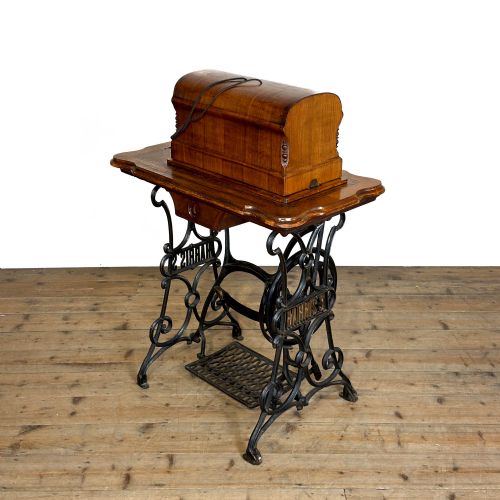
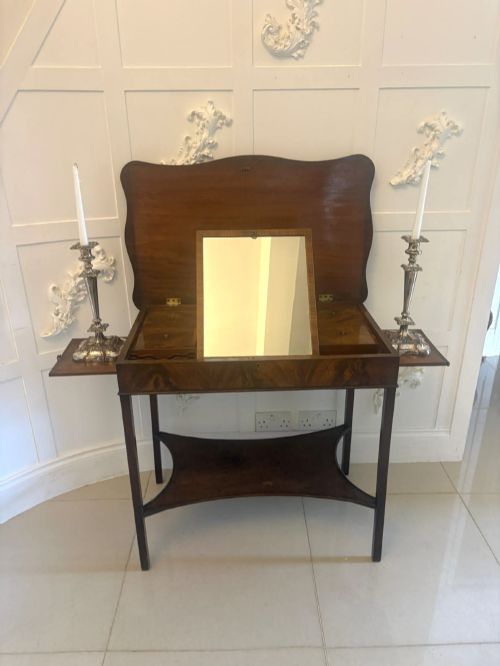
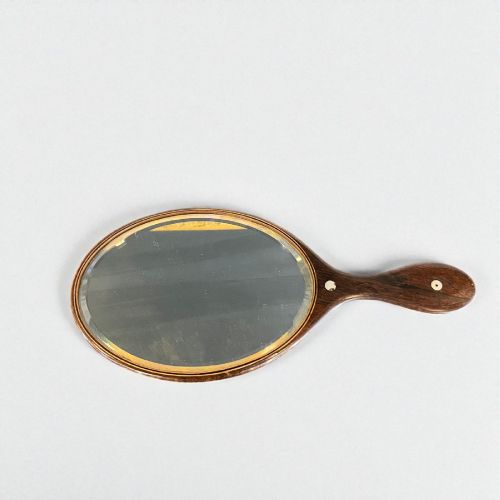
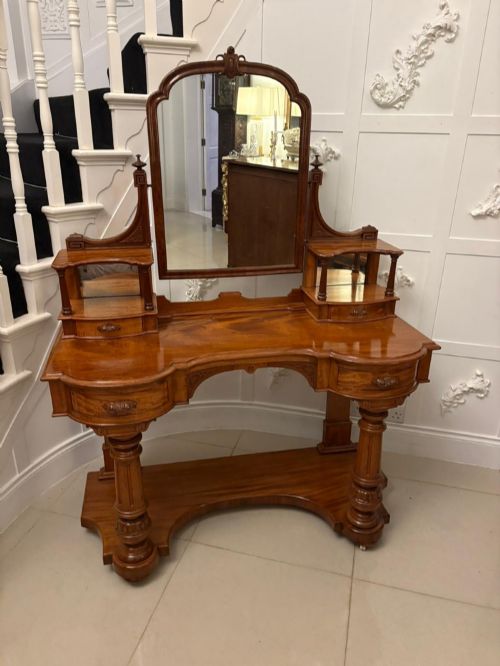
When you search for a vintage wooden vanity table, you encounter a range of forms designed for personal grooming and dressing, including full dressing tables, washstands, and smaller dressing mirrors. The pieces span multiple eras, stretching from the 18th century through the Victorian, Edwardian, and Art Deco periods, each reflecting the domestic habits of its time.
You are most likely to meet mahogany, walnut, and pine examples on this page, taking shapes from simple kneehole writing desks to elaborate cheval mirrors and dressing chests with triple glass panels. These items combine surface utility with storage, often accompanied by matching stools in walnut or exotic woods.
Originating across British, European, and Anglo-Indian workshops, these furnishings demonstrate how historical styles such as Queen Anne, Regency, and Arts & Crafts influenced personal furniture over successive centuries.
Materials and construction
Cabinet makers utilised dense hardwoods like mahogany, walnut, and oak alongside softer structural timbers such as pine, occasionally employing burr veneers and bird's eye maple for decorative surface grain. Glass and brass formed essential components for pivoting mirrors, handles, and hardware.
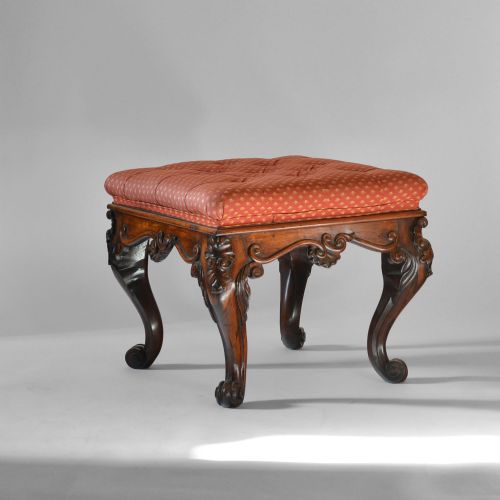
Traditional joinery techniques governed the assembly of drawers and frames, while hand-carving shaped cabriole legs, giltwood details, and pediments on dressing chests and cheval mirrors.
Vintage Wooden Vanity Table Retail Price Guide 2026
Typical asking prices for vintage wooden vanity table among the pieces listed under this phrase on Sellingantiques today, from the lower quarter to the upper quarter. They describe what is for sale here now, not the wider market.
Listings feature woods spanning mahogany, walnut, oak, pine, rosewood, and satin birch across pieces dating from the 18th to the 20th century.
What determines quality
The degree of refinement in timber selection and cabinet work separates standard pieces from exceptional ones, particularly where figured veneers and matching grain patterns are concerned. Intricacy in hand-carved details and the retention of original glass, brass fittings, and maker labels also elevate a piece.
Proportion and structural integrity define the higher end of the range, where drawers operate smoothly within solid frames and timber surfaces display a rich, patinated finish developed over decades of use.
Heal & Sons·P & MA Nicholson
The Vintage Wooden Vanity Table Glossary
- Cheval glass
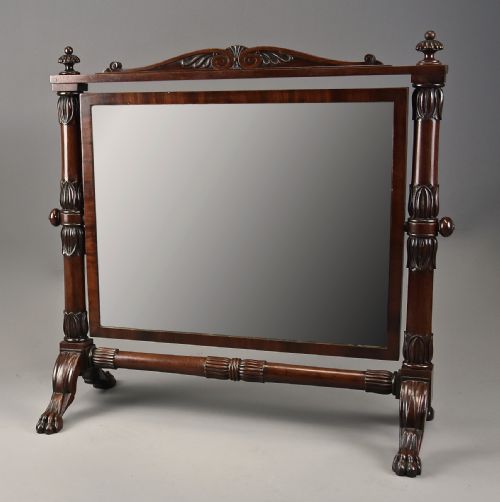
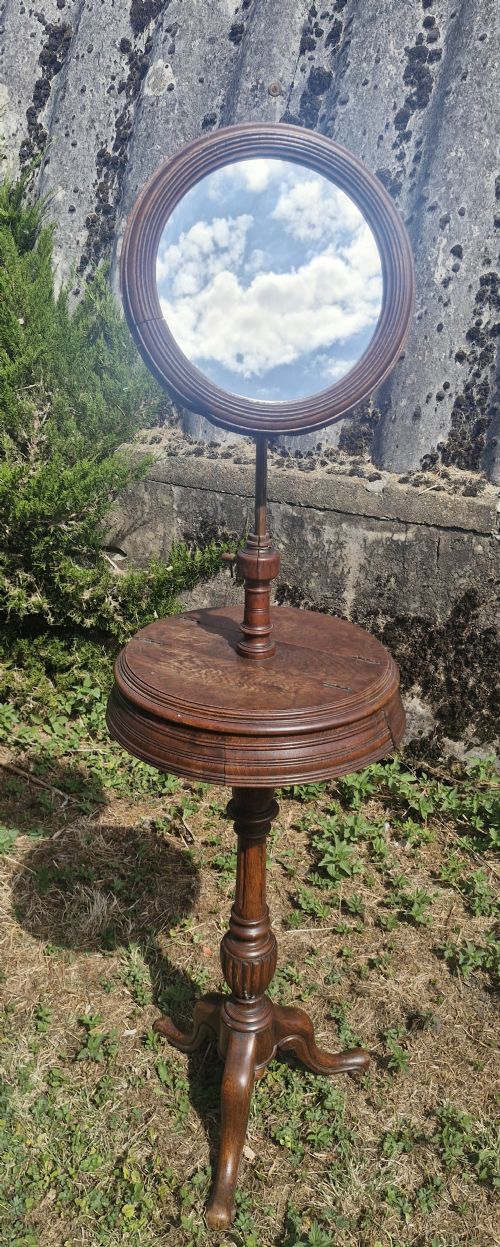
- A full-length mirror suspended in a frame that allows it to tilt. These freestanding units often appeared in 19th-century bedrooms.
- Kneehole
- A desk or dressing table configuration featuring a central recess for the legs, flanked by pedestals of small drawers. This layout became common during the Georgian and Victorian eras.
- Washstand
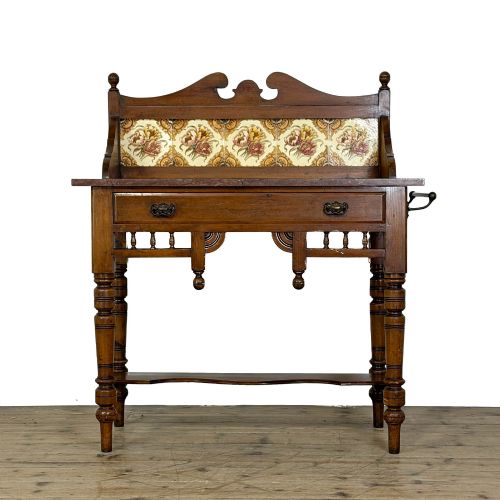
- A piece of furniture designed to hold a basin and pitcher for washing, frequently topped with marble or tile. Many survivors now serve as bedside tables or sideboards.
- Toilet mirror
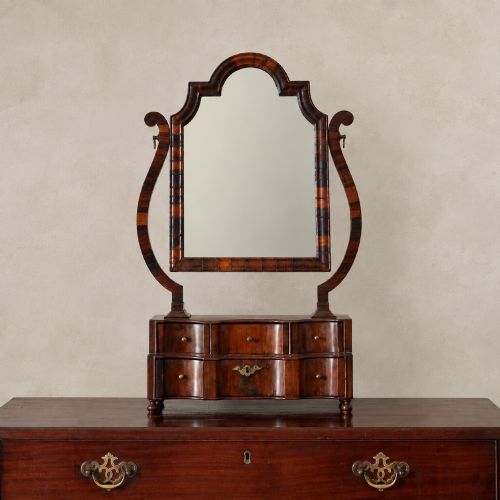
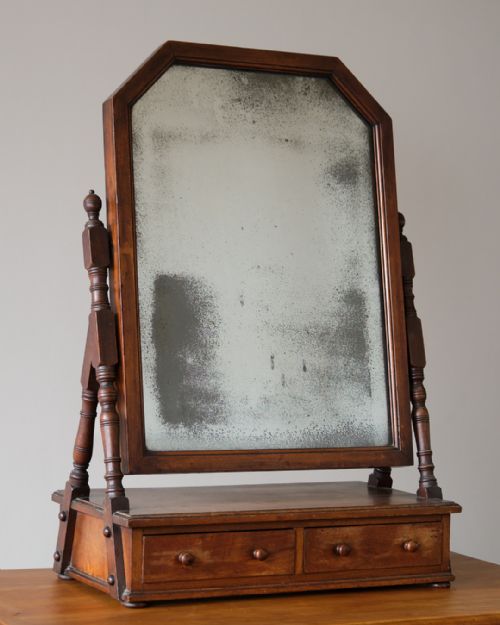
- A small mirror mounted on a pivoting frame above a set of miniature drawers, designed to sit atop a chest or dressing table.
- Cabriole leg
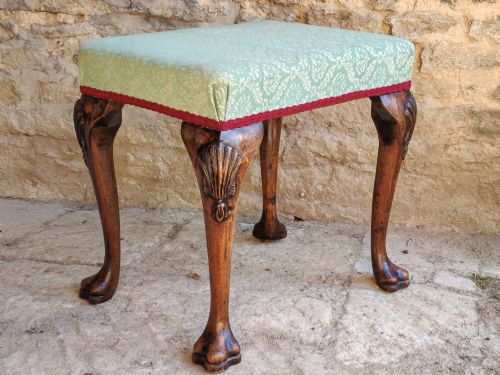
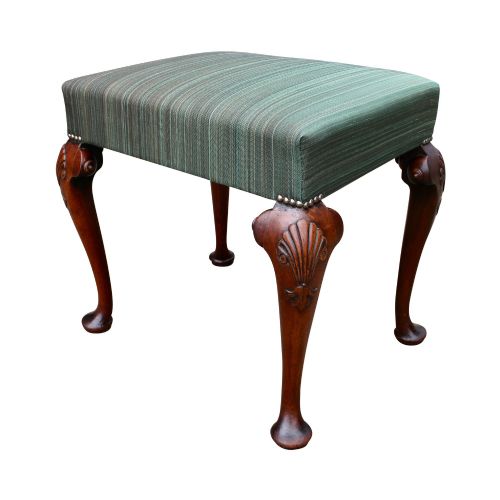
- A furniture leg that curves out and then in, resembling the leg of an animal. This form frequently appears on 18th-century and revival stools and tables.
Vintage Wooden Vanity Table: Frequently Asked Questions
What is the difference between a dressing table and a washstand?
A dressing table is built with drawers and a mirror specifically for grooming, personal care, and applying cosmetics. They typically feature flat wooden surfaces designed to hold grooming implements and toiletries.
In contrast, a washstand was originally constructed to hold a ceramic basin and water jug before indoor plumbing became standard. These often incorporate marble tops or tiled splashbacks to protect the wood from water splashes.
How do I date a wooden dressing chest?
Dating a dressing chest involves examining the construction methods of the drawers, the style of the wood, and any visible hardware. Dovetail joints that are hand-cut and irregular usually point towards 18th-century or early 19th-century origins, while machine-cut joints indicate later production.
Stylistic cues such as heavy Victorian carvings, Edwardian simplicity, or Art Deco geometric lines also help place the piece within a specific decade.
Where should I place a dressing mirror in a modern room?
Tabletop dressing mirrors work well placed upon low chests of drawers, sideboards, or dedicated writing desks to create a functional vanity space. Position them near natural light sources to make the glass most effective for daily use.
Freestanding cheval mirrors occupy floor space and suit corners of bedrooms or dressing rooms where they can reflect light across the entire area.