

Vintage Wooden Toy
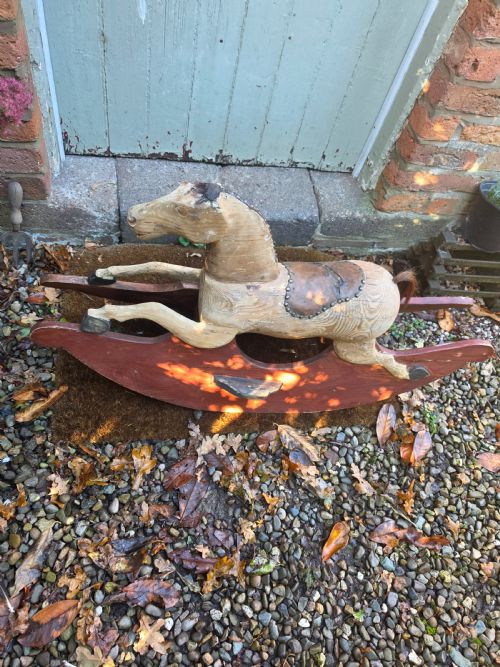
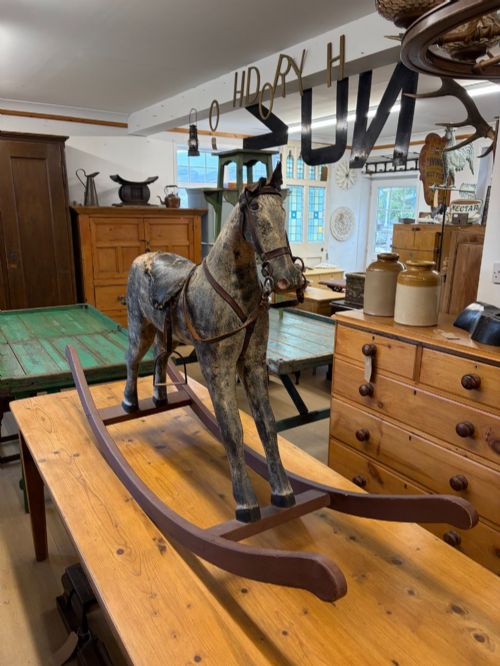
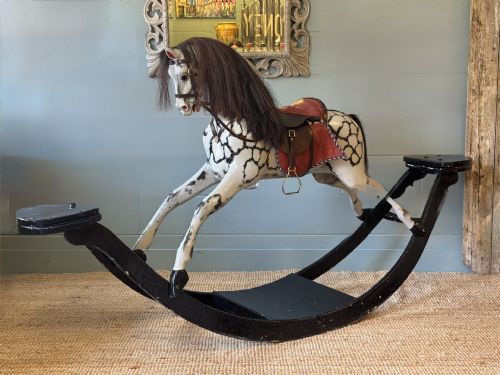
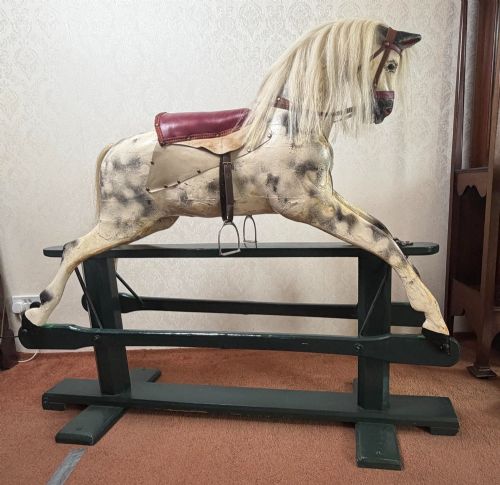
These vintage wooden toy selections bring nineteenth-century hand-carved rocking horses, folk art figures, and painted pond yachts straight to the playroom.
Vintage Wooden Toy
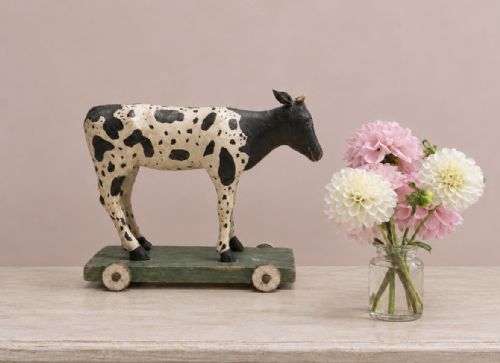
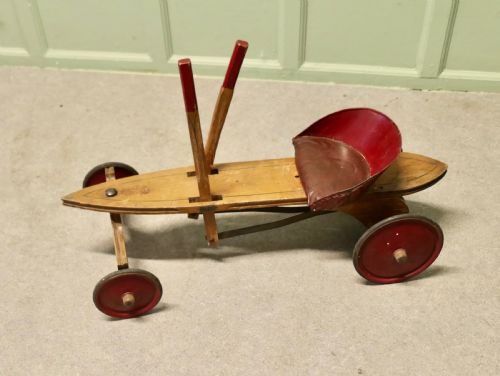
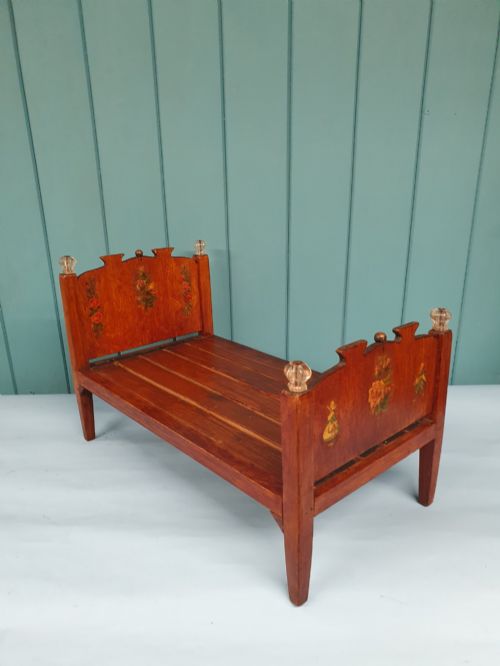
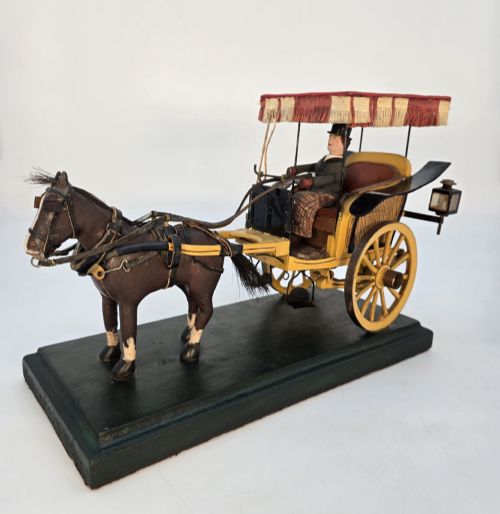
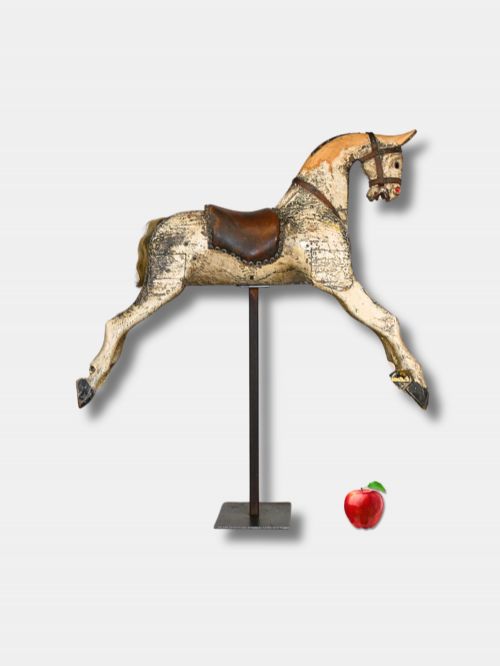
When you search for a vintage wooden toy, you encounter survivors from the nineteenth and early twentieth centuries, spanning the Victorian and Edwardian eras. These objects range from heavy rocking horses mounted on original stands to scratch-built model boats, miniature furniture, and pull-along animals.
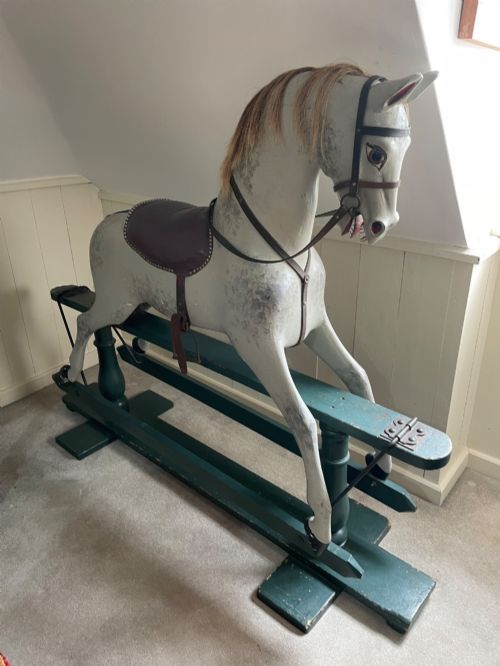
The most common forms on this page include rocking horses fashioned from pine and carved wood, along with pond yachts designed for sailing. Smaller items such as treen rattles, alphabet boxes, puzzles, and painted soldier figures also appear frequently among the larger items.
Origins vary from English workshops to American and Spanish makers, often showing the hand of folk artists and commercial makers alike. Many pieces retain traces of original paint, horsehair manes, or iron hardware that mark their utilitarian origins.
Materials and construction
Makers utilised solid timbers such as pine, elm, and carved wood to build these pieces, often selecting materials suited to heavy daily use by children. Surfaces were frequently treated with wax or finished in lead-based paint, sometimes retaining bright primary colours or layered polychrome decoration.
Metal components like iron brackets, pins, and wheeled stands provided structural support for larger rocking horses and mechanical toys. Additional details such as leather harnesses, horsehair manes, and bone alphabet letters completed the construction of more intricate playthings.
Vintage Wooden Toy Retail Price Guide 2026
Typical asking prices for vintage wooden toy among the pieces listed under this phrase on Sellingantiques today, from the lower quarter to the upper quarter. They describe what is for sale here now, not the wider market.
A tiny wooden box holds bone alphabet letters waiting to spell out forgotten nursery games.
Judging quality and survival
Quality rests in the survival of original surfaces, such as untouched early paint schemes, factory markings, and manufacturer stamps. Pieces retaining their original stands, rigging, and upholstery like horsehair or leather sit at the upper end of the scale.
Construction methods also dictate merit, separating mass-produced commercial items from scratch-built folk art figures carved by individual hands. The balance of proportions and the clarity of primitive carving distinguish finer naive sculptures from utilitarian workshop output.
G & J Lines of London·F.H. Ayres·Collinson·Periclès
The Vintage Wooden Toy Glossary
- Treen
- Small handmade wooden household objects and playthings. These items often display simple lathe turnings or hand-carved details.
- Pond yacht
- A toy sailing boat designed for use on open water. Larger examples feature fully rigged cloth sails and wooden hulls.
- Folk art
- Utilitarian or decorative objects made by self-taught craftspeople. These pieces emphasise functional design over academic artistic conventions.
- Bilboquet
- A traditional cup-and-ball game. Players attempt to catch a suspended wooden ball in a cup or on a spike.
- Travellers sample
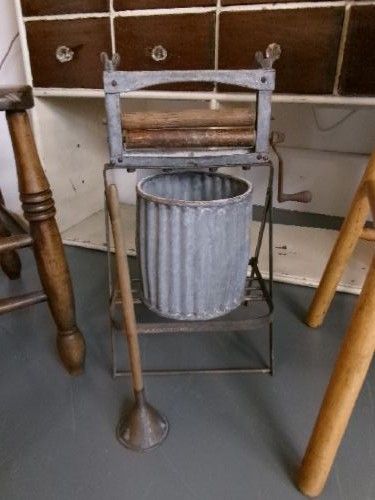
- A miniature version of a larger household item used by salesmen to demonstrate products. These items functioned as playthings for children once retired from commercial use.
Vintage Wooden Toy: Frequently Asked Questions
How do I date a wooden rocking horse?
Dating relies on construction methods, body shapes, and hardware such as iron brackets or original bolts. Earlier nineteenth-century examples often feature chunky carved bodies mounted on bow rockers, while twentieth-century versions shifted towards safety stands.
Maker stamps on the wooden frames or under the bellies provide precise attribution when present. Paint layers and tack details also help establish the chronological period.
Were these toys meant for play?
Most items on this page served as functional playthings for children in Victorian and Edwardian nurseries. Rocking horses, pull-along animals, and model boats endured heavy handling, which explains the repaired parts and worn paint found on many survivors.
Certain items, such as travellers samples and miniature furniture, bridged the gap between commercial demonstration pieces and children's toys. Their robust pine and elm construction ensured they survived decades of active use.
How should I clean a painted wooden toy?
Preserving the original surface requires avoiding harsh chemical cleaners and modern polishes that can lift old paint layers. Dusting gently with a soft dry cloth maintains the dry wax or historic pigment without causing damage.
Unfinished or waxed pine benefits from occasional feeding with traditional beeswax to nourish the dry timber. Retaining the patination and wear marks is essential for historical integrity.
What is the difference between folk art and commercial toys?
Commercial toys were produced in workshops or factories by firms using standardised patterns and established manufacturing techniques. They often carried maker marks or stamps from known businesses.
Folk art pieces were carved independently by local craftsmen or parents without factory assistance. These items display naive proportions, unique hand-carved details, and idiosyncratic paint applications.