
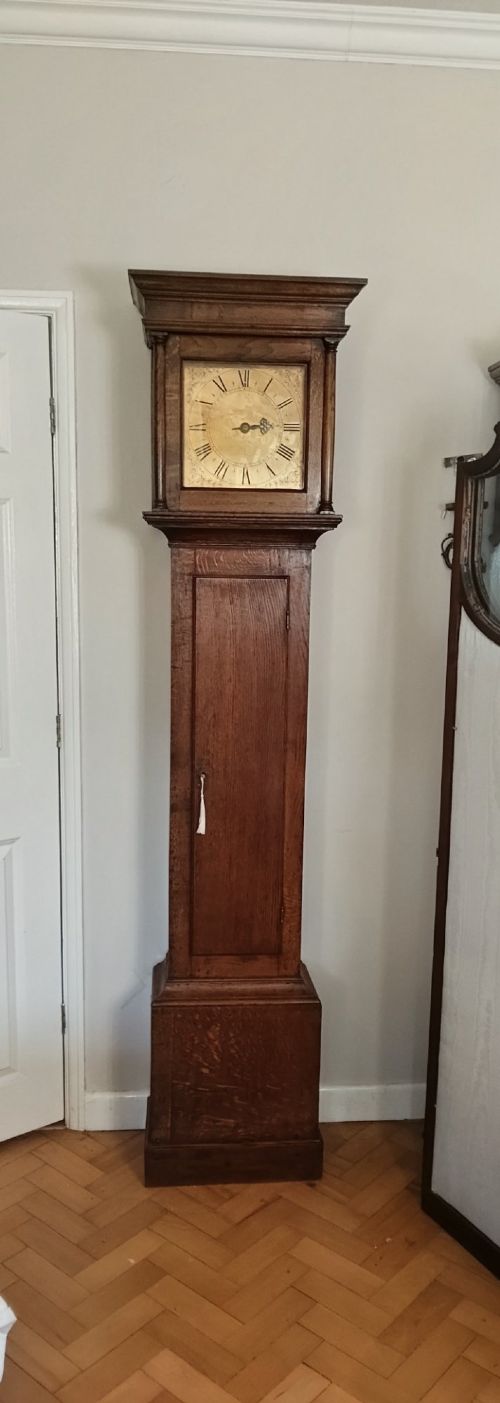
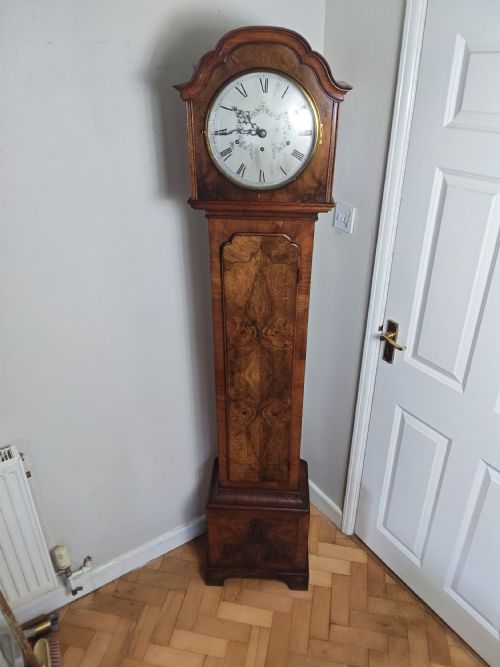
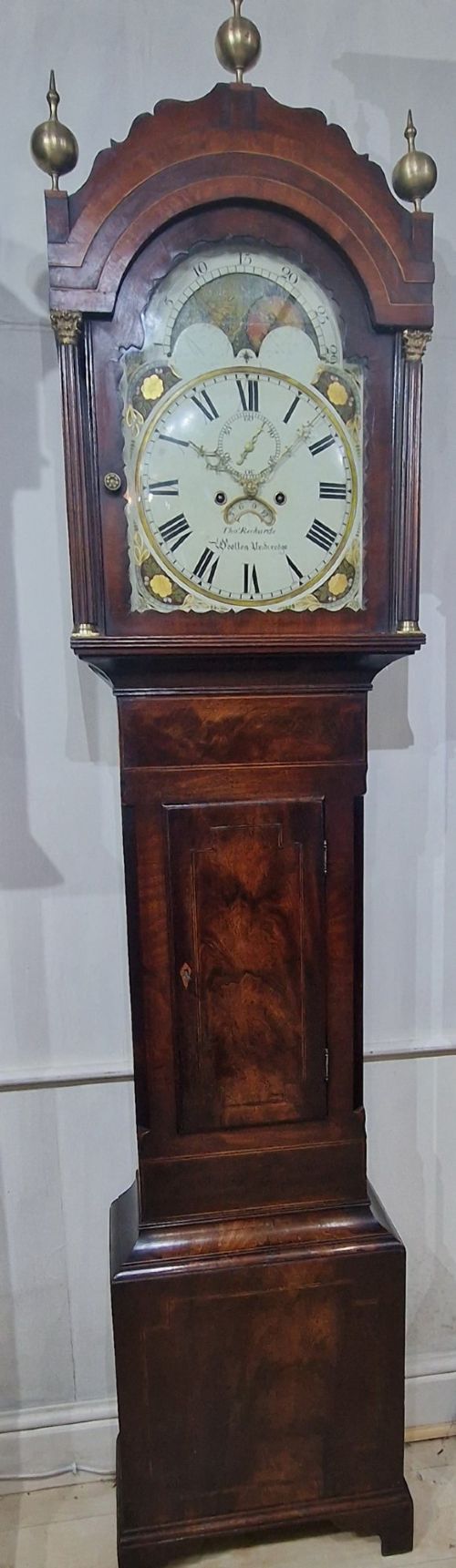
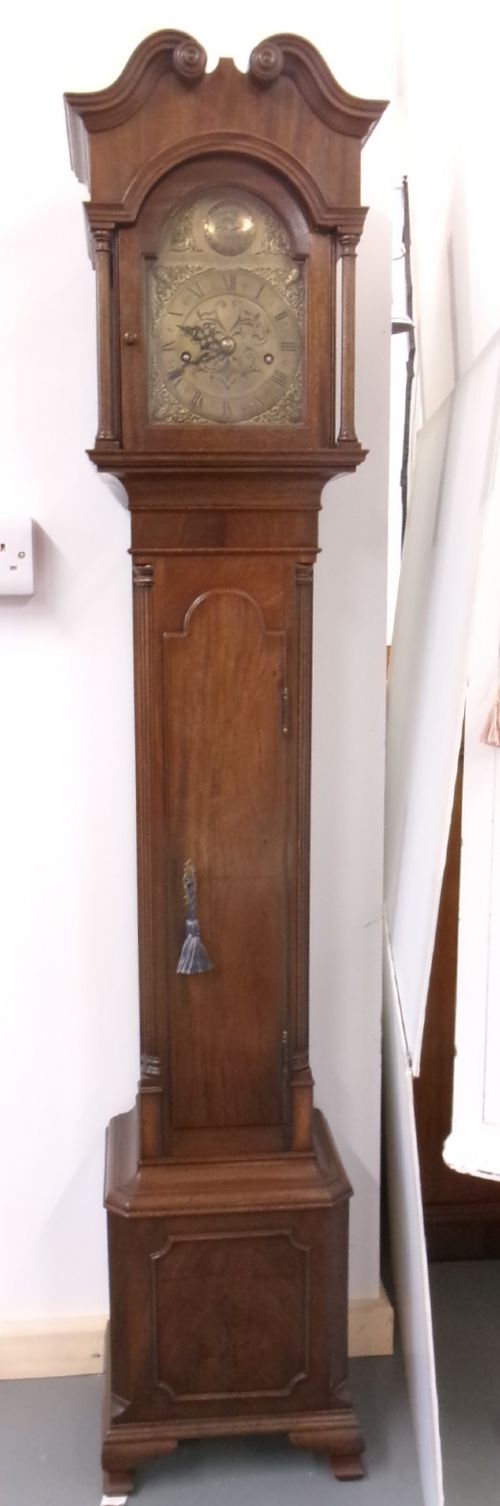


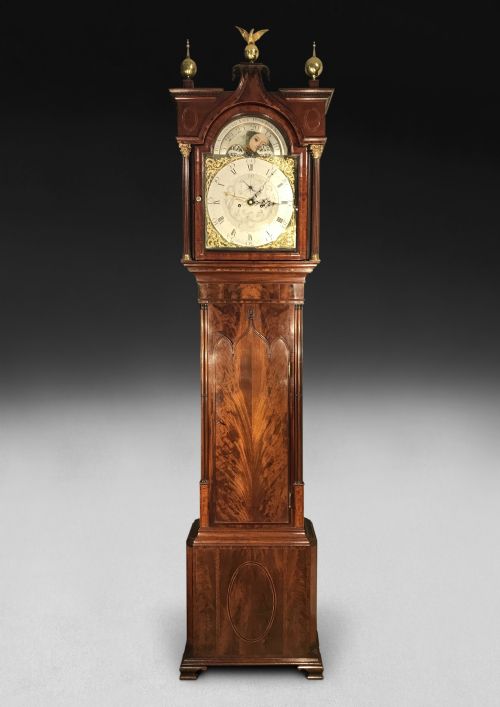


Vintage Wooden Tallcase Clock
A vintage wooden tallcase clock stands as a commanding floor-standing timepiece, bringing traditional cabinet-making and mechanical timekeeping directly into a room.
Vintage Wooden Tallcase Clock
A vintage wooden tallcase clock serves as both a functional timekeeper and a substantial architectural feature within domestic spaces. Buyers pursuing this search phrase encounter full-sized grandfather clocks alongside smaller scale grandmother and granddaughter variants.
The pieces on this page span several centuries of cabinet-making, originating primarily from Georgian, Victorian, and early twentieth-century periods. Oak and mahogany examples appear frequently alongside walnut and painted pine constructions.
Dial configurations vary from traditional brass faces to painted iron and enamel dials, often displaying moon phases or maker signatures. Proportions range from tall, imposing 18th-century floor clocks down to slim, quarter-chiming miniatures.
Materials and construction methods
Cabinet makers utilised native timbers such as oak and elm for earlier country examples, while later makers turned to imported mahogany and burr walnut veneers. Timber boards were selected and joined to house lengthy weight-driven movements securely within the trunk.
Movements combine brass gears, wheels, and iron or steel components, mounted on wooden seat boards or brass plates. Dials combine engraved brass chapters, painted enamel surfaces, and cast brass spandrels to display the hours.
Glass panels fitted into the trunk door protect the swinging pendulum and suspended weights while allowing visual access. Hoods lift or open via side doors to provide access to the dial and internal motion works.
Some miniature models shrink timekeeping grandeur down to household scale, proving that good things genuinely come in small wooden packages.
Distinctions in construction and movement quality
The refinement of the timber selection and veneer matching defines the visual caliber of the case. Quarter-veneered burr walnut or figured flame mahogany demands advanced cabinet-making skill compared to plain solid oak.
Movement sophistication separates standard time-only mechanisms from complicated eight-day striking and musical trains. Engraved brass dial work and signed backplates by known regional clockmakers denote superior workshop standards.
Edward Upjohn·Edward East·Dent of London·W Prior·John Harrington·Jn Wright Linton·John Welsh·Joyce Ruthin·Foxton Sutton Ashfield·Raine of Durham·James Marshall·Rickards Wotton Under Edge
The Vintage Wooden Tallcase Clock Glossary
- Tallcase clock
- A floor-standing pendulum clock housed in a tall wooden case designed to protect the movement and weights. These pieces are commonly known by regional names such as grandfather or longcase clocks.
- Grandmother clock
- A smaller, more slender version of the traditional tallcase clock, typically produced during the early twentieth century. They occupy less floor space while retaining weight-driven mechanical movements.
- Dial
- The visible face of the clock that displays the time using graduated markings and hands. Dials are constructed from brass, painted iron, or enamel and often feature subsidiary seconds rings or calendar apertures.
- Movement
- The mechanical inner workings of a clock driven by weights or springs. This assembly includes the gear train, escapement, and striking mechanism.
- Spandrel
- An ornamental corner piece fitted to the dial face of a clock. These decorative brass castings often feature cherubs, scrolling foliage, or Rococo motifs.
Vintage Wooden Tallcase Clock: Frequently Asked Questions
Where should a tallcase clock be placed?
Position the clock on a stable, level floor against a secure wall to prevent vibration. Avoid locating the piece in areas subject to dampness or direct sunlight, which can destabilise timber and dry out wooden movements.
Ensure there is sufficient clearance inside the trunk for the pendulum to swing freely without interference from the case walls or weights.
How do you wind a tallcase clock?
Insert the winding key into the designated winding holes on the dial face and turn steadily. Support the weight chains or cords if necessary, ensuring weights are not pulled up too close to the movement plates.
Different movements require winding at varying intervals, ranging from daily thirty-hour chains to eight-day weight-driven systems.
What distinguishes a grandfather clock from a grandmother clock?
Grandfather clocks are full-sized floor clocks measuring over six feet in height, designed to accommodate long pendulums and heavy driving weights. Their proportions suit grand hallways and high-ceilinged rooms.
Grandmother clocks offer a scaled-down alternative measuring significantly shorter, making them suitable for modern domestic spaces with lower ceilings while maintaining mechanical chime functions.
How do you identify the period of a tallcase clock?
Examine the architectural style of the hood and the construction methods used inside the trunk. Earlier 18th-century pieces often feature simpler oak construction and square brass dials, whereas later Victorian and Edwardian examples incorporate rich mahogany veneers and arched painted faces.
Maker signatures inscribed on the dial or movement backplate often provide a reliable indication of the active working dates of the horologist.