




Vintage Wooden Tabletop Mirror
A vintage wooden tabletop mirror brings warmth and functional elegance to a dressing space, offering historical charm through polished timbers and tilting glass.
Vintage Wooden Tabletop Mirror
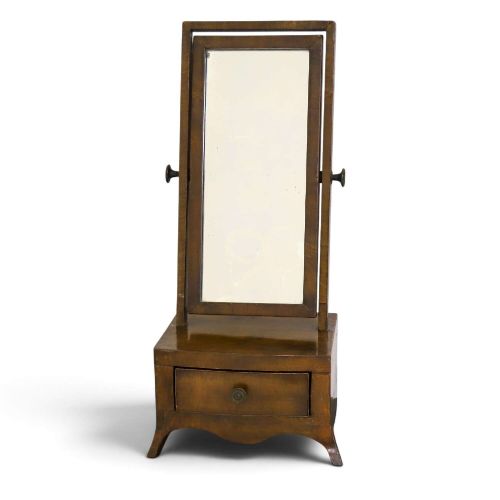
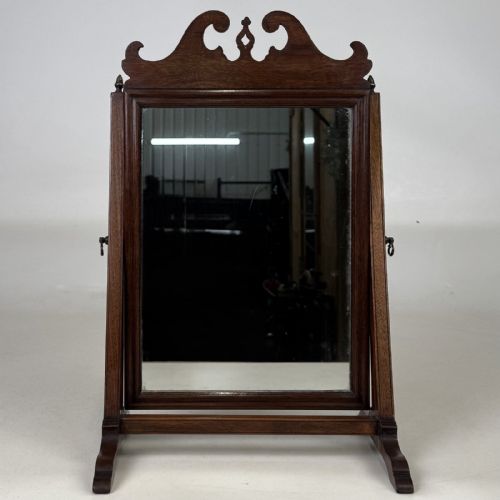
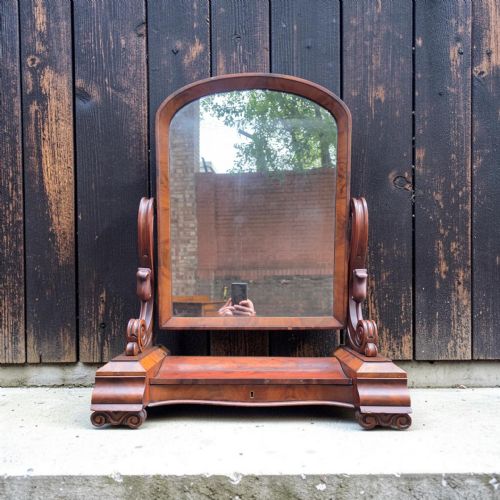
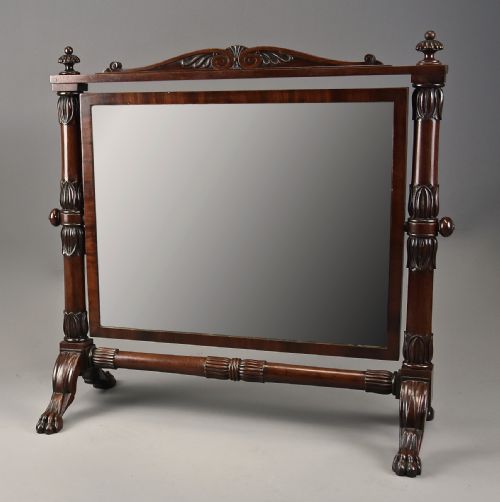
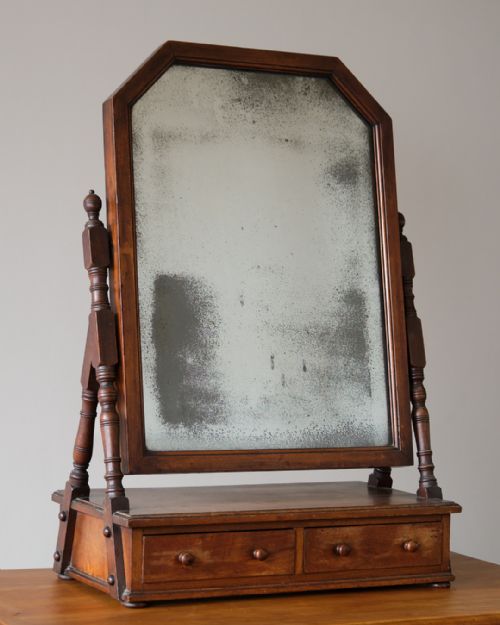
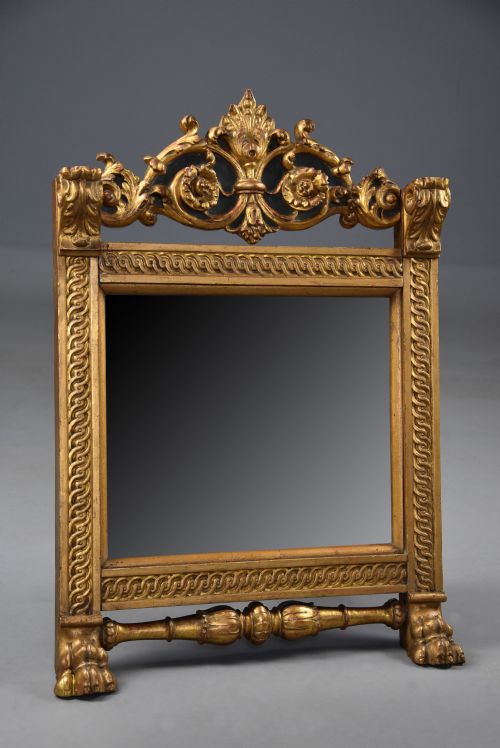
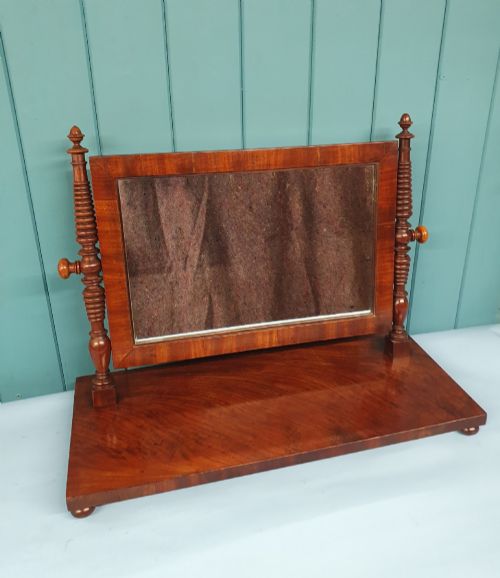
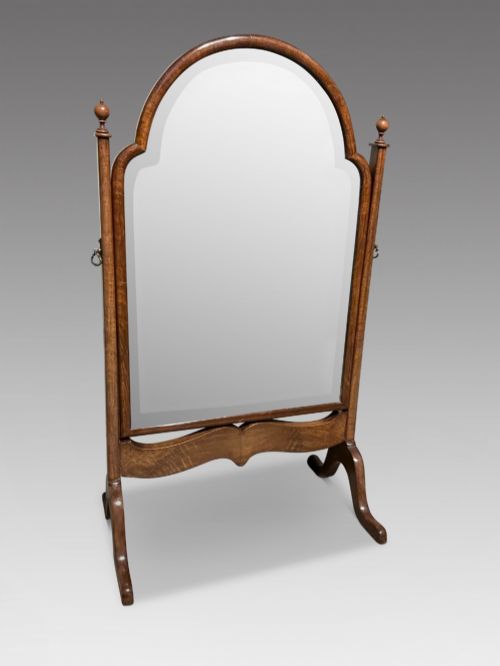
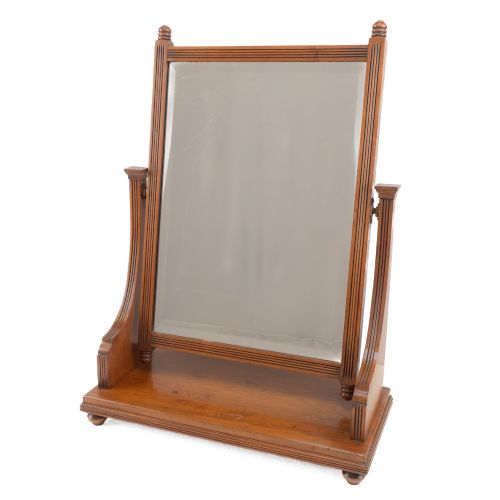
When you search for a vintage wooden tabletop mirror, you encounter pieces designed for dressing tables, chests of drawers, and vanity surfaces across several centuries. These items range from compact portable shaving mirrors to substantial swing mirrors mounted on shaped box bases or cheval frames.
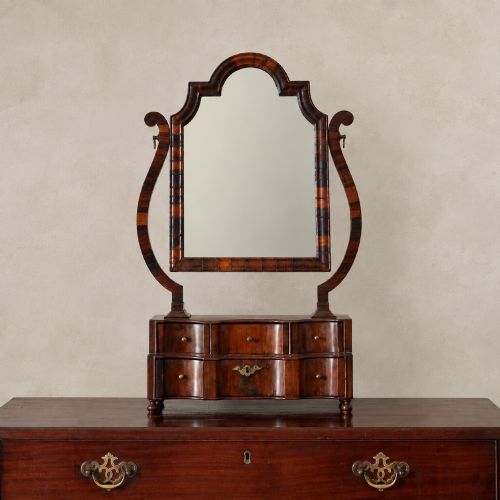
The versions you are most likely to meet on this page span the Georgian, Regency, and Victorian periods, with Edwardian and later 19th-century examples also appearing regularly. Many incorporate small drawers, serpentine fronts, or easel backs designed for practical everyday use in domestic chambers.
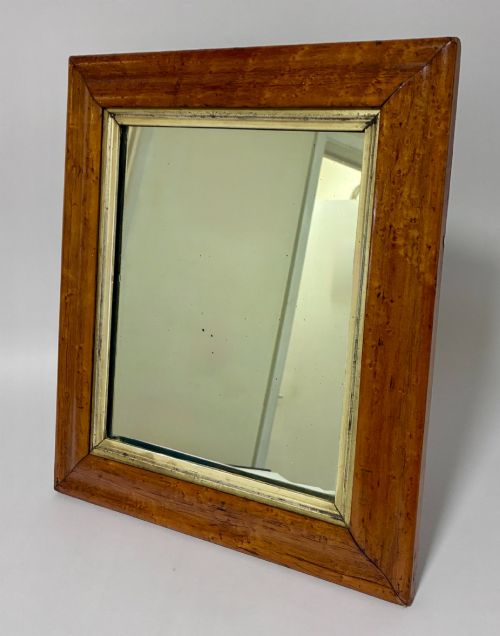
Makers utilised various traditional timber forms, including mahogany, walnut, and birds-eye maple, sometimes enriched with marquetry or giltwood details. These objects function as both working mirrors and decorative focal points within traditional and eclectic interiors alike.
Materials and construction methods
Cabinetmakers constructed the frames and support stands of these mirrors using solid and veneered hardwoods such as mahogany and walnut. Frame joints often feature fine dovetailing, particularly on the small box bases and drawer units that support the swing glass.
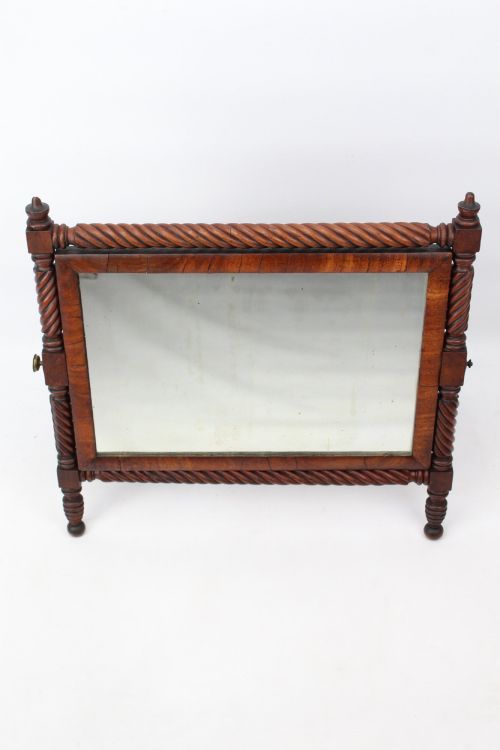
Reflecting surfaces consist of traditional mirror glass held within pivoting frames secured by brass mounting screws, arms, and occasionally bone fittings. Detail work ranges from rope twist carvings and laburnum banding to intricate marquetry and Renaissance-style carved giltwood.
Vintage Wooden Tabletop Mirror Retail Price Guide 2026
Typical asking prices for vintage wooden tabletop mirror among the pieces listed under this phrase on Sellingantiques today, from the lower quarter to the upper quarter. They describe what is for sale here now, not the wider market.
Some tiny campaign mirrors packed away neatly so officers could maintain their dignity while shaving in a tent.
Distinctions in craftsmanship and condition
The distinction between standard examples and the finest pieces lies in the choice of timber figure, such as richly grained Cuban mahogany or burr walnut. Superior pieces display crisp carving, balanced proportions, and careful attention to secondary timbers within drawer linings.
Proportion and structural integrity also define the upper tier of these mirrors, where original brass hardware, clean glass, and tight pivoting mechanisms remain intact. Finer workshops invested greater labour in serpentine fronts, subtle inlays, and sophisticated easel or campaign folding mechanisms.
Heal And Sons·P And MA Nicholson
The Vintage Wooden Tabletop Mirror Glossary
- Toilet mirror
- A small mirror designed to sit upon a dressing table or chest, typically featuring a pivoting glass plate mounted above a small drawer base. These were essential bedroom furnishings during the Georgian and Victorian eras.
- Cheval mirror
- A full-length or large tabletop mirror suspended on a vertical frame that allows the glass to tilt fully. The name derives from the French word for horse.
- Box mirror
- A tabletop mirror where the supporting base incorporates a small enclosed compartment or set of drawers. These often served dual purposes for secure storage of trinkets or shaving gear.
- Campaign mirror
- A portable mirror fitted with folding elements designed for travel by military officers or travellers. They utilise robust timbers and compact folding frames for easy transport.
Vintage Wooden Tabletop Mirror: Frequently Asked Questions
What is a tabletop dressing mirror?
A tabletop dressing mirror is a portable looking glass mounted on a wooden frame or stand designed to rest on top of a chest of drawers or dressing table. They allow users to adjust the angle of reflection for grooming.
Historically, these pieces formed an essential part of bedroom furniture before fitted wardrobes and wall mirrors became standard. Many incorporate small drawers at the base for holding jewellery or personal items.
How do I date an antique mirror?
Dating relies on examining the timber species, construction techniques like dovetailing, and the style of the frame or base. Georgian and Regency pieces often feature clean classical lines, while Victorian examples introduce heavier proportions and burr veneers.
Hardware such as brass screw caps and the clarity or bevelling of the mirror glass also provide clues to the period of manufacture. Secondary woods inside drawers help confirm the era.
Where should I place a tabletop mirror?
These mirrors work best on sturdy surfaces like dressing tables, sideboards, or chest tops where they can be securely positioned. Placing them opposite a window helps maximise natural light in a room.
Ensure the surface is level and deep enough to support the footprint of the stand, particularly for mirrors with tilting frames or heavy box bases.
How are campaign mirrors different?
Campaign mirrors are built for portability, featuring folding stands or protective wooden cases intended for travel. They use durable hardwoods to withstand frequent movement.
These pieces reflect 19th-century military life where officers carried personal furnishings on campaign. Their compact design makes them versatile for placement in modern spaces.