



Maple Wood Vanity Mirror
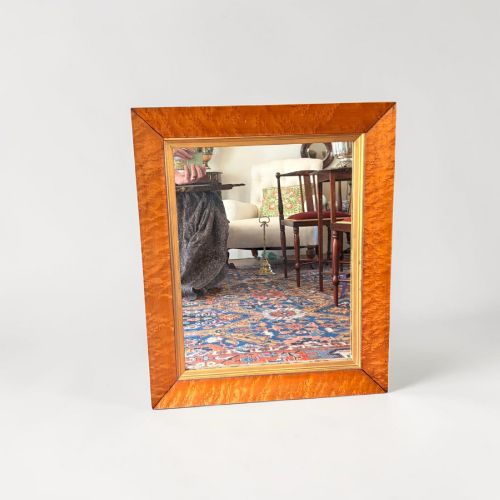
A maple wood vanity mirror offers practical function paired with striking grain patterns, making it a desirable addition to any period dressing table or chest.
Maple Wood Vanity Mirror
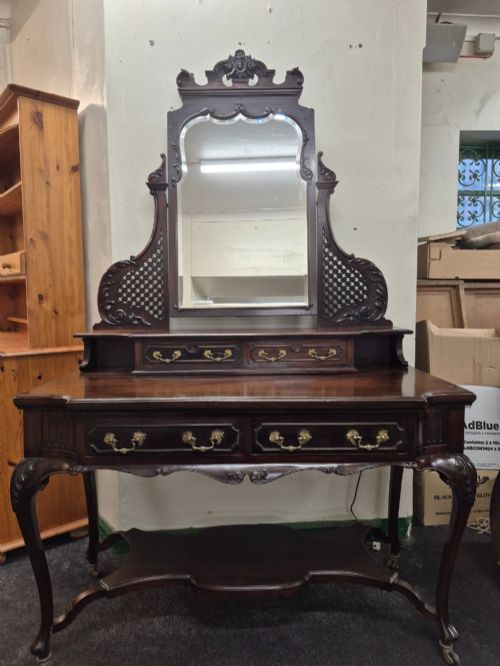
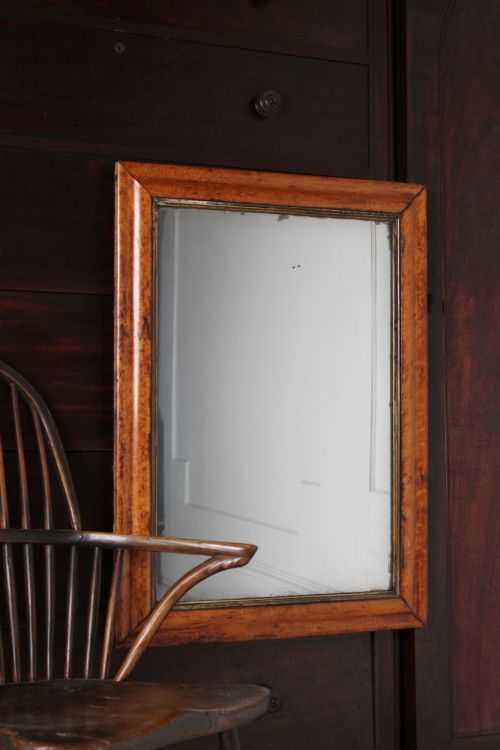
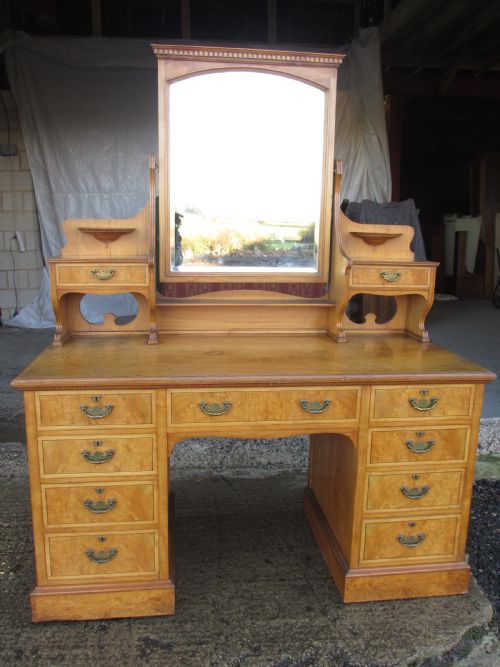
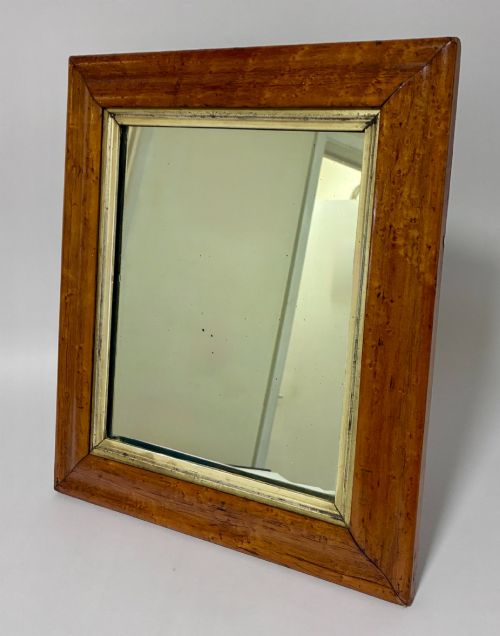
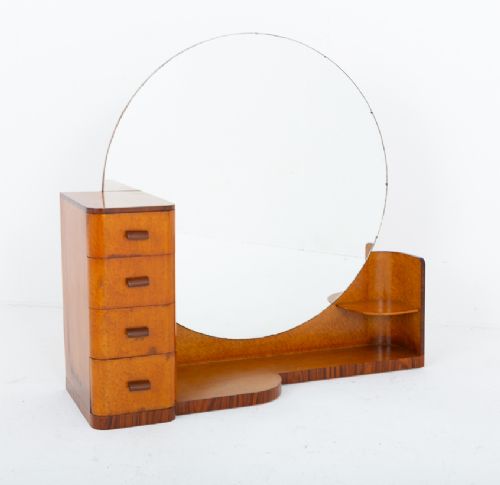
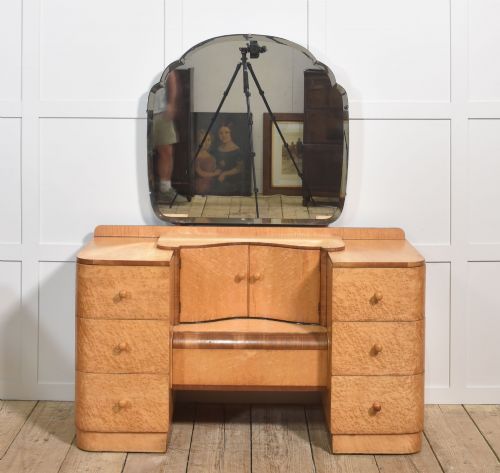
When you search for a maple wood vanity mirror, you encounter dressing mirrors, easel-back pieces, and larger dressing tables equipped with integral mirror glass.
The selections span distinct periods, ranging from Georgian and William IV examples through to Victorian pieces and streamlined Art Deco creations.
You are most likely to meet pieces constructed from birds eye maple or burr maple, often paired with mirror glass and wooden support frames.
How they were made
Craftsmen utilised solid timbers alongside birds eye maple veneer to create distinctive figured surfaces on the mirror frames and dressing tables.
Makers incorporated clear mirror glass, sometimes supported by easel backs or integrated into larger dressing furniture alongside walnut and gilt wood elements.
Maple Wood Vanity Mirror Retail Price Guide 2026
Typical asking prices for maple wood vanity mirror among the pieces listed under this phrase on Sellingantiques today, from the lower quarter to the upper quarter. They describe what is for sale here now, not the wider market.
This site's listings show maple wood vanity mirrors and dressing tables spanning the Georgian, Victorian, William IV, and Art Deco periods.
What varies in quality
The depth and consistency of the birds eye maple figure distinguish standard examples from exceptional pieces of furniture.
Construction methods and period detailing, such as the execution of Art Deco modernist lines or Georgian cabinetwork, dictate the overall standard.
Harry and Lou Epstein
The Maple Wood Vanity Mirror Glossary
- Birds Eye Maple
- A figured timber showing small, circular eye patterns caused by local distortions in the wood growth. It is highly valued for decorative veneer work on furniture and mirror frames.
- Easel Back
- A hinged rear strut that allows a table mirror to stand upright on a surface without wall mounting. This feature is common on smaller dressing mirrors.
- Burr Maple
- A growth on a maple tree that produces intricate, swirling grain patterns. Cabinetmakers sliced this wood into thin veneers for high-end decorative surfaces.
- Art Deco
- A design style from the early twentieth century characterised by sleek geometric lines and modern ornamentation. Pieces from this era often feature streamlined maple veneers.
Maple Wood Vanity Mirror: Frequently Asked Questions
How do I date a maple mirror?
Examine the construction methods, edge bevels on the glass, and overall styling to determine the period of origin. Stylistic markers such as Art Deco geometry or Georgian proportions provide reliable chronological clues.
Inspect the secondary woods and backing boards for further evidence of age. Hand-cut fixings and historical wear patterns also help establish the decade of manufacture.
Where should I place a vanity mirror?
These pieces sit comfortably upon dressing tables, chests of drawers, or sturdy sideboards where they provide functional reflection. Ensure the supporting surface offers adequate depth for the frame or easel support.
Position the mirror to capture and reflect natural light within the room. This placement enhances the visual impact of the figured maple grain.
Are maple mirrors stable?
Most tabletop and easel-back versions rely on a rear strut or a weighted base for stability during daily use. Heavier dressing table combinations integrate the mirror securely into the main furniture carcass.
Place the piece on a flat, level surface to prevent undue stress on hinges and joints. Regular checks of the pivot screws or fixings maintain proper adjustment.
What is birds eye maple?
Birds eye maple is a distinct decorative wood figure featuring numerous small dots resembling little birds eyes. This natural phenomenon occurs within the sugar maple tree and creates highly patterned surfaces.
Cabinetmakers prized this timber for high-status furniture and dressing mirrors. Its distinctive appearance requires minimal additional ornamentation to stand out.