
Vintage Wooden Storage Chest
A vintage wooden storage chest brings character and practical containment to a room, spanning periods from the eighteenth century to the twentieth.
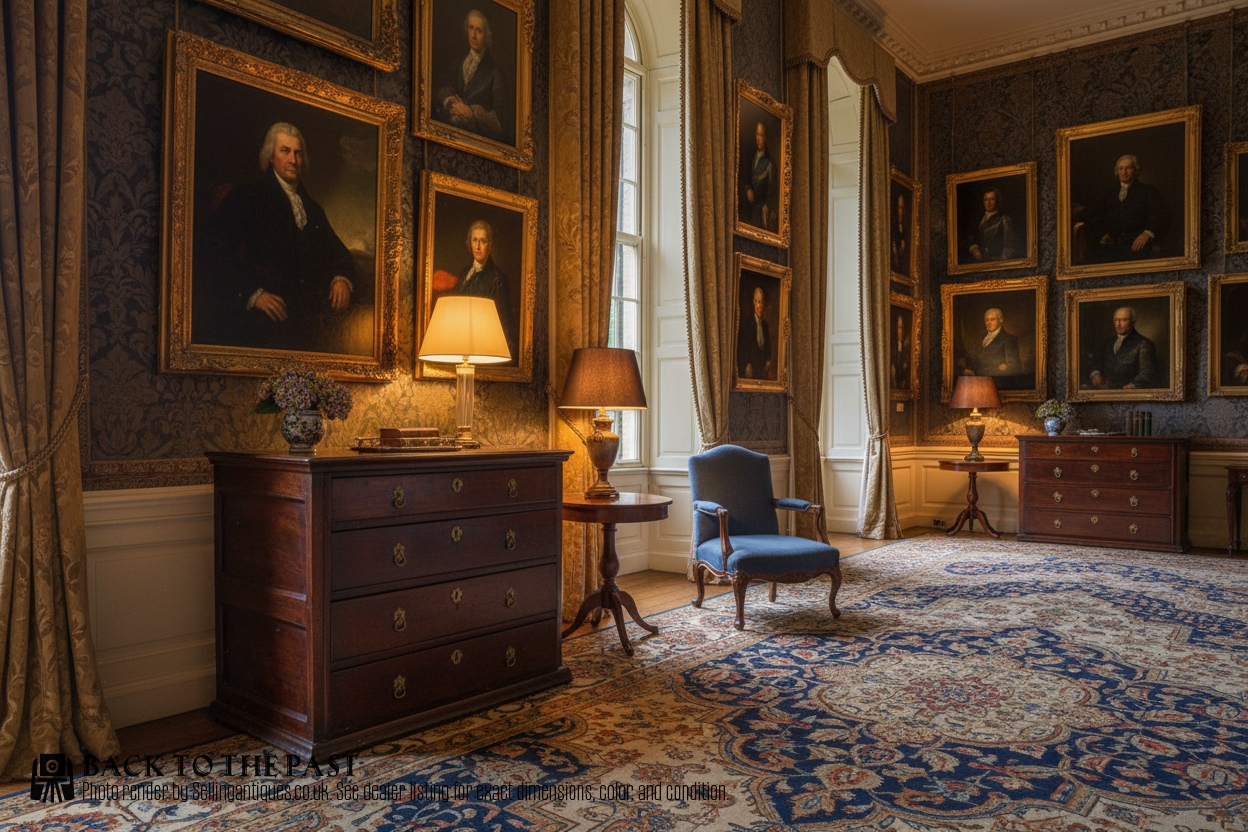
Vintage Wooden Storage Chest
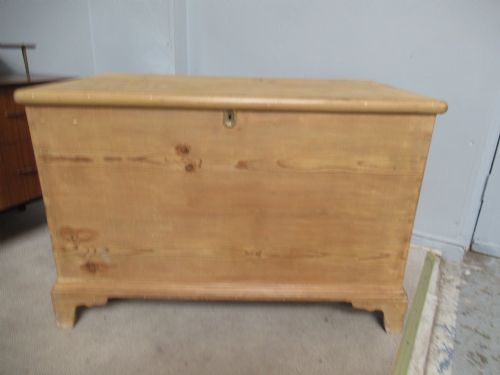
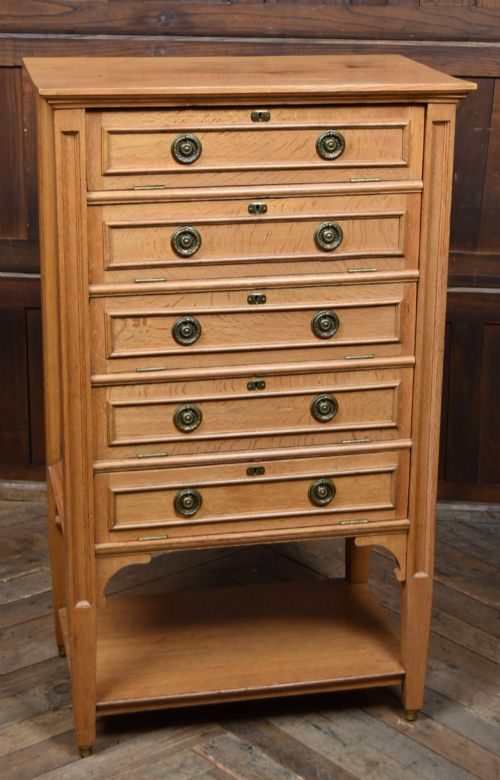
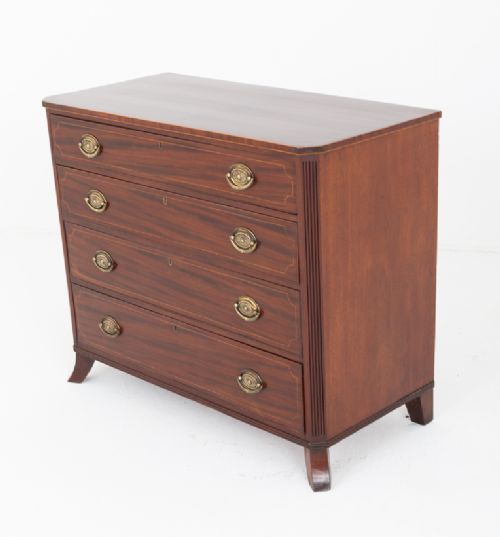
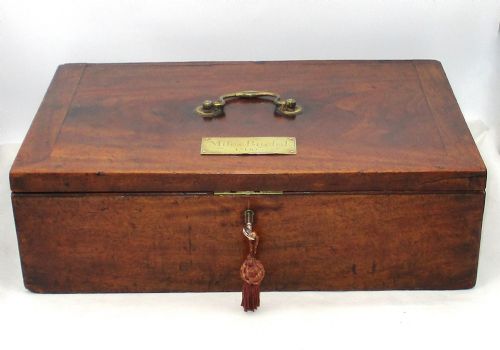
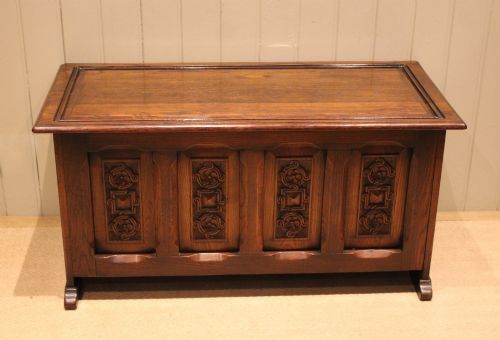
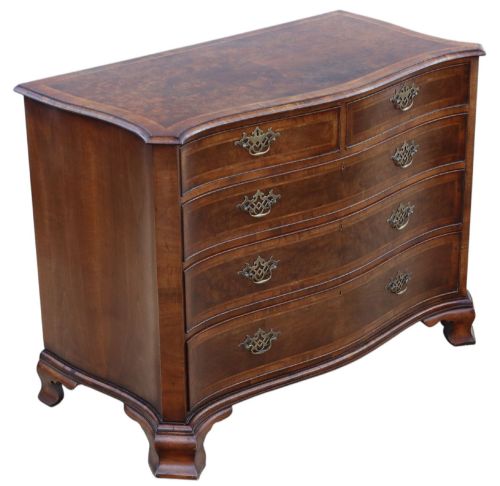
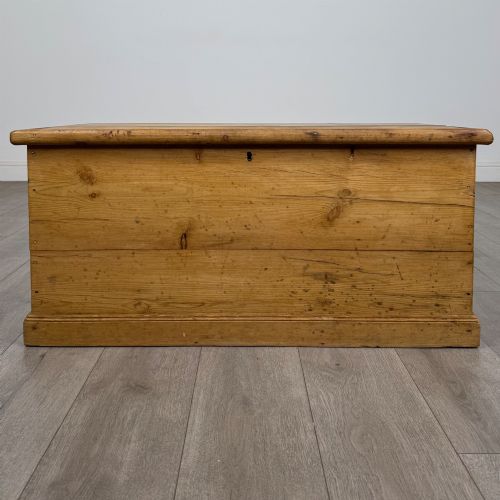
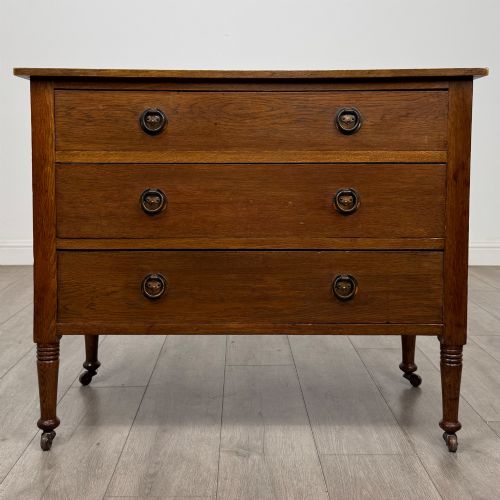
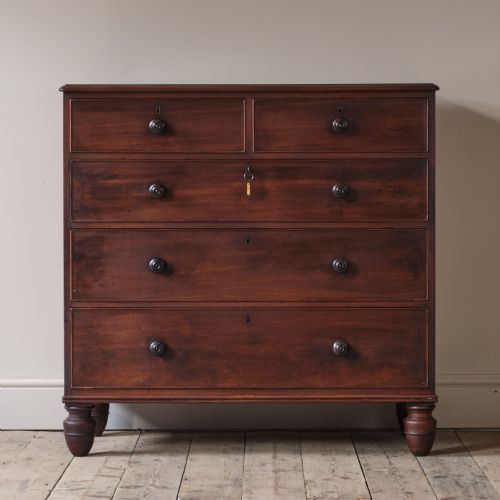
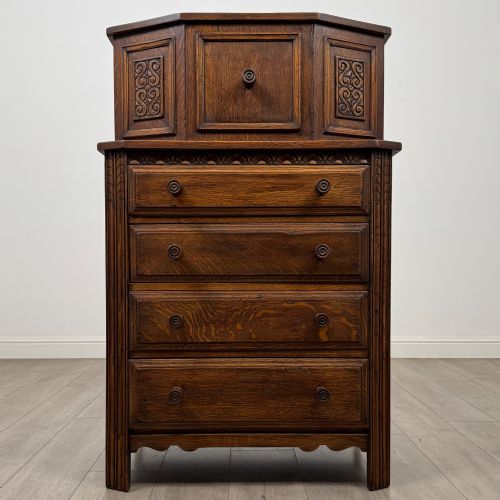
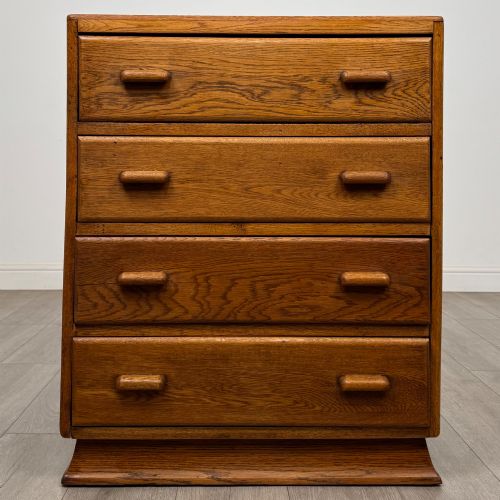
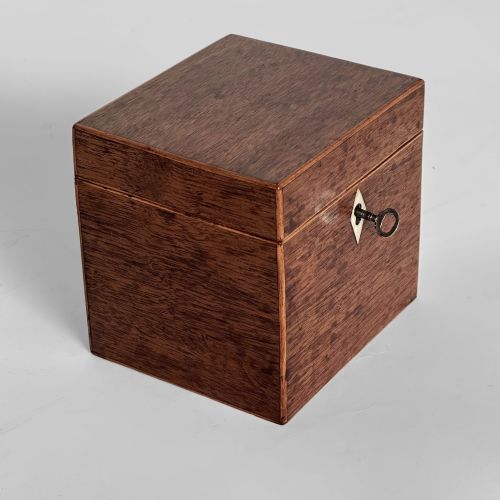
A vintage wooden storage chest encompasses a wide variety of practical forms designed to hold belongings securely. When exploring this selection, buyers encounter pieces ranging from eighteenth-century elm coffers and mahogany document boxes to nineteenth-century pine blanket boxes and campaign chests. These items served distinct domestic and travel needs, evolving from heavy utilitarian trunks to refined pieces of furniture.
The versions most frequently met on this page date from the Victorian and Edwardian eras, alongside Georgian and Regency examples. Pine and oak predominate in utilitarian storage trunks and blanket boxes, whilst mahogany and walnut appear in more formal chests of drawers and document boxes. Each period imparts specific proportions and decorative treatments, connecting contemporary interiors with historical craftsmanship.
Materials and construction
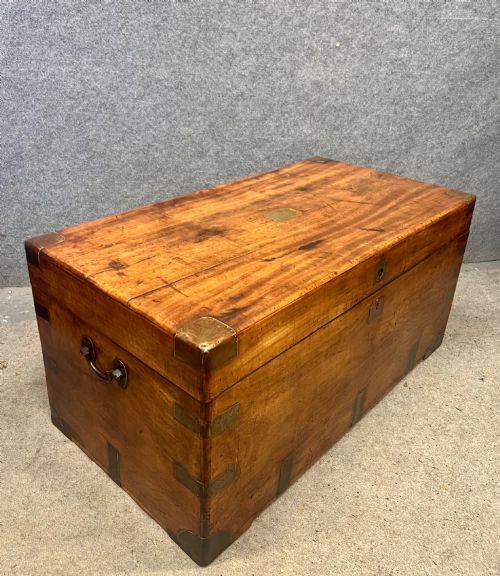
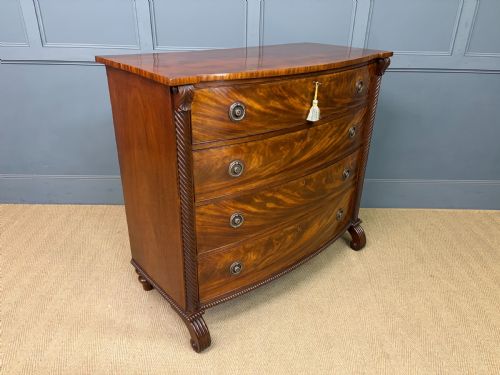
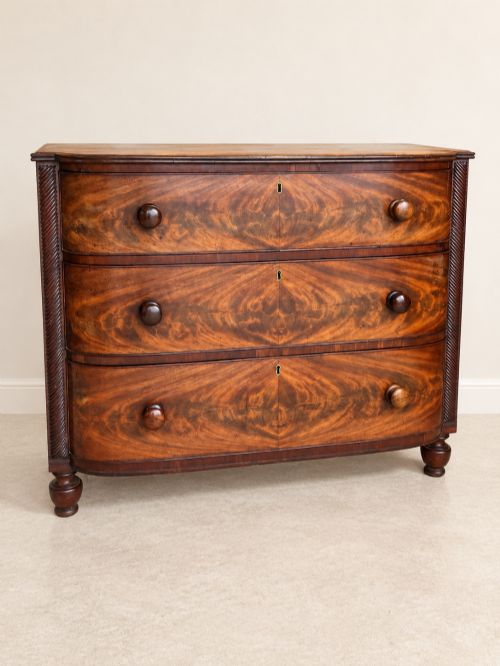
Makers utilised solid timbers such as oak, mahogany, walnut, elm, and pine, often enhancing finer cabinet work with flame mahogany veneer or crossbanded burr walnut. These woods provided both structural integrity and varied grain patterns, dictating whether a piece was suited for rustic utility or formal parlour display. Camphor wood also appears in specific travel-related contexts, valued for its aromatic qualities.
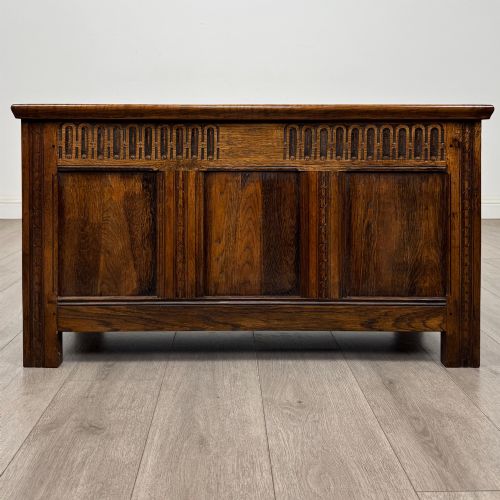
Joinery techniques ranged from traditional dovetail joints on drawers and boxes to heavy iron and brass bindings on campaign chests and steamer trunks. Carved details adorn certain heavy oak coffers, whilst others rely on clean lines and polished surfaces to highlight the natural figure of the timber. Brass hardware, including handles, locks, and corner brackets, provides both functional reinforcement and visual contrast.
Vintage Wooden Storage Chest Retail Price Guide 2026
Typical asking prices for vintage wooden storage chest among the pieces listed under this phrase on Sellingantiques today, from the lower quarter to the upper quarter. They describe what is for sale here now, not the wider market.
Camphor trunks retain their distinct medicinal scent after a century at sea, silently guarding linens from moths with botanical persistence.
Judging execution and finish
The distinction between standard and superior pieces rests on the selection of timber and the precision of the joinery. Finer items exhibit carefully matched veneers, tight dovetails, and substantial solid mahogany or walnut rather than secondary woods. Original hardware, such as brass campaign mounts and locks, also elevates the standing of a piece.
Proportion and surface finish further define the hierarchy. Items retaining their original polished surfaces or authentic stripped pine patination demonstrate greater integrity than those with heavy modern alterations. The clarity of carved elements on heavier coffers and the balance of bow-fronted chests of drawers indicate the skill of the original workshop.
T & G Seddon·Sir Clough Williams-Ellis
The Vintage Wooden Storage Chest Glossary
- Coffer
- A large wooden chest traditionally used for storing valuables, linens, or documents. Early examples often feature heavy oak or elm construction with hand-carved details.
- Campaign chest
- A portable set of drawers or a trunk designed to be dismantled or easily carried for military campaigns. These pieces typically feature brass corners, flush handles, and sectional construction.
- Dovetail
- A joint formed by interlocking wedge-shaped fingers, used extensively in drawer construction. Its presence indicates traditional hand-craftsmanship and structural strength.
- Veneer
- A thin layer of figured wood applied to a secondary timber base to create decorative patterns. Flame mahogany and burr walnut are common examples found on finer storage furniture.
- Blanket box
- A large chest intended for storing bedding and textiles, frequently constructed from pine or oak during the nineteenth and twentieth centuries.
Vintage Wooden Storage Chest: Frequently Asked Questions
What is a camphor wood chest?
A camphor wood chest is a storage trunk made from the aromatic wood of the camphor tree. These pieces were frequently utilised during the nineteenth and twentieth centuries for travel and maritime use.
The natural scent of the timber helped deter insects and protected stored textiles from dampness during long sea voyages.
How do I date a wooden chest?
Dating a wooden chest involves examining the construction methods, timber choices, and hardware style. Hand-cut dovetails, secondary woods, and surface patination provide clues to the era of manufacture.
stylistic markers such as Georgian proportions or Edwardian brasswork further narrow the timeline of the piece.
Where were blanket boxes placed?
Blanket boxes were traditionally kept in bedrooms or hallways to store heavy linens, blankets, and seasonal garments. Their flat tops also allowed them to function as makeshift seating.
In modern interiors, they continue to serve a similar storage function at the foot of a bed or within a living space.
What is a document box?
A document box is a small, portable wooden container designed to hold important papers, letters, and valuables. Eighteenth-century examples often feature fine mahogany construction.
These boxes frequently incorporate internal compartments and working locks to secure sensitive correspondence.