

Vintage Wooden Occasional Table
A vintage wooden occasional table brings practical surface space and period character to a room, spanning forms from nests of tables to Pembroke and tilt-top designs.
Vintage Wooden Occasional Table
A vintage wooden occasional table covers a diverse group of small furniture designed to be moved easily around a room as needs arise. When searching for a vintage wooden occasional table, buyers encounter formats ranging from nests of tables and wine tables to Sutherland tables and bedside stands.
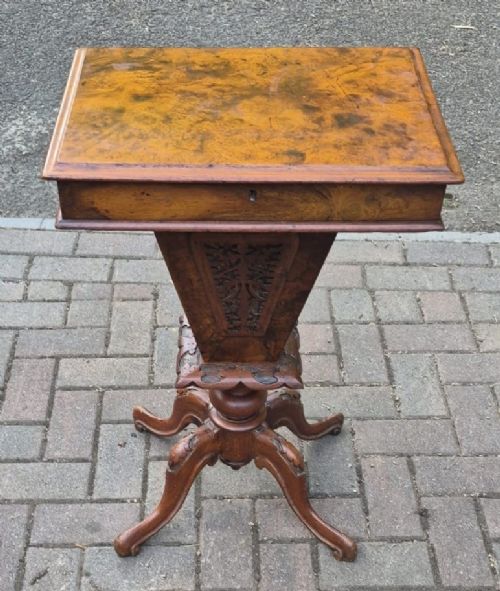
The selections span multiple eras, with Edwardian and Victorian pieces appearing alongside Georgian styles and 1930s Art Deco examples. Oak and mahogany dominate the listings, frequently accompanied by walnut, burr walnut, and rosewood.
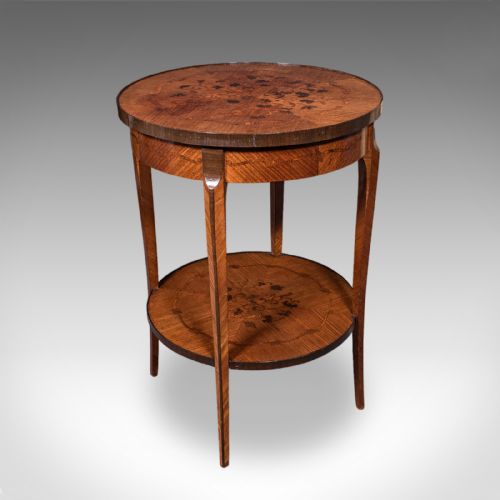
Object types on offer include side tables, coffee tables, drop leaf occasional tables, and specialised items like sewing tables and canterburys. These pieces served domestic functions in sitting rooms and bedrooms, fulfilling roles for lamps, books, and tea.
Materials and construction
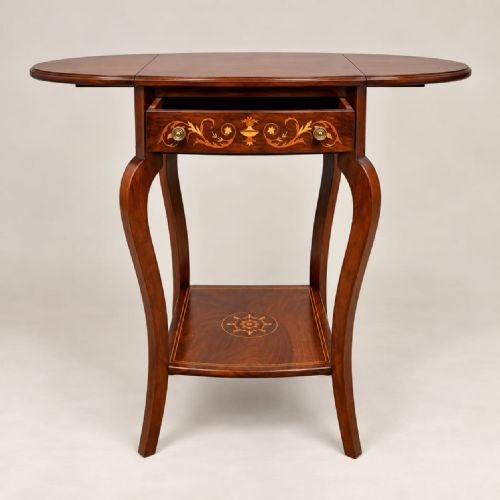
Cabinet makers utilised solid timbers alongside veneered surfaces, pairing oak, mahogany, and walnut with decorative woods such as satinwood and burr walnut. Brass hardware, inlaid details, and marble tops appear on specific pieces from the nineteenth and early twentieth centuries.
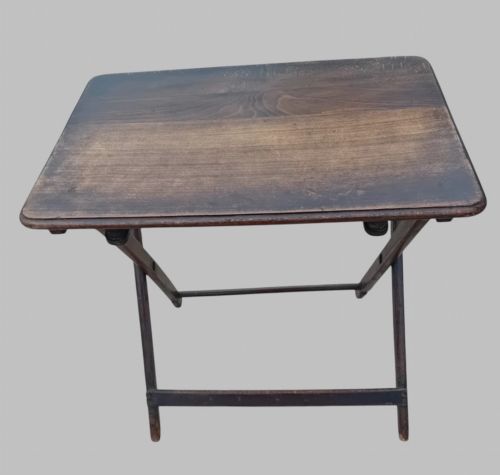
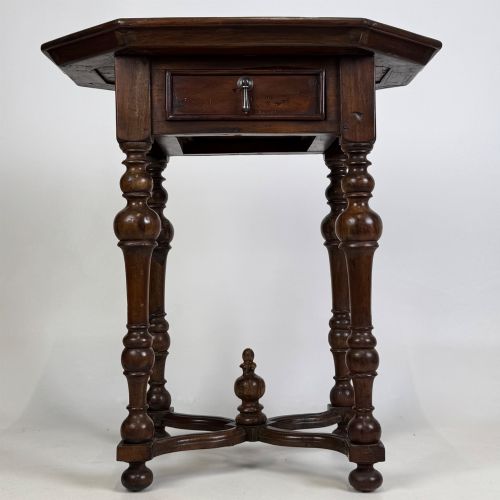
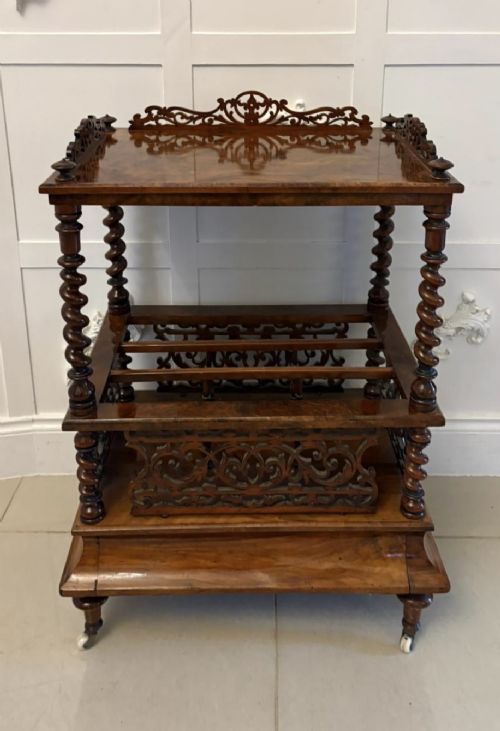
Construction techniques include traditional joinery, turning such as barley twist legs, chip carving, and drop-leaf mechanisms. Folding campaign styles and nesting configurations demonstrate functional ingenuity suited to compact domestic spaces.
Some tables double as chess boards or magazine racks, proving our ancestors loved multitasking furniture just as much as we do.
Factors in quality
The caliber of a piece depends on the selection of timber figures, such as burr walnut or figured mahogany, and the crispness of any inlaid work or carved details. Finer examples display meticulous joinery and balanced proportions that elevate standard utility furniture into considered design.
Condition and originality dictate distinction, rewarding tables that retain their original polished surfaces, stable pedestals, and working drop-leaf or folding mechanisms without structural compromise.
The Vintage Wooden Occasional Table Glossary
- Pembroke table
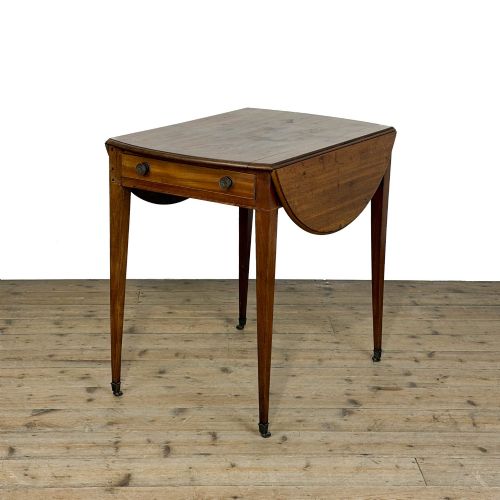
- A small table with hinged drop leaves on either side, often featuring a single drawer. It was designed for versatility in eighteenth and nineteenth-century parlours.
- Sutherland table
- A narrow drop-leaf table where the leaves are exceptionally large and the folding legs swing out to support them. This design folds down to a slim footprint when not in use.
- Canterbury
- A low multi-section stand originally built to hold sheet music, frequently adapted as a magazine rack combined with an occasional table top.
- Tilt top table
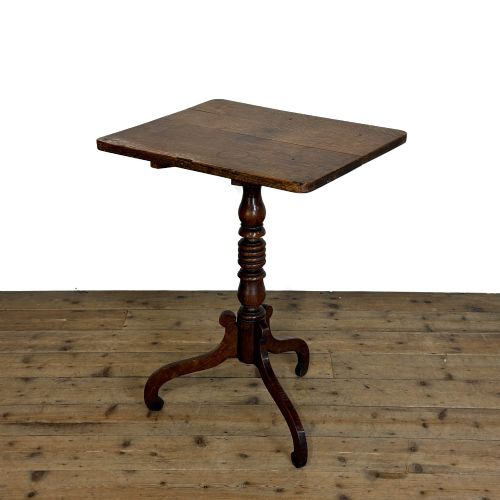
- A pedestal table featuring a mechanism that allows the wooden top to pivot vertically for storage against a wall. This form became popular in the Georgian and Victorian periods.
- Nest of tables
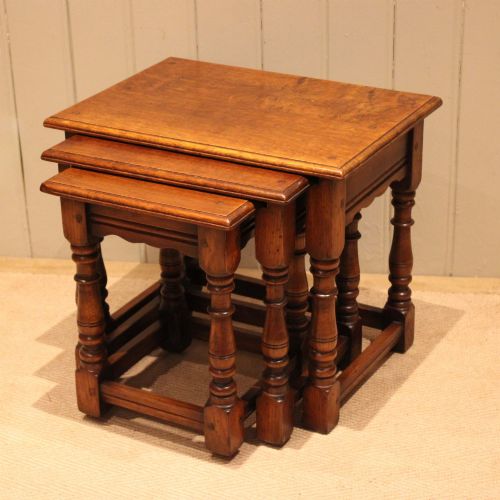
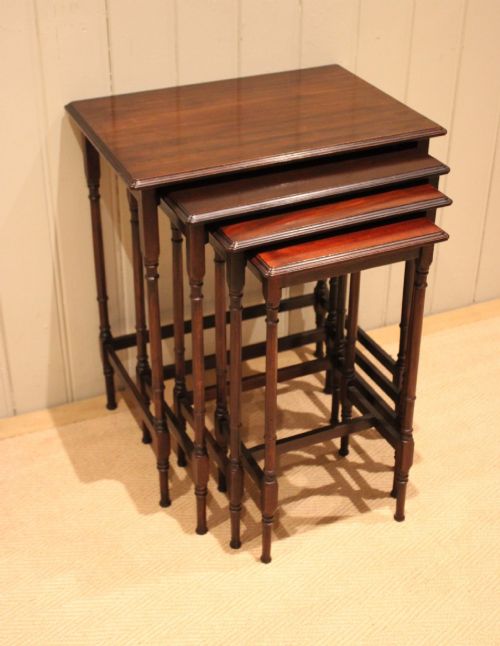
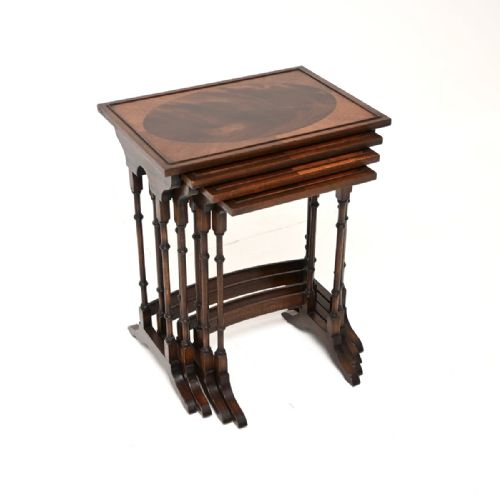
- A set of graduated tables designed to slide one beneath another to save floor space. Edwardian makers produced these in sets of three, four, or five.
Vintage Wooden Occasional Table: Frequently Asked Questions
What is a vintage occasional table used for?
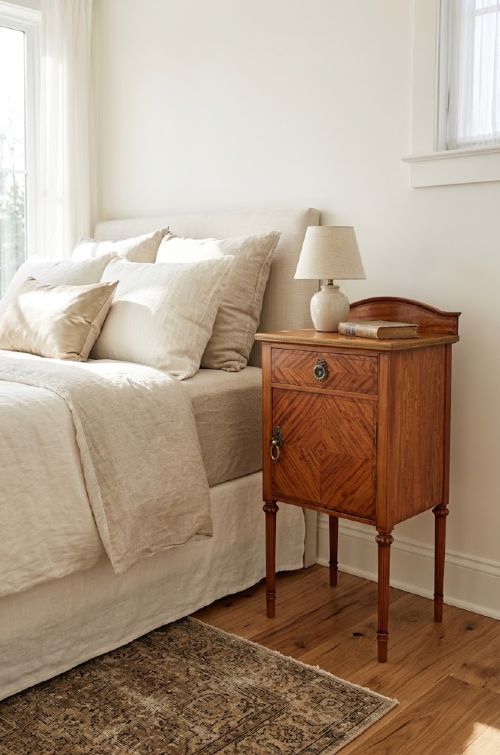
These tables provide portable surface space for lamps, drinks, and books within living rooms and bedrooms. Their compact dimensions allow them to sit beside armchairs or against walls without dominating a room.
Historically, specific variants accommodated sewing materials, magazines, or tea services. Today, they function as versatile accents that integrate period woodwork into modern interiors.
How do I identify an Edwardian table?
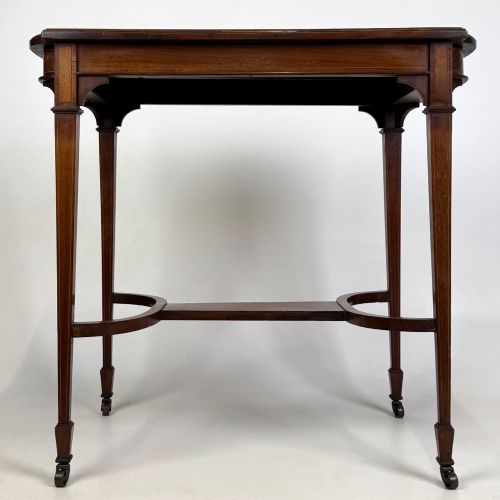
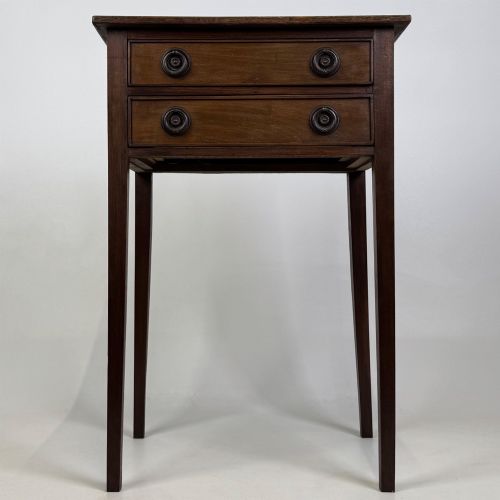
Edwardian tables often display lighter timbers like satinwood or Sheraton-inspired mahogany inlay, reflecting a shift toward brighter domestic interiors. Common markers include slender tapered legs, satin finishes, and practical nesting designs.
Cabinet makers of this era also utilised oak with barley twist turnings, drawing inspiration from earlier seventeenth-century styles while maintaining domestic utility.
What is the difference between a side table and a lamp table?
Side tables generally offer a rectangular or square surface intended to stand against a wall or beside furniture. Lamp tables are often circular or oval, designed specifically to hold lighting fixtures in conversational groupings.
In practice, vintage listings often group these terms together as both describe small, movable wooden tables fulfilling general support roles.
Are nesting tables an Edwardian invention?
While nesting tables gained widespread popularity during the Edwardian period, their development evolved through the nineteenth century as makers sought space-saving solutions for smaller Victorian homes. Edwardian examples frequently feature sets of three or four graduating tables in mahogany or oak.
They remain sought after for their dual nature as a compact single unit that expands into multiple independent surfaces when entertaining.
How do I care for a vintage wooden table?
Protect wooden surfaces from direct sunlight and excessive moisture by using coasters and avoiding placement near heat sources. Regular dusting with a soft cloth maintains the finish without needing heavy chemical polishes.
Applying a traditional beeswax periodically nourishes older timbers like mahogany, walnut, and oak, preserving their natural grain and lustre.