


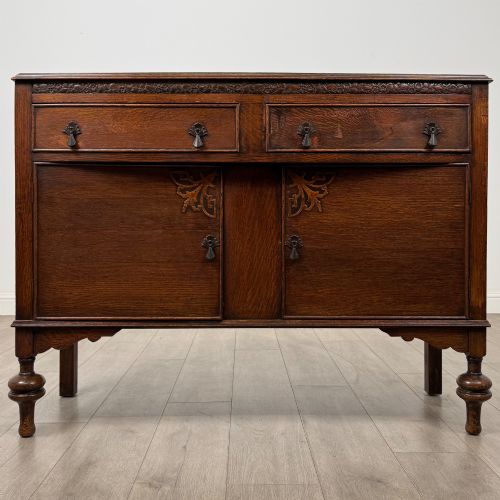
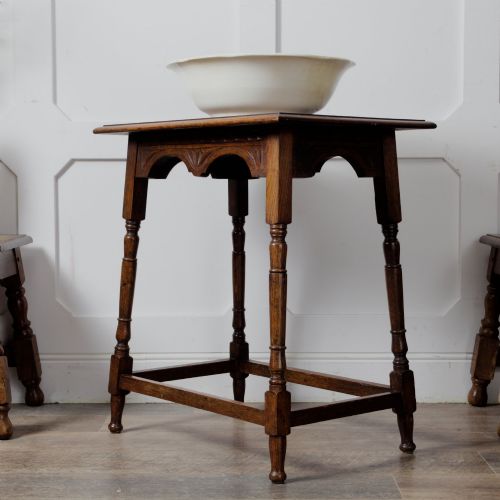
Edwardian Carved Wood Table
An edwardian carved wood table brings tactile warmth and refined detail to a room, offering both practical surface space and historic character.
Edwardian Carved Wood Table
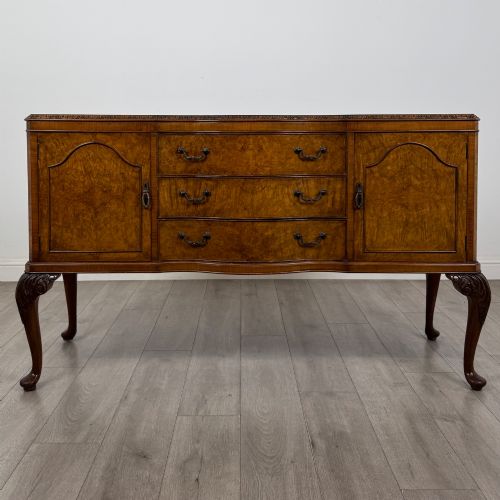
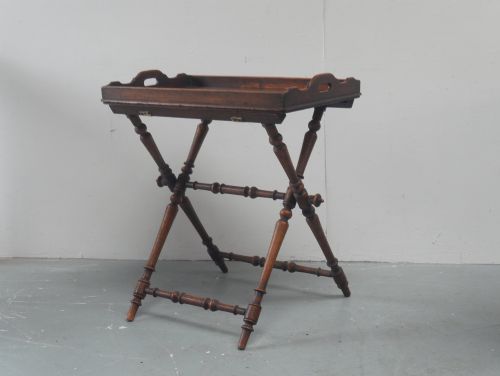
When you search for an edwardian carved wood table, you encounter pieces designed for versatile domestic use around the home. The selection spans occasional tables, wine tables, side tables, and writing desks produced during the early twentieth century.
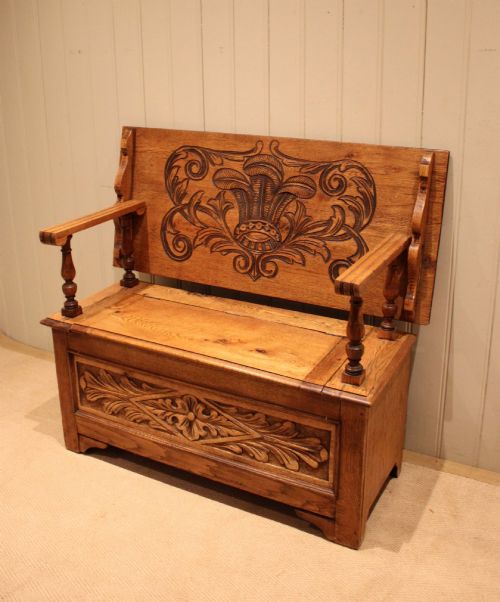
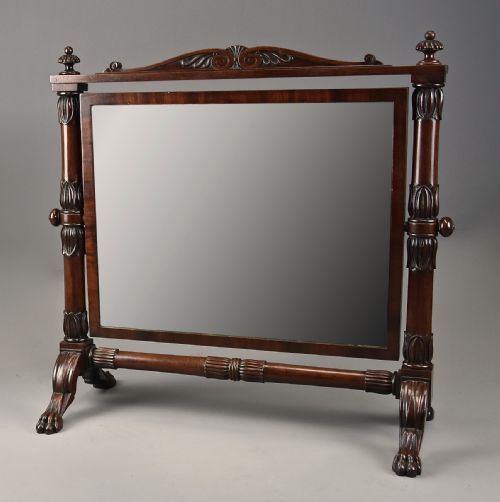
Mahogany and oak dominate the forms seen here, frequently carrying revival styles such as Chippendale, Adam, and Gothic influences. These tables served as functional furniture for tea, writing, or display in Edwardian parlours and sitting rooms.
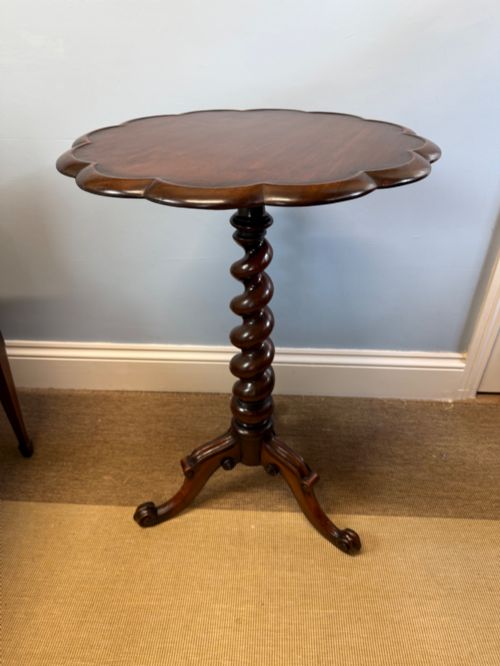
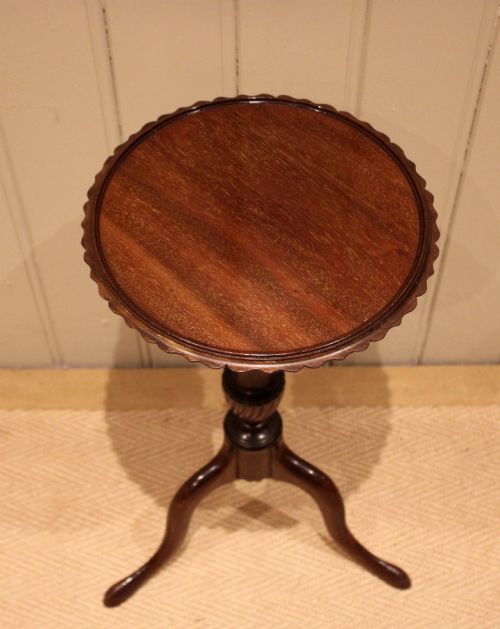
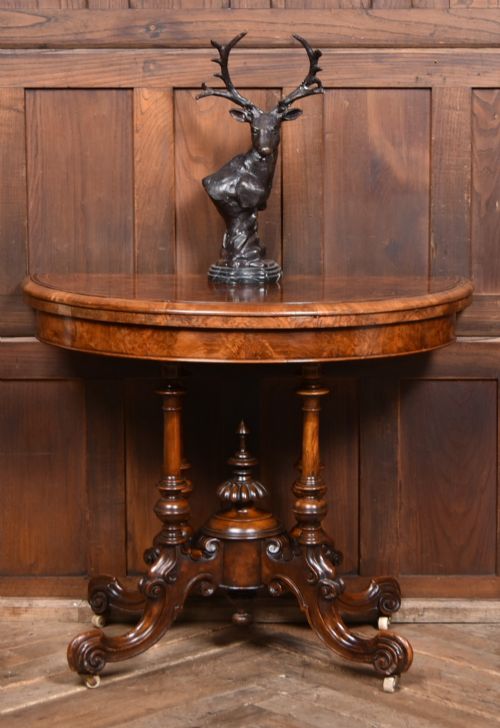
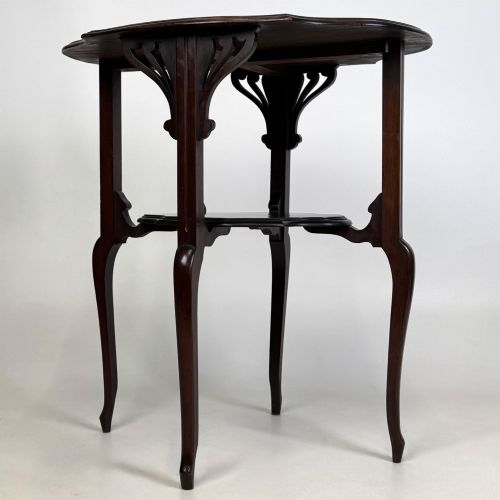
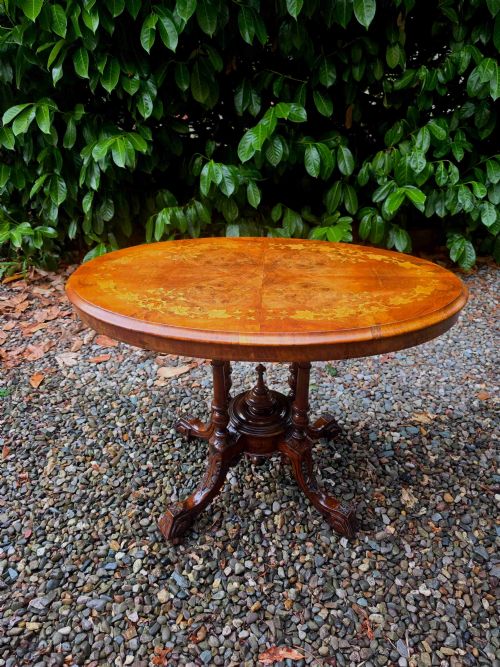
The version most commonly met on this page is the compact occasional or side table in mahogany or oak. These pieces demonstrate the period's preference for carved ornamentation, tripod bases, and inlaid timber details.
How they were made
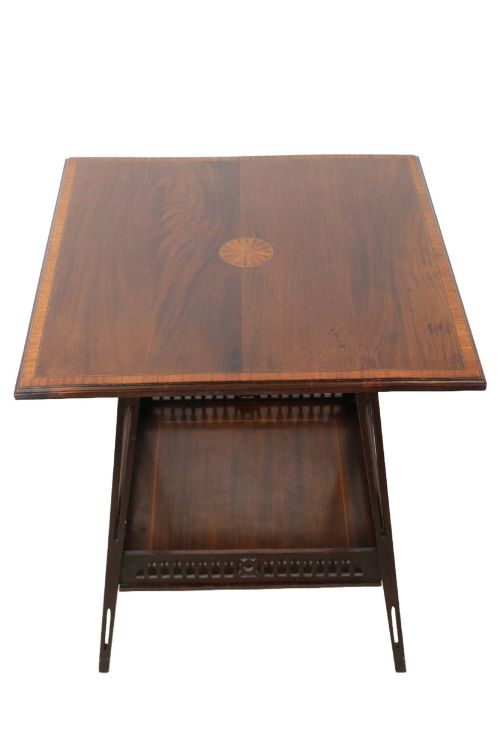
Cabinet makers utilised solid timbers like mahogany, oak, and walnut, often applying burr veneers or satinwood inlay to create decorative contrast on table tops and friezes. Timber selection defined the initial character and weight of each piece.
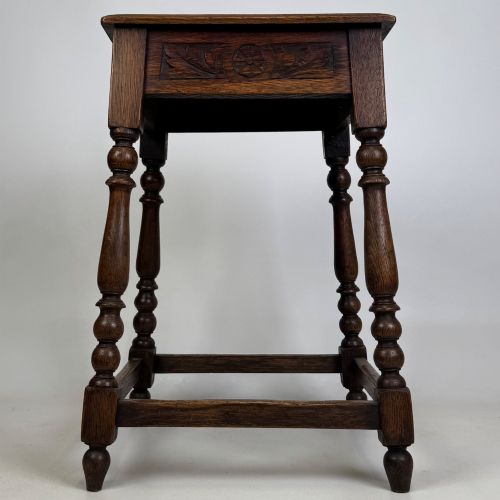
Carving was executed by hand, bringing depth to table rims, legs, and aprons in styles ranging from simple geometric motifs to elaborate revival flourishes. Brass fittings and glass elements appear as secondary materials on specific forms such as games tables and cabinets.
Some Edwardian wine tables were built with tops small enough to hold precisely one glass and a decanter, discouraging overly enthusiastic toasts.
What varies in quality
The distinction between standard production and superior work lies in the crispness of the timber carving and the selection of figured veneers. Finer examples display harmonious proportions, tight joinery, and carefully chosen grain patterns across the primary surfaces.
Maker attribution elevates certain pieces, particularly those bearing stamps or documentation from notable firms of the period. The integration of secondary materials, such as bone inlay or quality brass hardware, also marks the upper tier of manufacture.
Trevor Page And Co·Liberty And Co·Waring And Gillows
The Edwardian Carved Wood Table Glossary
- Occasional table
- A small, movable table designed for light, specific uses around a room. They appear frequently in Edwardian interiors as stands for lamps or decorative items.
- Tripod table
- A small table supported by three legs radiating from a central pillar. This form allows the table to stand stably on uneven floors.
- Inlay
- A technique where pieces of contrasting timber or bone are inserted into depressions in the base wood to form decorative patterns. Satinwood is often utilised for this purpose.
- Frieze
- The horizontal band running directly beneath the table top. It frequently incorporates drawers or carved ornamentation.
- Pie crust rim
- A raised, scalloped edge carved around the perimeter of a circular table top. This decorative feature resembles the crimped edge of a pastry crust.
Edwardian Carved Wood Table: Frequently Asked Questions
What rooms suit an edwardian carved wood table?
These pieces fit naturally into sitting rooms, hallways, and studies where surface space is required alongside period character. Their compact dimensions allow them to function as lamp stands, bedside tables, or display surfaces.
They pair well with both traditional and contemporary interiors, adding historic warmth and timber texture to a room without dominating the floor space.
How do I identify an edwardian carved wood table?
Look for characteristic timber choices such as mahogany and oak, combined with decorative carving styles drawing on Chippendale, Adam, or Gothic revival motifs. The proportions tend to be lighter and more slender than their heavy Victorian predecessors.
Construction details, timber patination, and design symmetry help separate pieces made in the early twentieth century from later reproductions or earlier nineteenth-century variants.
Were these tables used for dining?
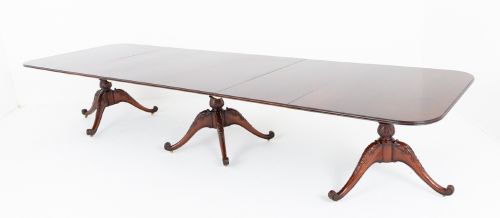
While large extending dining tables exist from the period, the tables found under this specific search are predominantly occasional, side, or wine tables. These smaller formats were intended for holding books, tea services, or decorative objects rather than formal meals.
Their lightweight construction meant they could be easily moved around the home as household needs changed throughout the day.
How should I care for timber surfaces?
Maintain the wood by keeping the table away from direct heat sources and strong sunlight, which can dry out and fade the polish over time. Regular dusting with a soft, dry cloth preserves the natural lustre of the mahogany or oak.
Applying a quality beeswax periodically nourishes the timber and protects the finish without building up heavy chemical residues.