





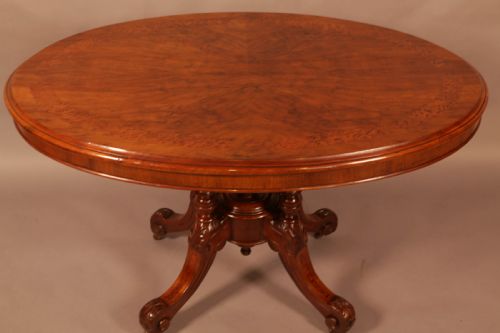
Victorian Walnut Window Table
A victorian walnut window table is a compact timber surface built for natural light, offering warmth and practical elegance to a room.
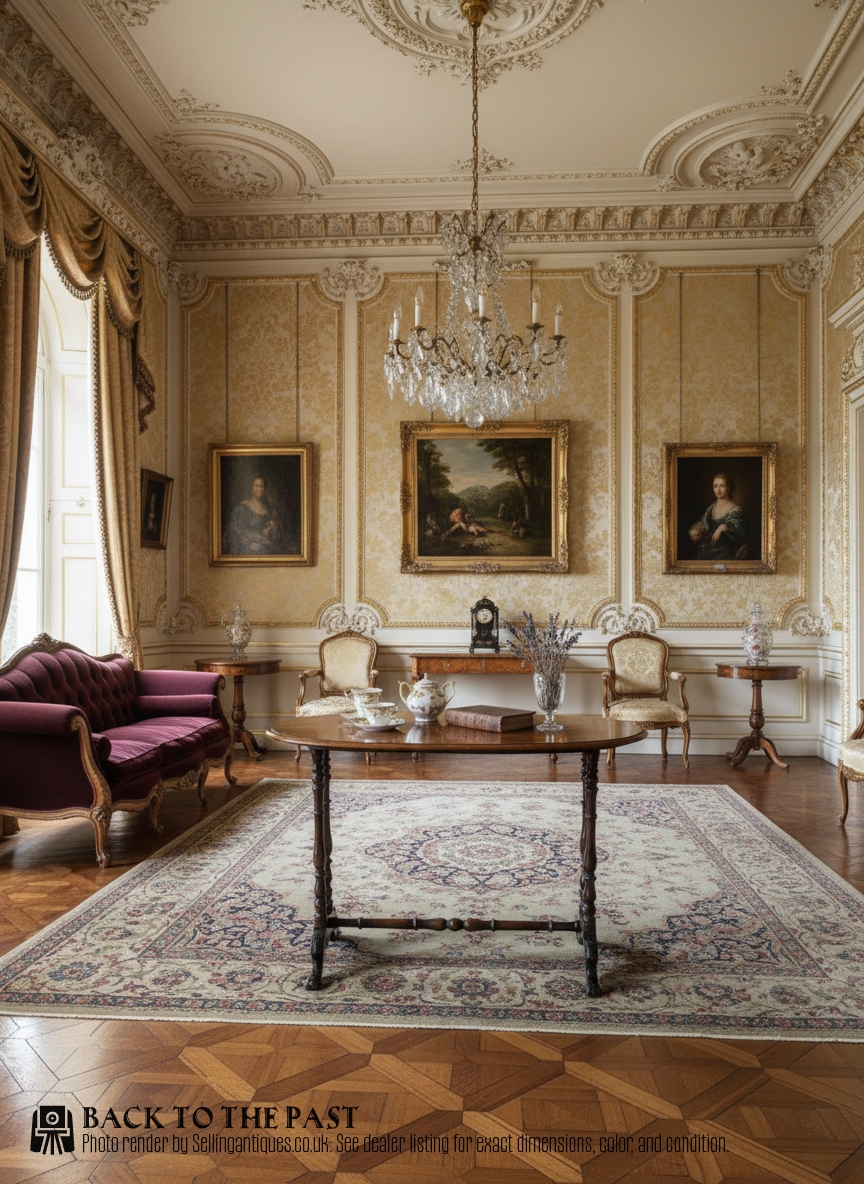
Victorian Walnut Window Table
A victorian walnut window table is a compact surface designed to sit near a casement to catch the light, appearing across the nineteenth century and into the Edwardian era. These pieces function primarily as occasional, centre, or side tables, adapting easily to smaller spaces within a home.
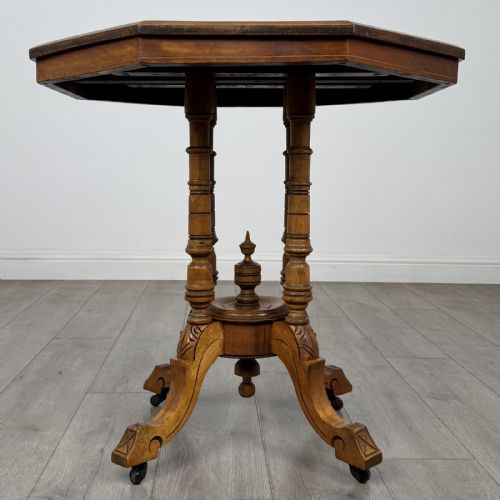
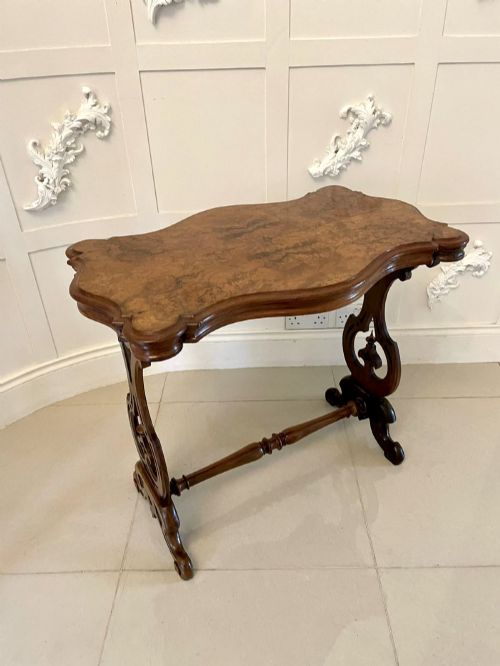
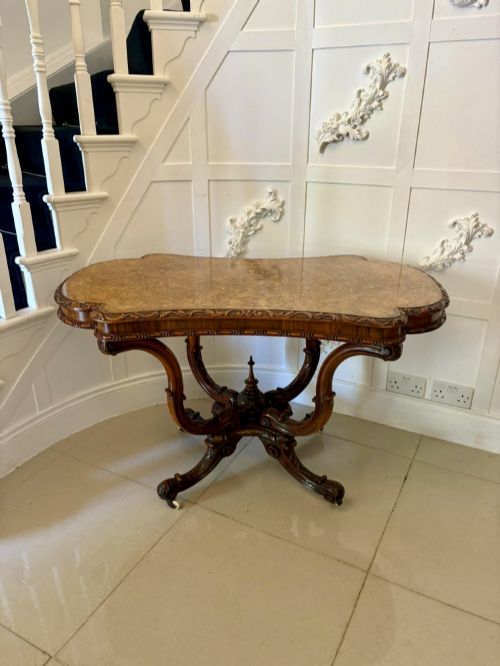
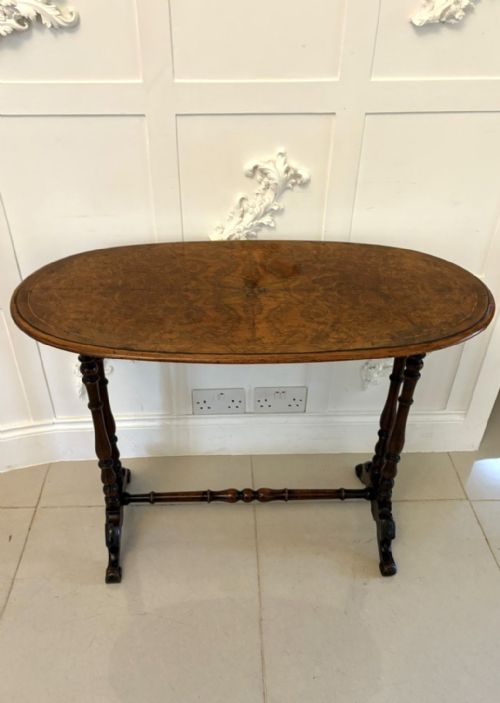
Burr walnut dominates the selection, often enriched with marquetry, wood inlay, or amboyna details. The forms include shaped tops, oval surfaces, and specialised jardiniere designs meant for holding plants.
Most examples originate from the Victorian period, though Edwardian and Aesthetic Movement variations also appear. Buyers frequently encounter shaped tops and inlaid surfaces that reflect the decorative tastes of the era.
Materials and Construction
Makers utilised solid walnut and burr walnut veneers to achieve rich, figured surfaces that caught the eye. Intricate wood inlay and marquetry added ornamental patterns, contrasting with the dark grain of the timber.
Metal elements such as brass and ormolu provided structural accents and decorative mounts. Some specialised variations incorporated textile inserts like velvet to soften the upper surface.
Cabinetmakers shaped the tops into ovals and serpentine curves, supported by turned or carved pedestals. These construction methods balanced decorative ambition with everyday utility.
Victorian Walnut Window Table Retail Price Guide 2026
Typical asking prices for victorian walnut window table among the pieces listed under this phrase on Sellingantiques today, from the lower quarter to the upper quarter. They describe what is for sale here now, not the wider market.
Listings feature solid walnut, burr walnut, amboyna, brass, ormolu, and velvet across Victorian, Edwardian, and Aesthetic Movement periods.
Assessing Quality and Execution
The choice of timber sets the baseline for quality, with highly figured burr walnut commanding attention over plain walnut. The depth and movement of the grain dictate the visual impact of the piece.
Execution of inlay and marquetry reveals the hand of a skilled artisan through tight joints and precise geometric or floral patterns. Finer examples display meticulous attention to detail in carved pedestals and shaped edges.
Structural integrity depends on stable joints and balanced proportions between the top and the base. Superior execution ensures the table remains sturdy despite its slender frame.
The Victorian Walnut Window Table Glossary
- Burr walnut
- A prized timber veneer showing swirling, knotty grain patterns harvested from tree growths. It provides a highly decorative surface for tabletops.
- Marquetry
- The art of applying decorative pieces of veneer to a structure to form intricate pictorial or geometric designs. This technique frequently decorates the borders of table surfaces.
- Centre table
- A freestanding piece designed to be viewed from all sides rather than pushed against a wall. These often occupy the middle of a principal room.
- Aesthetic Movement
- A late nineteenth-century design style emphasising visual beauty over narrative content. Pieces from this movement often feature simplified forms and refined ornamentation.
- Jardiniere
- A decorative stand or container designed to hold plants and flowers. Some walnut tables incorporate this feature directly into the surface design.
Victorian Walnut Window Table: Frequently Asked Questions
Where should I place a window table?
These compact tables suit bright corners, bay windows, or smaller reception rooms where space is at a premium. Their finished backs and sides allow them to sit away from walls.
Positioning them near natural light highlights the figured grain of the burr walnut and any inlaid marquetry details.
How do I care for walnut furniture?
Protect the polished surface from direct sunlight and excessive heat to prevent the walnut veneer from drying out or fading. Regular dusting with a soft, dry cloth preserves the finish.
Avoid using silicone-based polishes, opting instead for traditional beeswax applied sparingly when the wood appears dry.
What is the difference between a centre table and a window table?
Centre tables are traditionally designed to stand freely in the middle of a room and often feature elaborate pedestal bases meant for all-around viewing. Window tables share a similar freestanding construction but are typically scaled for tighter spaces near glazing.
Both forms utilise walnut and decorative inlay, though window tables often emphasise portability and lighter proportions.
How can I date a walnut table?
Dating relies on observing stylistic markers, construction methods, and the specific types of wood veneers used. Victorian examples often feature rich burr walnut and ornate carving, while later Edwardian or Aesthetic pieces show simpler lines.
Examining the underside and interior fixings provides further clues about the manufacturing period and workshop practices.