

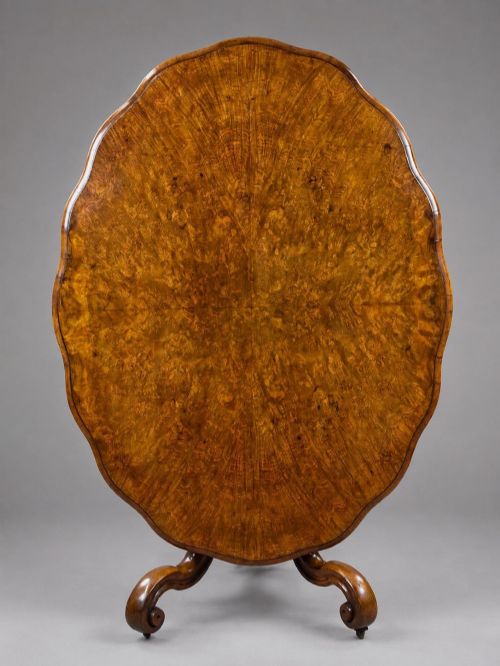


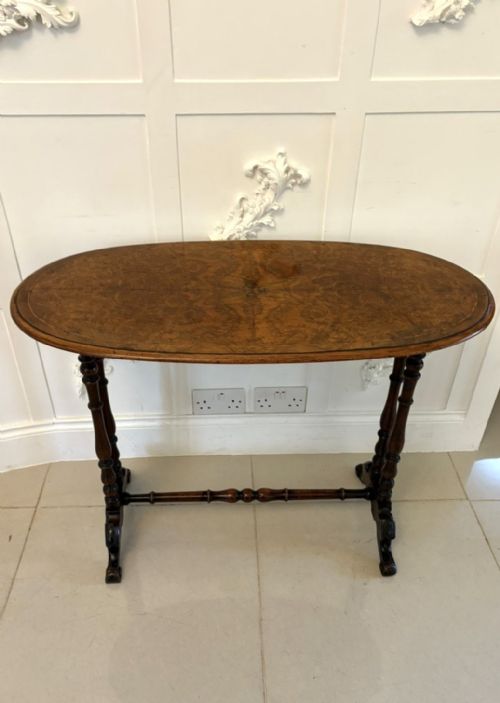
Oval Burr Walnut Side Table
An oval burr walnut side table brings rich timber grain and graceful proportions into a room, serving as a versatile surface for daily use.
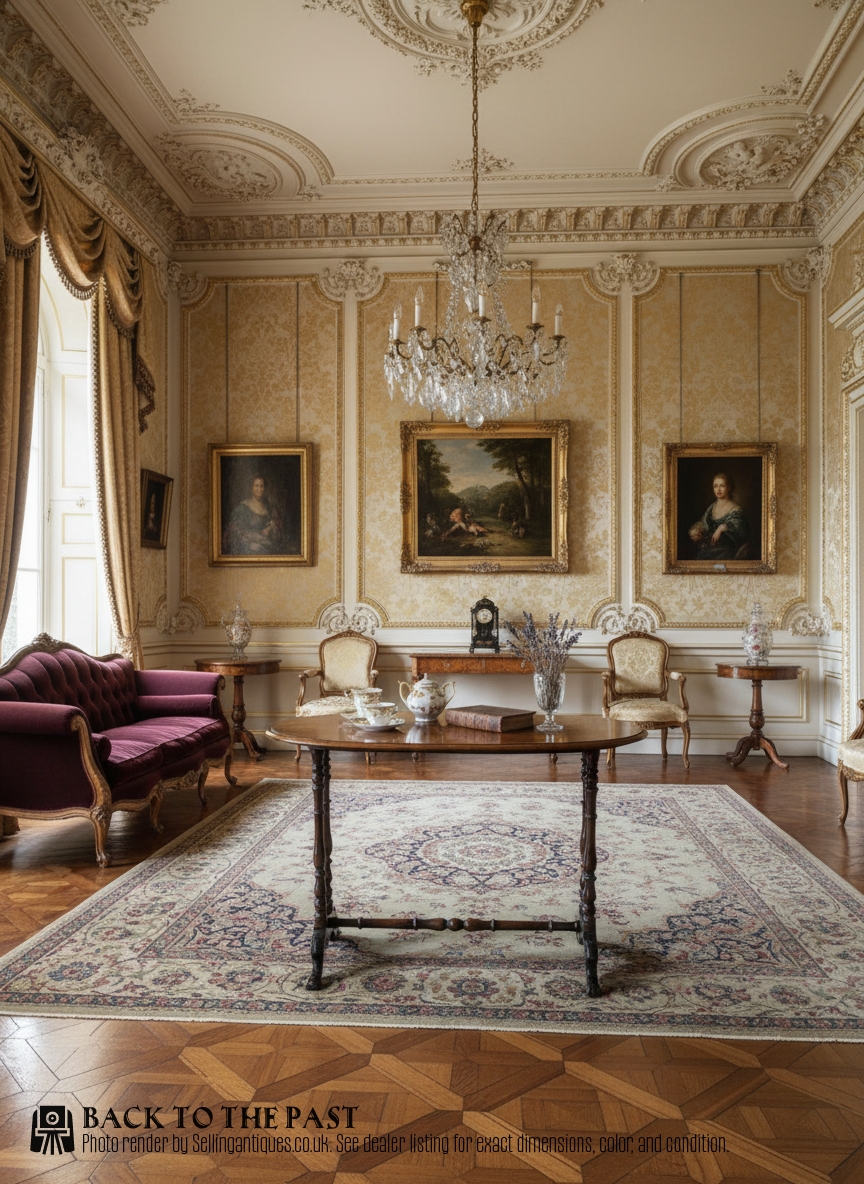
Oval Burr Walnut Side Table
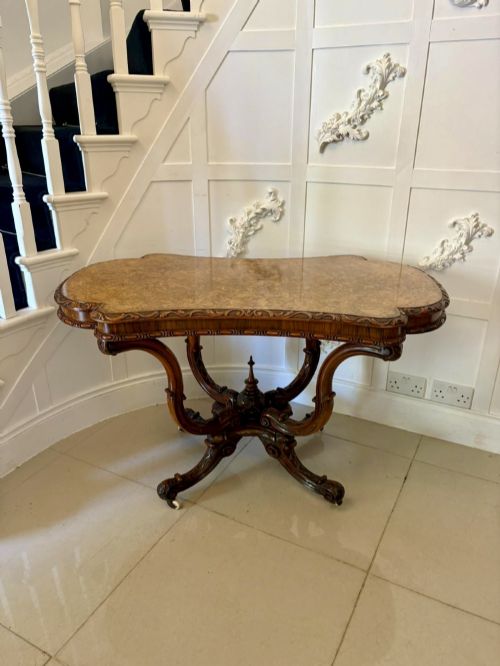
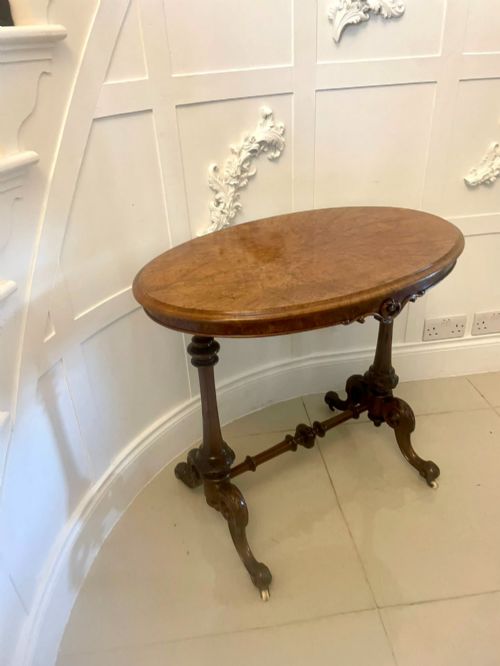
An oval burr walnut side table is a compact surface defined by its curved top and distinctively figured timber. These pieces span from the mid nineteenth century into the twentieth century, taking forms such as lamp tables, occasional tables, and sewing tables.
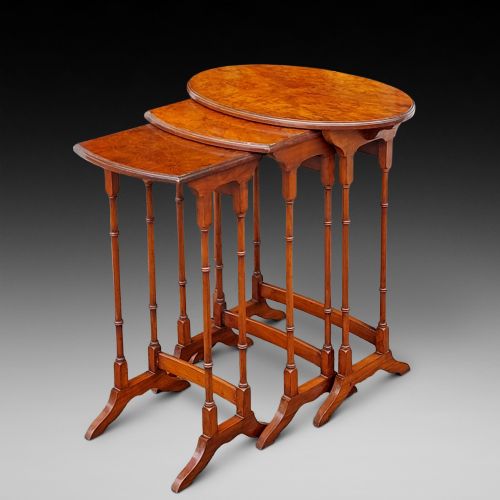
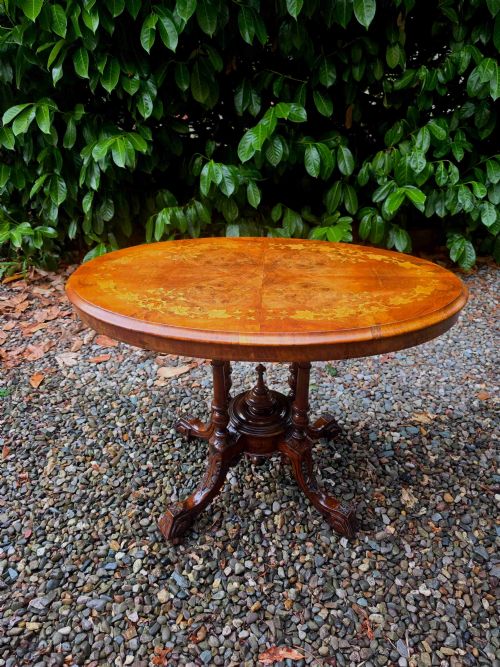
Victorian examples dominate the selection, often featuring elaborate marquetry inlay or carved supports alongside the characteristic burr walnut veneer. Edwardian and later pieces offer simpler nests and smaller proportions suited to modern interiors.
Materials and construction
Cabinet makers applied thin slices of burr walnut veneer over solid secondary timbers to create the swirling, knotty patterns on the table tops. Marquetry and boxwood inlay frequently embellish the surface, adding contrasting geometric or floral details.
Framing timbers such as solid walnut provide structural support for the pedestals, stretchers, and legs. Brass fittings appear on castors and hinges, while ceramic components sometimes feature in internal worktable compartments.
Some sewing tables still hide tiny wooden compartments that once held spools of thread and ivory pins for Victorian needlework.
Assessing quality
The value and distinction of an oval burr walnut side table rest heavily on the density and symmetry of the grain pattern across the top. Richly figured burr timber combined with crisp, finely detailed marquetry inlay separates superior examples from plain variants.
Structural integrity and the quality of the carving on the base or pedestals indicate the level of craftsmanship involved. Original surface finishes that retain a deep warmth rather than a heavy modern shine also elevate a piece.
The Oval Burr Walnut Side Table Glossary
- Burr walnut
- A veneer sliced from the woody growths or burls of a walnut tree, producing highly prized swirling patterns and knots. This timber defines the appearance of these tables.
- Marquetry
- Decorative patterns formed by fitting together thin pieces of wood veneer and other materials into a wooden ground. Floral motifs and geometric borders often appear on table tops.
- Sutherland table
- A narrow drop leaf table with hinged leaves that fold down nearly vertically, supported by swinging gate legs. Many examples feature oval tops.
- Étagère
- A set of open shelves for displaying small objects, sometimes constructed with an oval footprint. These pieces provide multiple tiers of surface area in a compact frame.
- Loo table
- A large occasional table with a tilting top, designed for nineteenth century card games. Smaller variants share similar pedestal and tilt mechanisms.
Oval Burr Walnut Side Table: Frequently Asked Questions
What is an oval burr walnut side table used for?
These pieces function primarily as small display surfaces for lamps, drinks, or decorative items next to seating. Their compact oval tops allow them to fit easily into corners or beside chairs without dominating a room.
Historically, specific variants included sewing tables with interior compartments for needlework and tea tables designed for entertaining. Today, they adapt readily to holding books or flowers in living spaces and hallways.
How can I tell a Victorian table from an Edwardian one?
Victorian examples generally date from the mid to late nineteenth century and often display ornate carving, heavy pedestals, and intricate floral marquetry. The walnut timber tends to have a deep, dark warmth and elaborate grain configurations.
Edwardian pieces, made around the turn of the twentieth century, lean toward lighter construction and simpler lines. They frequently appear as nesting tables or straightforward lamp tables with minimal embellishment.
Are these tables sturdy enough for daily use?
Solid walnut frames and sturdy pedestal or stretcher bases provide adequate support for normal everyday placement of lamps and cups. The clever engineering of the nineteenth century ensures these joints remain stable over generations.
Care should be taken with drop leaf or tilt top mechanisms, ensuring hinges and pivots are operated gently. Placing them away from direct heat sources protects the burr veneer from drying out.
How do I care for a burr walnut surface?
Maintenance requires simply dusting with a soft, dry cloth and occasionally applying a quality beeswax to nourish the timber. Avoid using modern silicone sprays or harsh chemical cleaners that can damage the antique finish.
Keeping the table out of direct sunlight prevents the walnut timber from fading or the delicate boxwood inlay from becoming brittle over time.