
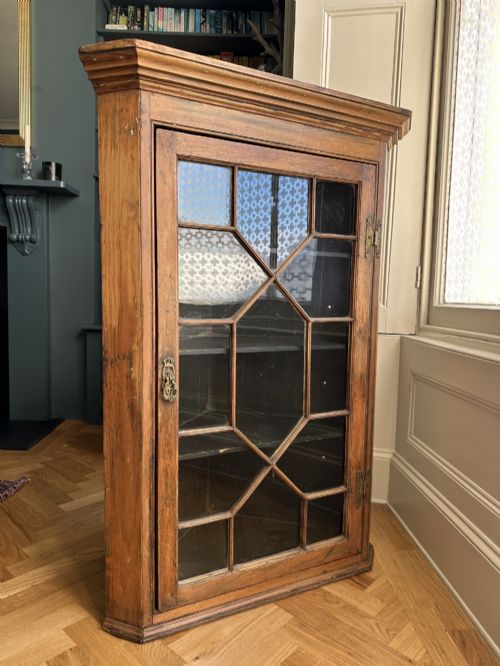


Vintage Wooden Hanging Cupboard
A vintage wooden hanging cupboard organises small domestic spaces while bringing warm timber grain and period character straight to the wall.
Vintage Wooden Hanging Cupboard
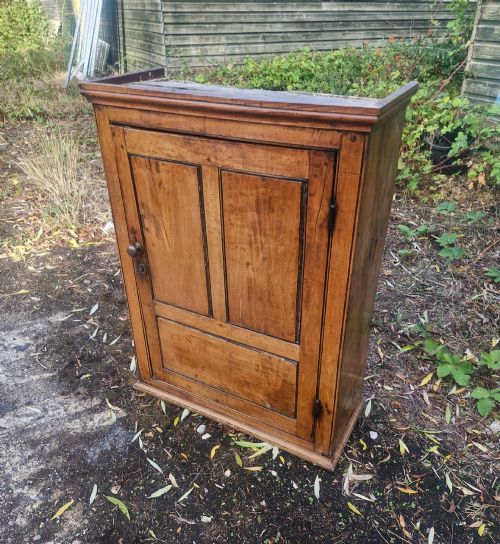
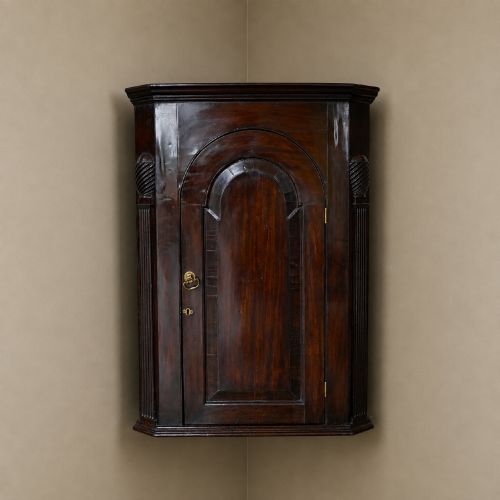
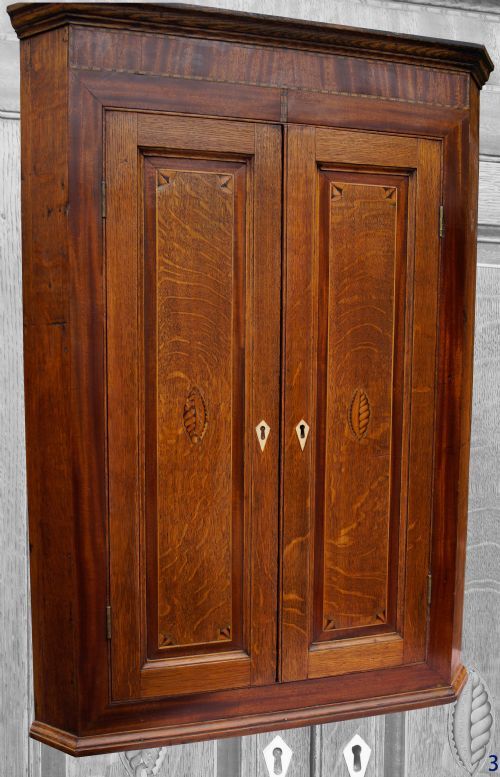
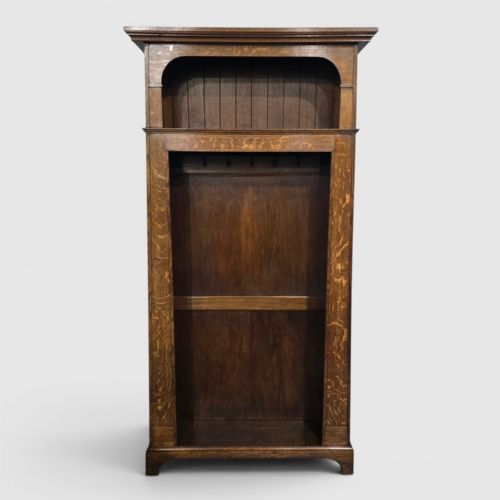
A vintage wooden hanging cupboard typically takes the form of a wall-mounted cabinet, a corner cupboard, or a set of wall shelves designed to maximise compact floor plans. You will frequently encounter corner cabinets and flat wall units executed in durable timbers like oak and mahogany.
The historical span extends from the eighteenth century through the Georgian, Victorian, and Edwardian eras into the early twentieth century. Pieces range from unpretentious rustic farmhouse designs to refined revival styles and painted Scandinavian folk art.
Makers adapted these cabinets for specific uses, resulting in varied interior configurations such as key cabinets, cigar display boxes, and small armoires. Selecting the right piece depends upon the architectural constraints of the room and the desired timber tone.
Materials and construction methods
Cabinet makers utilised native and imported hardwoods like oak, mahogany, walnut, pine, and cedar, frequently pairing them with brass hinges, key escutcheons, and iron hardware. These timbers provided the structural integrity required to support wall-mounted loads over centuries.
Surfaces received diverse treatments ranging from clear wax finishes that highlighted natural grain to painted interiors and faux tortoiseshell effects. Glazed doors and carved details further distinguished finer workshops from utilitarian pieces.
Cuban cigar cabinets remind us that nineteenth-century shop displays doubled as handsome domestic storage for imported luxuries.
Distinguishing quality across the range
Quality rests upon the selection of timber figures, such as dense mahogany grain or quarter-sawn oak, coupled with the precision of joinery in corners and door frames. Original brassware and intact painted interiors elevate the desirability of a piece.
Design ambition separates basic utility cabinets from sophisticated regional interpretations, such as Cotswold School work or crisp Georgian bowfronts. The integration of functional elements like descending drawers demonstrates superior workshop execution.
Arthur Simpson·H UPMANN
The Vintage Wooden Hanging Cupboard Glossary
- Bowfront
- A convex curved cabinet front that projects outward from the wall, frequently seen on Georgian mahogany corner cupboards. This curved form requires advanced woodworking skill to shape timbers accurately.
- Corner cupboard
- A triangular cabinet engineered specifically to mount into ninety-degree room angles. These units efficiently utilise dead space in dining rooms and hallways.
- Escutcheon
- A decorative metal plate surrounding a keyhole that protects the surrounding wood from wear. Brass versions are typical on period cabinetry.
- Faux tortoiseshell
- A painted or treated surface finish designed to imitate the mottled shell of a sea turtle. Artisans used this technique to add exotic visual depth to simpler woods.
- Quarter-sawn
- A method of milling logs that produces prominent medullary ray patterns in oak. This cut improves dimensional stability in wall-hung furniture.
Vintage Wooden Hanging Cupboard: Frequently Asked Questions
How do I hang a heavy wooden cabinet safely?
Heavy wall cabinets require secure fixing directly into masonry or robust timber wall studs using appropriate brackets suited to the weight of the timber.
Older pieces often feature original hanging points that may need professional assessment or supplementary internal reinforcement before mounting.
Where were these cupboards typically placed in period homes?
Corner cupboards and wall cabinets were essential space-saving fixtures in eighteenth and nineteenth-century parlours, dining rooms, and hallways.
They stored tableware, documents, tobacco, or keys, keeping frequently used items accessible without crowding limited floor space.
How can I tell a Georgian piece from a Victorian one?
Georgian cabinets generally display restrained classical proportions, premium mahogany or oak veneers, and subtle brass hardware characteristic of the eighteenth century.
Victorian and later pieces often incorporate heavier mouldings, revival influences such as Gothic or Arts and Crafts motifs, and darker applied finishes.
Should I refinish a painted Scandinavian wall cupboard?
Original painted surfaces, especially on Scandinavian and folk art pieces, retain historical patination and should be preserved whenever possible.
Cleaning with gentle wax or non-abrasive products maintains the integrity of early pigments and decorative brushwork.