


Vintage Wooden Grandfather Clock
A vintage wooden grandfather clock brings architectural presence and mechanical life to a room, ranging from robust oak floor-standers to delicate walnut miniatures.
Vintage Wooden Grandfather Clock
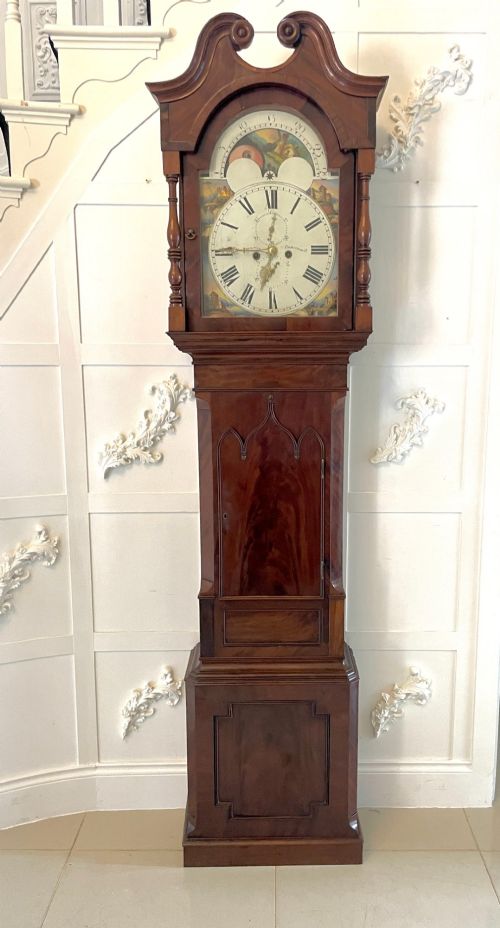
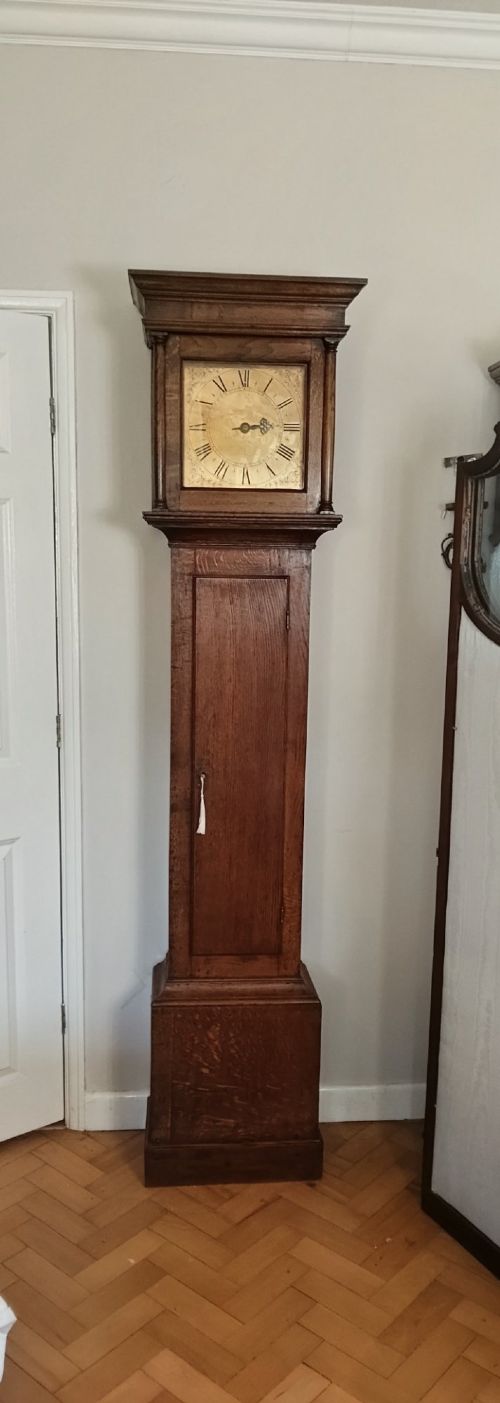
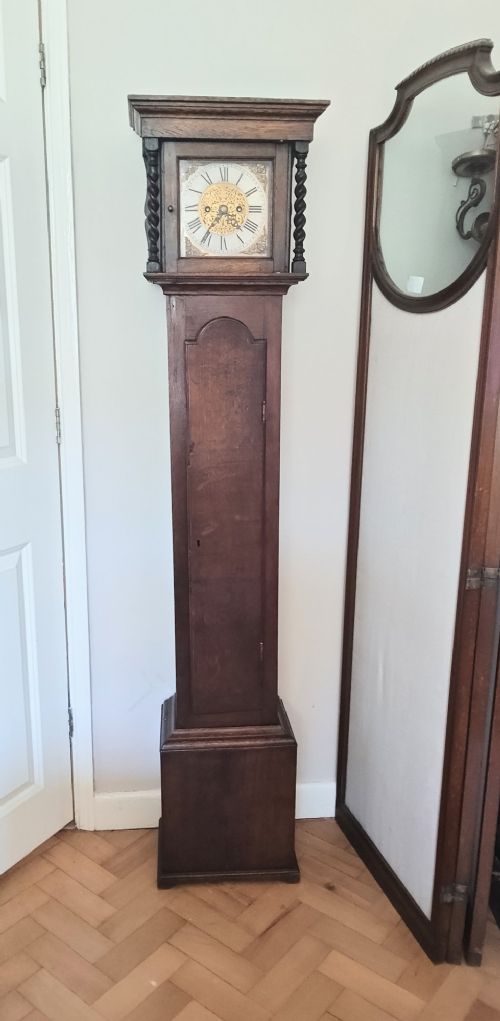
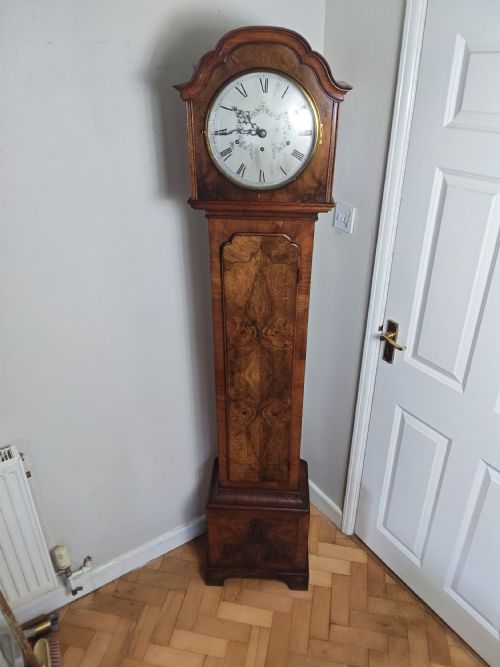
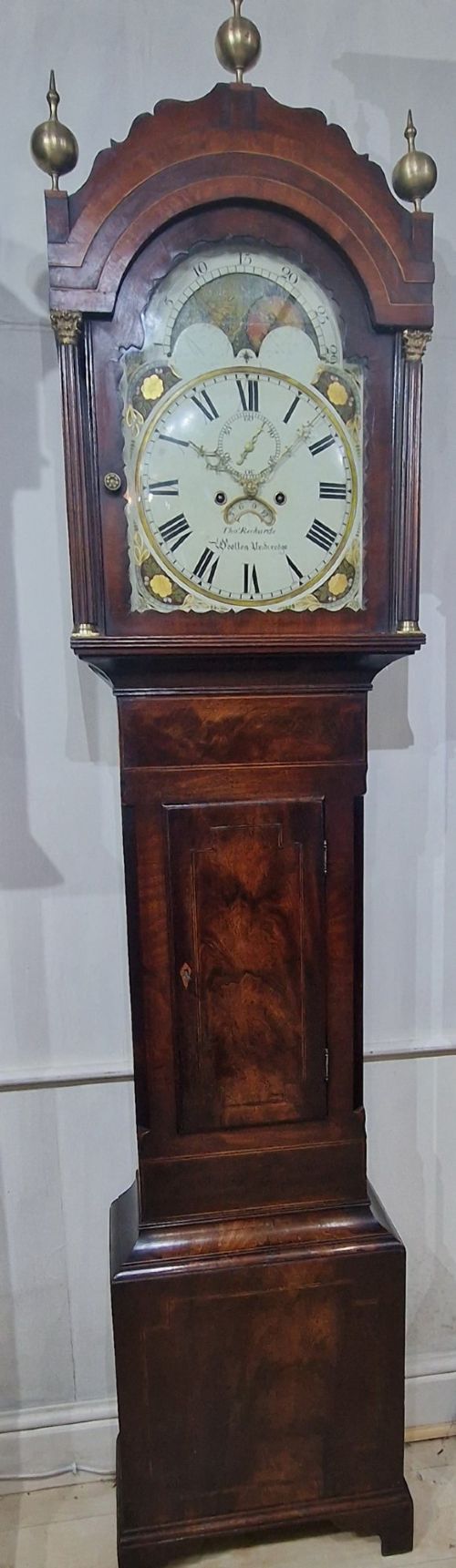
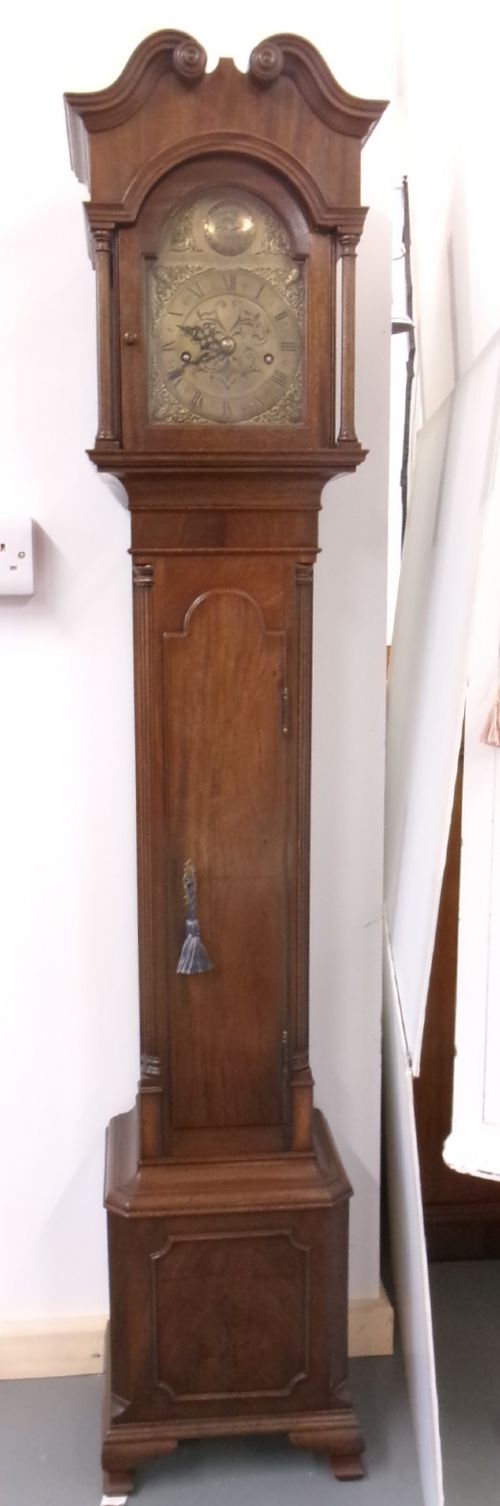
A vintage wooden grandfather clock stands as a tall case housing a weight-driven or spring-driven movement, serving historically as both a precise timekeeper and a major piece of furniture. Buyers searching for a vintage wooden grandfather clock encounter a diverse spectrum of forms, from commanding 18th-century oak and mahogany floor models to smaller Victorian and Edwardian examples often termed grandmother or granddaughter clocks.
The pieces on this page span several centuries of cabinetmaking and horology, with particular emphasis on Georgian, Victorian, and early 20th-century eras. Regional English and Scottish variations appear frequently alongside miniature and musical formats, offering options suitable for both spacious halls and more compact modern interiors.
Materials and construction methods
Cabinetmakers built these tall cases primarily using native and imported hardwoods, selecting robust oak and richly figured mahogany or walnut for the exterior housings. Wood panels were joined with traditional cabinetry techniques to accommodate the seasonal movement of timber while protecting the delicate internal gears.
Dials combined brass, painted enamel, and iron, often featuring engraved maker signatures, subsidiary seconds rings, and moving moonphase displays. Movements relied on brass gear trains driven by hanging iron or lead weights, or by spring barrels in smaller variants.
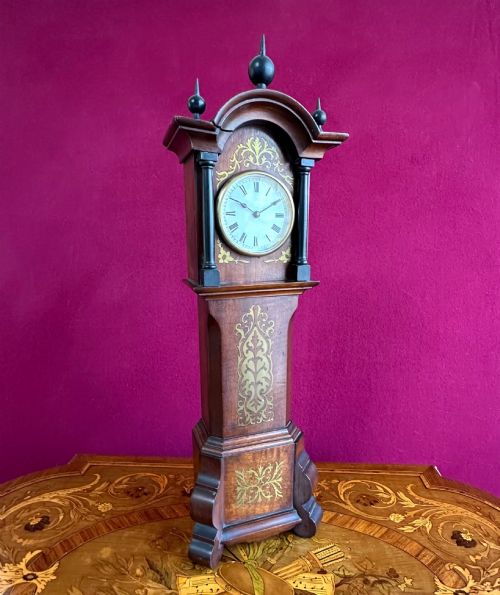
Several miniature longcase clocks stand barely taller than a tall dog, yet contain fully functioning eight-day brass movements.
Assessing craftsmanship and proportion
Quality in these timepieces rests upon the harmony of the case proportions and the crispness of the cabinetmaker's detail, such as carved mouldings, fluted columns, and matched wood grain veneers. Superior examples maintain their original dial signatures and movement components without intrusive modern replacements.
The sophistication of the internal movement also dictates distinction, separating simple time-only or hour-strike mechanisms from complex quarter-chiming and musical gear trains that require high precision in their manufacture.
Edward Upjohn Exon·Edward East·John Banks Oldham·Samuel Young Nantwich·Dent of London·John Harrington London
The Vintage Wooden Grandfather Clock Glossary
- Longcase clock
- The formal horological term for a tall pendulum clock housed in a wooden case, commonly called a grandfather clock.
- Grandmother clock
- A smaller version of the traditional longcase clock, typically produced during the 19th and early 20th centuries.
- Moonphase
- A dial mechanism tracking the phases of the lunar cycle through a rotating painted disc.
- Quarter chiming
- A movement capability that sounds the quarters of the hour on multiple bells or gongs.
- Dial
- The face of the clock, constructed from brass, iron, or enamel, displaying the hours, minutes, and often the maker's name.
Vintage Wooden Grandfather Clock: Frequently Asked Questions
How do I wind a grandfather clock?
Winding involves using a key or pulling cords to raise the internal weights or tension the springs, depending on the movement type.
Care must be taken not to overwind the mechanism, ensuring the weights or springs reach their designated stop gently.
Where should I place a longcase clock?
These clocks require a stable, dry interior wall away from direct sunlight, central heating vents, and heavy vibrations.
A firm floor surface ensures the pendulum swings evenly and the case remains plumb for accurate timekeeping.
What is the difference between a grandfather and grandmother clock?
A traditional grandfather clock stands tall and imposing, usually measuring over six feet in height to accommodate long pendulum drops.
Grandmother clocks are significantly scaled down in height, often standing closer to five feet or less, making them suitable for smaller rooms.
How do I identify a Georgian clock?
Georgian pieces date from the 18th to early 19th century, typically featuring solid oak or mahogany construction with architectural hoods and brass or painted dials.
Stylistic cues include bracket feet, flat-topped or swan-neck pediments, and understated cabinet proportions.