


Vintage Wooden Double Bed
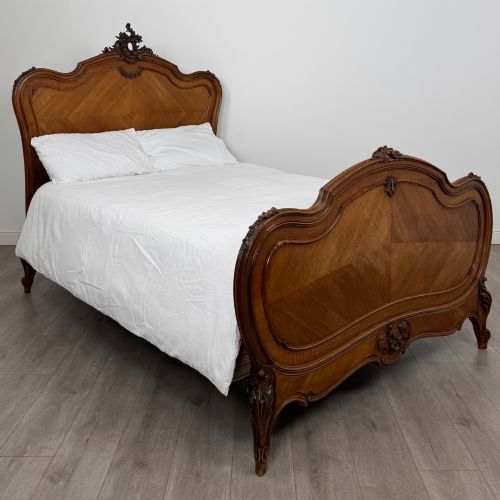
A vintage wooden double bed brings character and solid craftsmanship into a bedroom, offering a sleeping frame rooted in past decades.
Vintage Wooden Double Bed
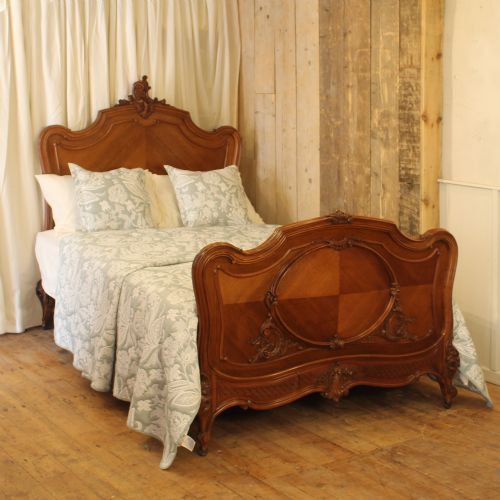
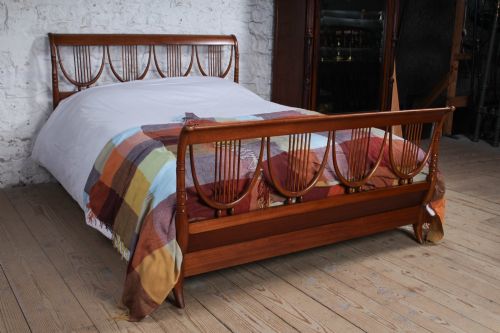
A vintage wooden double bed spans periods from the late nineteenth century through the Edwardian era and into the Art Deco years of the nineteen-thirties. Buyers searching for a vintage wooden double bed encounter frames constructed in Britain and across continental Europe, ranging from simple provincial forms to ornate revival styles.
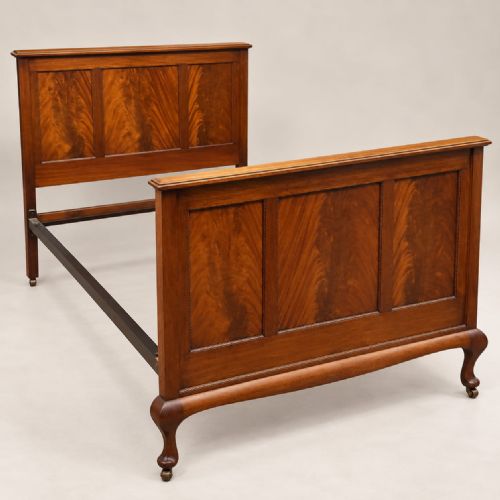
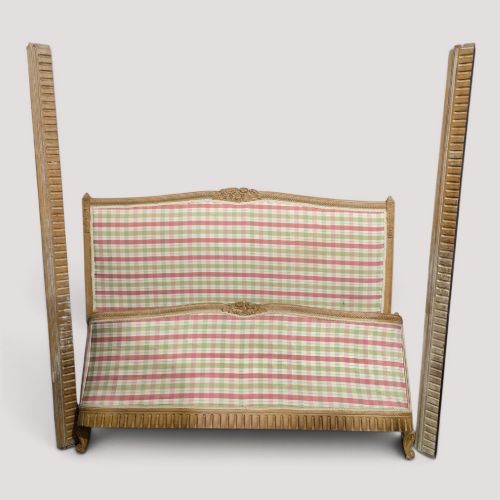
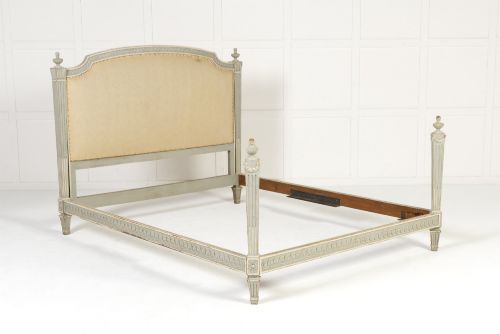
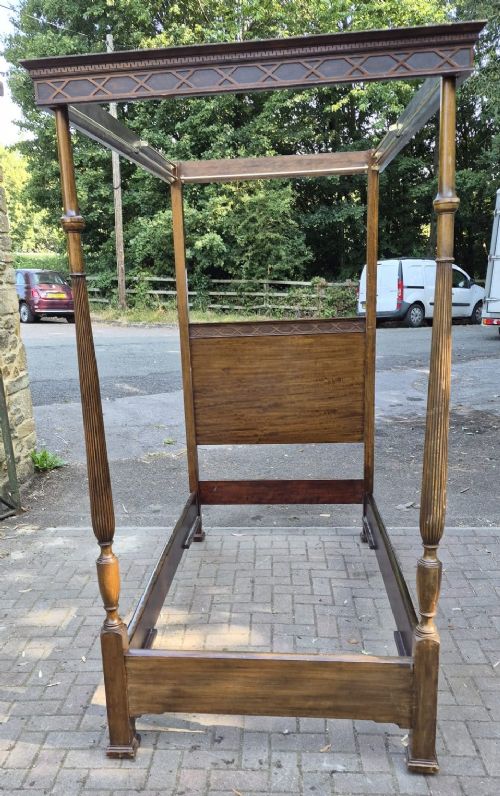
The selection includes substantial walnut and mahogany bedsteads alongside lighter maple, oak, and satinwood frames. Many pieces reflect specific regional designs, including French painted and carved walnut models, alongside British Edwardian and Victorian workshops.
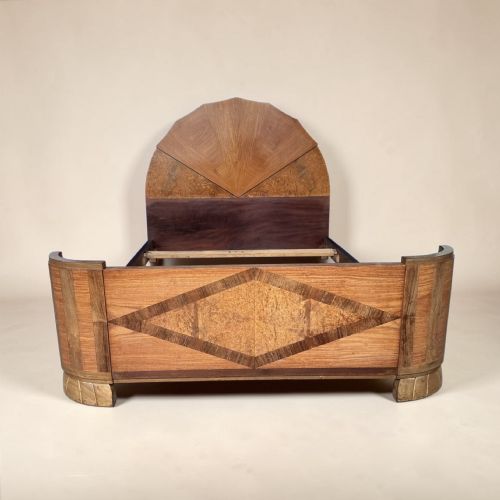
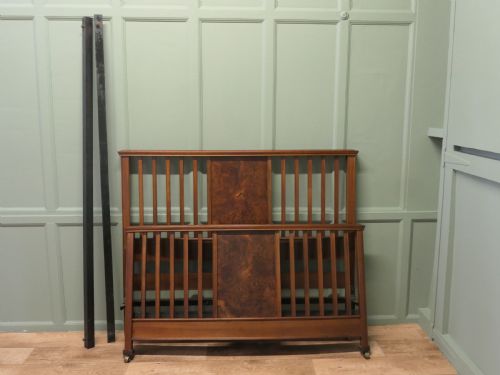
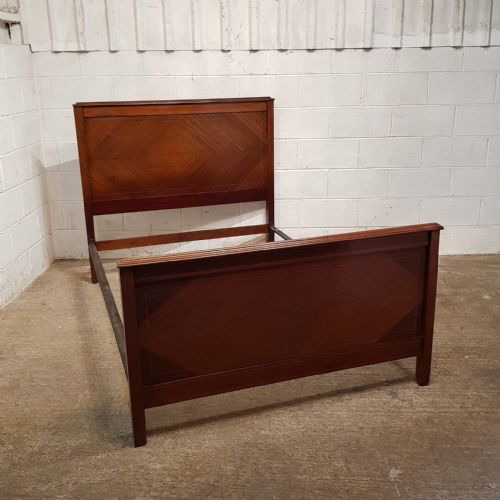
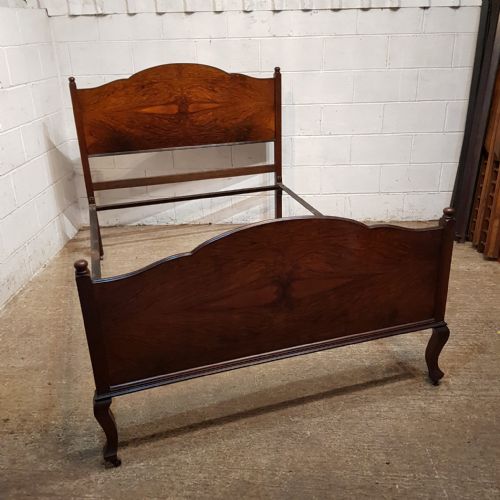
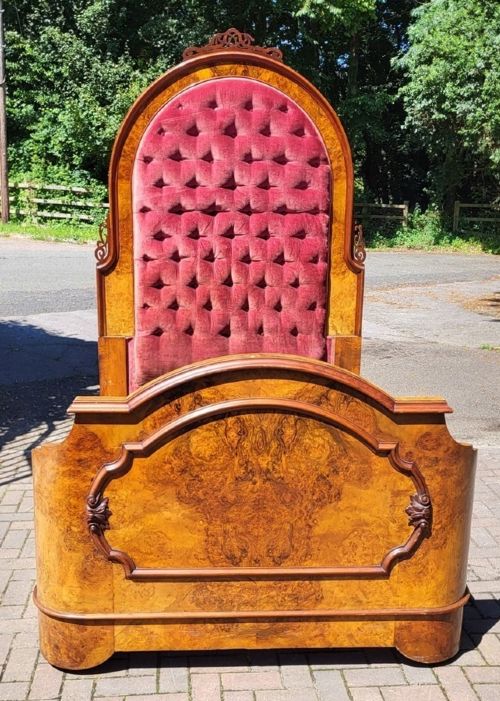
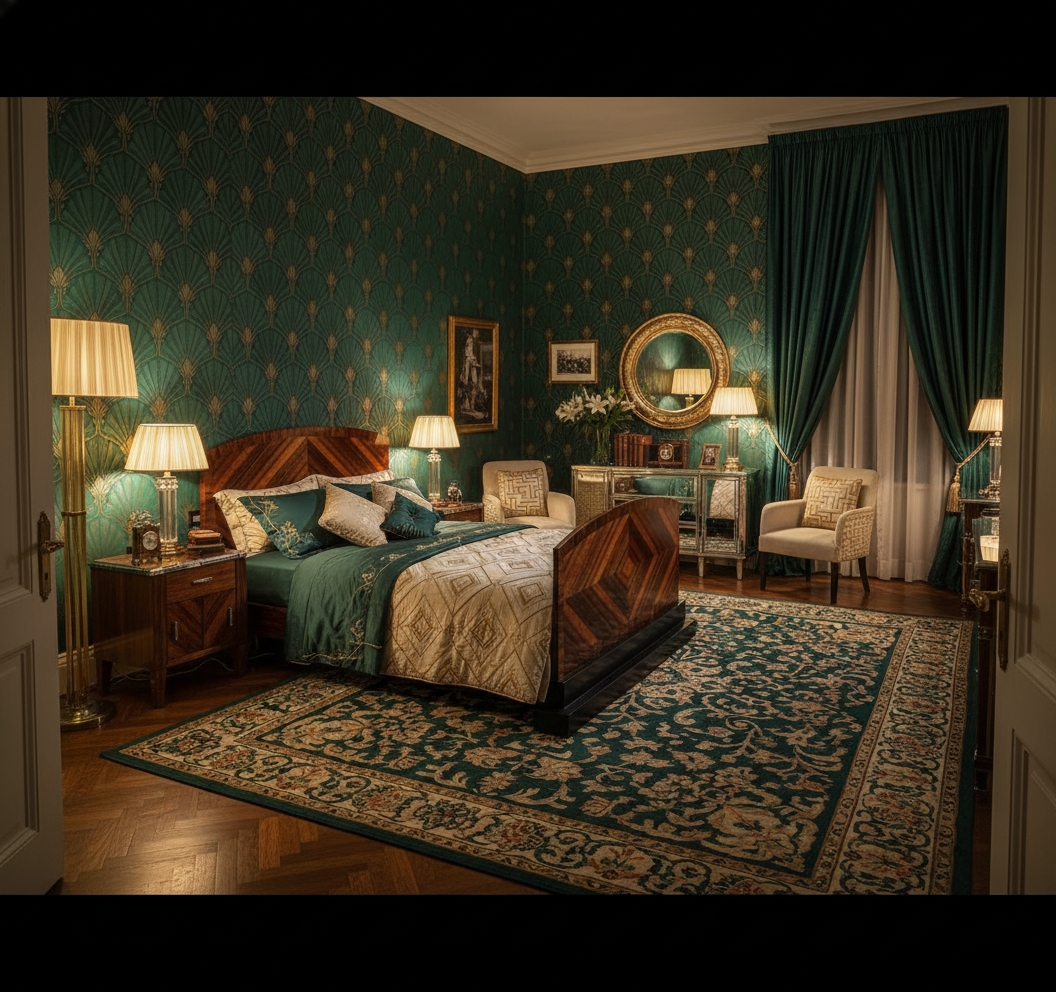
Art Deco examples demonstrate curved figured veneers and exotic woods, while earlier pieces rely on deep mahogany grains or burr walnut panels. These bedsteads accommodate standard sleeping proportions while providing distinct period architecture for the room.
How they were made
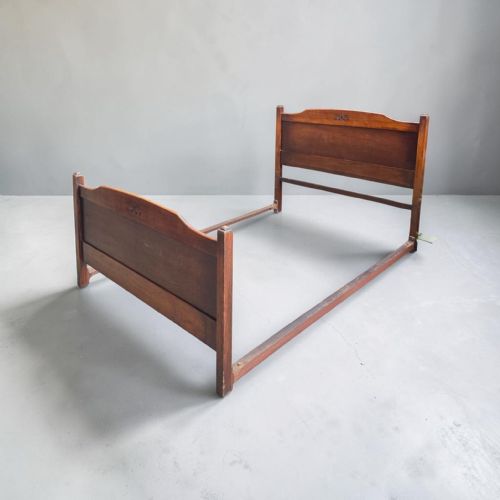
Cabinetmakers constructed these bedsteads using solid timber framing combined with book-matched veneers, particularly on Art Deco and Edwardian headboards. Woods such as walnut, mahogany, and oak were selected for their grain patterns and stability, then joined using traditional mortise and tenon techniques.
Surface finishing involved hand-applied French polish, wax, or painted layers, depending on the stylistic period of the piece. Decorative elements relied on carved mouldings, applied parquetry, cane panelling, and contrasting woods like macassar and satinwood.
Metal brackets and iron fittings were integrated into the internal rails to provide structural support for the mattress base while maintaining the visual integrity of the wooden exterior.
French regional styles feature prominently, alongside British Edwardian mahogany and Victorian walnut examples.
What varies in quality
The distinction between standard and exceptional pieces rests upon the selection of timber and the ambition of the veneer work. Highly figured burr walnut, blonde bird's-eye maple, and meticulously matched satinwood elevate a frame beyond utilitarian production.
Construction depth dictates longevity, separating machine-milled items from those featuring hand-carved details and integrated panel work. The handling of proportions and the fluidity of curved sections, particularly in Art Deco and Louis XVI style frames, define the overall success of the design.
Stanley Webb Davies·Harrods
The Vintage Wooden Double Bed Glossary
- Bedstead
- A framework of wood or metal that supports a mattress and bed base. This term specifically refers to the complete structural structure including headboard, footboard, and rails.
- Burr Walnut
- A distinctive timber harvested from walnut tree growths, producing swirling, intricate grain patterns. It was frequently utilised for decorative veneer panels on high-status Edwardian and Art Deco furniture.
- Parquetry
- A geometric mosaic of wood pieces used for decorative effect on furniture surfaces. It appears on the panels of fine revival and classical style bedframes.
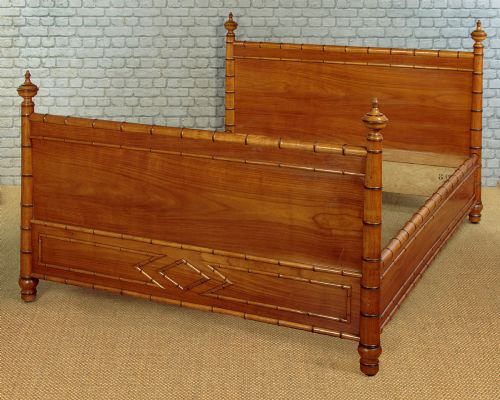
- Faux Bamboo
- A decorative technique where solid wood is carved and painted to resemble natural bamboo stalks. This style gained popularity during the late nineteenth century.
- Veneer
- A thin slice of superior wood glued to a secondary timber base. Skilled application ensures durability and displays decorative grain patterns across large surfaces.
Vintage Wooden Double Bed: Frequently Asked Questions
How do I choose the right size?
Vintage dimensions can differ slightly from modern standard mattress sizes due to historical manufacturing practices. Review the internal measurements of the rails carefully before pairing the frame with a contemporary mattress.
Ensure that the proportions of the headboard and footboard suit the scale of your bedroom, keeping ceiling height and walkway space in mind.
Can I use a modern mattress?
Most antique wooden bedsteads accommodate modern mattresses with the addition of a suitable slatted base or concealed modern support system. Internal brackets may require minor adaptation to hold contemporary weights securely.
Consult the rail dimensions to confirm whether standard slats will drop into place or if supplementary wooden supports are necessary.
How do I care for the wood?
Preserve the finish by applying natural beeswax periodically and avoiding direct placement near heat sources or strong sunlight. Dust the carved sections and veneered panels regularly with a soft, dry cloth.
Refrain from using silicone-based sprays, which can degrade historic French polish and accumulated surface patination over time.
Are these beds easy to assemble?
Historical bedsteads generally utilise standard bolt-and-tenon iron fixings or interlocking wooden rails that dismantle for transport. Assembly typically requires basic hand tools and an extra pair of hands to manage heavy timber components safely.
Keep the original bolts and fittings organised, as replacement period hardware can prove challenging to match precisely.