


Vintage Wooden Display Dresser
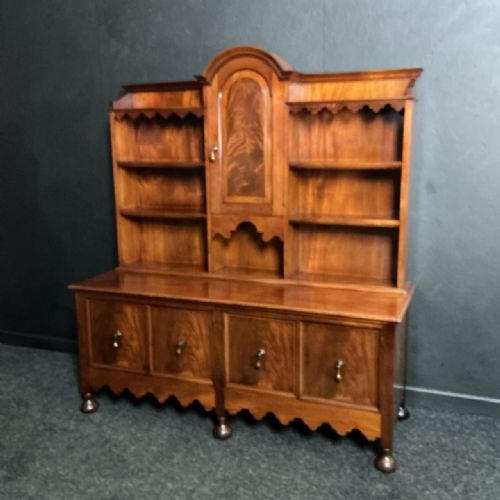
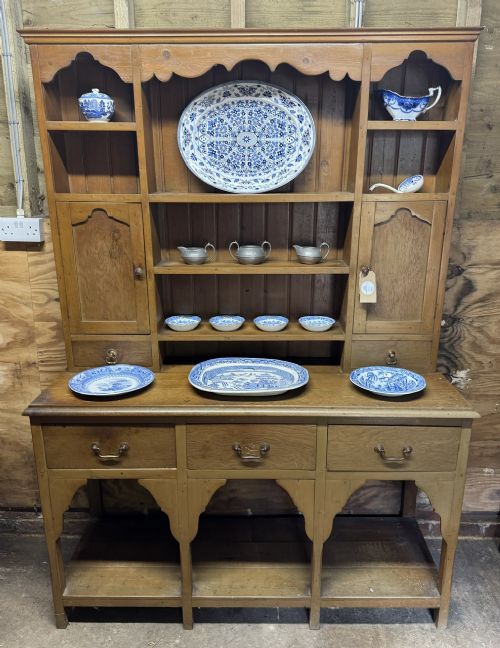
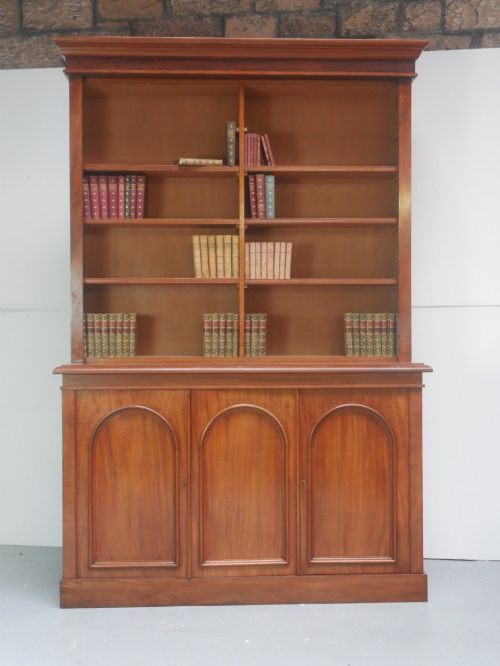
A vintage wooden display dresser anchors a kitchen or dining room with deep shelves and practical storage.
Vintage Wooden Display Dresser
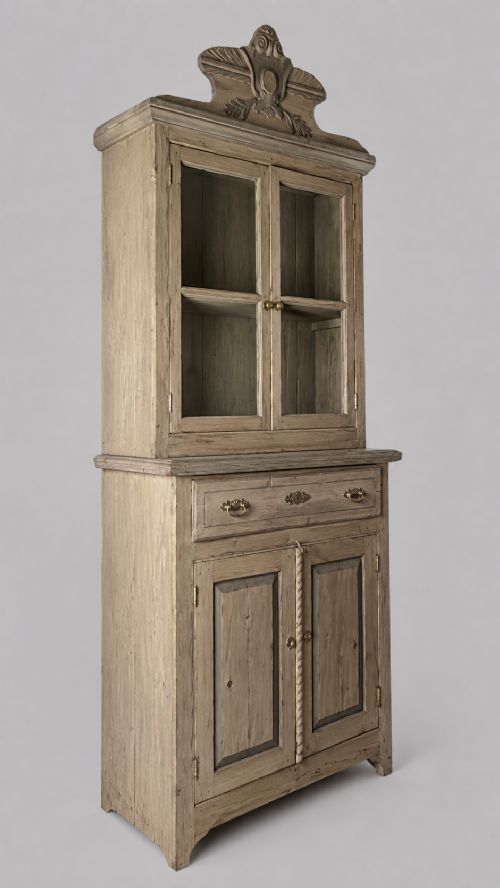
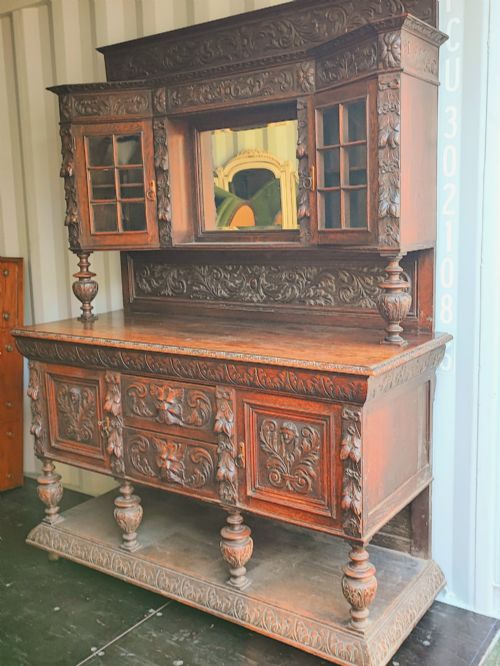
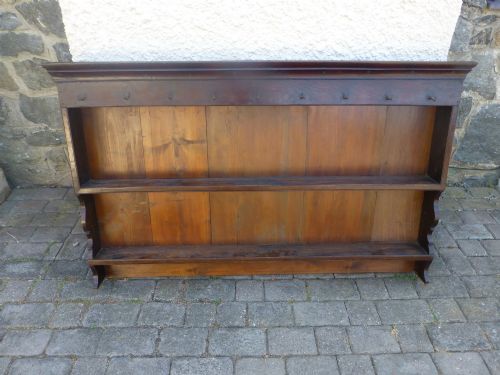
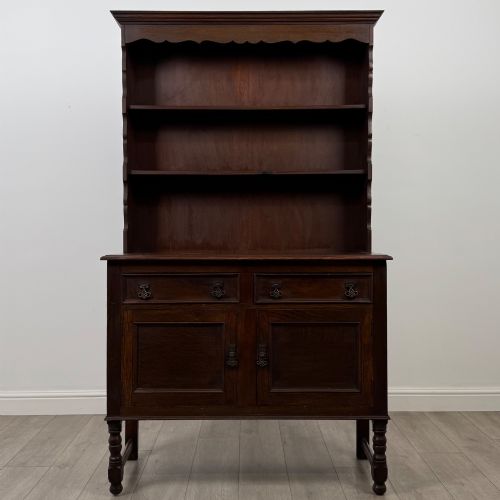
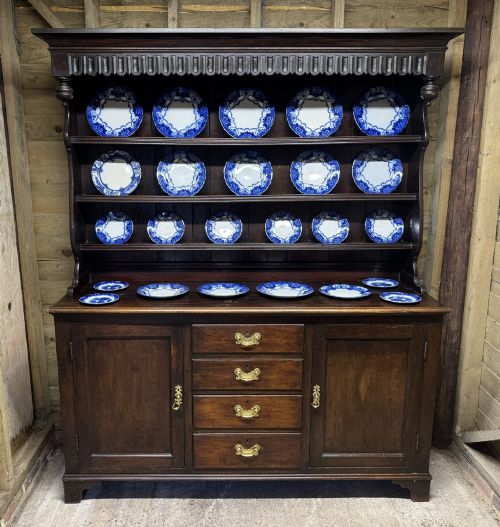
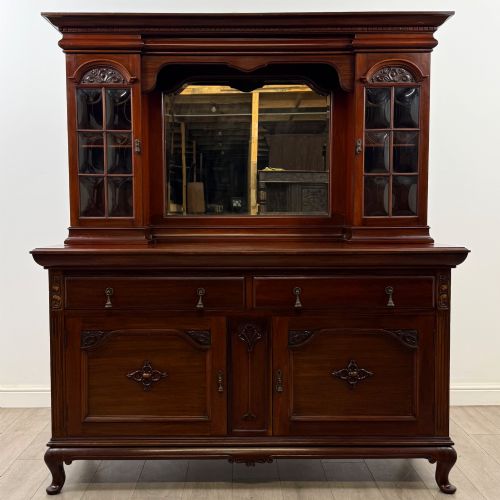
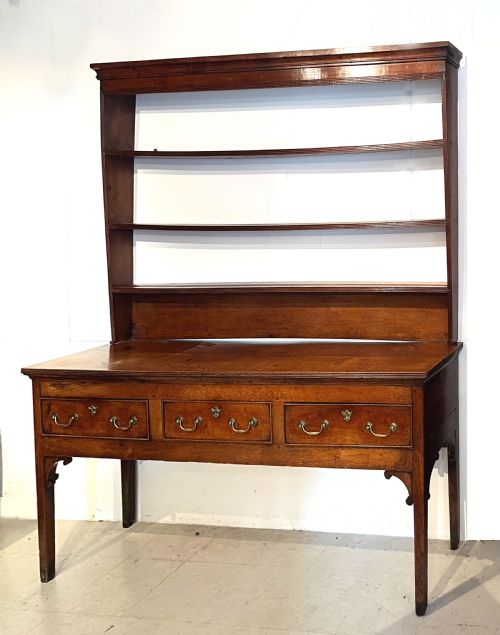
A vintage wooden display dresser combines a lower base of cupboards or drawers with an upper tier of open plate racks or glazed display cabinets. These pieces serve as functional storage and focal points, originating from country cottages and formal dining spaces alike.
The selection here draws primarily upon 18th century, 19th century, and early 20th century examples. Oak and pine dominate the material record, frequently appearing in regional variants such as Welsh dressers and French provincial formats.
Buyers encounter everything from scrubbed pine kitchen pieces to formal Georgian and Edwardian designs. Plate racks and two-part hutches provide the traditional display space characteristic of this category.
Materials and Construction Methods
Makers relied on solid hardwoods and softwoods, predominantly oak and pine, supplemented by mahogany and maple. Panels and frames were joined using traditional woodworking joints that accommodated seasonal wood movement.
Hardware incorporates cast brass handles, escutcheons, and iron fittings. Glazed doors utilise individual glass panes set within wooden muntins, while painted and scrumbled finishes provide protective and decorative surfaces.
The inventory spans the 17th, 18th, 19th, and 20th centuries, incorporating oak, pine, mahogany, maple, brass, glass, and iron across various regional styles.
Distinctions in Quality and Construction
The integrity of the timber and the retention of original surfaces govern the standing of a piece. Examples retaining their initial patination or period painted finishes hold greater authenticity than those stripped or overly restored.
Proportion and regional carpentry traits distinguish standard utility pieces from finer country workshop productions. The retention of matching upper plate racks to the lower base remains a key factor in completeness.
The Vintage Wooden Display Dresser Glossary
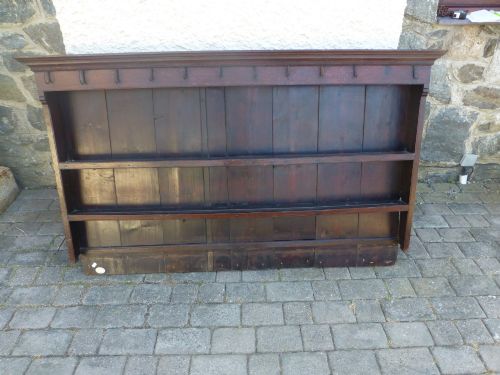
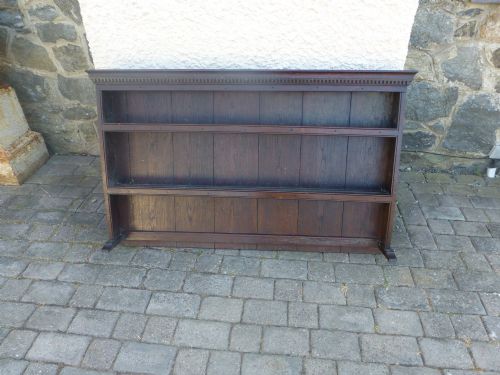
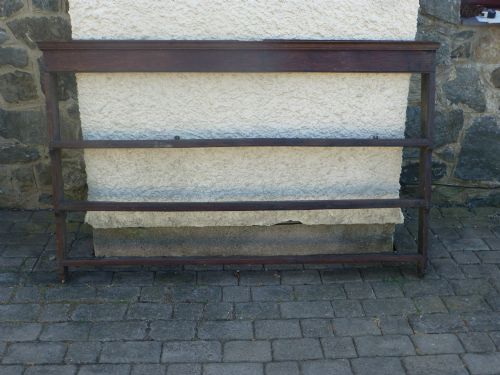
- Plate rack
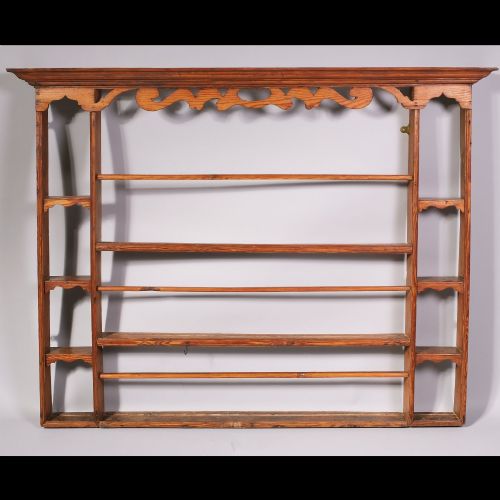
- An upper set of open shelves featuring grooved plate rails designed to display ceramic dishes upright. These racks form the upper display section of traditional kitchen dressers.
- Scrumbled paint
- A decorative surface finish applied to imitate the grain of finer woods or to create a mottled texture. This technique appears frequently on country pine furniture.
- Welsh dresser
- A two-part regional furniture form comprising a base of drawers and cupboards surmounted by open plate shelves. These pieces originate primarily from 18th and 19th century rural workshops.
- Vaisselier
- A French term for a cupboard or dresser designed for storing and displaying tableware. These pieces often feature provincial carvings and glazed upper doors.
- Patina
- The surface sheen and colour acquired by wood through age, handling, and wax polishing over centuries. Original patination serves as an indicator of untouched age.
Vintage Wooden Display Dresser: Frequently Asked Questions
How do I clean a vintage wooden display dresser?
Dust the surfaces regularly with a dry, soft cloth to prevent grit accumulation. Apply a traditional beeswax sparingly to nourish the wood and maintain the natural sheen without damaging older finishes.
Avoid using modern silicone-based sprays or harsh chemical cleaners, as these penetrate the pores and soften historical finishes. Keep the furniture away from direct heat sources and strong sunlight to prevent the timber from warping or splitting.
Can I store heavy dinnerware on the shelves?
Solid oak and pine construction provides sturdy support for everyday dishware and ceramic collections. The fixed plate grooves hold plates securely against the backboards during daily use.
Heavier cast iron or large ceramic platters should find placement on the lower wooden shelves or within the base cupboards. Assess the shelf thickness and wall fixings if the upper rack mounts directly to a wall.
How do I distinguish 18th century pieces from later revivals?
Examine the construction marks, nail types, and timber characteristics visible on the interior and backboards. Hand-sawn panels, pegged joints, and natural wear patterns indicate older periods of manufacture.
Later revivals from the Edwardian or Jacobean revival periods utilise more uniform machine-cut elements and standardised hardware fixings. Comparing the timber shrinkage and surface patination helps confirm the true age of the piece.