

Vintage Wooden Coffer Chest
A vintage wooden coffer chest provides deep storage with centuries of practical craftsmanship.
Vintage Wooden Coffer Chest
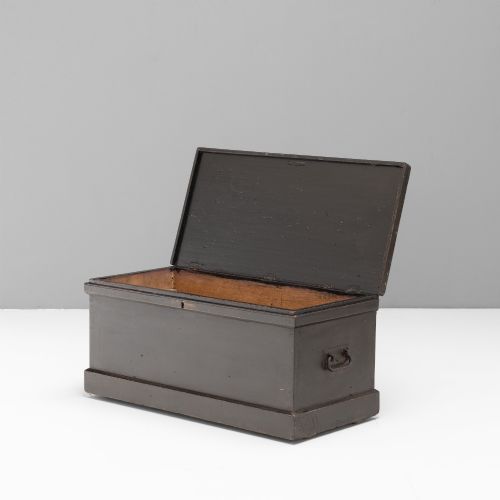
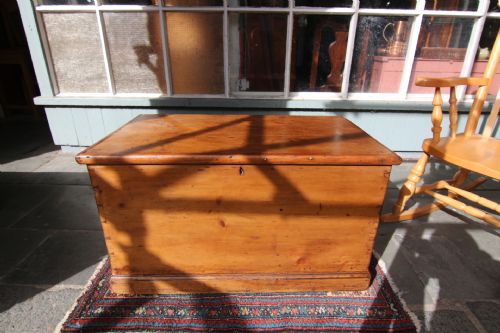
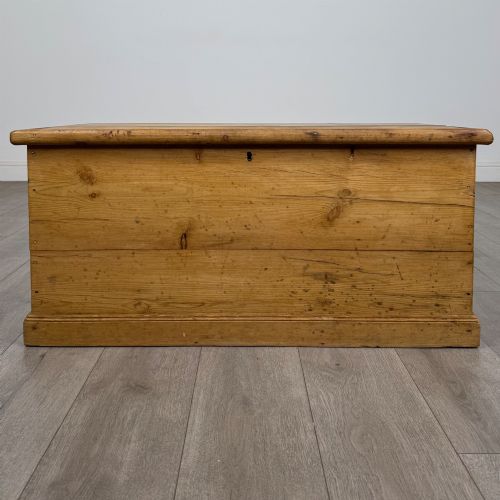
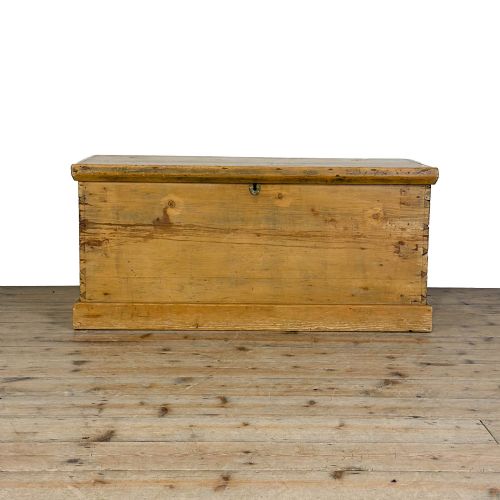
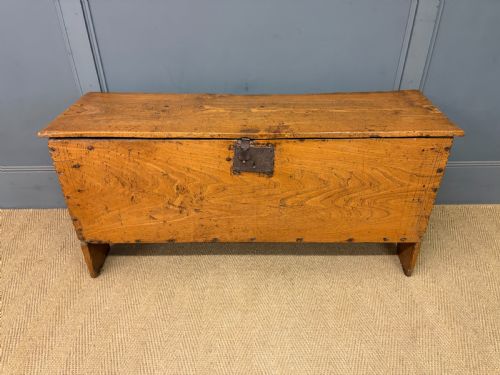
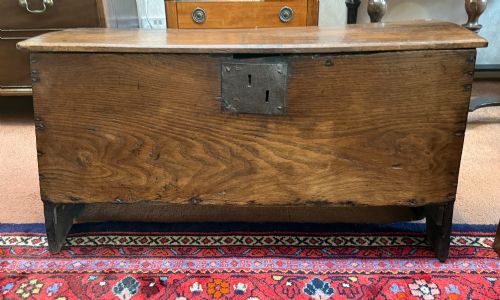
A vintage wooden coffer chest serves as a versatile storage box spanning centuries of domestic and travel use. When searching for this phrase, buyers encounter robust blanket boxes, heavy trunks and traditional coffers designed to hold textiles, valuables or equipment.
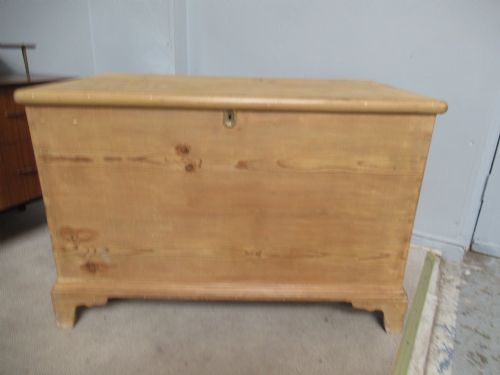
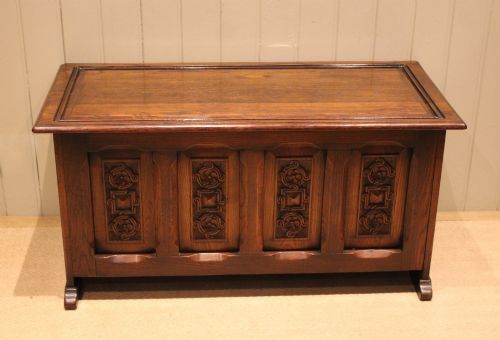
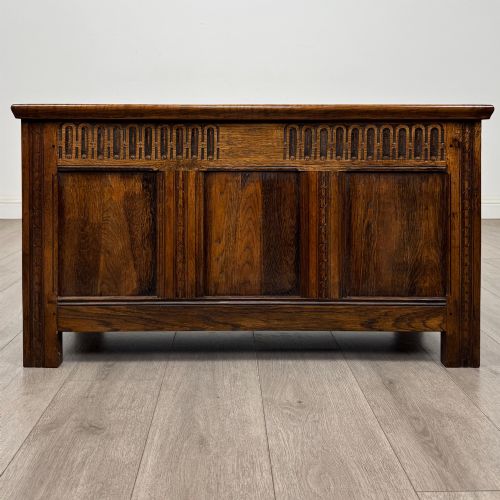
The most common examples on this page are pine and oak pieces originating from the nineteenth and twentieth centuries. These range from rustic farmhouse storage boxes to formal panelled coffers and travel-worn campaign trunks.
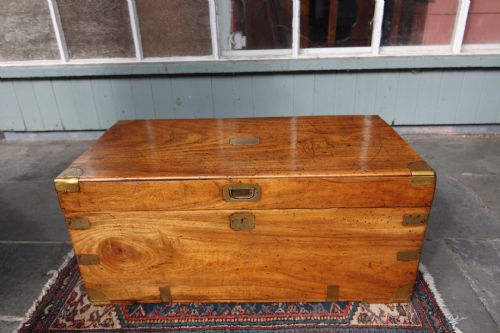
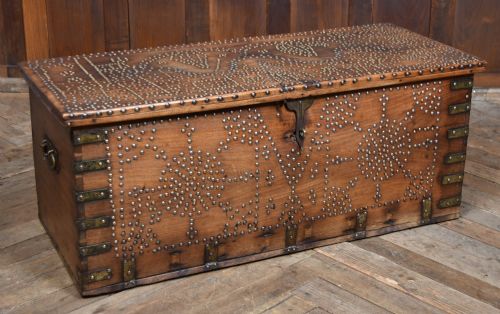
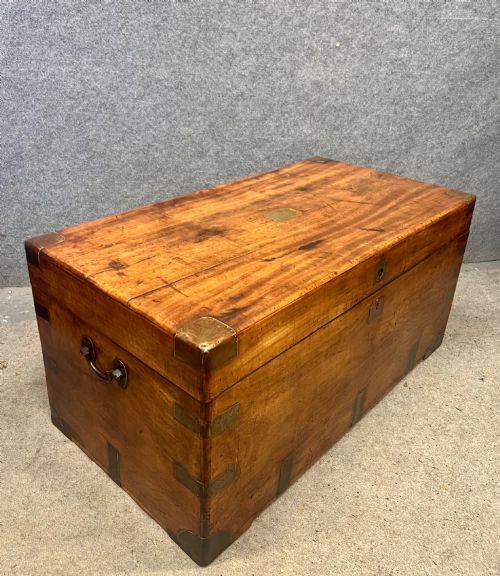
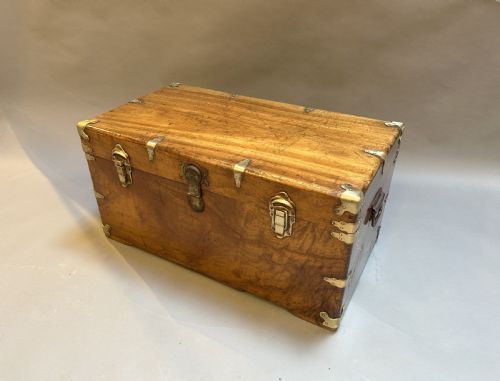
Beyond simple domestic chests, the selection includes camphor wood storage boxes and iron-bound trunks built for transit. Each form reflects the specific utilitarian needs of its period, whether for household linens or long-distance transport.
How they were made
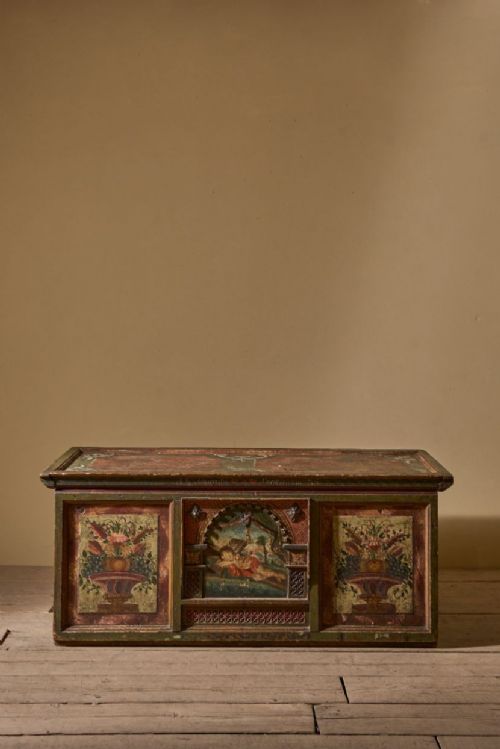
Makers constructed these storage pieces using durable timbers such as oak, pine, camphor wood, teak and mahogany. Joinery techniques relied on solid plank construction, tongue and groove fitting, and occasional hand carving for decorative fronts.
Metal reinforcement was essential for items subjected to travel or heavy use. Blacksmiths and metalworkers applied hand-forged iron strapwork, brass corners and secure latches to protect corners and edges during transit.
Some nineteenth-century camphor trunks retain the faint, lingering scent of Eastern spice routes after two hundred years of travel.
What varies in quality
The distinction between standard storage boxes and finer examples lies in the selection of timber and the integrity of the original hardware. Solid hardwoods and untouched brass or iron mounts elevate a piece above utilitarian domestic containers.
Construction details also dictate overall quality, particularly the presence of hand-cut dovetails, internal till drawers and intact linings. Pieces retaining their original surface finish and structural joinery command greater attention from collectors.
The Vintage Wooden Coffer Chest Glossary
- Coffer
- A heavy wooden box traditionally used for holding valuables and documents. These sturdy receptacles often feature hinged lids and carved front panels.
- Campaign trunk
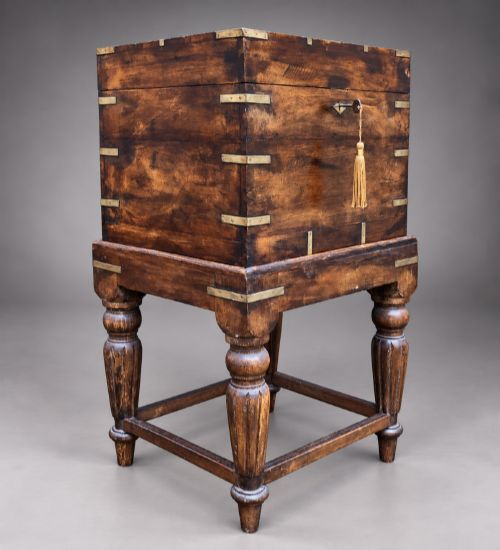
- A portable chest made in sections or fitted with carrying handles for military officers on the move. They typically incorporate brass bound corners and durable secondary woods like camphor.
- Strapwork
- Ornamental metal bands fixed across the exterior of a chest to reinforce the wooden panels. Blacksmiths hand-forged these iron strips for both security and decoration.
- Till
- A small internal compartment fitted inside a chest for storing smaller items such as coins or documents. Lids often cover these shallow secondary spaces.
Vintage Wooden Coffer Chest: Frequently Asked Questions
How do I date an oak coffer?
Examine the construction methods and tool marks visible on the internal boards. Hand-riven timber and pegged joints generally indicate earlier periods.
Hardware styles and locking mechanisms also provide clues. Simple iron strap hinges and boarded construction often point towards seventeenth or eighteenth century origins.
Where should I place a camphor chest?
Camphor wood naturally repels moths and insects, making these fragrant trunks ideal for bedrooms and hallways. They function effectively as blanket boxes or low coffee tables.
Keep the chest away from direct heat sources and strong sunlight to protect the timber and prevent the polish from drying out.
What is a campaign trunk used for?
These portable storage boxes transported officers' uniforms and equipment during nineteenth century military movements. Their robust brass bindings and recessed handles facilitated frequent travel.
Today they serve as functional living room tables or bedroom storage while retaining their distinct travel history.
How do I clean a painted pine trunk?
Dust the surface gently with a dry, soft cloth to remove everyday debris. Avoid harsh chemical cleaners that might strip the historic paint finish.
Apply a microcrystalline wax sparingly if the timber appears dry, buffing it carefully to maintain the protective coating.