

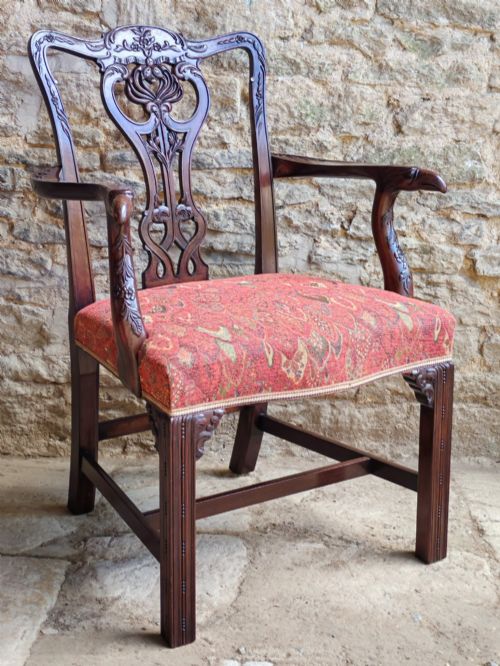


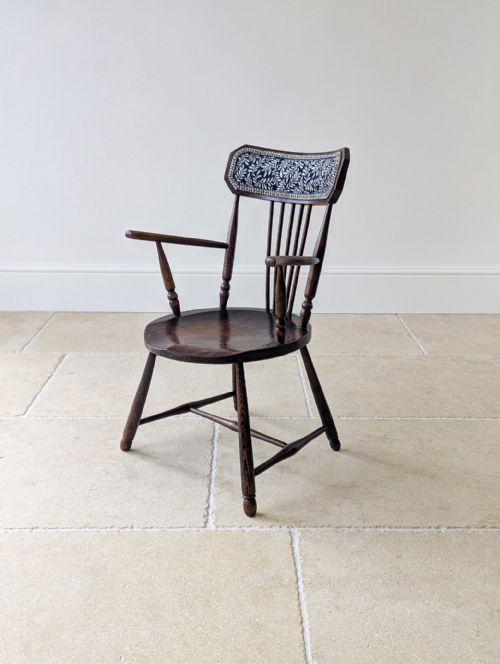
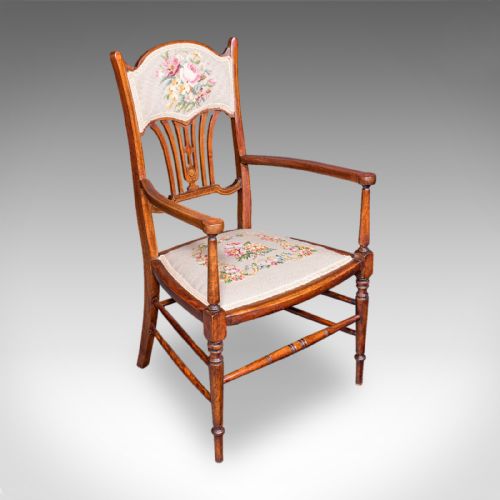
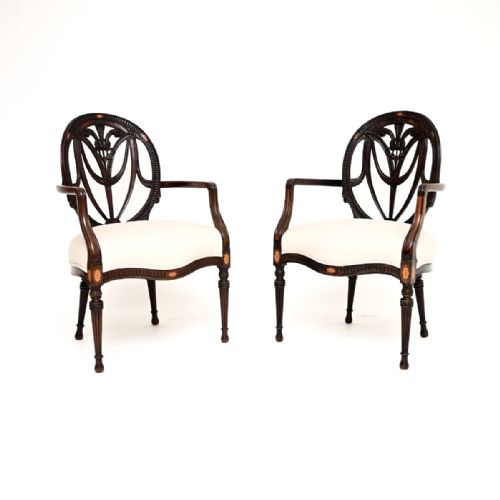
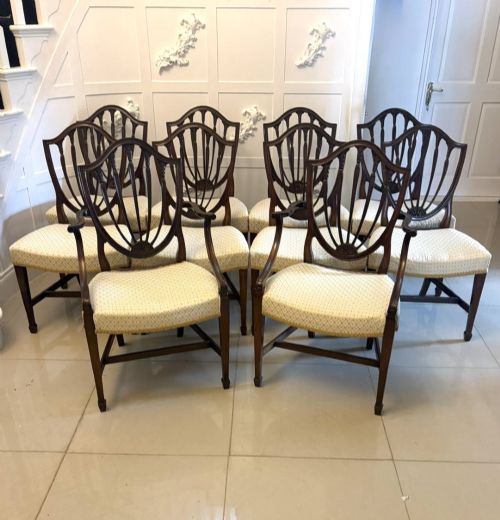
Vintage Wooden Carver Armchair
A vintage wooden carver armchair brings honest structural craft to a room, offering sturdy elbow support and tactile timber grain that mass-produced seating simply lacks.
Vintage Wooden Carver Armchair
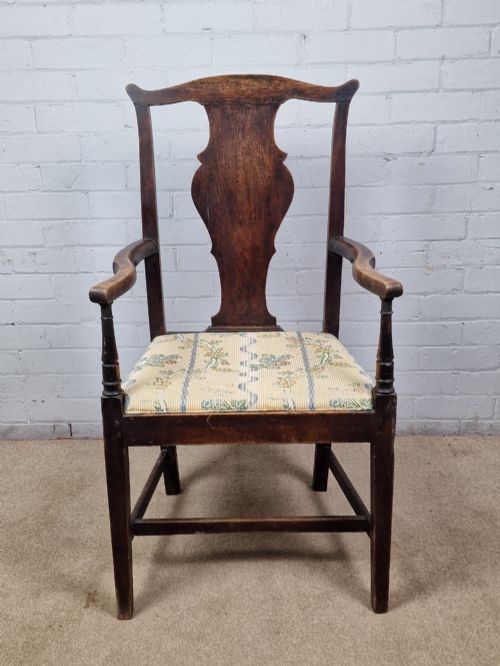
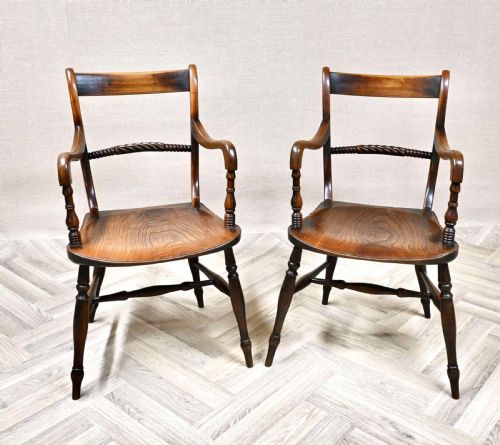
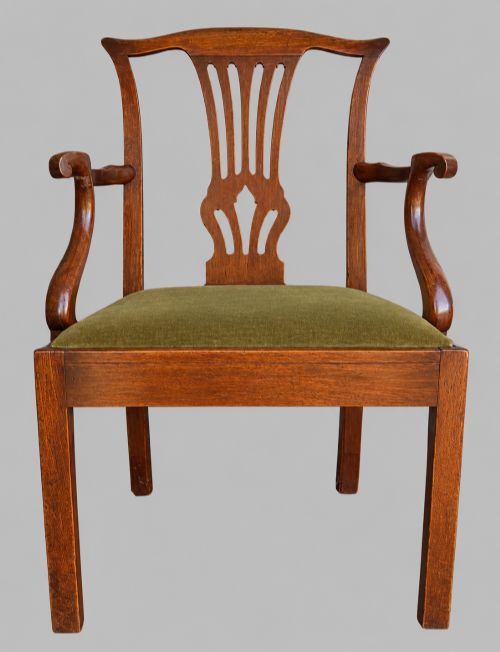
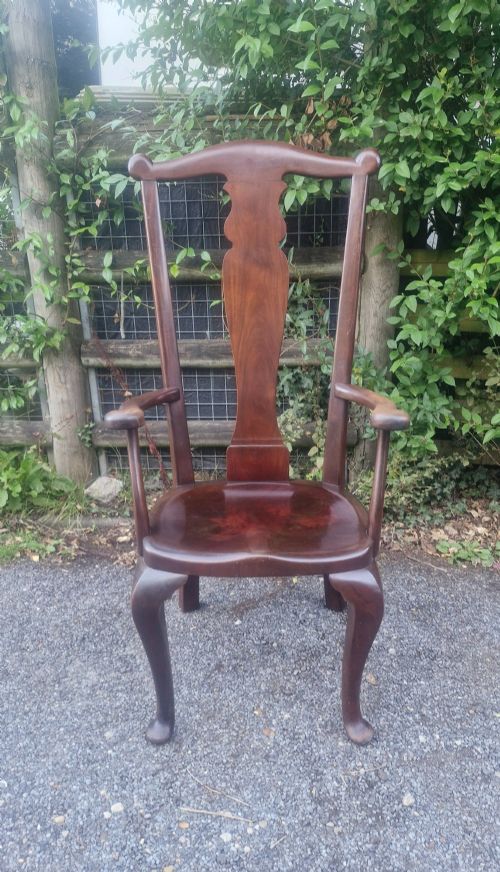
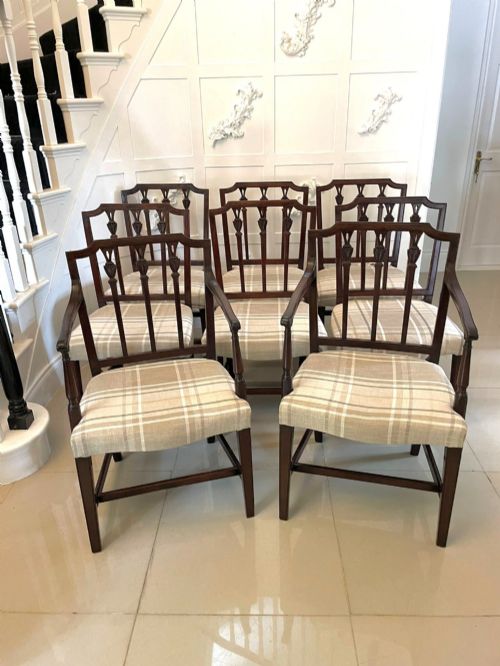
A vintage wooden carver armchair sits at the head of a dining table or functions as a standalone desk seat, distinguished by integral armrests attached to a sturdy timber frame. When searching this phrase, buyers encounter substantial seating designed primarily for daily household utility rather than formal parlor display.
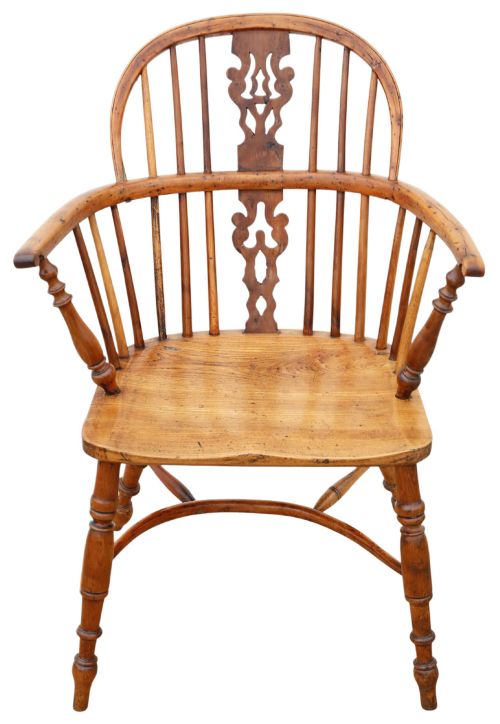
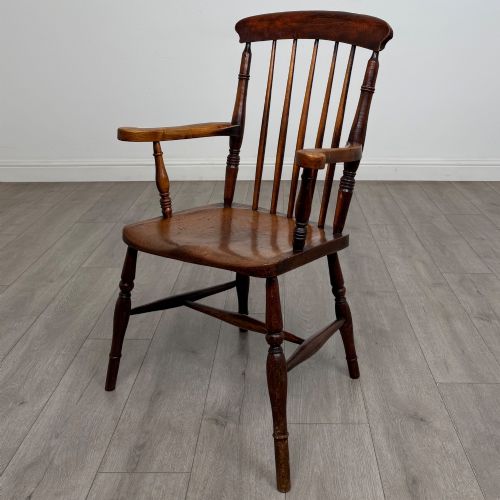
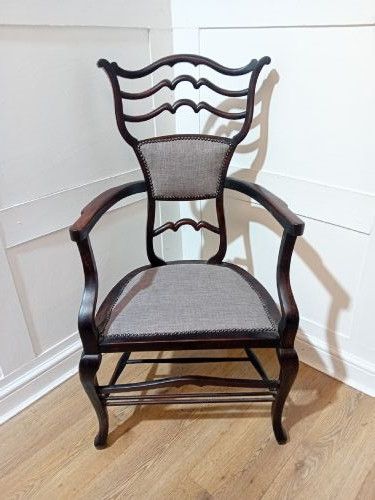
The selection ranges widely across stylistic traditions, encompassing rustic vernacular country forms alongside formal mahogany designs from the eighteenth and nineteenth centuries. Regional Windsor armchairs in elm, ash and yew sit alongside geometric Arts and Crafts oak frames and curved Edwardian mahogany models.
How they were made
Cabinetmakers and rural bodgers utilised native timbers like elm, oak, beech and mahogany, selecting each wood for its specific structural properties. Elm provided tough, splitting-resistant seats for bow-back Windsor chairs, while straight-grained mahogany suited the carved details of formal dining carvers.
Joinery techniques combined traditional mortise and tenon joints with steam-bent wooden components for curved arm rails and hoop backs. Windsor styles relied on wedged leg and spindle construction, binding distinct wooden elements together without reliance on modern metal fasteners.
Bodgers in the woods turned green chair legs on pole lathes while breathing in woodsmoke.
What varies in quality
Structural integrity separates functional antiques from compromised examples, depending on how firmly the spindles, arms and legs are fixed into the seat base. Original timber patination and surface wear reveal the authenticity of the piece, whereas excessive sanding or replaced components diminish historical character.
Proportion and wood selection dictate the visual success of the chair, with well-balanced arm curves and finely turned stretchers reflecting superior craftsmanship. Makers who selected tightly figured yew or rich, dense mahogany achieved a depth of finish that lesser domestic seating in beech or pine rarely matches.
Howard and Sons·Liberty Morris And Co·Maple And Co·Edward Barnsley
The Vintage Wooden Carver Armchair Glossary
- Carver armchair
- An armchair with wooden armrests, historically designed for the head of a dining table or for use at a desk.
- Windsor chair
- A chair built with a solid wooden seat into which the legs, back spindles and bow are separately raked and wedged.
- Vernacular furniture
- Domestic objects made by local regional artisans following traditional local patterns rather than high-style metropolitan designs.
- Comb-back
- A Windsor chair variation where the central vertical spindles extend upward to support a horizontal top rail resembling a hair comb.
- Barback
- A chair back featuring horizontal wooden slats resembling the rungs of a ladder or a tavern bar rail.
Vintage Wooden Carver Armchair: Frequently Asked Questions
How do I use a carver armchair at a dining table?
Measure the clearance height from the floor to the underside of your dining table to ensure the armrests slide underneath comfortably. Place these armchairs at the head and foot of the table to frame the setting.
Because carvers are wider than standard side chairs, allow extra lateral space for each seated person. Mixing a single wooden carver with simpler dining chairs creates an informal, collected interior appearance.
Can I use an antique wooden armchair at a desk?
Many sturdy nineteenth-century and Edwardian elbow chairs work exceptionally well as desk seating, providing comfortable arm support during writing. Check the seat height against your desk surface to maintain an ergonomic posture.
Ensure the chair base fits within the kneehole space of older wooden desks, as some country vernacular frames feature wide splayed legs. Adding a removable upholstered cushion helps if you require soft seating for extended work hours.
How do I clean and condition antique wood?
Dust the timber regularly with a soft, dry cloth to prevent grit accumulation from scratching the aged surface finish. Avoid modern silicone sprays and water, which can penetrate open grain and degrade historic polishes.
Apply a microcrystalline wax or traditional beeswax sparingly with fine wire wool only when the timber appears dry. Buff gently with a clean cloth to restore a natural, protective sheen without altering the patina.
How do I tell an 18th-century Windsor from a Victorian copy?
Examine the construction of the seat underside to identify tool marks, such as adze shaping or pit-saw striations characteristic of older production. Eighteenth-century examples often display wider saddle seats and more irregular hand-turned spindles.
Victorian and later revival pieces frequently feature uniform machine-turned components, standardised screw threads, and cleaner sawmill marks on the timber. The patination and depth of colour in the wood grain also help indicate the true age of the piece.