
Vernacular Country Armchair
These vernacular country armchairs are honest domestic seats shaped by local tradition, offering solid timber construction and regional character for daily living.
Vernacular Country Armchair
A vernacular country armchair represents utilitarian domestic seating shaped by regional hands, featuring robust timbers and practical designs intended for daily use rather than formal display. These pieces span from the late seventeenth century through the Edwardian era, drawing on traditions rooted in English, Scottish, and Irish workshops.
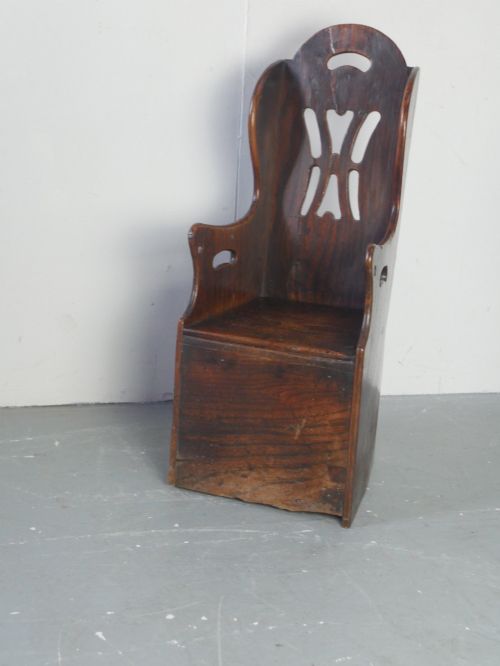
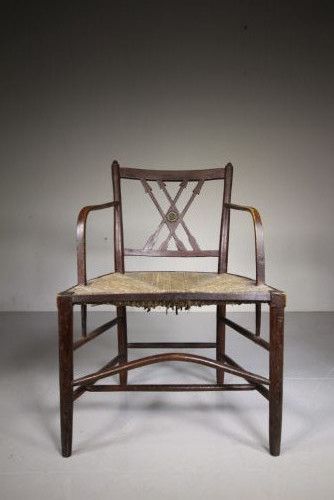
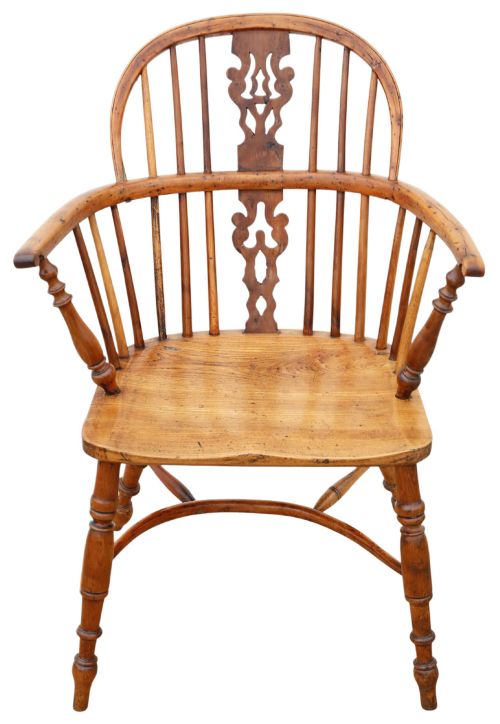
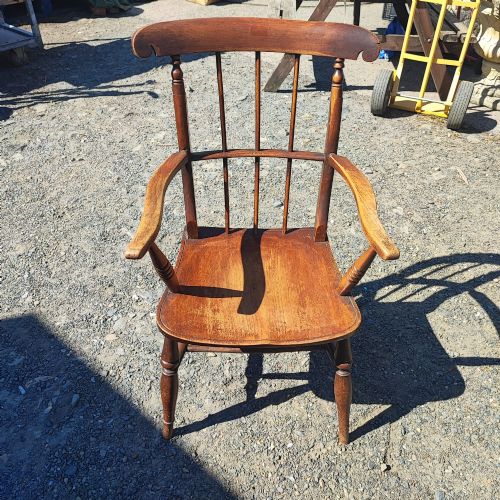
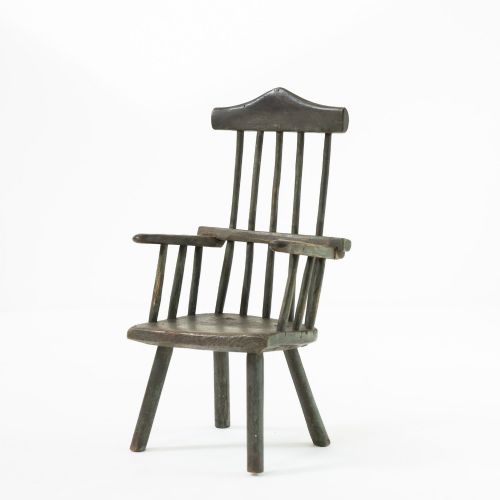
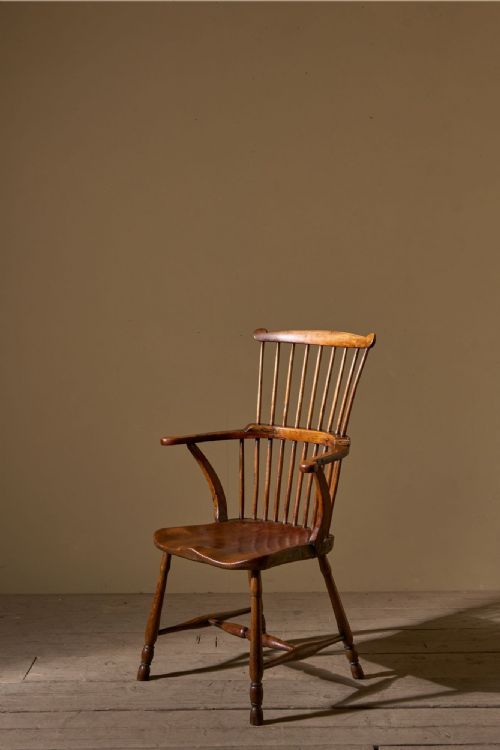
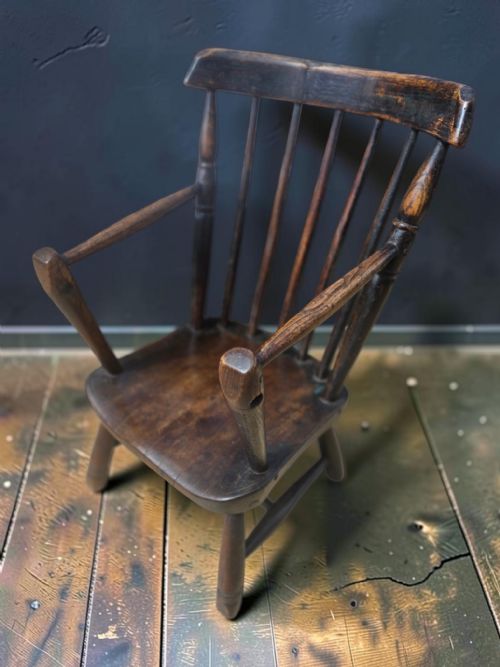
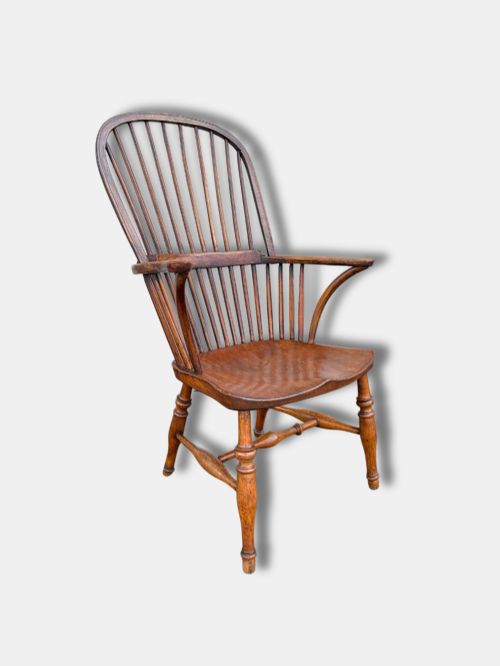
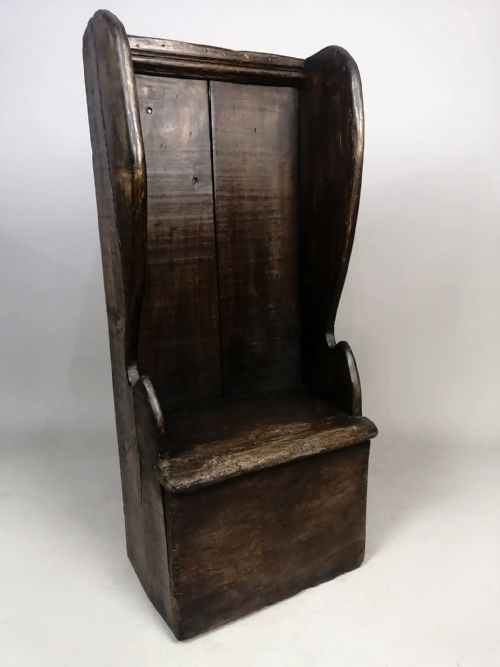
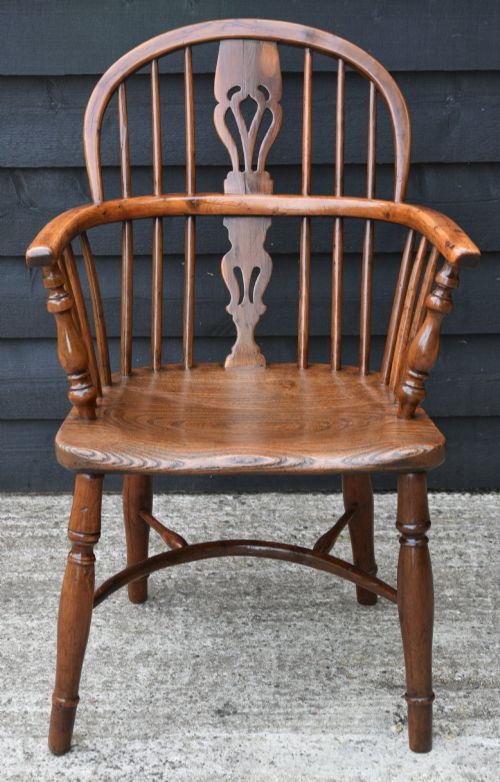
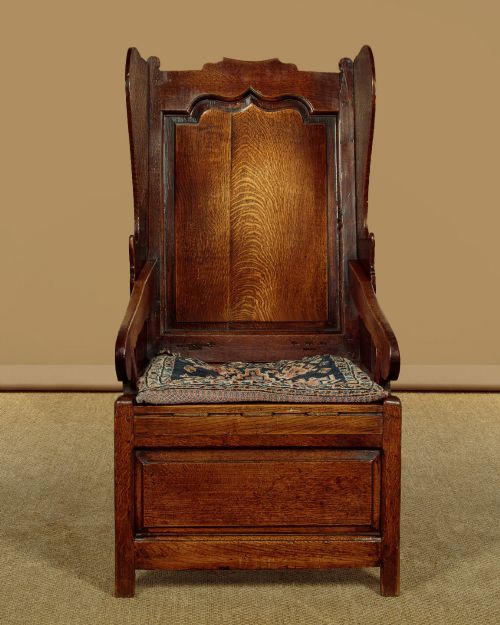
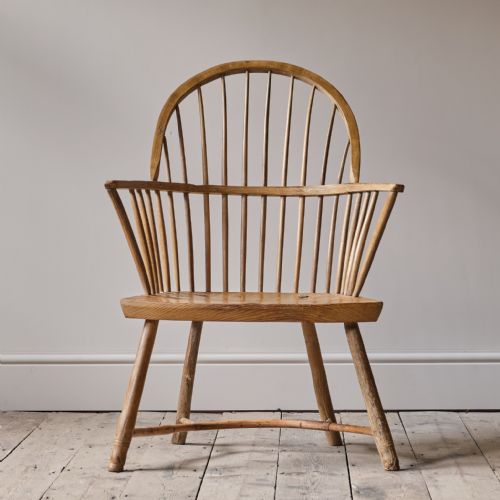
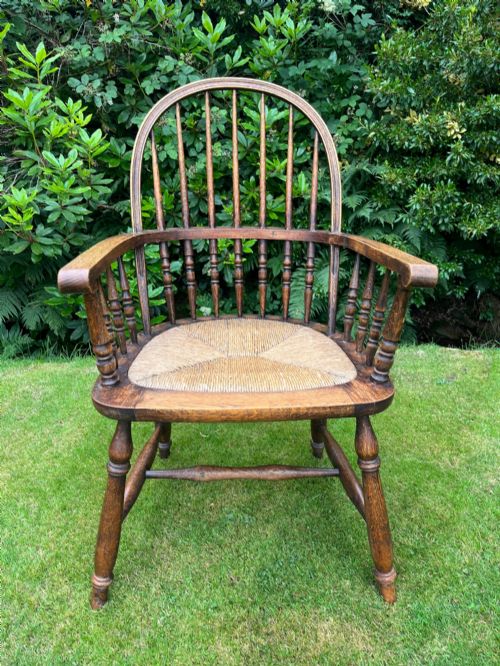
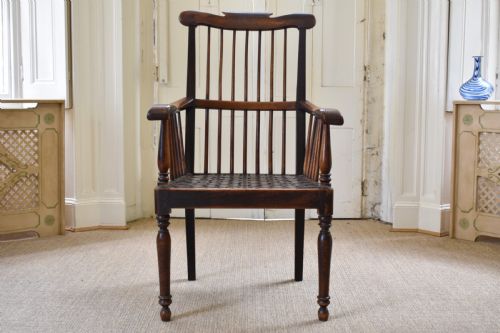
The selections encountered here most frequently include Windsor forms with stick or comb backs, alongside panel-backed types, lambing chairs designed with draught-blocking hoods, and low-backed variants. Alongside full-sized seating, smaller iterations such as children's armchairs and high chairs appear regularly across the inventory.
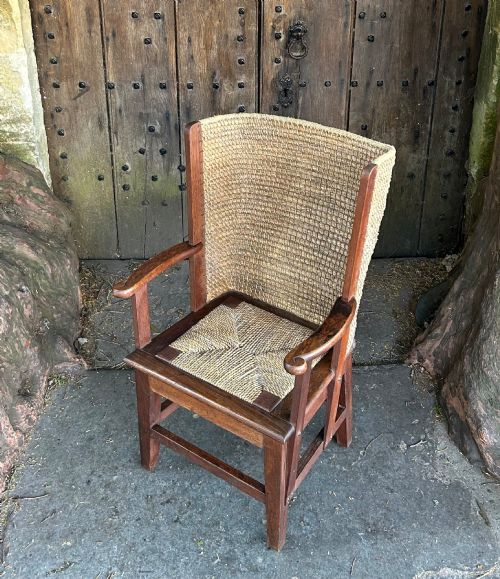
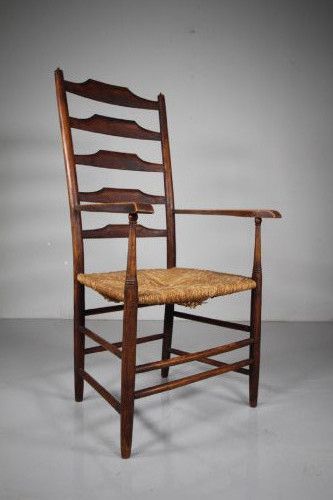
Regional variations dictate the distinct silhouettes found within this group, ranging from Thames Valley Windsors to Lancashire ladder-backs and Orkney crofter chairs. Each piece reflects the specific material availability and seating requirements of its local area of origin.
Materials and Construction
Makers utilised locally available hardwoods and softwoods, frequently combining multiple timbers within a single frame to exploit their specific mechanical properties. Elm appears widely for shaped seats due to its resistance to splitting, while ash provides resilient bending strength for spindles and bow frames, and yew offers rich grain and strength.
Additional timbers such as oak, fruitwood, laburnum, beech, and sycamore are paired in composite constructions, sometimes supported by rush seating or finished with historic painted surfaces. Joinery relies on traditional methods including wedged tenons, drilled socket joints, and steam-bent components that allow the timber to withstand constant movement.
Some chairs retain traces of old cottage paint, accidental ink splashes, and deep notches carved by generations of elbows.
Judgement of Quality
Quality rests upon the harmony of the timbers selected and the integrity of the original construction, where well-proportioned spindles and balanced arm bow curves indicate careful workshop execution. Honest patination earned through centuries of use distinguishes pieces that retain their original surfaces from those compromised by aggressive stripping or unsympathetic modern restoration.
The survival of original elements, such as unreplaced legs, wedge pins, and untouched painted finishes, elevates the standing of an armchair within its type. Lesser examples often suffer from heavy replacement parts or structural alterations that dilute the regional authenticity of the form.
Philip Clissett·Gabbitass Worksop maker
The Vernacular Country Armchair Glossary
- Windsor chair
- A chair built with a solid wooden seat into which the legs and back spindles are separately tenoned. This construction method creates a durable, skeletal frame characteristic of rural British seating traditions.
- Lambing chair
- A high-backed enclosed wooden chair featuring solid sides designed to shield the occupant from draughts. These pieces often incorporate under-seat storage boxes or low profiles suited to hearthside placement.
- Comb back
- A chair back style where the vertical spindles rise to support a horizontal top rail that resembles the teeth of a comb. This arrangement provides structural rigidity while maintaining a light visual profile.
- Stick back
- A chair design constructed from simple turned or cleft rods inserted directly into the seat slab. It represents an efficient vernacular method requiring minimal specialised joinery.
- Patina
- The surface texture and deep colour developed by timber over decades of handling, cleaning, and exposure to light. This visual depth serves as a primary indicator of genuine age.
Vernacular Country Armchair: Frequently Asked Questions
What is a vernacular country armchair?
A vernacular country armchair is a regional seat built by local joiners or bodgers using accessible woods. These chairs prioritize utility and comfort over fashionable ornament.
They reflect the traditions of specific rural areas across Britain, resulting in diverse forms like Windsor and ladder-back chairs.
How were these chairs used historically?
These armchairs served as primary household seating around hearths, in farmhouse kitchens, and across rural workshops. Their sturdy construction suited heavy daily domestic life.
Specialised variants like lambing chairs provided specific protection against cold drafts in poorly insulated rooms.
How do I style a country armchair at home?
These armchairs function effectively as accent pieces in modern living rooms, studies, or bedrooms, introducing warmth through natural wood grain. Their unpretentious profiles allow them to complement both rustic and contemporary interiors.
Placing them in corners or beside reading tables highlights their sculptural stick or hoop backs.
How can I tell the age of a chair?
Age is assessed through construction marks, tool traces, timber shrinkage patterns, and the character of the surface patina. Hand- cleft wood and primitive joinery methods often suggest earlier periods.
Comparing structural details against established regional types helps narrow down the likely decade of manufacture.