

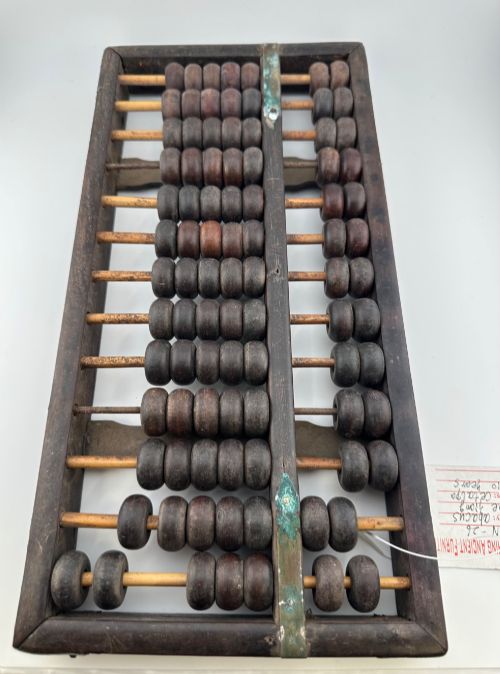
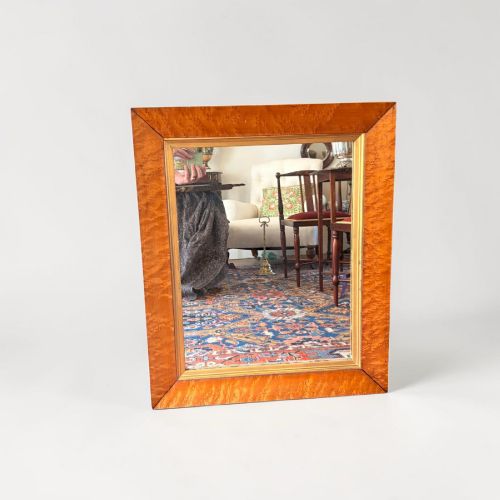
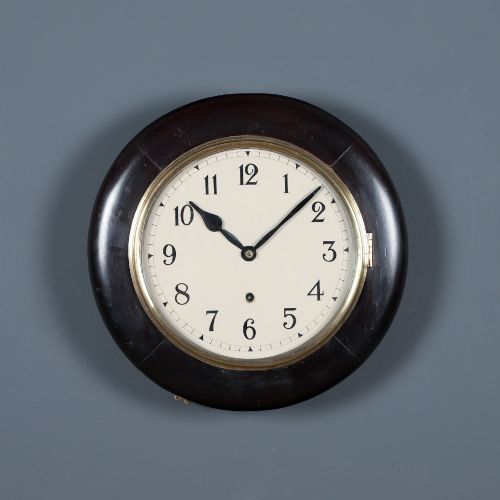
Vintage Wood Frames
These vintage wood frames bring warmth and character to walls, offering authentic period charm for framing art or mirrors.
Vintage Wood Frames
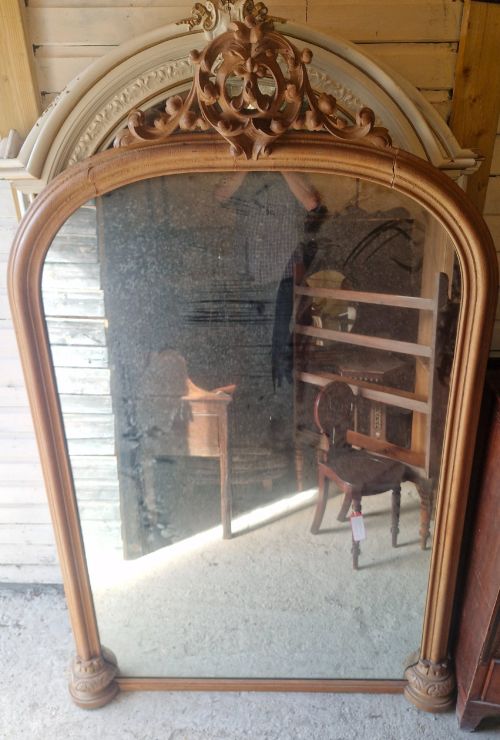
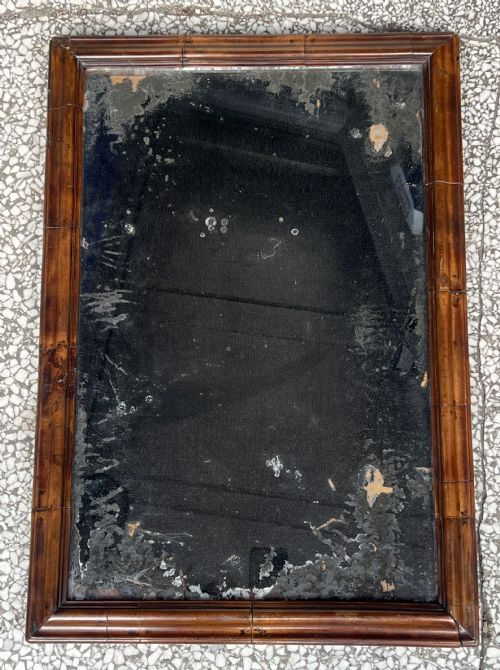
When hunting for vintage wood frames, buyers encounter a diverse selection ranging from nineteenth-century pieces to early twentieth-century examples. The inventory spans simple wooden profiles to ornate constructions reflecting Georgian, Victorian, and Edwardian tastes.
Many of these items appear combined with mirrors or paintings, showcasing timber construction alongside decorative elements. Walnut, mahogany, and oak form the structural backbone of these domestic furnishings.
The assortment includes regional variations such as Anglo-Indian and Kashmiri pieces, demonstrating how different cultures shaped timber mouldings. Buyers frequently find rectangular and oval formats designed to hang upon interior walls.
How they were made
Craftsmen utilised solid timbers like oak, walnut, and mahogany, shaping them through traditional joinery and hand carving. Wood forms the primary structural carcass for these surrounds.
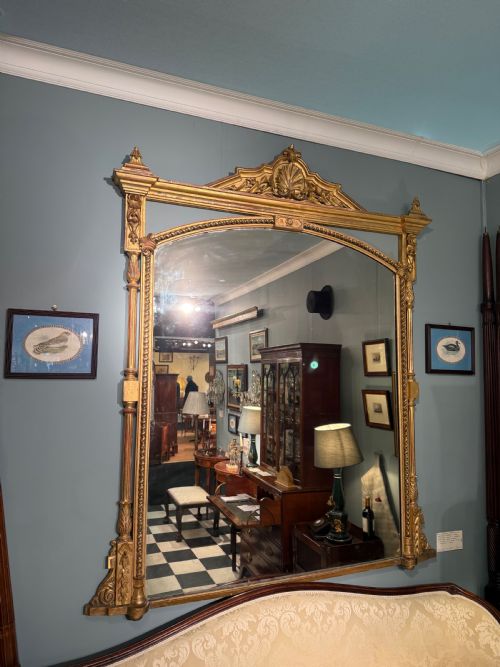
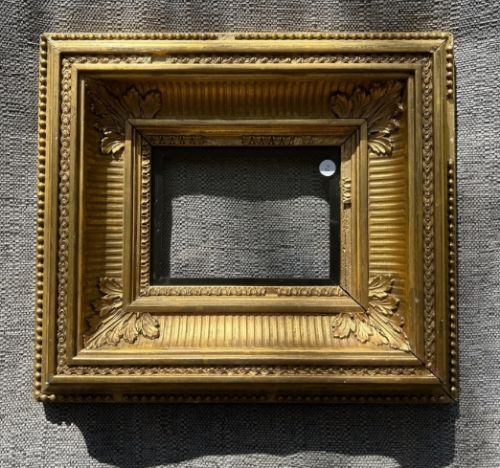
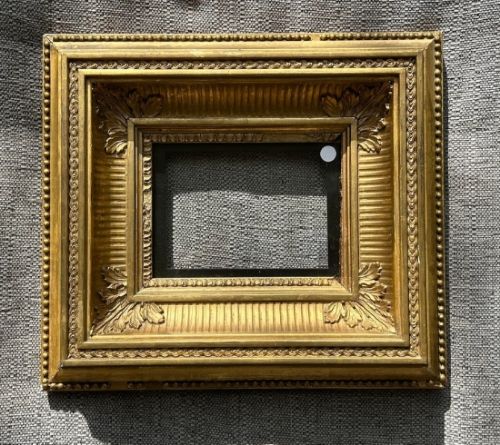
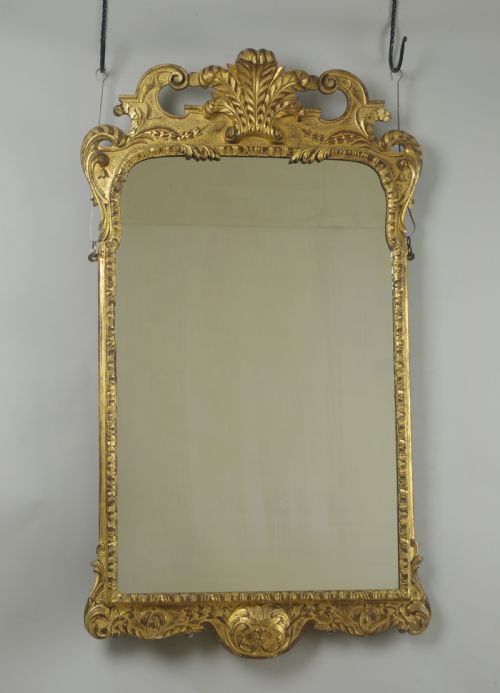
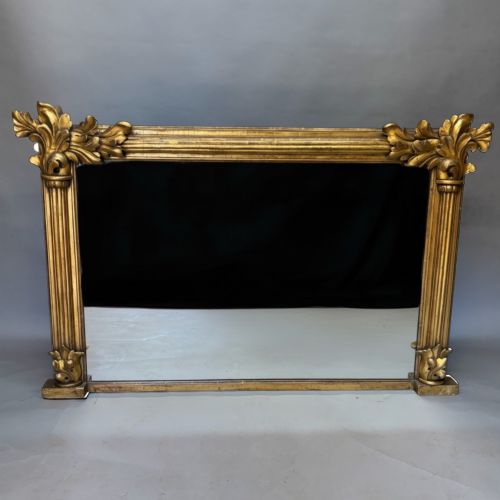
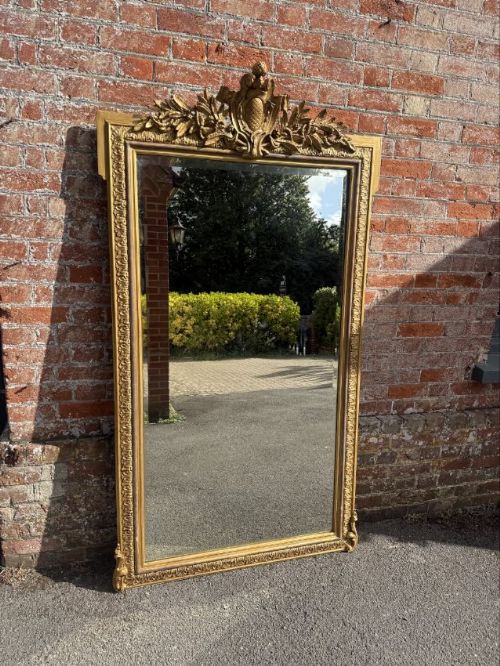
Giltwood and gesso surface treatments frequently overlay the timber base, creating reflective gold leaf finishes through layered plaster and applied metal. Carved wooden ornamentation adds depth and texture to the profiles.
Some examples incorporate brass inlay or painted details directly onto the timber surface, reflecting specific regional workshop practices.
Some frames travelled home from the colonies via steamship, carrying subtle hints of spice routes inside their carved joinery.
What varies in quality
The depth and crispness of carved wooden ornament distinguish finer examples from simpler production. Hand-chiseled details and well-defined gesso mouldings show superior workmanship.
The choice of underlying timber and the preservation of original gilding dictate the standing of a piece. High-grade items retain intact surface patination without heavy modern intervention.
The Vintage Wood Frames Glossary
- Gesso
- A plaster mixture applied to wood surfaces as a smooth base for gilding. This material takes intricate carved details before leaf application.
- Giltwood
- Timber coated with gold leaf or powder over a prepared ground. It provides a reflective, opulent finish popular in formal interior decoration.
- Parcel-gilt
- Partially gilded woodwork where gold highlights accent specific carved areas while exposed timber grain remains visible elsewhere.
- Fretwork
- Ornamental design cut out of flat wood using a scroll saw. Georgian styles frequently employ this technique for decorative wall surrounds.
- Moulding
- A strip of wood with a carved or cast profile used to create decorative borders. Profiles vary from simple hollows to elaborate fluted designs.
Vintage Wood Frames: Frequently Asked Questions
How do I hang a heavy wooden frame safely?
Heavy wooden frames require secure wall fixings suited to the specific wall construction. Using appropriate picture wire and wall anchors ensures stability.
Weight distribution matters greatly for large timber and gesso pieces. Professional hanging hardware prevents strain on the original mitre joints.
Can I use these frames for modern art?
Period wood surrounds accommodate contemporary artworks effectively, creating a striking contrast between old and new. The key lies in selecting a profile that complements the artwork's scale.
Mounting modern canvases requires careful measurement to fit existing rebate depths. Professional framers can adjust internal rabbets without altering the external antique structure.
How do I clean antique giltwood safely?
Dusting requires a very soft, dry brush to remove particles without disturbing delicate gold leaf layers. Moisture and chemical cleaners damage fragile gesso surfaces instantly.
Professional conservation remains necessary for deeper cleaning or consolidation of flaking material. Gentle maintenance preserves the original historical finish.
What periods do these timber surrounds represent?
The selection encompasses eighteenth-century Georgian items, nineteenth-century Victorian pieces, and early twentieth-century Edwardian designs. Each era brings distinct carving styles and finishing techniques.
Identifying the era involves examining the timber species, joinery methods, and surface preparation. Regional variations also indicate the geographical origin of the workshop.