





Vintage Wood Corner Unit
A vintage wood corner unit makes intelligent use of dead space while bringing traditional character into a room.
Vintage Wood Corner Unit
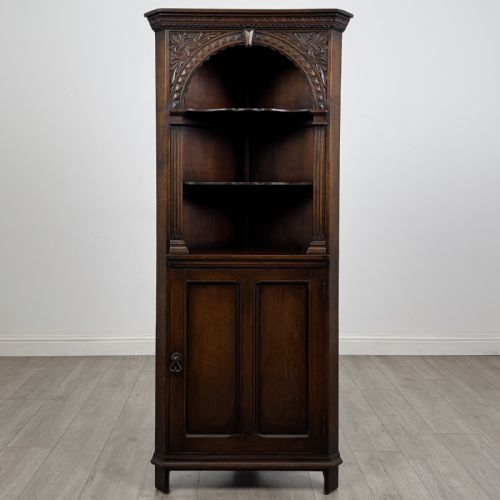
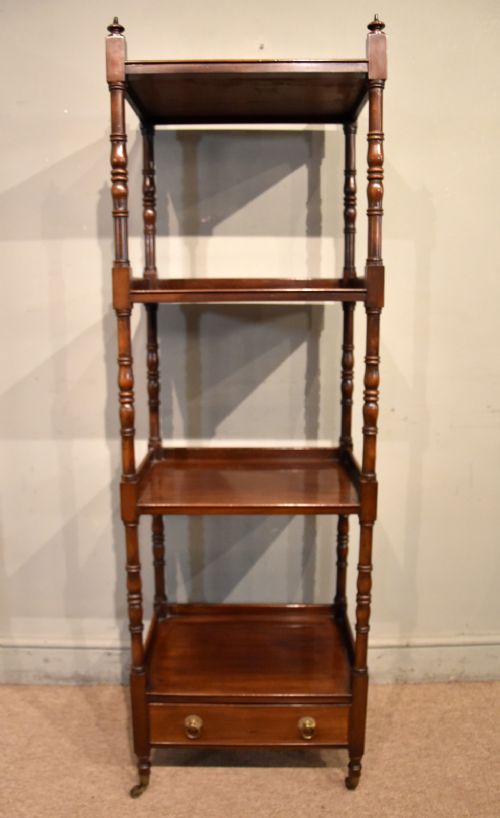
A vintage wood corner unit encompasses practical corner cupboards, cabinets, and tiered whatnots designed to fit snugly into room junctions. Buyers seeking these pieces encounter items spanning the Georgian, Victorian, and Edwardian eras, alongside later revival styles.
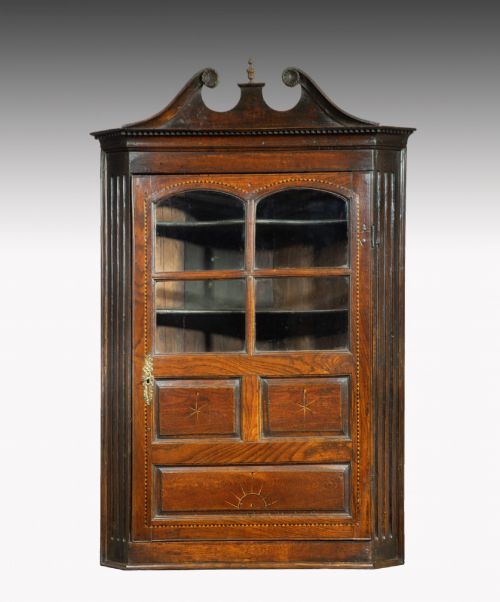
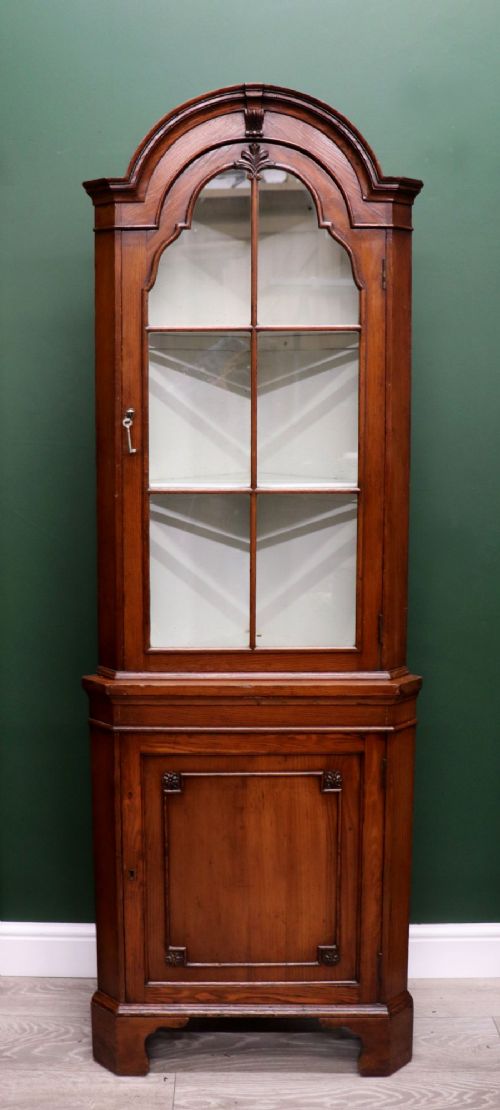
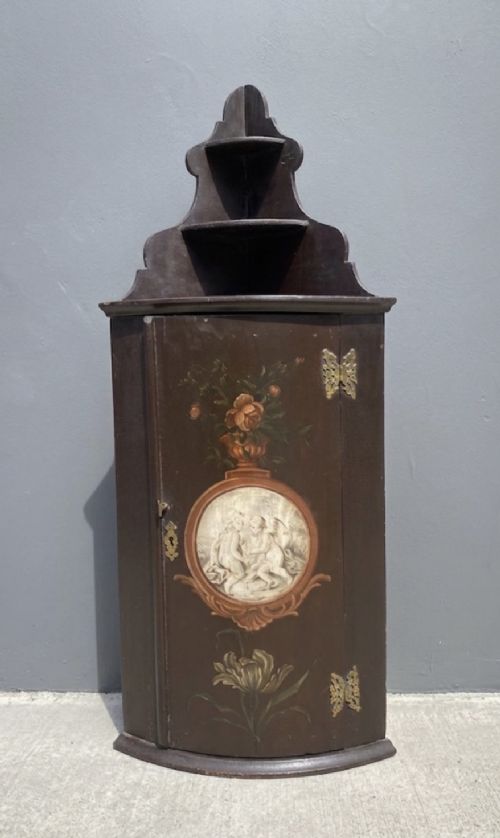
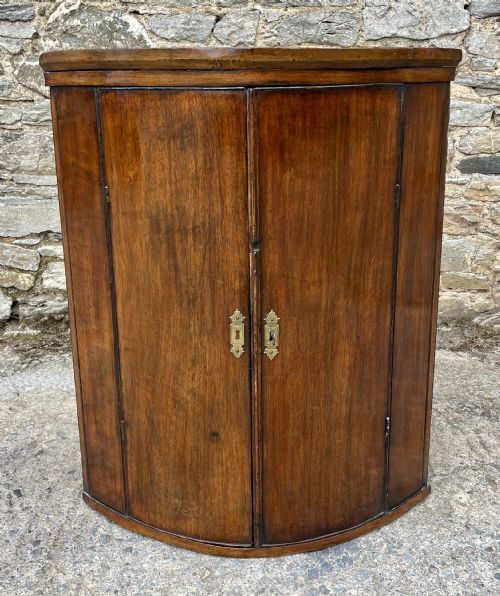
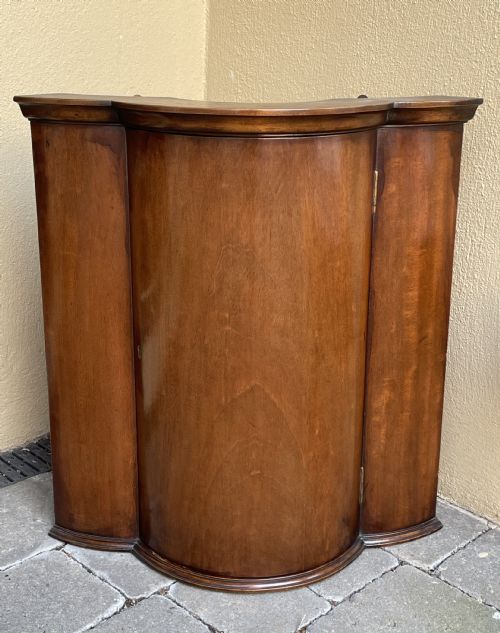
The selections available range from hanging wall cupboards to substantial floor-standing corner cabinets and open shelf units. Mahogany and oak dominate the offerings, frequently supplemented by walnut and burr walnut variations.
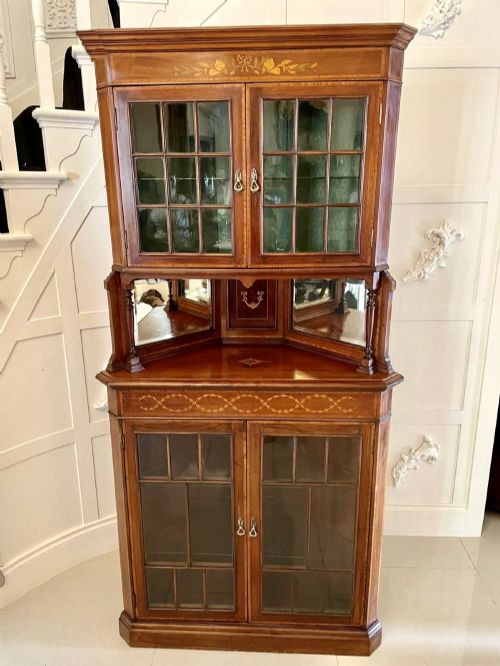
Hanging cupboards provide compact storage at eye level, whereas floor-standing variants and multi-tiered whatnots anchor a corner with display surfaces. Period examples often exhibit distinct regional characteristics, from 18th century oak construction to later inlaid Edwardian pieces.
Materials and construction methods
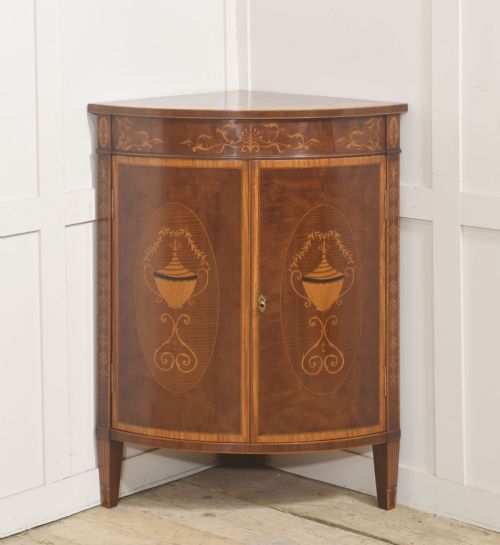
Makers constructed these units primarily using solid and veneered timbers, notably mahogany, oak, and walnut, often enhanced with brass hardware and glass panels. Craftspeople selected these woods for their durability and grain patterns, applying satinwood inlay to elevate finer decorative examples.
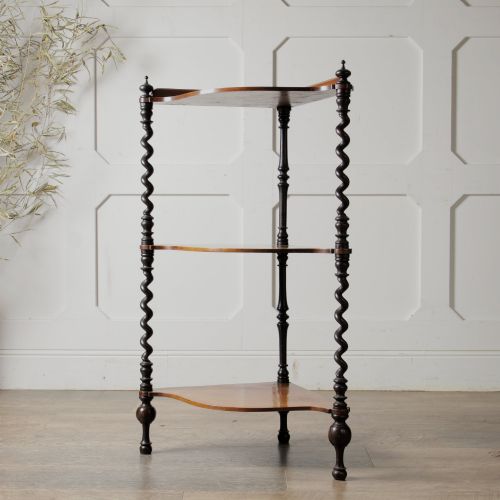
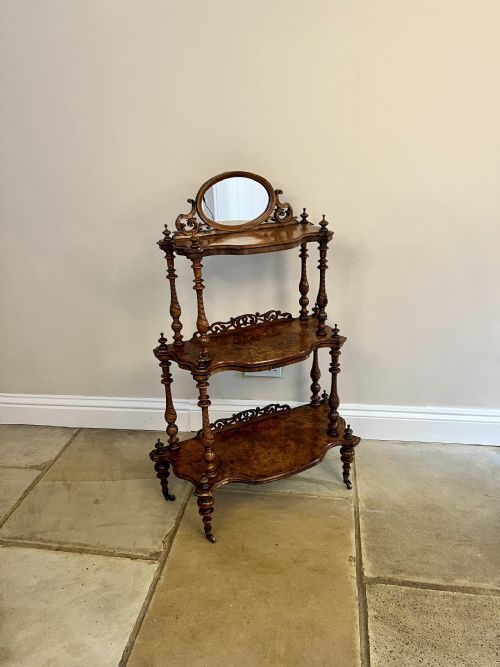
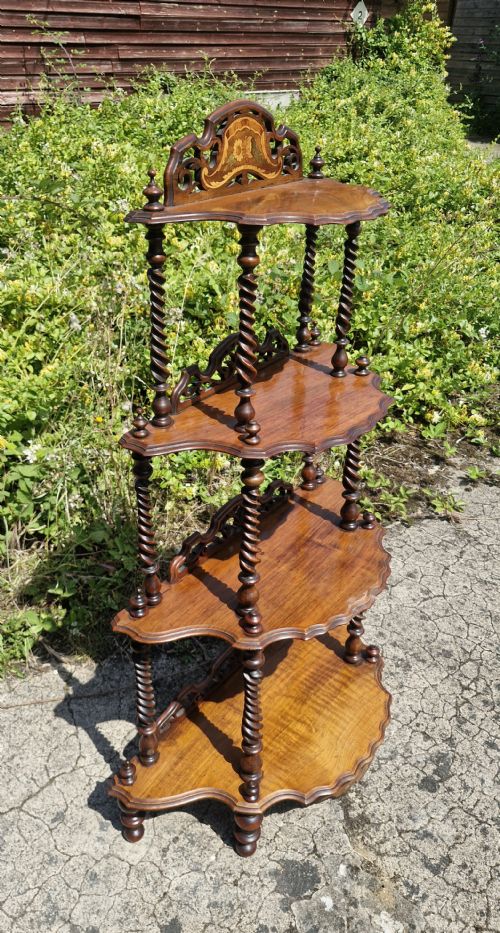
Joinery techniques varied according to the period, utilising panelled construction for stability in earlier cupboards and precise dovetailing for drawers. Turned supports, barley twist columns, and tiered shelves characterise the structural assembly of Victorian whatnots and multi-tier stands.
Vintage Wood Corner Unit Retail Price Guide 2026
Typical asking prices for vintage wood corner unit among the pieces listed under this phrase on Sellingantiques today, from the lower quarter to the upper quarter. They describe what is for sale here now, not the wider market.
Listings feature woods spanning mahogany, oak, walnut, burr walnut, and satinwood inlay, alongside glass and brass elements.
Distinguishing quality across periods
Quality reveals itself through the selection of timber veneers, such as richly figured burr walnut or meticulously matched mahogany grains. Superior examples display refined marquetry inlay, precise brass escutcheons, and well-executed joinery that maintains structural integrity over centuries.
Proportion and detailing separate utilitarian storage from exceptional craftsmanship. Cabinets featuring fine architectural mouldings, original glass, and integrated shelving demonstrate the greater care invested by skilled workshops.
The Vintage Wood Corner Unit Glossary
- Whatnot
- A multi-tiered piece of freestanding furniture designed for displaying ornaments or books. These structures typically feature three to five open shelves supported by turned columns.
- Inlay
- A decorative technique where contrasting woods or materials like satinwood are inserted into recesses within the primary surface. This method creates geometric patterns or pictorial motifs.
- Escutcheon
- A protective plate surrounding a keyhole, usually fashioned from brass. It guards the surrounding wood from wear caused by the key.
- Marquetry
- The art of applying decorative veneer pieces to a structure to form intricate designs. Craftsmen utilise various wood grains and colours to achieve pictorial or symmetrical patterns.
- Barley twist
- A carved wooden furniture leg or support twisted in a spiral resembling a barley stalk. This decorative turning became particularly popular during Victorian production.
Vintage Wood Corner Unit: Frequently Asked Questions
Where should I place a corner cabinet?
These units suit unused room junctions, transforming awkward angles into display or storage space. Hanging versions work well above tables or seating.
Floor-standing variations anchor empty corners in dining rooms, hallways, or sitting rooms without obstructing main walkways.
How do I identify a Georgian corner cupboard?
Georgian pieces typically feature solid oak or mahogany construction with understated architectural mouldings and panelled doors. Brass H-hinges and simple bracket feet often indicate earlier 18th century origins.
Later revival pieces produced in the 19th or 20th century frequently incorporate decorative satinwood inlay or Chinoiserie finishes.
What is the difference between a whatnot and a cabinet?
A whatnot consists of open tiered shelving intended purely for displaying decorative items, ceramics, or books. They provide accessible open surfaces rather than enclosed storage.
Cabinets and cupboards feature doors, sometimes glazed, designed to conceal and protect their contents from dust and light.
Are these units suitable for modern homes?
Their space-saving footprint allows them to integrate smoothly into contemporary layouts while adding historical warmth. They provide practical display areas in compact rooms where standard furniture might overwhelm the floor plan.
Mixing period wood tones with modern interiors creates a layered, collected aesthetic.