



Oak Floor Standing Cabinet
An oak floor standing cabinet is a sturdy piece designed to anchor a room, uniting functional storage with honest timber character.
Oak Floor Standing Cabinet
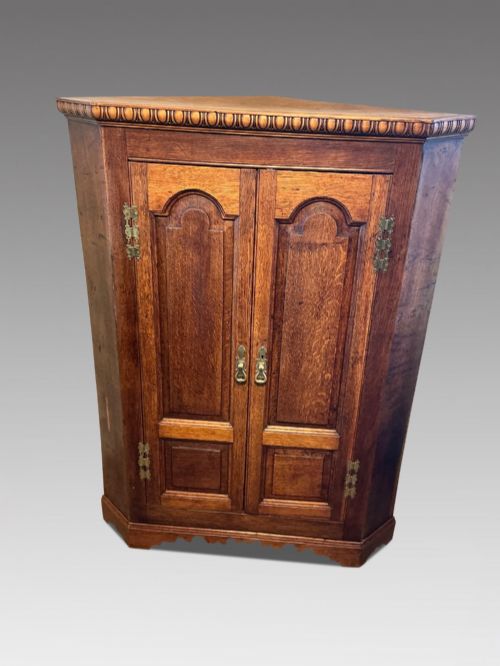
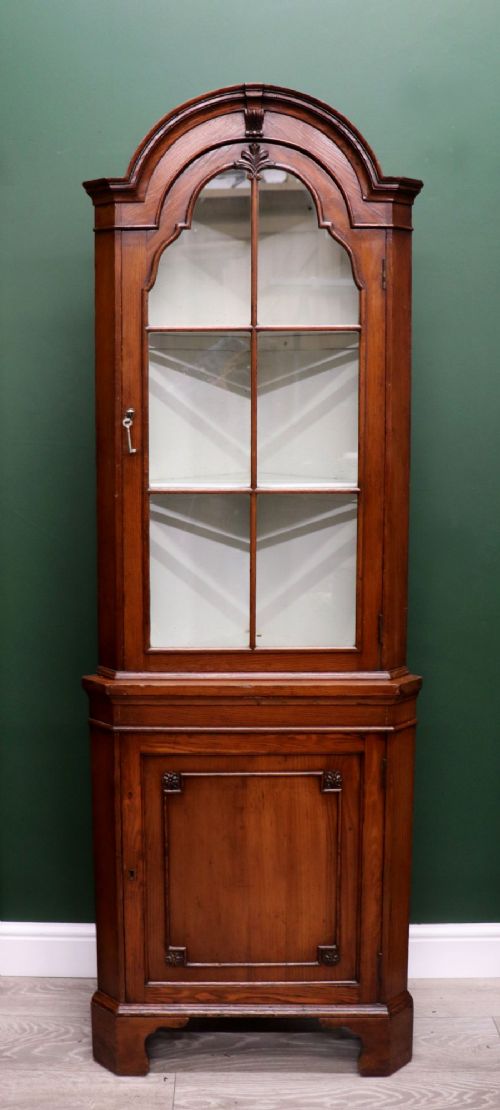
When you search for an oak floor standing cabinet, you encounter substantial freestanding furniture pieces primarily created in corner forms, display formats, and specialist storage units. These pieces span centuries of British cabinet making, from Georgian examples to Edwardian and later 1930s variations.
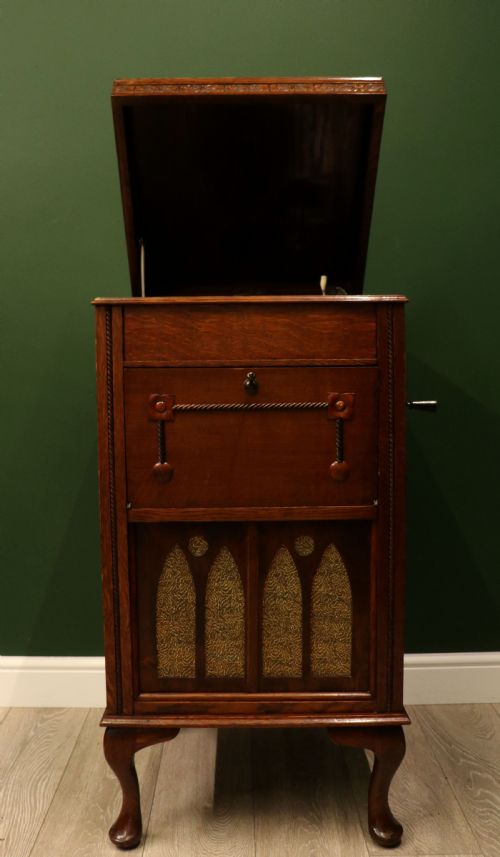
The corner cabinet dominates the selection, frequently constructed in two separate stacking sections to ease movement and placement within domestic spaces. Alongside these architectural cupboards, the evidence records specialised utilitarian and display forms including book presses, glazed bookcases, and upright gramophones.
Dating ranges from the eighteenth century through the Victorian era into the early twentieth century, showing enduring reliance on robust timber construction. English country workshops and formal urban cabinet makers alike produced these robust storage pieces to suit domestic interiors of varying scale.
What varies in quality
The standard of an oak floor standing cabinet rests upon timber selection and the integrity of its original construction rather than applied decoration. Pieces featuring dense, well-figured oak boards with stable panel joints demonstrate superior workshop origin compared to those built from simpler utility timber.
Construction complexity also marks the division between everyday utilitarian items and high workshop output, particularly in two-part corner cabinets and glazed display units. Original brass hardware, intact glass panes, and well-preserved internal shelving contribute significantly to the structural and historical standing of a piece.
Oak Floor Standing Cabinet Retail Price Guide 2026
Typical asking prices for oak floor standing cabinet among the pieces listed under this phrase on Sellingantiques today, from the lower quarter to the upper quarter. They describe what is for sale here now, not the wider market.
Object types recorded across eras include corner cupboards, display cabinets, book presses, and an upright parlour gramophone.
U Phone of Leeds
The Oak Floor Standing Cabinet Glossary
- Corner cabinet
- A specialist storage unit built with an angled footprint designed to fit directly into the corner of a room, maximising available space. These are frequently found in two distinct vertical sections.
- Bow fronted
- A convex, outwardly curved front facade that softens the rigid geometry of a traditional cabinet. This styling appears on select Georgian examples to create visual movement.
- Two part
- A large cabinet constructed as separate upper and lower sections that stack together. This method of construction originally aided transportation and positioning in older homes.
- Glazed door
- A framework door fitted with glass panes rather than solid timber panels, used on display cabinets and bookcases to showcase contents. Early examples feature individual small glass panes held by glazing bars.
- Book press
- A heavy mechanical device integrated into furniture or built as a standalone unit to flatten and press paper items. The evidence records early Victorian oak examples utilising screw mechanisms.
Oak Floor Standing Cabinet: Frequently Asked Questions
Where do these cabinets fit best?
Floor standing corner cabinets naturally suit empty room corners, utilising neglected architectural angles while providing substantial enclosed shelving space. Their upright proportions allow them to anchor a room without dominating the floor area.
Larger display cabinets and bookcases require wall space where their glazed doors and timber grain can be properly appreciated. Positioning them away from direct heat sources protects the historical timber and glass components.
How do I care for oak furniture?
Maintaining these timber pieces requires consistent indoor humidity levels to prevent the solid oak panels from splitting or warping over time. Simple dusting with a soft cloth preserves the dry finish of the wood without leaving chemical residues.
Applying occasional appropriate wax feeds the grain and protects historical surfaces from accidental moisture damage. Avoiding harsh modern cleaning products ensures the original patina remains undisturbed.
Are two part cabinets hard to move?
Two part cabinets separate into upper and lower sections, which significantly simplifies the process of lifting, transporting, and positioning the furniture. This modular construction was originally intended by makers to ease navigation through tight stairwells and doorways.
Reassembling the sections requires ensuring the unit sits level on the floor so the doors hang true and close properly. Simple shims can correct minor floor level variations beneath heavy base sections.
How do I distinguish Georgian from Edwardian pieces?
Georgian pieces generally display simpler, more robust architectural lines, deep timber patination, and traditional hand cut joinery characteristic of the eighteenth and early nineteenth centuries. Their proportions reflect the prevailing interior design standards of the period.
Edwardian and later pieces often incorporate lighter framing, refined glazing bars, and slightly different proportions reflecting changing domestic fashions around nineteen hundred. Examining the construction methods inside reveals the manufacturing era.