



Vintage Wood Cane
These vintage wood cane pieces combine practical support and historical interest, offering a traditional walking stick or seating design for everyday use.
Vintage Wood Cane
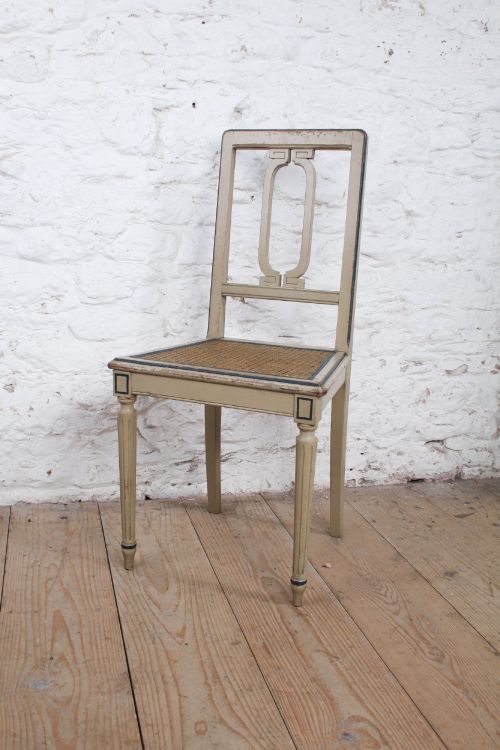
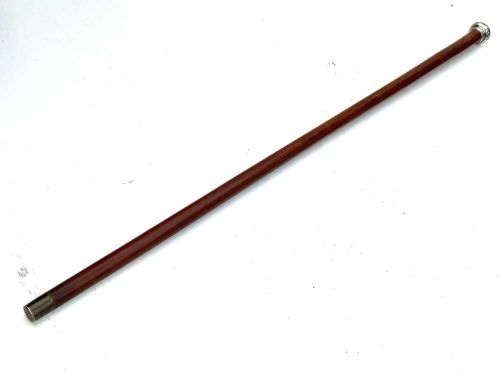
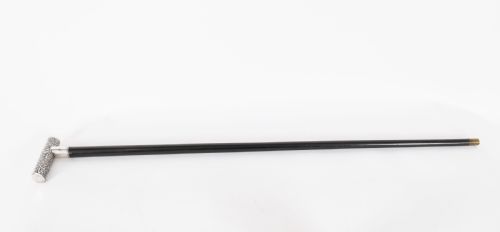
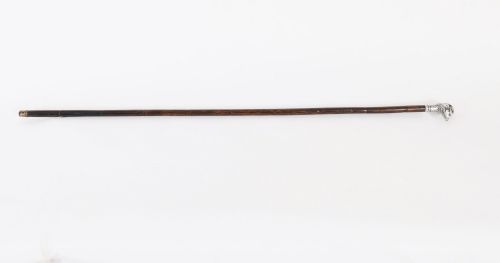
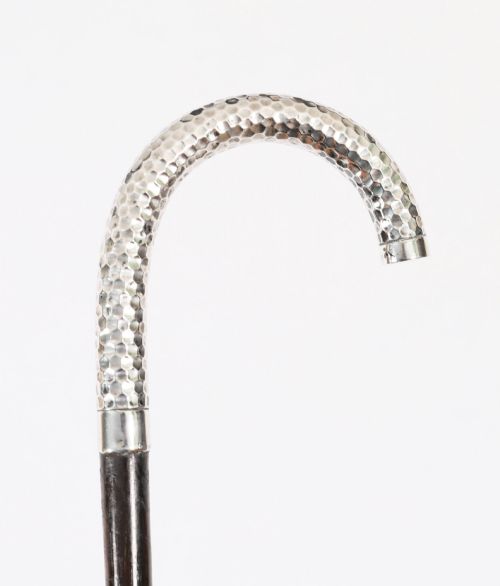
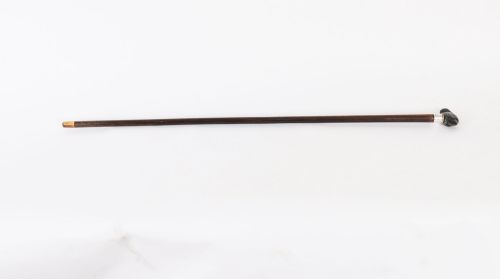
A vintage wood cane typically manifests as a walking stick, sword stick, or walking cane featuring silver, duck, horse, greyhound, pheasant, or parrot handles alongside various seating furniture with cane panels. When browsing this selection, buyers encounter items originating from the nineteenth century, the Edwardian era, and the early twentieth century.
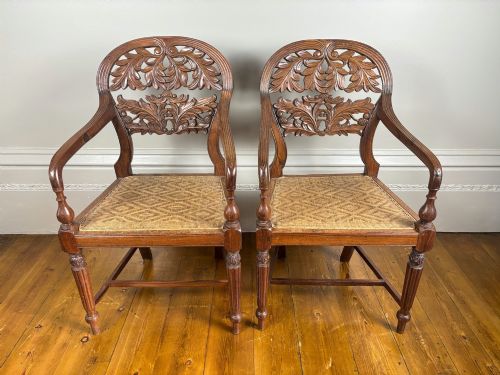
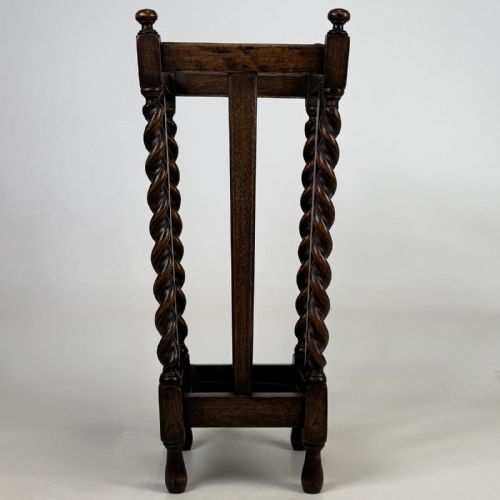
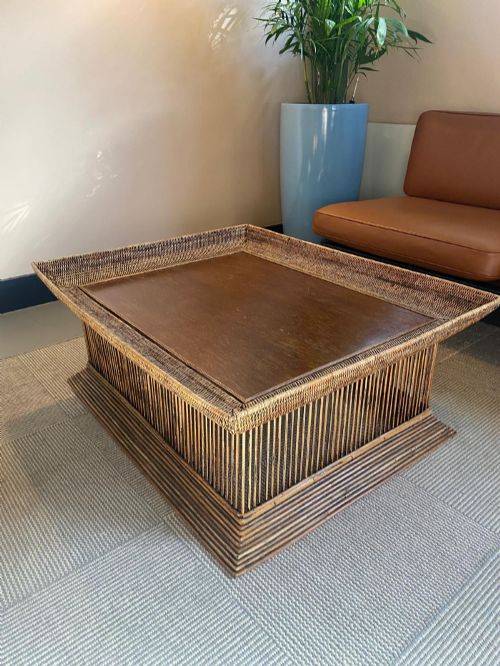
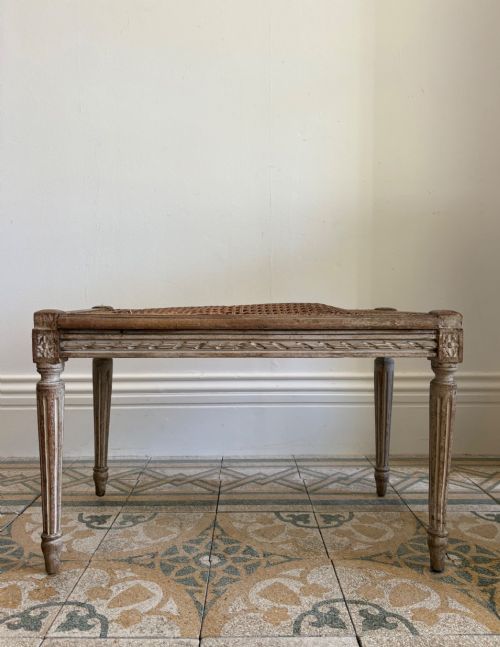
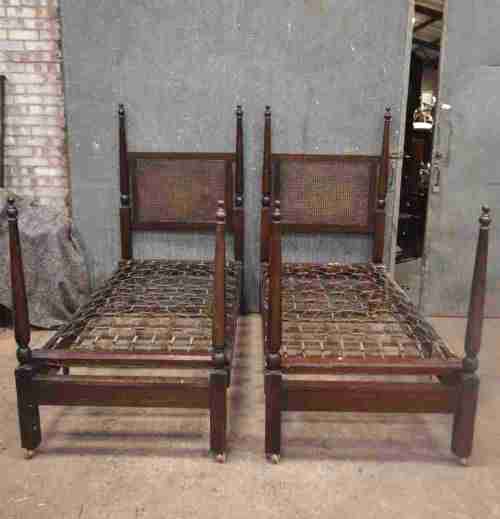
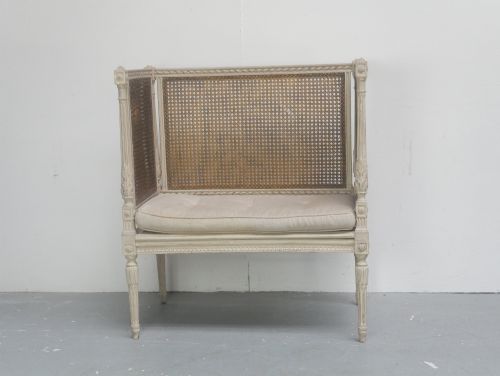
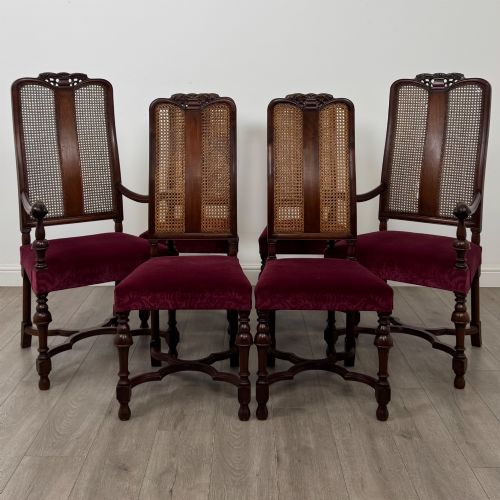
The objects span functional daily accessories and domestic furnishings, incorporating umbrella stands, armchairs, dining chairs, coffee tables, and day beds. These pieces display diverse stylistic influences including Victorian, Carolean Revival, Louis XVI, and French Neoclassical aesthetics.
How they were made
The construction relies heavily on natural timbers such as oak, beech, cherrywood, partridge wood, hazel, and mahogany, often paired with woven cane, wicker, and rattan. Metal components including silver, steel, brass, and iron appear frequently on handle mounts, ferrules, blades, and inlay work.
Joinery and carving techniques reflect period styles, utilising barley twist turnings, hand-carved animal motifs, and precise cane weaving for chair backs and seats. Blades fitted within sword sticks incorporate Toledo and Wilkinson steel.
Vintage Wood Cane Retail Price Guide 2026
Typical asking prices for vintage wood cane among the pieces listed under this phrase on Sellingantiques today, from the lower quarter to the upper quarter. They describe what is for sale here now, not the wider market.
Listings feature oak, beech, mahogany, and hazel wood alongside woven cane, wicker, and silver mounts.
What varies in quality
Quality differences emerge in the execution of carved animal heads, metal chasing on silver mounts, and the tightness of woven cane panels on seating. Higher grade pieces show refined proportions, substantial silver thickness, and robust internal blade mechanisms.
The selection of timber grain and the crispness of decorative elements like brass inlay or oak mouldings distinguish standard utility items from finely finished examples.
Brigg of London·Wilkinson
The Vintage Wood Cane Glossary
- Bergère
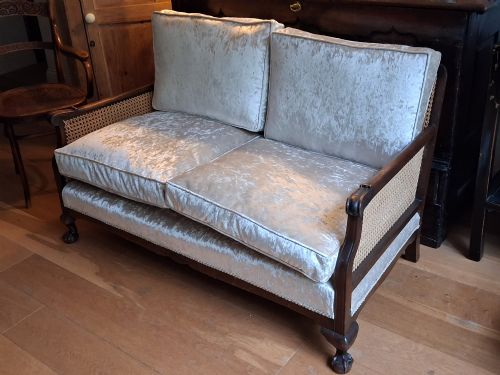
- A closed upholstered armchair with wooden frames and cane side panels or backrests. These seats date predominantly from French and Edwardian periods.
- Swagger stick
- A short cane carried by military officers as a symbol of authority rather than for physical support. They often incorporate hidden sword blades.
- Ferrules
- The metal caps fitted to the bottom of walking sticks to prevent wear on the wood. They protect the base during daily outdoor use.
- Barley twist
- A type of turning shaped like a spiral helix found on furniture legs and umbrella stands. This decorative motif appears frequently in Edwardian and Carolean revival pieces.
- Canapé
- A French term for an ornamental sofa or settee, often built with exposed wood frames and cane work. These pieces reflect Louis XVI and later stylistic revivals.
Vintage Wood Cane: Frequently Asked Questions
How do I date a walking cane?
Dating relies on examining the materials, hallmark stamps on silver mounts, and the specific style of the handle. Fashion trends in novelty heads and blade signatures also provide clear chronological markers.
Items from the nineteenth century often display heavier silver work and distinct regional carving characteristics compared to later twentieth-century productions.
Were sword sticks legal to carry?
Historical sword sticks served as personal protection for officers and gentlemen during the Victorian and Edwardian eras. Regulations regarding these items varied by jurisdiction and context of travel.
Modern collectors keep them primarily for historical display rather than everyday carry.
How should I maintain cane seating?
Cane panels require occasional light dusting and hydration to prevent the natural fibres from becoming brittle. Keeping furniture away from direct heat sources preserves the material flexibility.
Proper humidity levels in the room stop the woven rattan from snapping under tension.
What is the difference between a cane and a walking stick?
Walking sticks historically served as general outdoor aids for rambling and support, while canes often denoted urban fashion and status. Canes frequently featured decorative silver handles and novelty carvings.
Both forms utilise traditional woods like hazel, oak, and partridge wood in their construction.