
Vintage Wingback Armchair
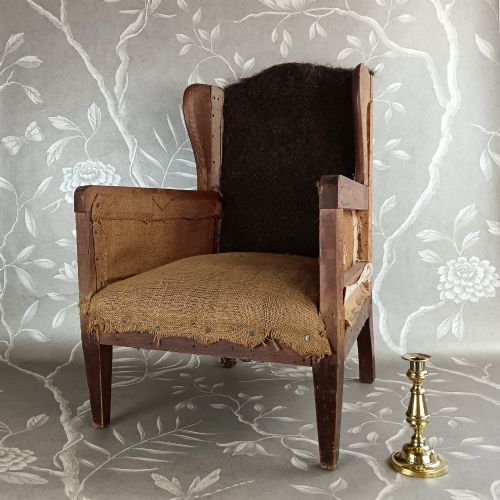
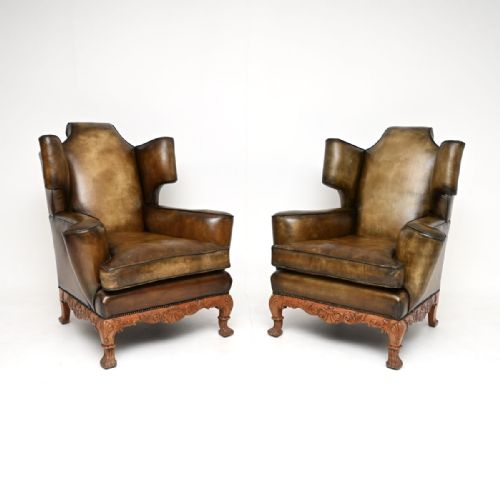
A vintage wingback armchair provides draught-excluding comfort with deep upholstery and distinctive side wings, offering a solid anchor for a traditional study or living room.
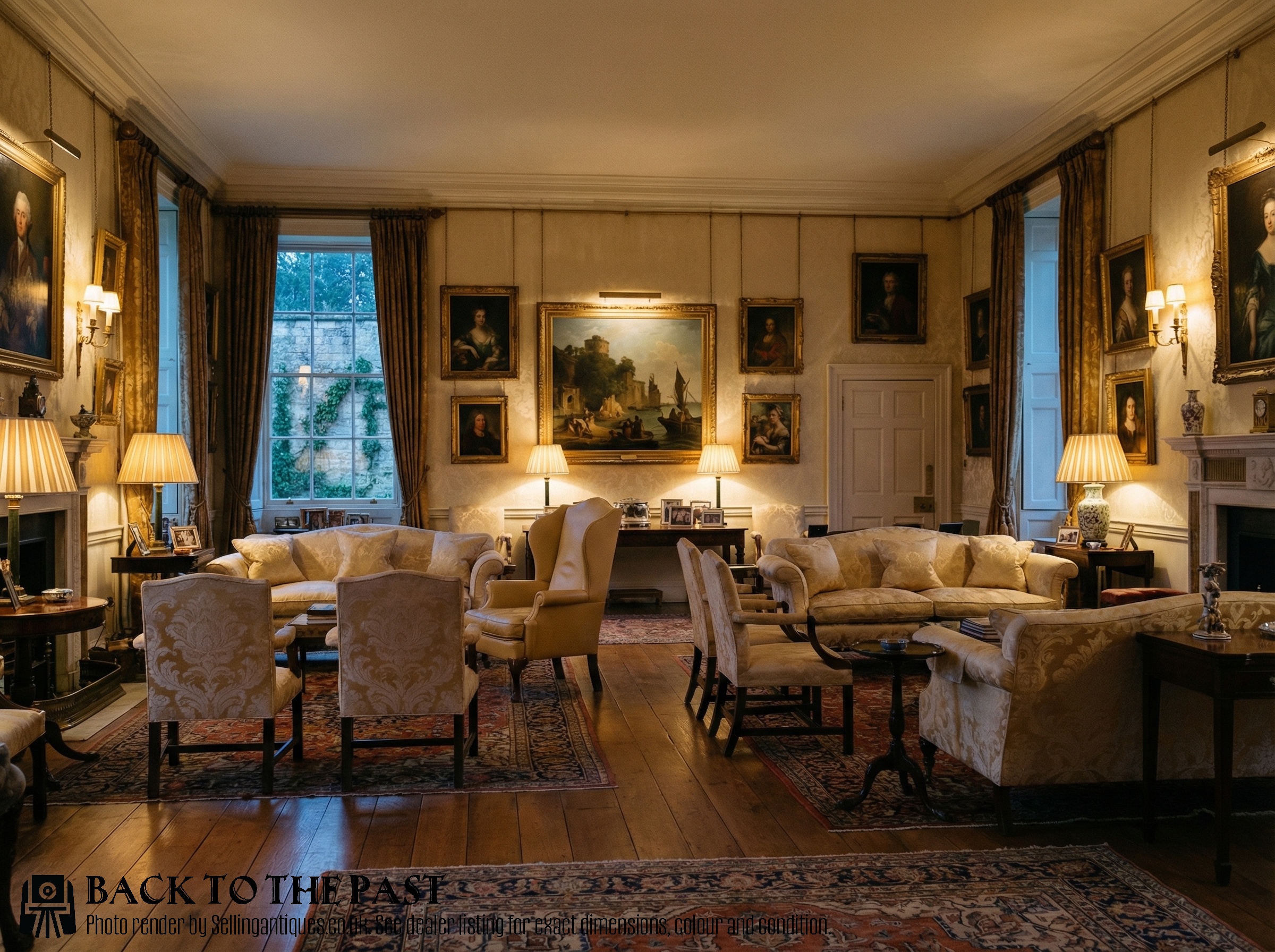
Vintage Wingback Armchair
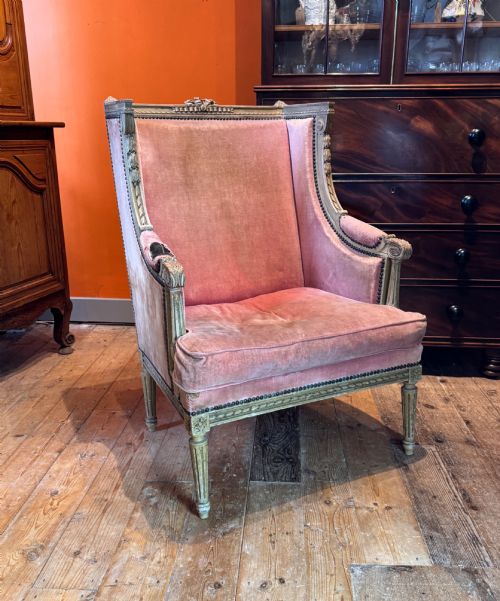
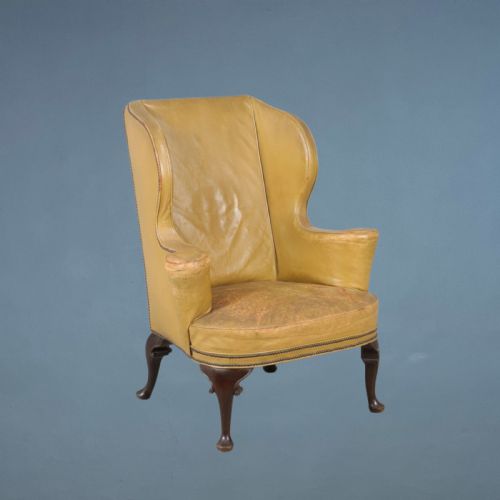
A vintage wingback armchair is a high-backed seat featuring protective side panels designed originally to deflect cold draughts from fireplaces. You will frequently encounter examples dating from the nineteenth and early twentieth centuries, alongside revival pieces that emulate earlier Georgian and Queen Anne forms.
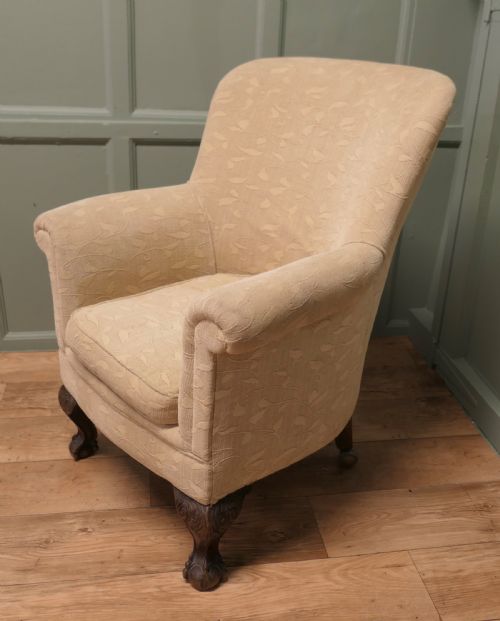
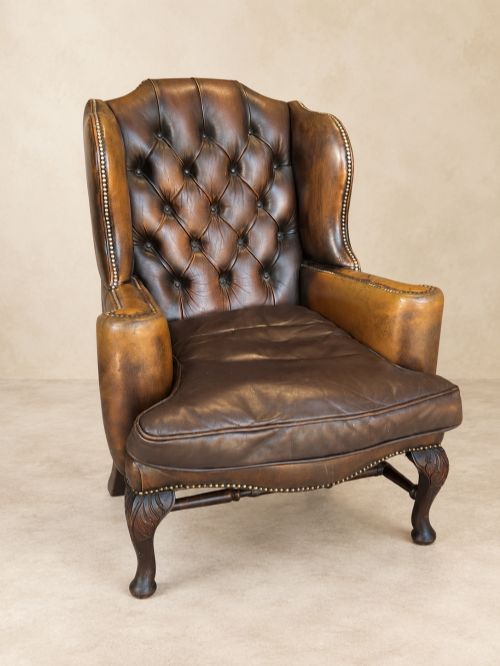
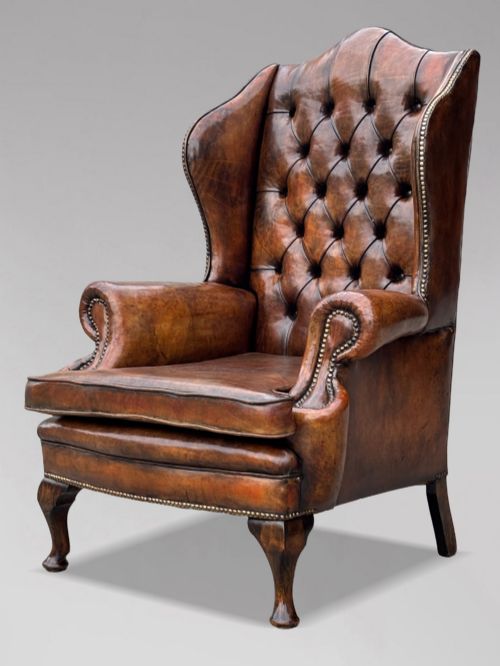
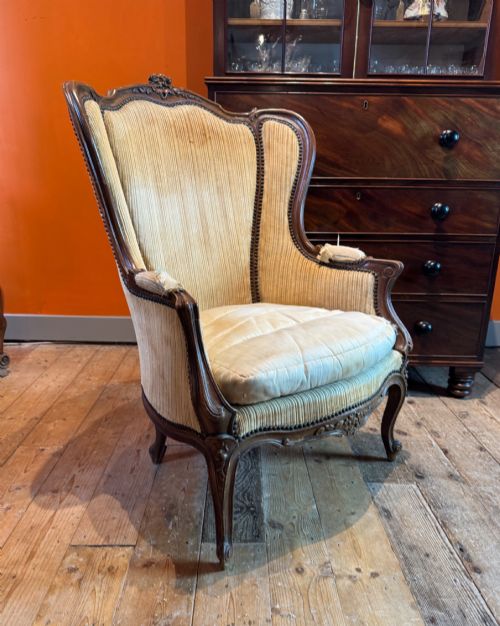
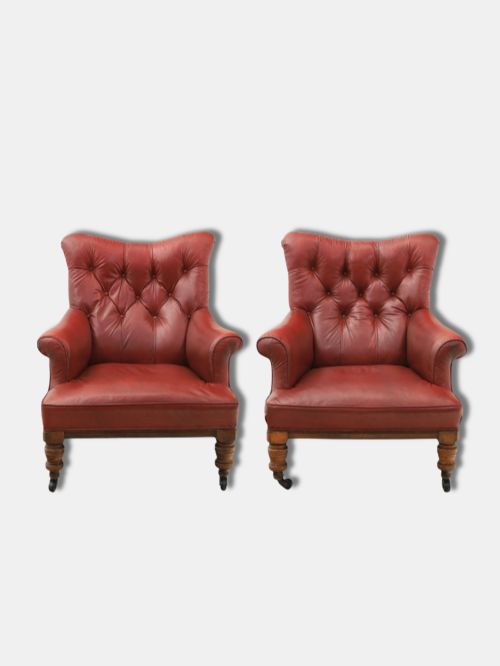
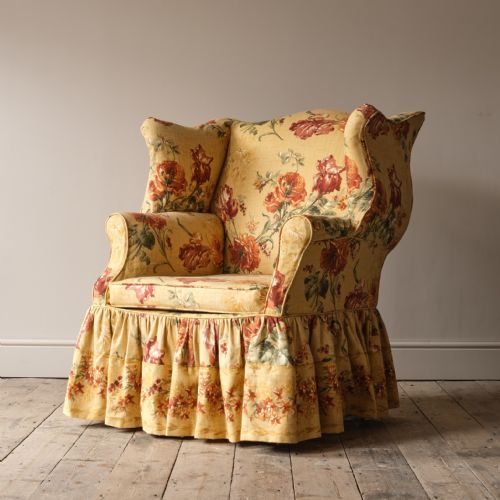
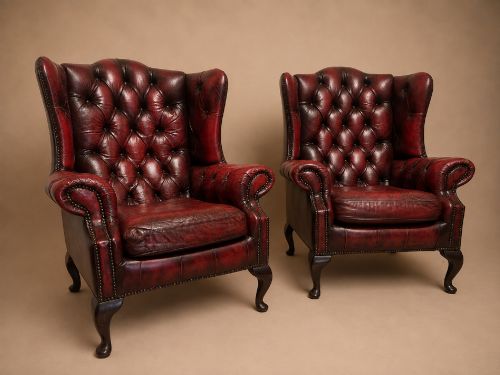
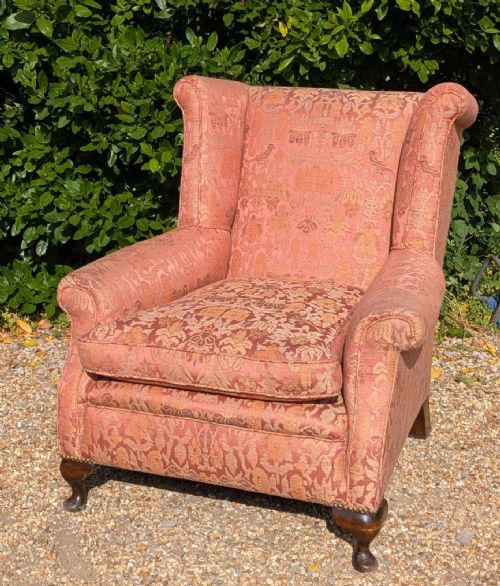
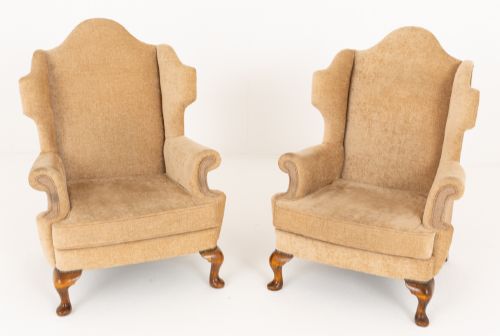
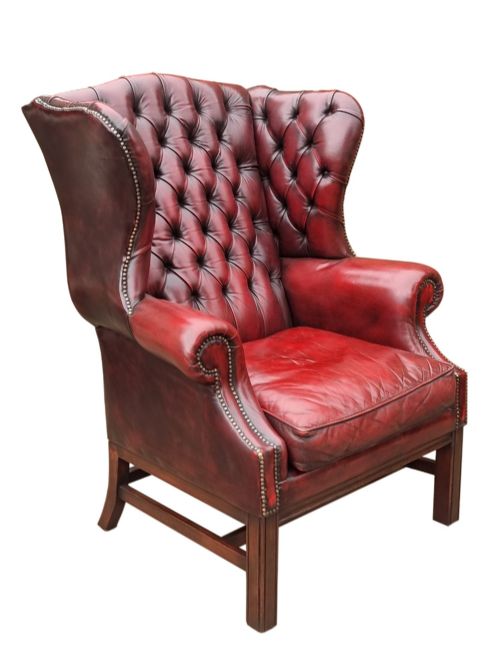
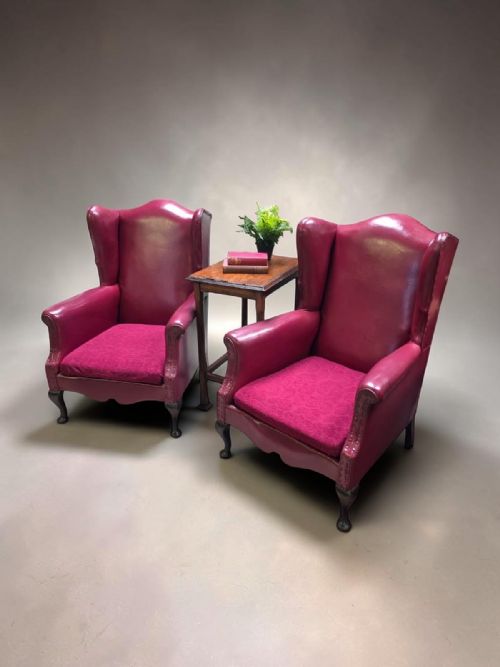
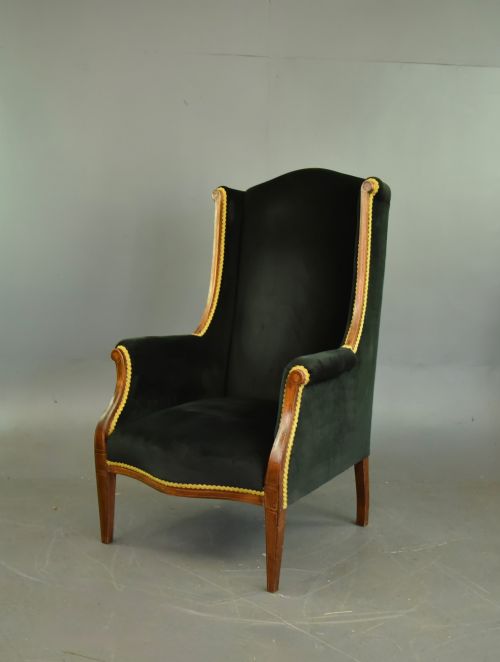
The selections span distinct stylistic interpretations, ranging from robust leather library chairs to smaller country house armchairs upholstered in tweed, plaid, or chenille. Frames vary from modest proportions suited for smaller spaces to grander George III style seating with substantial wooden stretchers and scroll arms.
Materials and construction
Frames are constructed from sturdy timbers such as mahogany, walnut, oak, and general hardwood, often supported by exposed brass castors on the front legs. Upholstery utilises traditional stuffing materials paired with top layers of leather, velvet, wool plaid, or cotton twill.
Joinery relies on traditional carpentry techniques appropriate to the period, with carved or inlaid wooden components supporting the internal webbed and sprung foundations that carry the deep cushioning.
Vintage Wingback Armchair Retail Price Guide 2026
Typical asking prices for vintage wingback armchair among the pieces listed under this phrase on Sellingantiques today, from the lower quarter to the upper quarter. They describe what is for sale here now, not the wider market.
Periods represented span from the eighteenth century through Victorian and Edwardian eras up to the 1930s.
Quality variations
Distinction in quality rests upon the integrity of the underlying hardwood frame and the fidelity of any period revival details, such as hand-carving or precise wood matching. Superior examples maintain firm structural rigidity without excessive movement in the joints or arms.
The grade of the surface materials creates a further division, where naturally aged leather develops a rich patina and dense woven textiles hold their tension across the wings and back better than lesser alternatives.
Howard And Sons·Whytock And Reid
The Vintage Wingback Armchair Glossary
- Wingback
- An armchair featuring projecting side panels attached to the arms or back to block draughts. These panels also served to trap heat from an open fire around the sitter.
- Buttoning
- A method of upholstery where depressions are formed in the padding by pulling twine or thread through to the frame in a grid pattern. This secures the internal filling and creates a tailored, padded surface.
- Campaign armchair
- A portable seating form designed to fold or dismantle easily for military travel. These pieces often feature hinged wooden frames and removable canvas or leather slings.
- Patina
- The surface sheen and soft texture developed on wood or leather through years of handling, polishing, and natural ageing. A genuine finish displays subtle variations from decades of use.
- Scroll arm
- An armrest curved outward and downward in a continuous spiral shape. This profile appears frequently on revival seating and nineteenth-century library chairs.
Vintage Wingback Armchair: Frequently Asked Questions
What is a wingback armchair used for?
These chairs provide an upright, supportive seat designed for reading, resting, or sitting comfortably by a fireplace.
The enclosed sides create a private nook that screens out peripheral activity and retains personal warmth.
How do I date a vintage wingback chair?
Dating relies on examining the timber species, leg shapes, stretcher placement, and the method of upholstery construction beneath the fabric.
Comparing the stylistic flourishes, such as cabriole legs or brass castors, against known historical periods helps narrow the manufacturing era.
Are these chairs comfortable for daily use?
Most examples offer firm, supportive seating with high backs that adequately support the head and neck during extended periods of sitting.
Internal springing and padding density vary by decade, meaning some older frames feel considerably stiffer than mid-century iterations.
How do I style a wingback chair at home?
A wingback works effectively as a standalone reading seat in a study or paired with a matching ottoman by a living room hearth.
The strong vertical silhouette anchors corner spaces and contrasts well against low modern sofas or minimalist side tables.