

Vintage Wine Stems
These vintage wine stems bring tactile history to the table, offering drinking glasses crafted with centuries of glassmaking skill.
Vintage Wine Stems
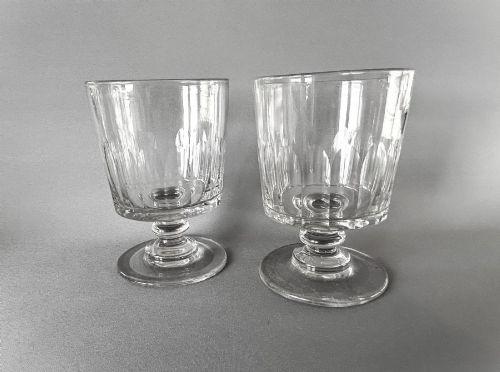
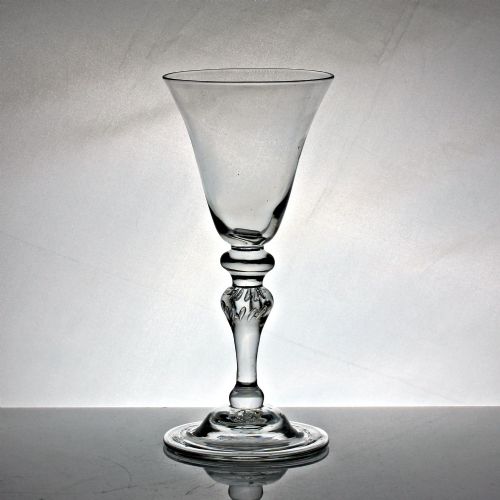
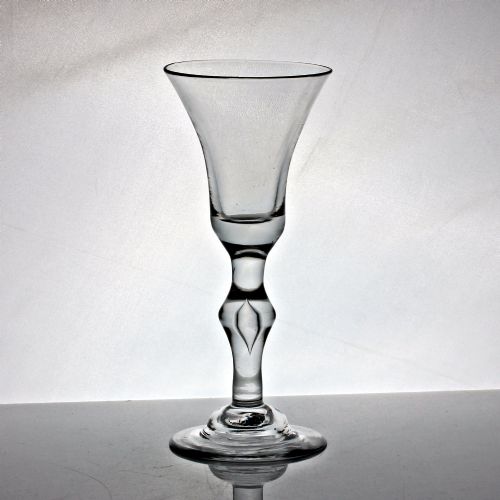
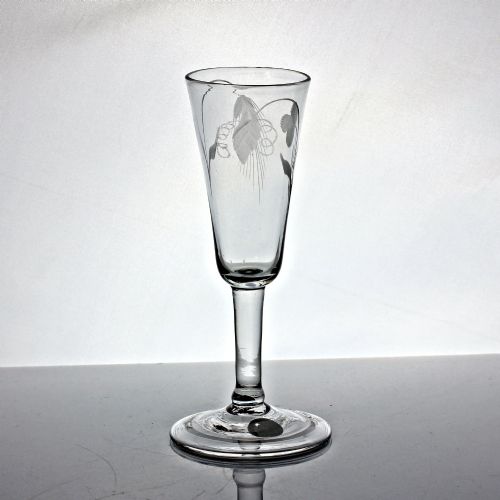
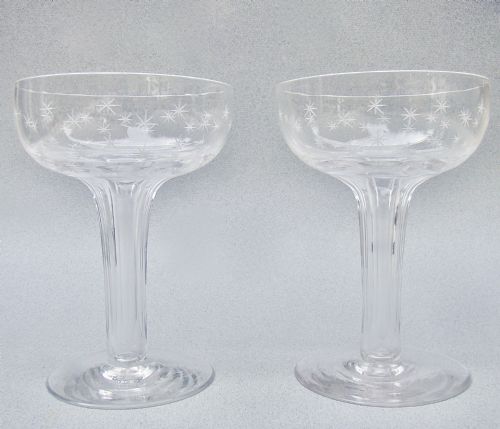
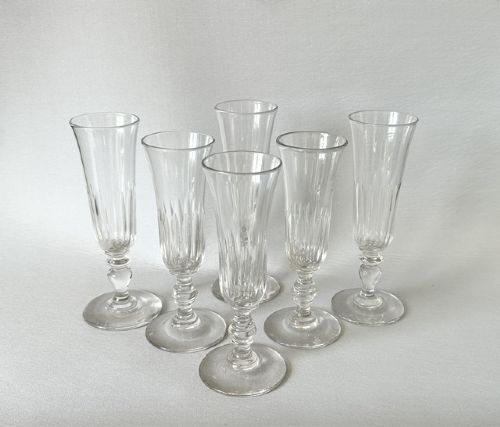
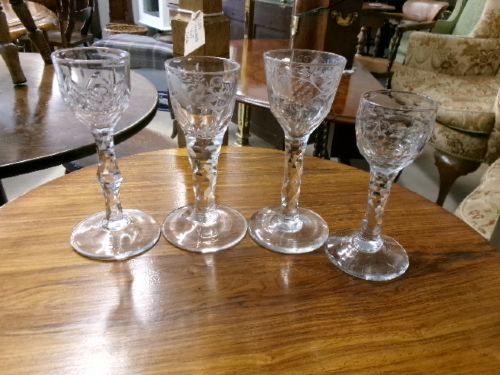
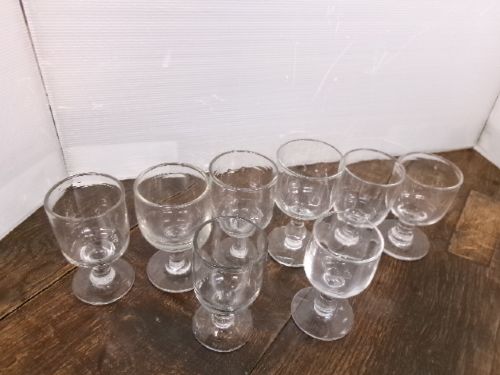
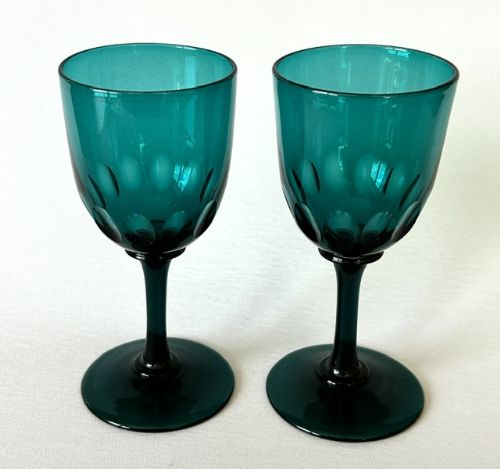
Vintage wine stems encompass drinking vessels and stemware originating from periods spanning the eighteenth century through to the early twentieth century. Buyers seeking vintage wine stems encounter various forms, including Georgian baluster and twist glasses, Victorian cranberry and coloured hock glasses, and enamelled Bohemian roemers. These pieces bridge decorative arts and functional tableware, reflecting the changing aesthetics of Georgian, Victorian, and Edwardian dining tables.
How they were made
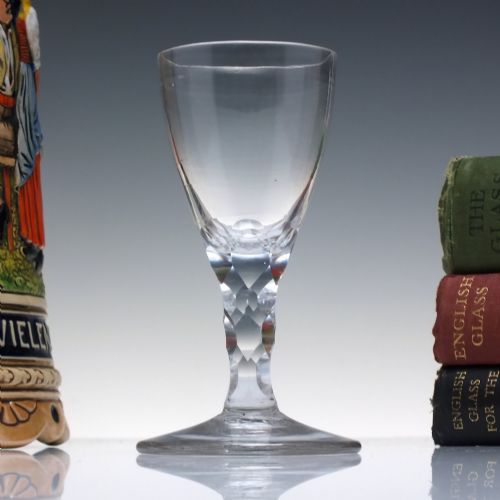
Makers shaped these glass items using traditional hot-glass techniques, hand-blowing molten metal into moulds or free-handing bowls and stems. Lead glass and crystal compositions provided the heavy, refractive quality essential for detailed wheel-engraving, facet-cutting, and star-etching. Enamel decoration was applied to surfaces before secondary firing to fuse pigments permanently to the glass.
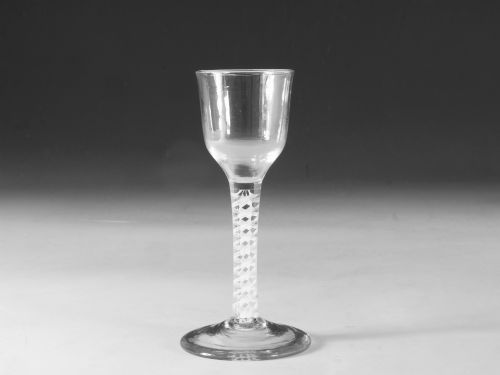
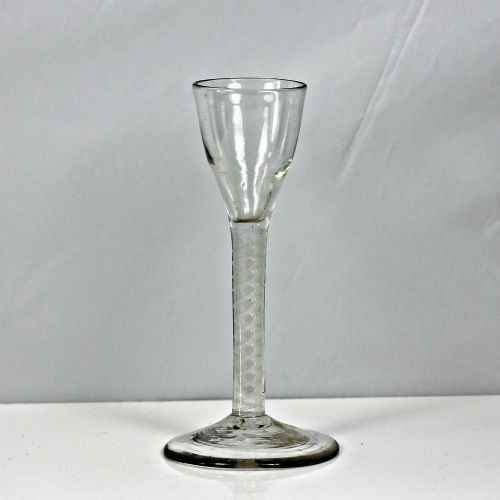
Twist stem variations utilised complex internal air-twist or opaque-white glass threads encased within the molten stem pillar. Foot bases often featured folded rims for added durability or domed profiles shaped through manual manipulation on the pontil iron.
Vintage Wine Stems Retail Price Guide 2026
Typical asking prices for vintage wine stems among the pieces listed under this phrase on Sellingantiques today, from the lower quarter to the upper quarter. They describe what is for sale here now, not the wider market.
Listings feature lead glass, lead crystal, enamel, and mahogany across periods spanning from the eighteenth century to the early twentieth century.
What varies in quality
Quality in these items rests on the precision of optical effects, such as the tightness of an opaque twist or the symmetry of hand-cut facets. Early lead metal purity influences the ring and clarity of the bowl, distinguishing fine crystal from standard utility glass. The crispness of wheel-engraved hop and barley motifs or polychrome enamel heraldic work separates standard production from superior artistry.
Proportions dictate balance between bowl, stem, and foot, where well-thrown baluster profiles demonstrate harmonious weight distribution. Surface wear on the underside of the foot indicates age, but smoothness of internal manufacture without excessive inclusions marks superior workshop execution.
Theresienthal
The Vintage Wine Stems Glossary
- Baluster stem
- A heavy, swelling stem form reminiscent of architectural pillars, popular on eighteenth-century drinking vessels. This profile adds substantial weight to the lower section of the glass.
- Opaque twist
- A decorative stem feature containing white or coloured enamel glass threads drawn into spiral patterns. These threads sit inside a clear lead glass pillar.
- Roemer
- A traditional Germanic drinking vessel featuring a wide bowl sitting on a cylindrical studded stem. These pieces frequently appear in green, amber, or amethyst coloured glass.
- Hock glass
- A tall-stemmed wine glass traditionally used for Rhine wines, often ornamented with coloured bowls and enamel decoration. The form developed significant popularity during the Victorian and Edwardian eras.
- Pontil mark
- A rough scar left on the base of blown glassware where the pontil rod was snapped off after shaping. Skilled makers often ground or polished this area flat.
Vintage Wine Stems: Frequently Asked Questions
How do I date an antique wine glass?
Dating relies on examining form characteristics, such as baluster stems and folded feet typical of the eighteenth century versus the enamelled bowls and coloured hues common in Victorian and Edwardian production.
Manufacturing traits like pontil marks, metal weight, and cutting styles also help anchor pieces to specific historical decades.
Can I use vintage wine stems daily?
These historical drinking vessels are robust enough for occasional use if handled carefully and washed by hand rather than placed in a mechanical dishwasher.
Hand-blown lead crystal requires gentle care to protect delicate rims, engraved bowls, and enamelled surface decorations.
Why are some wine glasses coloured?
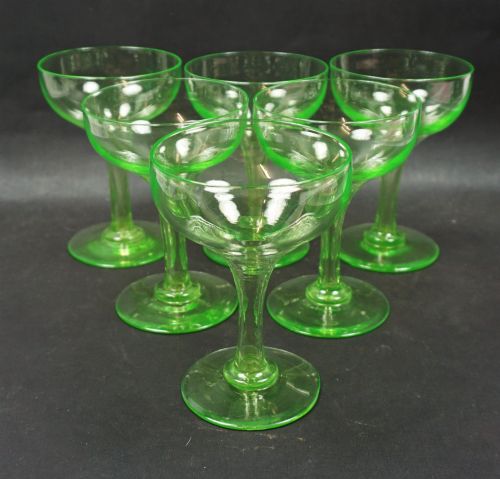
Coloured glass was achieved by adding metallic oxides to the molten batch, producing hues like cranberry, aqua green, and amber. Victorian and Bohemian makers favoured these vibrant tones for dessert wines and hock.
Layered cased glass allowed artisans to cut through outer colour layers to reveal contrasting clear or tinted glass underneath.