
Vintage Wine Stand
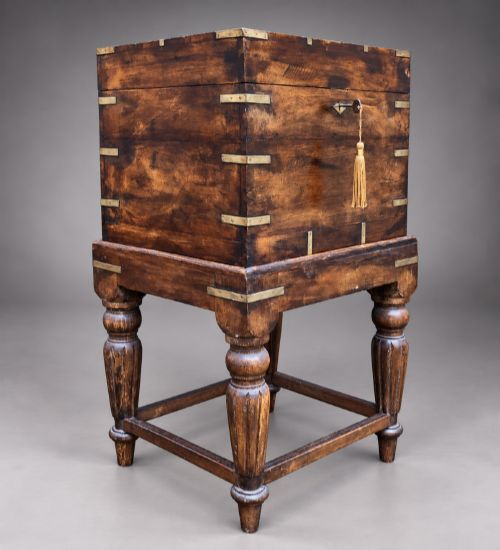
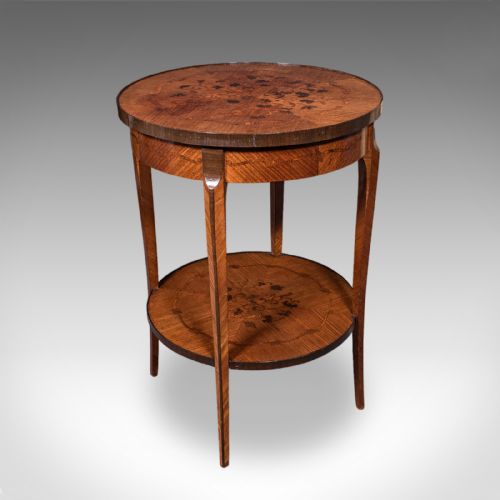
A vintage wine stand holds a bottle at hand during dinner, and these solid wood and sterling silver examples bring period character to any room.
Vintage Wine Stand
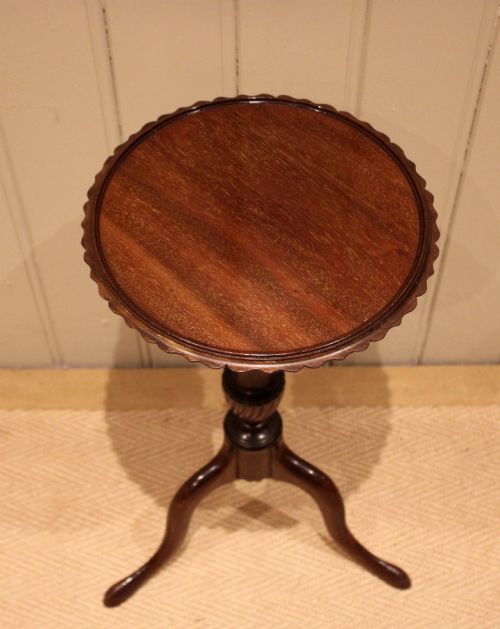
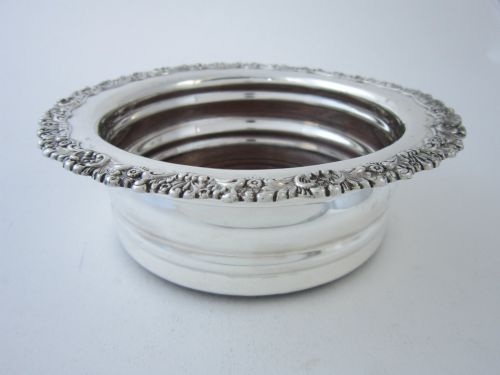
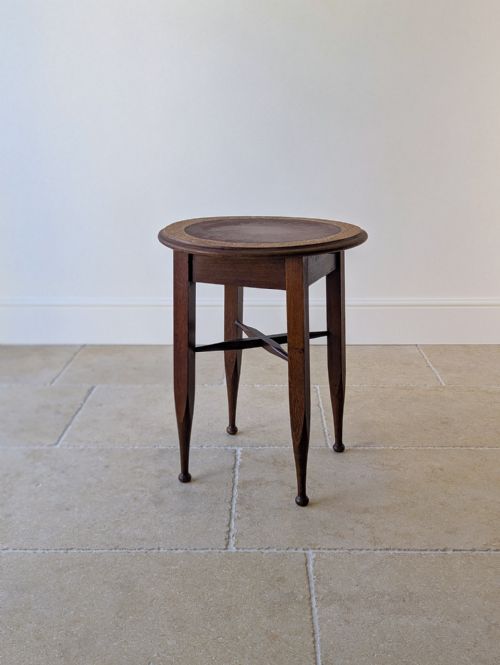
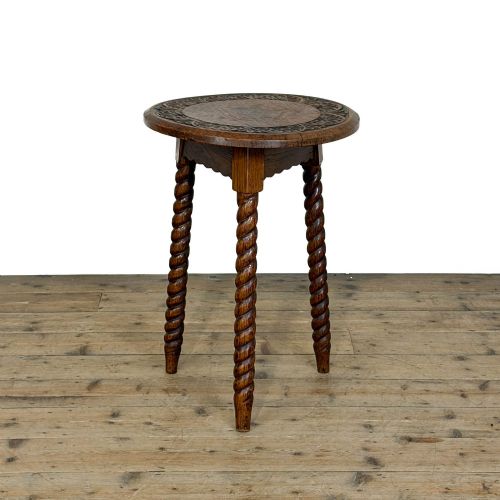
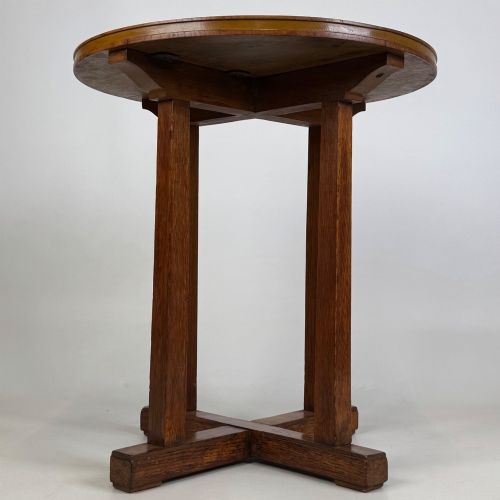
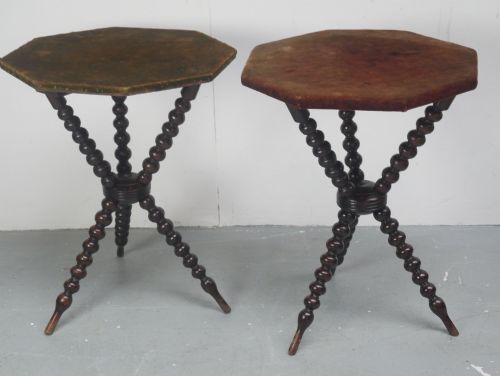
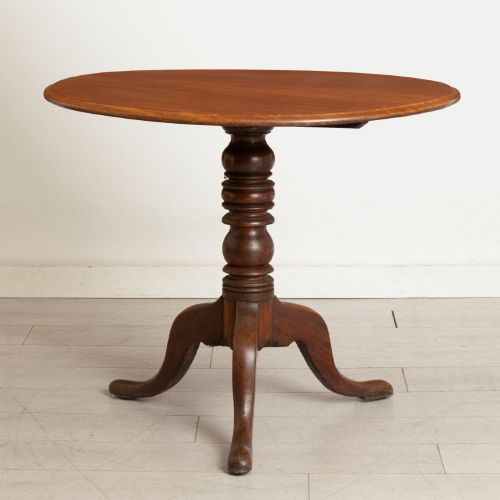
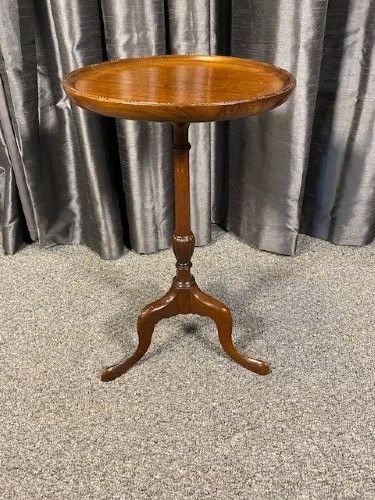
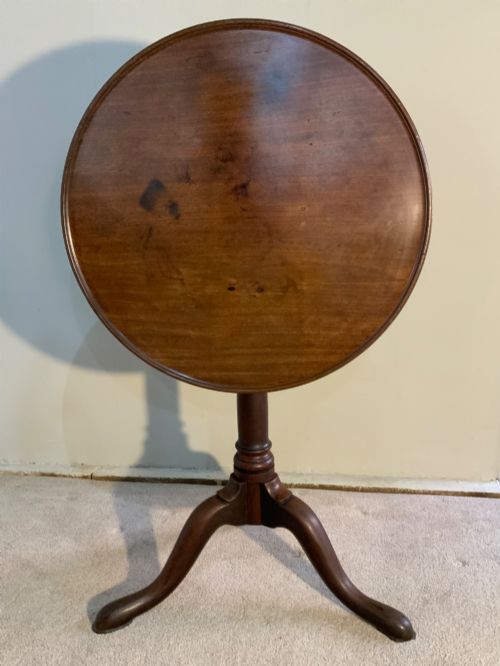
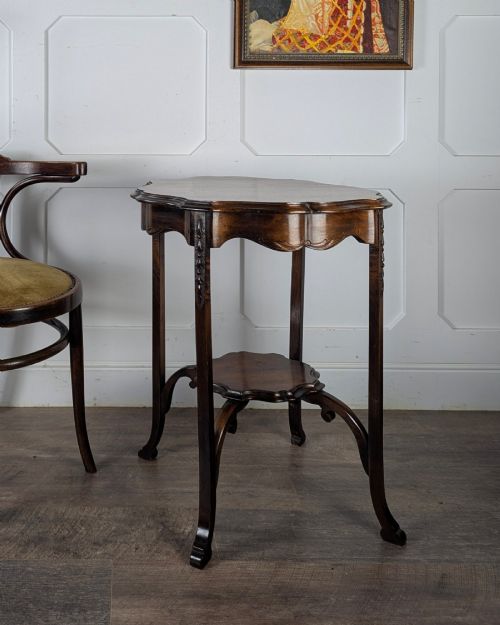
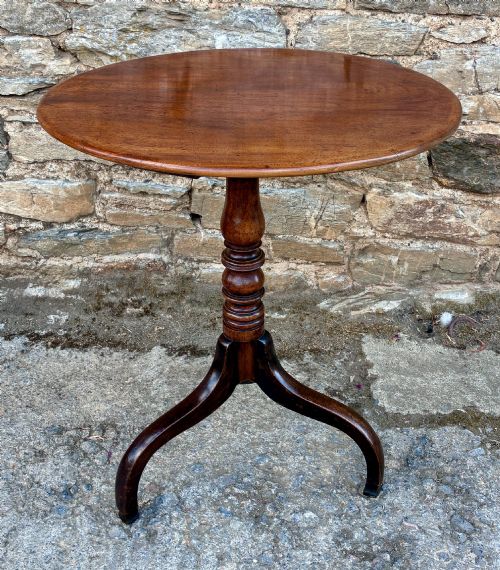
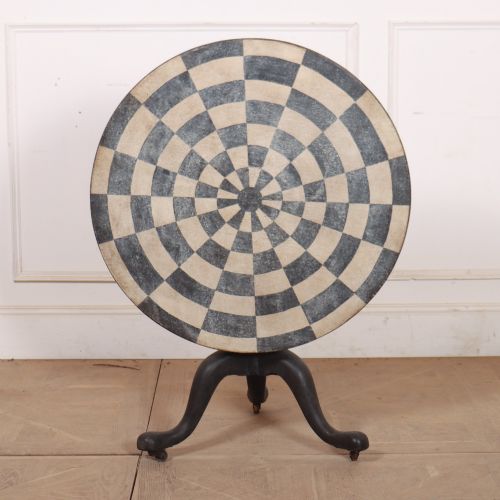
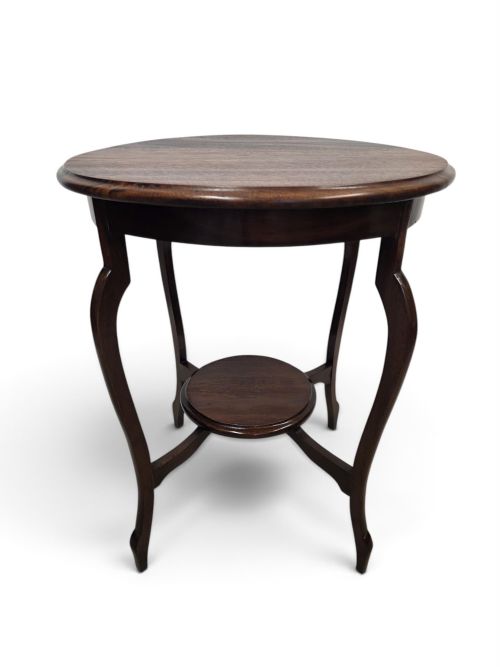
When you search for a vintage wine stand, you encounter a variety of forms designed to serve bottles and glasses, primarily appearing as small occasional tables, tripod wine tables, and silver coasters. These pieces span centuries from the Georgian era through the Edwardian period and into the nineteen-thirties, reflecting changing domestic habits around dining and entertaining.
How they were made
Cabinet makers utilised dense hardwoods such as mahogany, walnut, and oak for tables, turning central pillars on lathes and shaping tripod legs by hand. Timber surfaces were frequently polished to a warm sheen, while some examples incorporate inlaid satinwood or carved details.
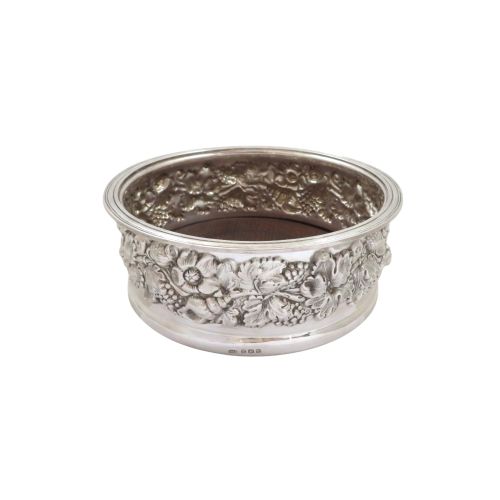
Silver items were fashioned through silversmithing techniques, stamping or casting sterling silver into circular coasters often adorned with grape and vine motifs or pierced galleries.
Listings feature oak, mahogany, walnut, and sterling silver across periods from the eighteenth century to the nineteen-thirties.
What varies in quality
Quality in these stands rests upon the selection of timber and the precision of the joinery rather than mere age. Pieces featuring well-figured mahogany grain, stable tripod bases with tight joints, and crisp carving distinguish the finer examples from simpler utility items.
For silver pieces, weight, clear hallmarks, and deep relief work in decorative borders determine the standing of the object within its type.
Shapland and Petter·Liberty of London·Brook and Son·Mappin and Webb
The Vintage Wine Stand Glossary
- Tripod table
- A small occasional table supported by three legs radiating from a central pillar. This design allows the table to stand firmly on uneven floors.
- Wine coaster
- A small circular tray with a raised rim, often lined with wood or felt, used to slide a bottle across the dining table. They prevent rings of moisture from marking polished wood.
- Tilt-top table
- A table mechanism where the top hinges vertically to store flat against a wall when not in use. It is a space-saving feature common on Georgian and Victorian occasional pieces.
- Cellarette
- A lockable container or cabinet used to store wine bottles securely before service. They appear in various timber forms from the eighteenth and nineteenth centuries.
- Pie crust table
- An occasional table featuring a raised, carved edge resembling pastry crimping. This decorative border is shaped directly from the solid timber top.
Vintage Wine Stand: Frequently Asked Questions
What is a wine table used for?
A wine table provides a convenient surface next to a chair or dining seat to hold a single glass or bottle. Their compact footprint made them easily movable around a room during evening gatherings.
Historically, larger rooms required portable furniture that could be shifted close to guests without cluttering the floor space.
How do I date an antique wine stand?
Dating relies on observing the timber species, construction methods, and stylistic cues such as leg shapes and edge profiles. Georgian pieces often display simpler, robust lines while Edwardian examples show lighter inlays and varied revival styles.
Examining the underside and fixings reveals how the piece was put together in its specific era.
What is the difference between a coaster and a stand?
A wine coaster sits directly on the dining table to hold a single bottle during a meal, protecting the surface below. A wine stand or table is a taller piece of furniture designed to hold multiple items or serve drinks independently.
Both items served the shared purpose of managing wine service in period homes.
Are tilt-top tables stable?
Tilt-top tables rely on a sturdy birdcage or catch mechanism beneath the top to lock the surface horizontal during use. When properly adjusted, they remain balanced despite the pivoting design.
Users should check the catch mechanism to ensure the top locks securely into place.