



Vintage Wine Cabinet
A vintage wine cabinet solves the eternal problem of storing bottles with architectural grace, spanning grand Georgian cellarettes and sleek Art Deco cocktail chests.
Vintage Wine Cabinet
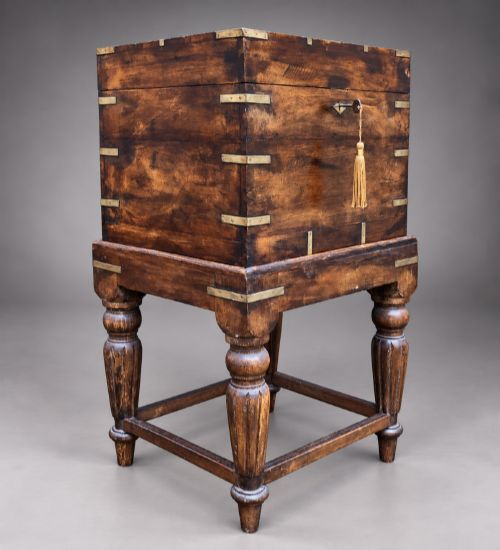
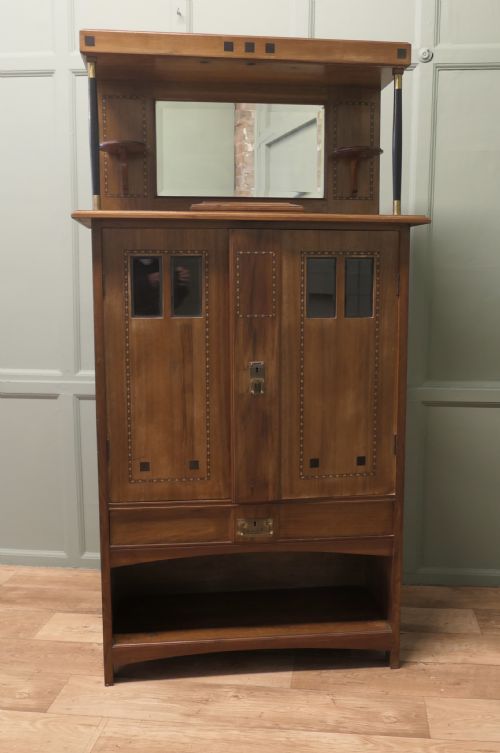
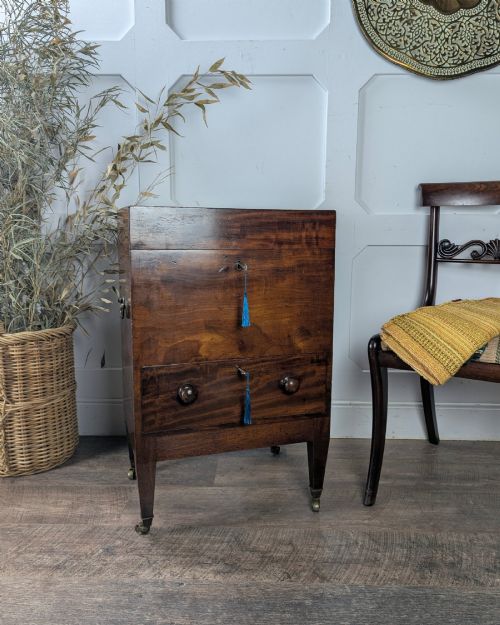
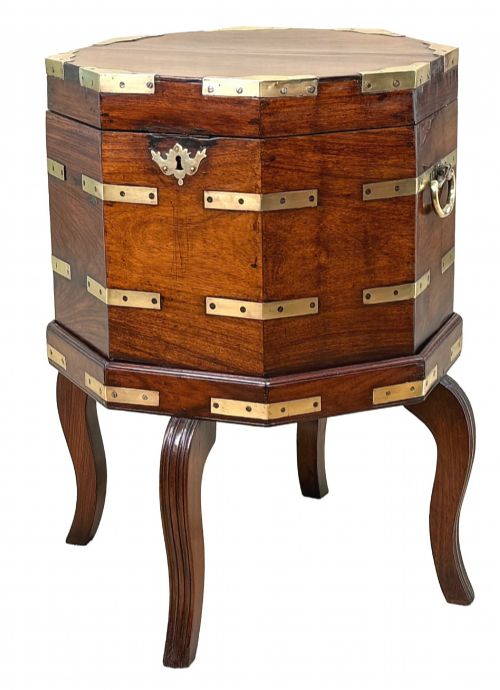
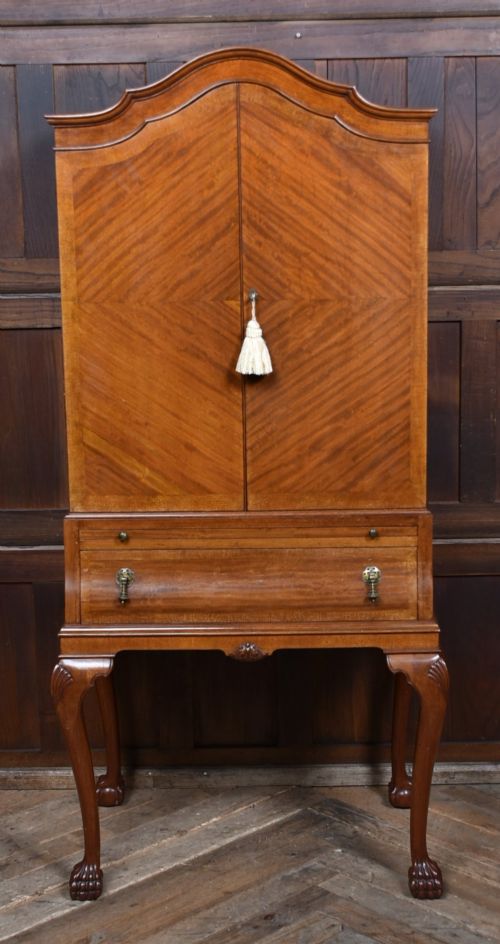
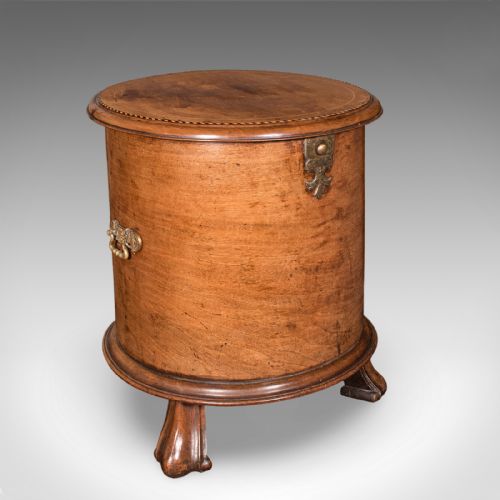
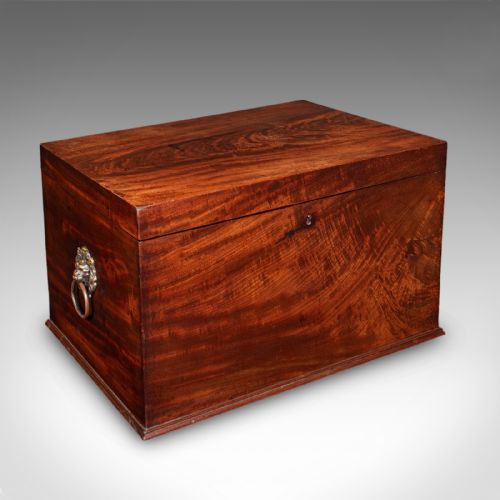
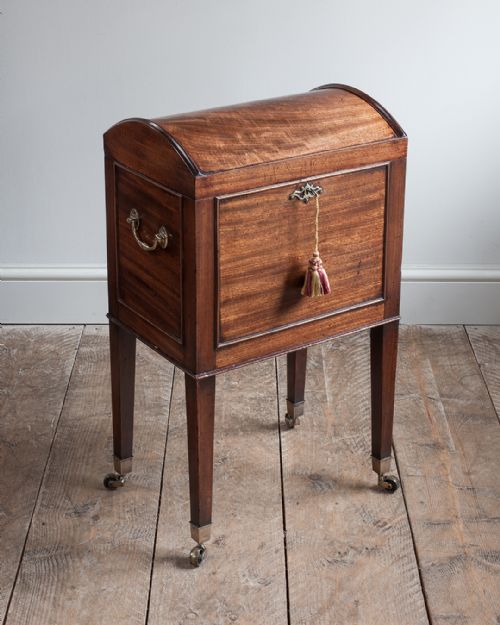
A vintage wine cabinet brings together centuries of specialised bottle storage, encompassing traditional cellarettes, wine coolers, and drinks chests. You will frequently encounter Georgian and Regency mahogany cellarettes alongside Edwardian drinks cabinets and 1930s cocktail furniture.
The form ranges from low-slung floor chests designed to hold bottles in transit to upright display cabinets intended for home entertaining. These pieces reflect shifting social habits around alcohol storage, moving from secure cellar boxes to prominent dining room furniture.
How they were made
Master cabinetmakers relied primarily on dense timbers such as mahogany, walnut, and oak to construct these robust storage pieces, frequently highlighting the grain with burr walnut or satinwood veneers. Brass banding, secure locks, and drop handles were standard fittings utilised to reinforce heavy wooden frames.
Inlaid boxwood stringing and delicate banding add decorative refinement to Edwardian and Georgian examples, whilst later Art Deco pieces emphasise smooth, curved wood surfaces and metamorphic mechanisms. Interior fittings often include removable trays, bottle racks, and specialised storage divisions tailored for specific glassware and vintages.
Listings span multiple eras from the eighteenth century through to the Art Deco period, utilising rich timbers like mahogany, walnut, and satinwood alongside brass fittings.
What varies in quality
Quality rests upon the selection of timber and the precision of the joinery, particularly in how well heavy lids and doors align with their frames. Pieces utilising figured mahogany, burr walnut, or padouk exhibit a superior natural aesthetic compared to plain secondary timbers.
The integrity of original brass hardware, internal lead linings in coolers, and functioning locks significantly elevate a piece's authenticity. Superior execution shows in crisp boxwood inlay and seamless mechanical functions, such as metamorphic trays or sliding shelves.
Gillingtons·Waring & Gillows·Liberty's of London
The Vintage Wine Cabinet Glossary
- Cellarette
- A lockable storage chest or box designed to hold wine bottles near the dining table. They frequently feature lead linings for cooling or fitted wooden dividers.
- Sarcophagus
- A monumental chest shape with a convex lid and tapered body, popular for Regency wine coolers. This classic silhouette mimics ancient stone tombs.
- Padouk
- A heavy, durable tropical hardwood with a rich reddish-brown tone, utilised in fine Anglo-Indian furniture. It provides exceptional stability for colonial cabinetmaking.
- Serpentine
- A gently curved furniture front featuring a convex centre flanked by concave ends. This shaping requires expert carpentry to execute cleanly on solid mahogany.
Vintage Wine Cabinet: Frequently Asked Questions
What is a cellarette?
A cellarette is a specialised chest or box designed to hold wine bottles securely near the dining table. Historically, these pieces were often lined with lead to hold ice and water for chilling.
Today, they serve equally well as striking standalone side tables or practical bottle storage units in a modern dining room.
How do I style a cocktail cabinet?
Art Deco and Edwardian cocktail cabinets work wonderfully as focal points in a living room or dining area. Their drop-down flaps and mirrored interiors create a natural station for mixing drinks.
Keep the surrounding space uncluttered to let the figured walnut or mahogany grain stand out.
Were these cabinets lined with lead?
Many early wine coolers and cellarettes feature original lead linings designed to hold melting ice and keep bottles cool during long meals. These linings are a hallmark of formal dining furniture from the Georgian and Regency periods.
While some interiors show wear from use, they remain an authentic marker of period function.
How do I date a wine chest?
Dating relies on observing the timber choices, construction techniques, and hardware styles. Georgian and Regency pieces typically feature solid mahogany with brass banding and dovetail joints, whilst Edwardian examples often incorporate satinwood inlay and lighter frames.
Art Deco and 1930s cabinets introduce streamlined shapes, burr walnut veneers, and mechanical sliding shelves.