



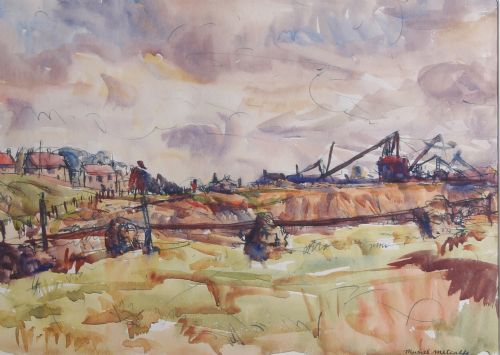
Vintage Watercolour Landscape Painting
A vintage watercolour landscape painting brings quiet countryside views and historical coastal scenes directly onto the wall.
Vintage Watercolour Landscape Painting
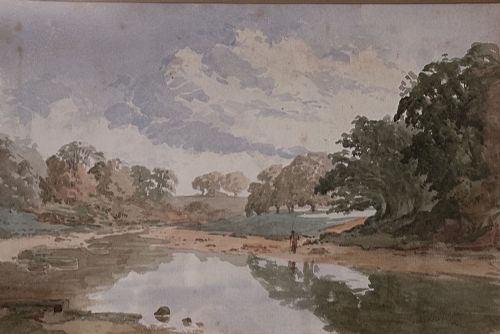
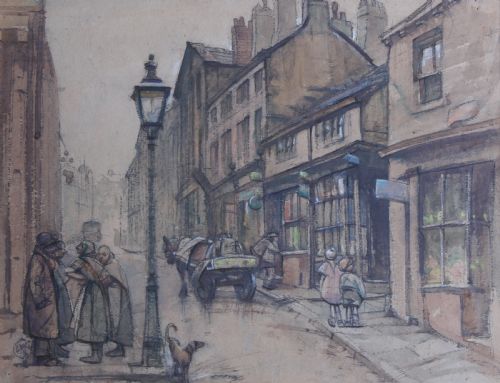
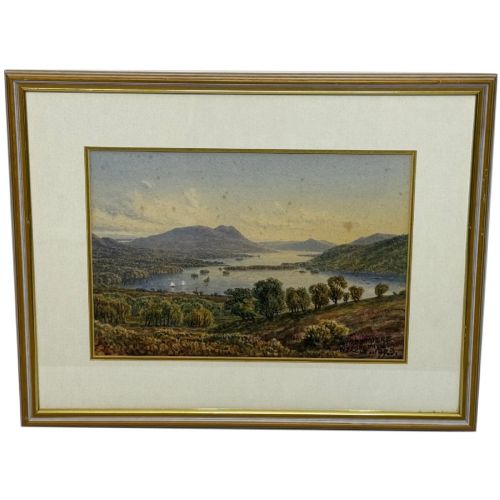
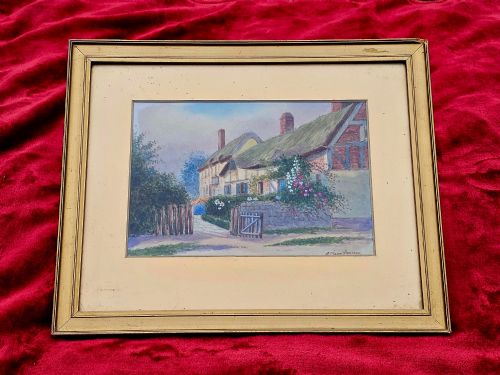
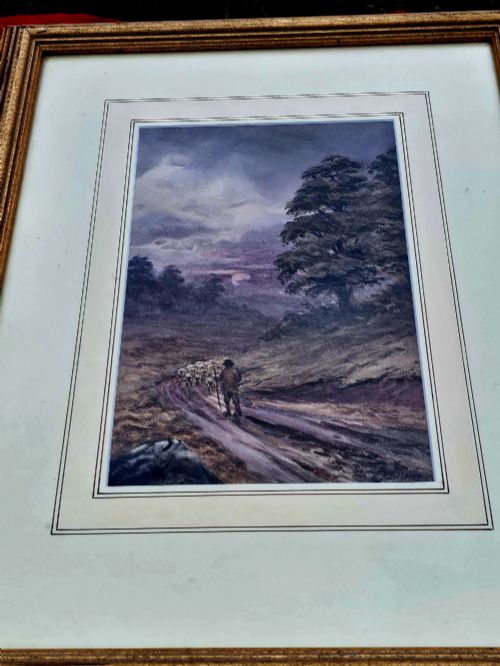
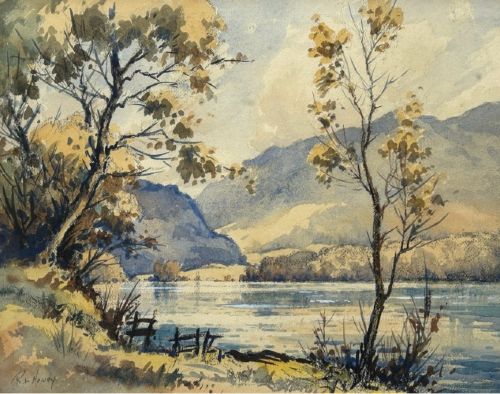
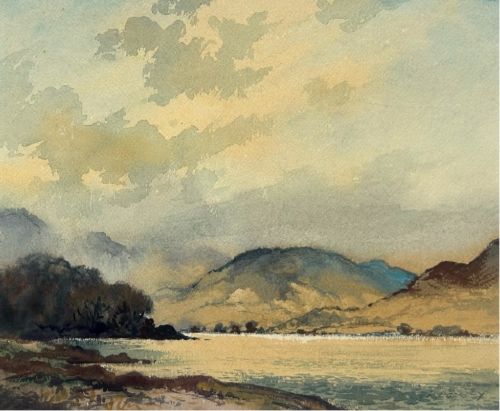
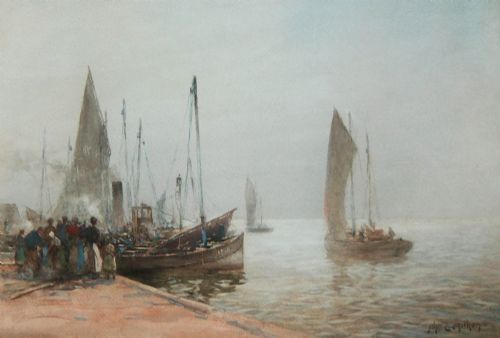
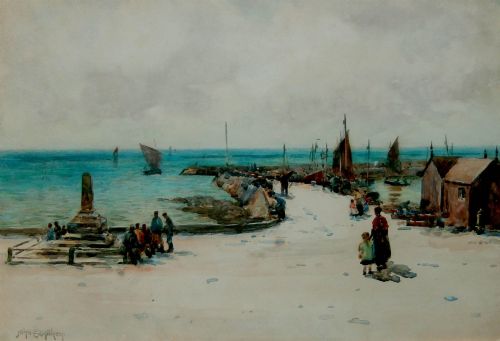
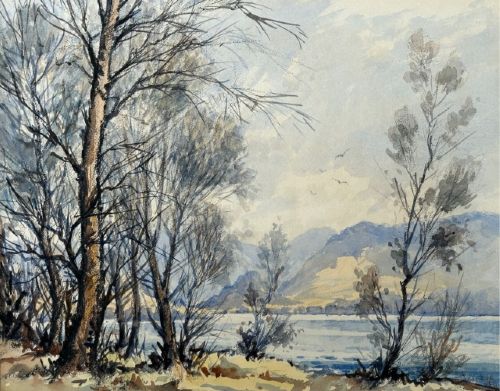
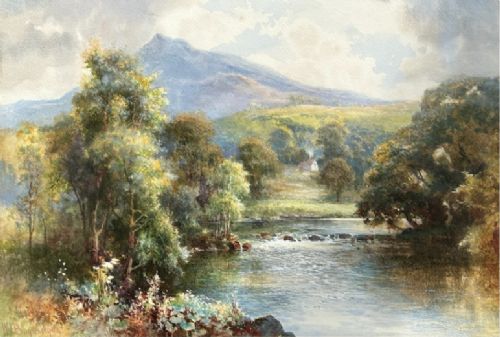
A vintage watercolour landscape painting captures natural scenery, rivers, and coastal views through the fluid application of pigments on paper. These original artworks span from the late nineteenth century through the mid-twentieth century, reflecting changing artistic movements across Britain and Europe. Buyers will encounter framed pieces depicting local pastoral scenes, northern lakes, and seaside harbours created by named artists and regional schools.
The selection ranges from detailed Victorian topographical views to looser impressionistic sketches from the nineteen-fifties. Most examples survive within their period frames behind glass, preserving the delicate washes and pencil underdrawings. Whether showing a Yorkshire dales farmstead or a Venetian canal, each composition offers a direct window into historical topography.
How They Were Made
Artists built these works by applying water-soluble pigment onto prepared paper surfaces, often starting with light pencil outlines to map the composition. Watercolour pigment mixed with water created transparent washes for skies and distant hills, while opaque touches of bodycolour or ink added fine details to figures and buildings.
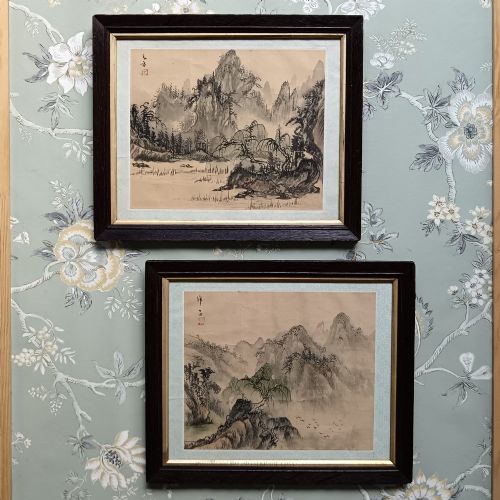
Finished sheets were secured behind glass within wooden frames, sometimes accented with gold leaf or gilt moulding to complement the palette of the picture. The combination of paper support, pigment, and protective glazing ensured the survival of these delicate landscapes over many decades.
Several artists preferred painting stormy northern seas while standing safely away from the spray.
What Varies in Quality
Skill in handling pigment determines how successfully a landscape conveys atmospheric depth, light, and movement. Superior examples demonstrate confident brushwork and precise control over wet-in-wet washes, whereas lesser pieces can appear overworked or static.
The preservation of the paper and the vibrancy of the original colours also distinguish finer items. Works that retain their original period framing and remain free from heavy fading or foxing represent the upper tier of the range.
Alfred Young Nutt·A. Marie Parsons·EJ Letheren·Robert Leslie Howey·James E. Aitken·John E. Aitken·William Banks Fortescue·William Joseph Boyes·Muriel Metcalfe·Thomas William Morley·Robert Thorne Waite·John Smith Atherton·Richard Henry Wright·Frederick Walker·Thomas Maidment·Frederick James Kerr·Henry de Waroquier·William Matthison·Percy Lancaster·Robert George Talbot Kelly·Herman S Melville·George Stanfield Walters·Frank Kelsey·F A Roylance·F.J. Snell
The Vintage Watercolour Landscape Painting Glossary
- Watercolour
- A painting method where natural pigments are suspended in a water-based solution and applied to paper. This medium relies on the white of the paper to shine through translucent washes.
- Bodycolour
- Watercolour paint mixed with a white pigment to make it opaque. Artists used this technique to highlight clouds, water, or distant buildings.
- Gilt Wood
- Timber framing coated with a thin layer of gold leaf or metallic gilt. These ornate surrounds were designed to enhance the display of fine art.
- Wash
- A thin, fluid layer of diluted pigment spread across the paper. Painters used broad washes to establish the sky or open water in a landscape.
- Topographical
- Representing specific real-world locations with accuracy. Many regional artists specialised in recording identifiable towns, rivers, and coastal harbours.
Vintage Watercolour Landscape Painting: Frequently Asked Questions
How should I hang watercolour art?
Keep framed paintings away from direct sunlight to prevent the pigments from fading over time. Stable indoor humidity protects both the antique paper and its wooden housing.
Position pieces at eye level on interior walls using secure picture hooks matched to the weight of the frame. Adequate spacing lets each landscape stand alone visually.
Were these paintings always framed?
Most works entered collections already housed in timber frames behind glass to protect the fragile paper surface. Original frames often date to the same period as the artwork itself.
Replacing a broken frame requires matching period styles so the presentation remains historically appropriate. Glass acts as the primary shield against dust and moisture.
How do I identify the period?
Stylistic clues such as brush technique, subject matter, and clothing styles on depicted figures point toward specific decades. Faded ink inscriptions or labels on the reverse often record dates and locations.
Framing materials and backing boards also offer reliable physical evidence for dating the piece. Nineteenth-century works typically feature heavier gold leaf mouldings compared to later designs.
What subjects are most common?
British and European landscapes dominate, featuring rolling hills, pastoral farmland, and rural riversides. Coastal scenes with harbour boats and fishing vessels appear with equal frequency.
Artists also recorded specific architectural landmarks, country bridges, and mountain lakes. Each subject reflects the prevailing taste for natural scenery during the nineteenth and twentieth centuries.