
Vintage Water Pitcher
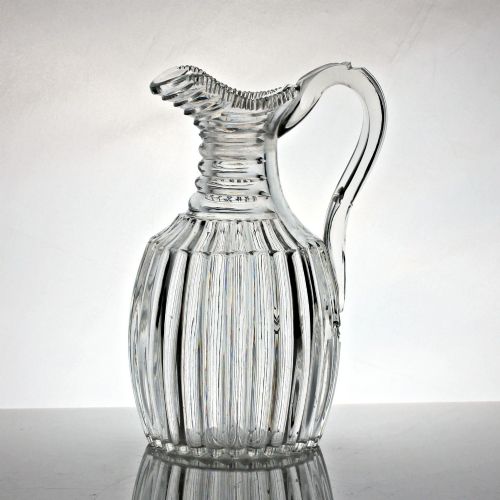
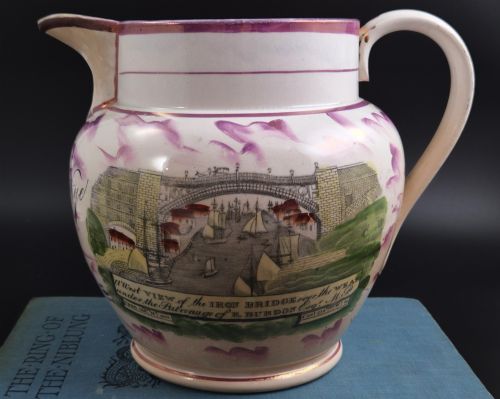
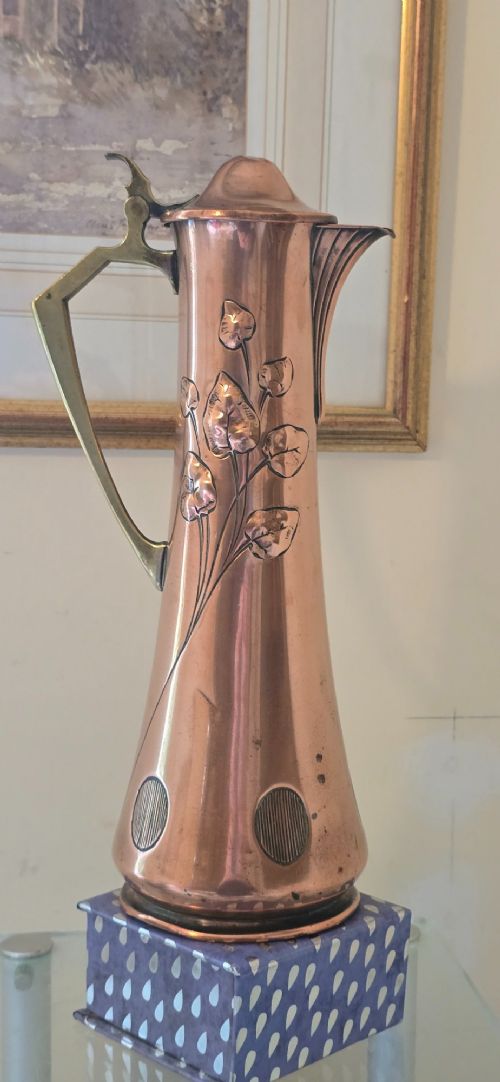
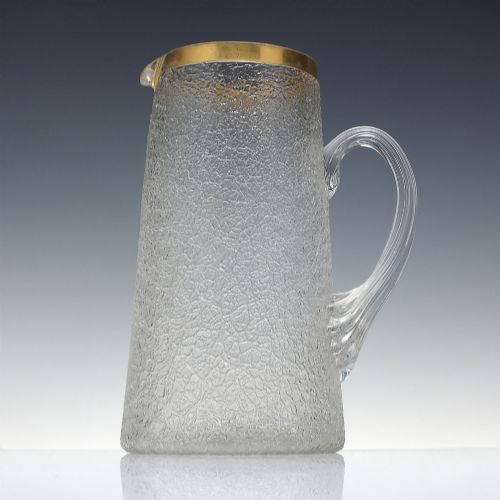
A vintage water pitcher holds the table or washstand with heft and colour, drawing the eye through cut glass, earthenware, copper or silver plate.
Vintage Water Pitcher
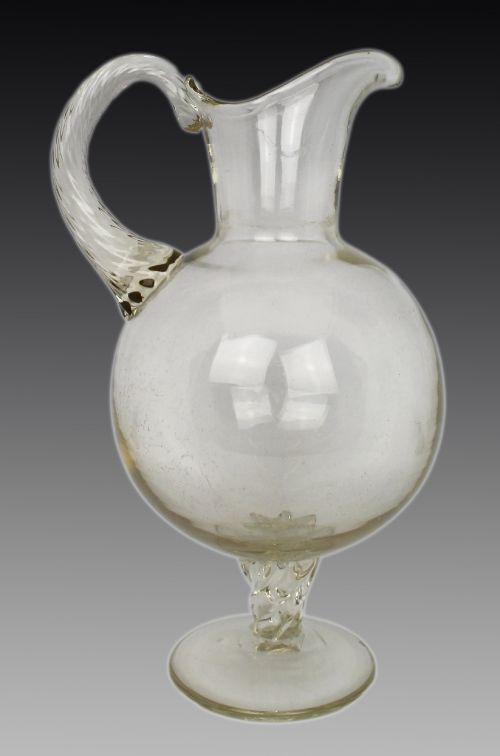
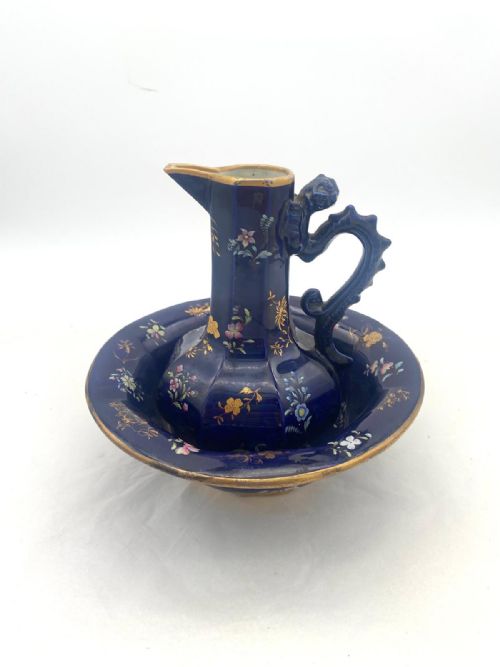
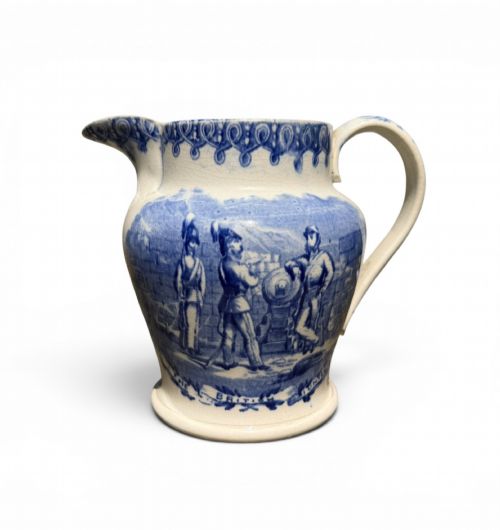
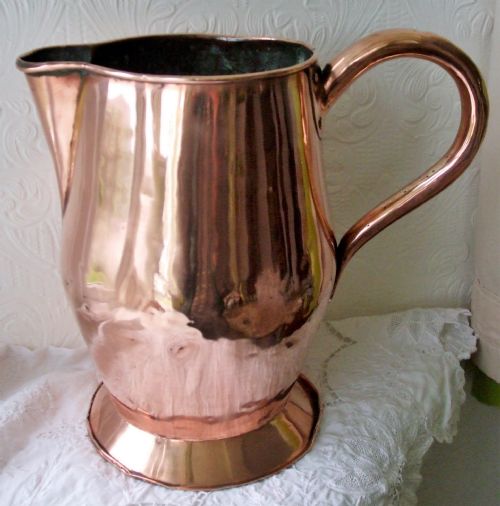
When you search for a vintage water pitcher, you encounter domestic vessels spanning the eighteenth to the mid-twentieth century. These include large ceramic ewers from wash sets, heavy cut glass jugs for the dining table, and robust metal pitchers fashioned from copper, pewter or silver plate.
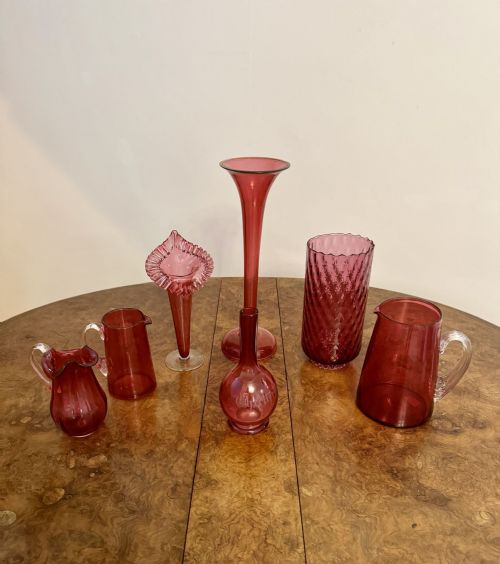
The selections on this page range from early earthenware and creamware through Victorian cranberry and amethyst glass to Edwardian crystal and Art Nouveau metalwork. Forms vary from simple utilitarian water containers to decorative ewers and monumental wash set jugs.
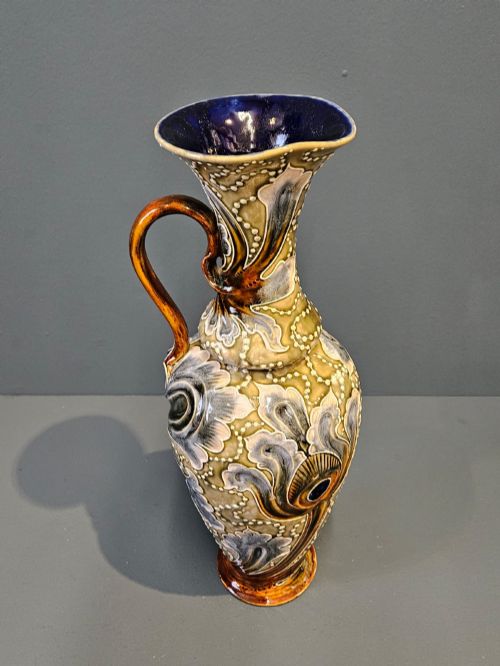
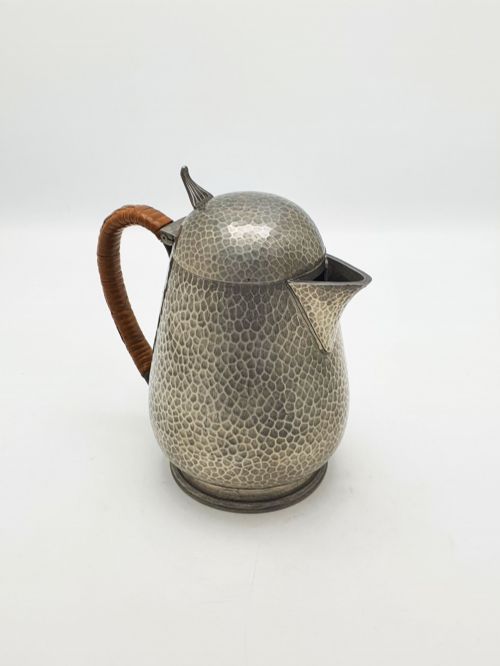
Makers and potteries represented across the periods include Minton, Doulton Lambeth, Stevens & Williams, and Liberty and Co with Tudric pewter. Styles encompass Georgian transfer ware, Victorian moulding, Arts and Crafts simplicity, and Art Deco engraving.
How They Were Made
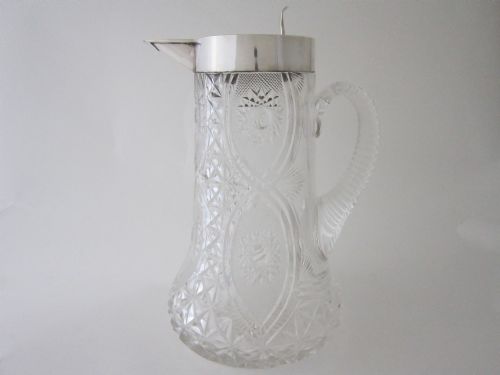
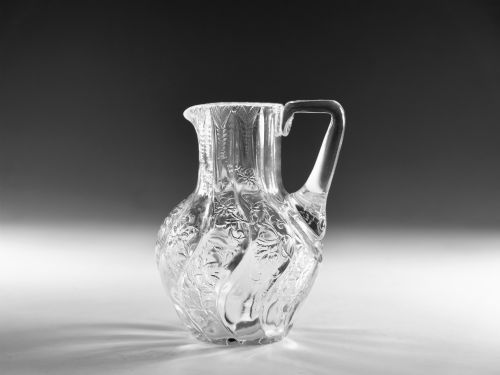
Pottery examples rely on earthenware, stoneware, pearlware or ironstone, shaped with cabbage leaf moulding or transfer printing and finished with coloured glaze or flow blue. Glass pitchers involve hand-blowing, overshot application, and pillar and prism cutting to catch the light.
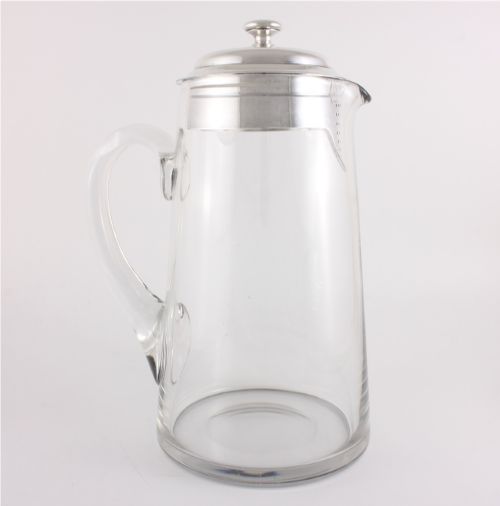
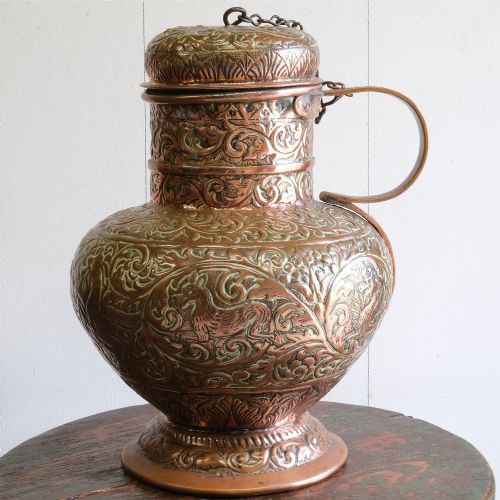
Metal vessels utilise copper, brass, pewter and silver plate, sometimes mounted with crystal or fitted with cane handles and ice tubes. Artisans hammered, cast and soldered these metals, incorporating enamel accents and floral relief designs during the Arts and Crafts and Art Nouveau periods.
Listings feature materials spanning earthenware, cut glass, copper, stoneware, lead crystal, enamel and sterling silver.
What Varies in Quality
The standard of a pitcher rests upon the crispness of its moulding and the depth of its cut glass facets. Sharp relief work on ceramic cabbage leaves or clean intaglio glass engraving distinguishes finer workshops from mass production.
In metalwork, the weight of the copper or pewter, the integrity of the soldered joints, and the precision of applied handles dictate the calibre of the piece. For glass, clarity of metal and uniformity of hand-blown bubbles separate standard vessels from exhibition pieces.
WMF·Stevens and Williams·Minton·Christofle·Masons Ironstone·Doulton Lambeth·Tudric Pewter·Joseph Sankey·Liberty and Co·Webb Corbett·Charles Meigh·Ridgway and Sons·Mappin and Webb
The Vintage Water Pitcher Glossary
- Ewer
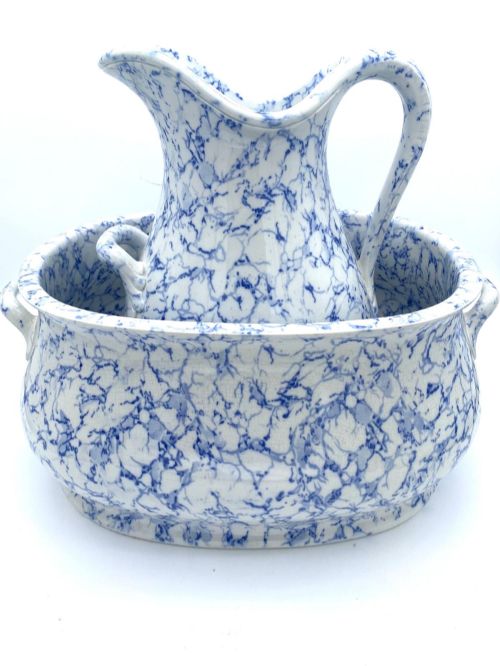
- A large jug with a wide spout and curved handle, historically used for pouring water into a matching basin. These often form part of larger Victorian and Edwardian wash sets.
- Cranberry glass
- A rich red-pink transparent glass coloured with gold chloride, popular during the Victorian era for table jugs and matching drinking sets.
- Pearlware
- A refined earthenware developed in the late eighteenth century featuring a subtle blue-white glaze designed to imitate Chinese porcelain.
- Tudric pewter
- A brand of pewter utilised by Liberty and Co during the early twentieth century, frequently associated with Arts and Crafts and Art Nouveau designs.
- Flow blue
- A ceramic transfer printing technique where cobalt oxide blurred deliberately during firing to create a hazy, atmospheric blue pattern.
Vintage Water Pitcher: Frequently Asked Questions
How do I date a ceramic pitcher?
Dating relies on identifying the ceramic body, such as creamware, pearlware or ironstone, alongside transfer printing styles and impressed factory marks. Handle shapes and base profiles also shift noticeably between the Georgian and Victorian eras.
Matching pieces to known potteries like Minton or Doulton narrows the period further, supported by registration diamonds or specific named commemorative events recorded in the glaze.
Can I use these pitchers for serving water?
Many glass and silver-plated pitchers remain entirely functional for serving water or wine at the dining table today. Metal and glass vessels require gentle hand washing to preserve their age and finish.
Ceramic wash set ewers function well as decorative flower vases or umbrella stands rather than daily drinking vessels, particularly if internal hairline cracks are present.
How do I care for antique glass pitchers?
Antique glass requires washing in lukewarm water with mild soap, avoiding sudden temperature changes that can crack old crystal or hand-blown vessels. Stored safely away from direct sunlight, cut glass and cranberry glass maintain their optical clarity and colour.
Avoid abrasive sponges or dishwasher cycles, which damage delicate gilded rims and overshot glass surfaces.