
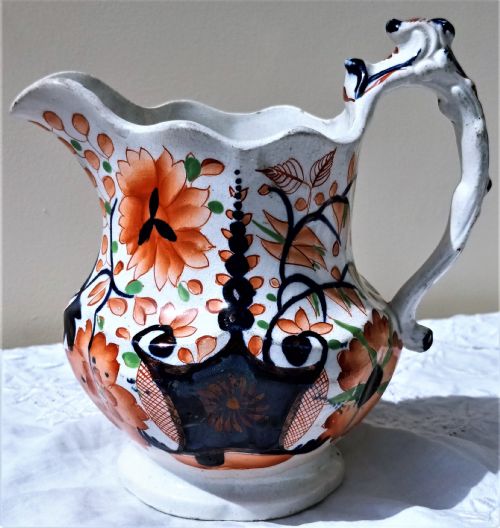
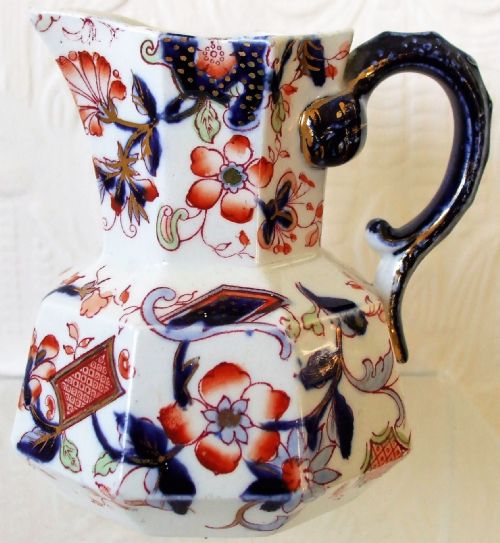
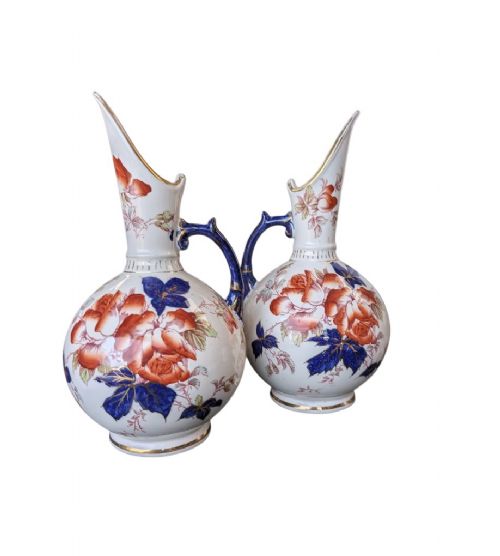


Decorative Pottery Jug
These decorative pottery jug examples bring centuries of moulded clay, slip decoration and colourful glaze straight into your home.
Decorative Pottery Jug
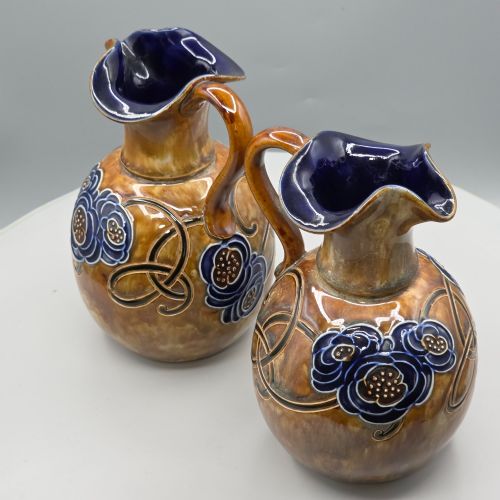
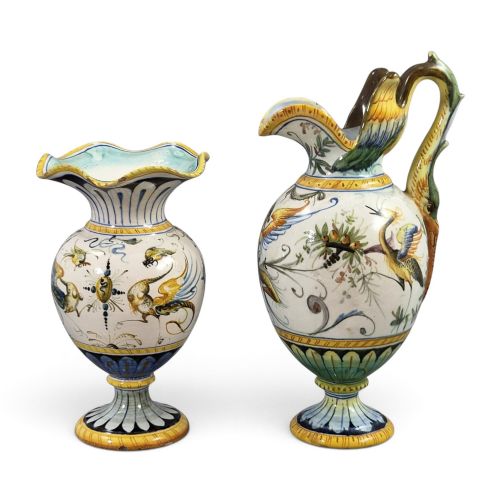
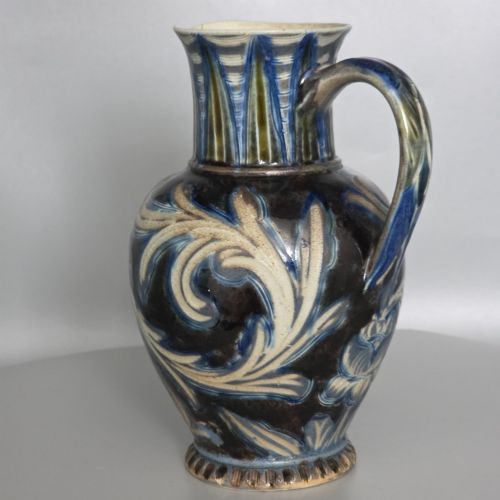
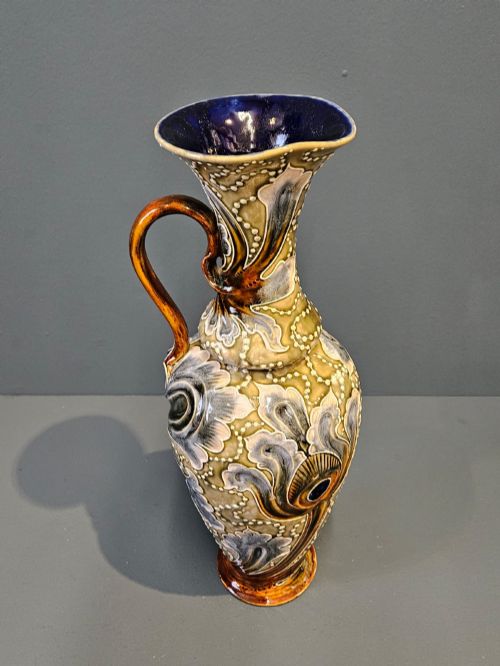
A decorative pottery jug serves as both a functional vessel and a display piece, drawing on centuries of ceramic tradition. When you search for a decorative pottery jug, you encounter diverse forms ranging from modest Staffordshire earthenware to ornate Doulton Lambeth stoneware and continental majolica. The pieces span Georgian, Victorian and Edwardian periods, reflecting changing domestic tastes across generations.
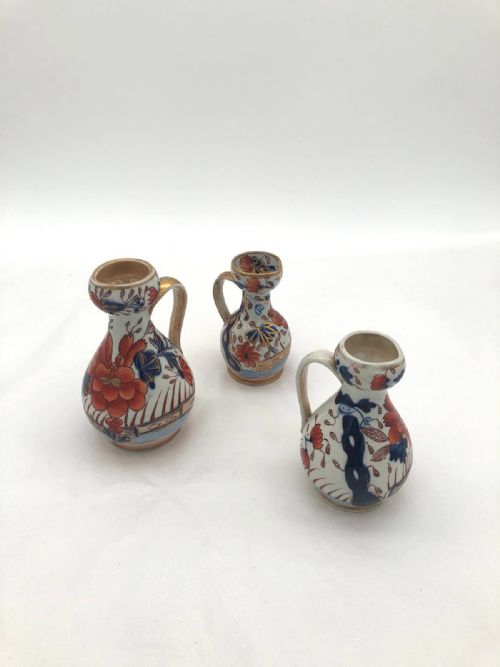
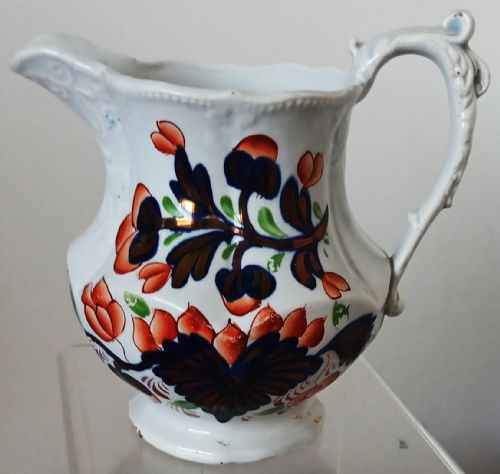
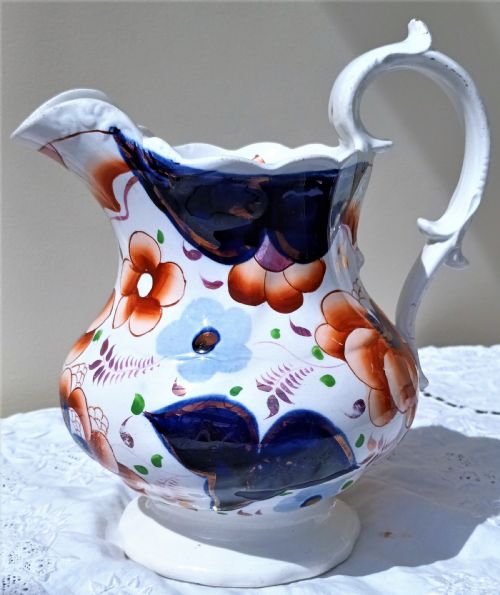
You meet Victorian and 19th-century works most frequently on this page, particularly salt-glazed stoneware, ironstone and colourful gaudy Welsh patterns. Many feature moulded handles, intricate slip work or transfer-printed maritime and floral themes. Makers incorporated everything from classical revival motifs to whimsical animal forms and portrait jugs.
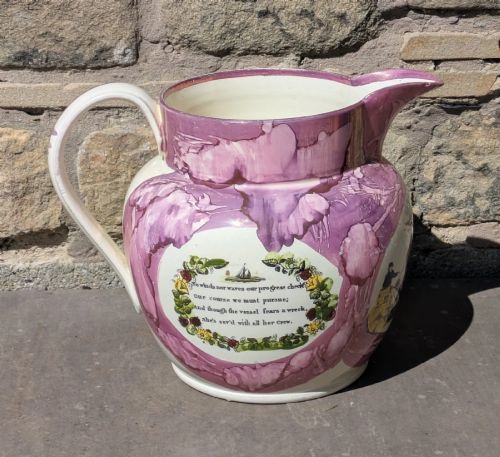
The selection includes specialised shapes like ewers, pitchers and pilgrim flasks alongside standard pouring vessels. Whether exploring early Staffordshire lustre or later studio pottery by figures like Sir Edmund Elton, each object demonstrates distinct regional techniques and period aesthetics.
Materials and manufacturing methods
Potters utilised earthenware, stoneware and ironstone as the primary foundations for these vessels. Earthenware provided a porous, absorbent body that required thick glazes for sealing, whereas denser stoneware tolerated higher firing temperatures and resisted liquids naturally. Ironstone offered a heavy, durable hybrid body capable of crisp moulded details.
Decoration relied heavily on applied coloured glazes, enamel paints, gold leaf highlights and transfer printing. Salt glazing created distinctive pebbled textures on stoneware bodies through the introduction of salt into the kiln during firing. Potters also applied slip trailing, incised patterns and hand-painted motifs to enrich the surface before final glazing.
Decorated vessels on this page include moulded Toby jugs, intricate Majolica ewers, slip-incised studio pottery and brightly printed lustreware.
Assessing craftsmanship and execution
The precision of the moulding and the crispness of the relief work separate standard production pieces from finer examples. Superior vessels display sharp, clean lines in botanical or figurative motifs without the blurring or slumping that occurs in worn moulds. Hand-painted enamels and intricate slip trails show steady brushwork and deliberate placement.
Glaze consistency and firing success strongly influence the overall merit of a piece. High-quality items achieve even colour distribution and smooth surfaces free from major kiln debris or accidental blistering. Potter's stamps, registry marks and legible incised signatures further denote careful workshop execution.
Royal Doulton·Doulton Lambeth·Cantagalli Florence·Keeling and Co·Sir Edmund Elton·Phillips and Bagster·Mason's Ironstone·Minton·Spode·Charlotte Rhead
The Decorative Pottery Jug Glossary
- Earthenware
- A porous pottery body fired at lower temperatures, typically requiring an impervious glaze to hold liquids securely. It forms the base of many traditional British domestic wares.
- Ironstone
- A dense, durable ceramic developed in the 19th century to imitate Chinese porcelain while offering greater strength for everyday utility. It accepts vibrant enamels and transfer printing exceptionally well.
- Majolica
- A colourful, tin-glazed earthenware famous for rich, mottled metallic oxide glazes and high-relief modelling. Victorian potteries produced vast quantities of decorative vessels in this vibrant style.
- Salt glaze
- A glassy, textured finish achieved by throwing common salt into a hot kiln, creating a surface reminiscent of orange peel. It remains characteristic of traditional stoneware production.
- Lustreware
- Pottery treated with a metallic film that produces an iridescent sheen reflecting copper, pink or gold tones. Artisans achieved this effect through specialised reduction firings.
- Transfer printing
- A technique where an engraved copper plate transfers a printed design onto paper and then onto the ceramic surface before glazing. This allowed factories to produce complex pictorial patterns efficiently.
Decorative Pottery Jug: Frequently Asked Questions
How do I clean an antique jug safely?
Wash the piece gently by hand using lukewarm water and mild soap, avoiding harsh scrubbing or soaking.
Dry the ceramic thoroughly with a soft cloth, keeping delicate painted surfaces and gilded highlights completely safe from abrasive materials.
Were these jugs used for serving drinks?
Many examples functioned as utilitarian tableware for water, milk, beer or cider during daily meals and formal gatherings.
Others served purely decorative purposes on sideboard displays, mantels or washstands, reflecting the Victorian taste for ornamental ceramics.
How do I distinguish stoneware from earthenware?
Stoneware fires at much higher temperatures, rendering the ceramic body vitrified, non-porous and weighty even without glaze.
Earthenware remains softer and more porous underneath the surface coating, often showing a coarser texture where the clay body is exposed.
What does transfer printing look like?
Transfer printing displays fine, repeating monochromatic or coloured lines that resemble detailed engravings rather than hand-painted brushstrokes.
Close inspection under magnification reveals a stippled or lined pattern applied mechanically before the piece received its final clear glaze.