
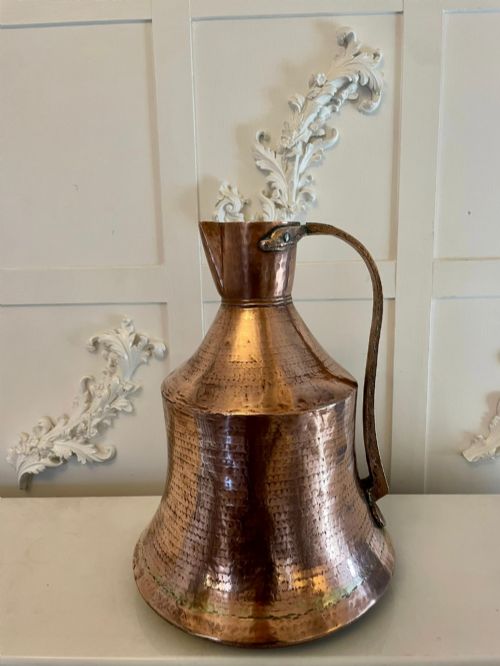
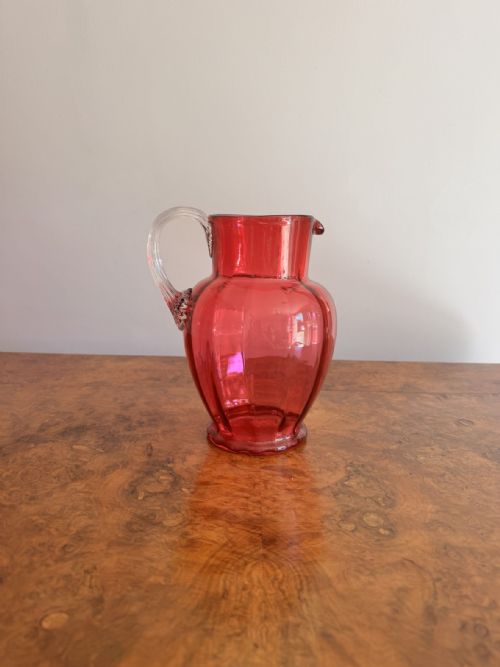
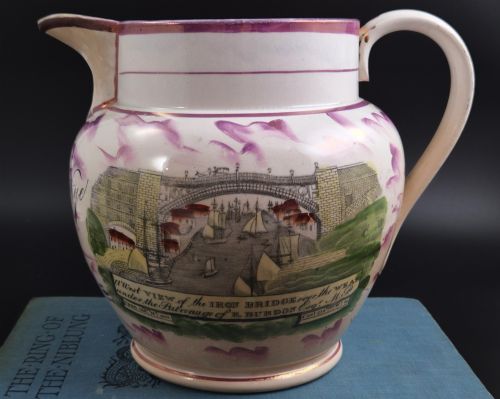
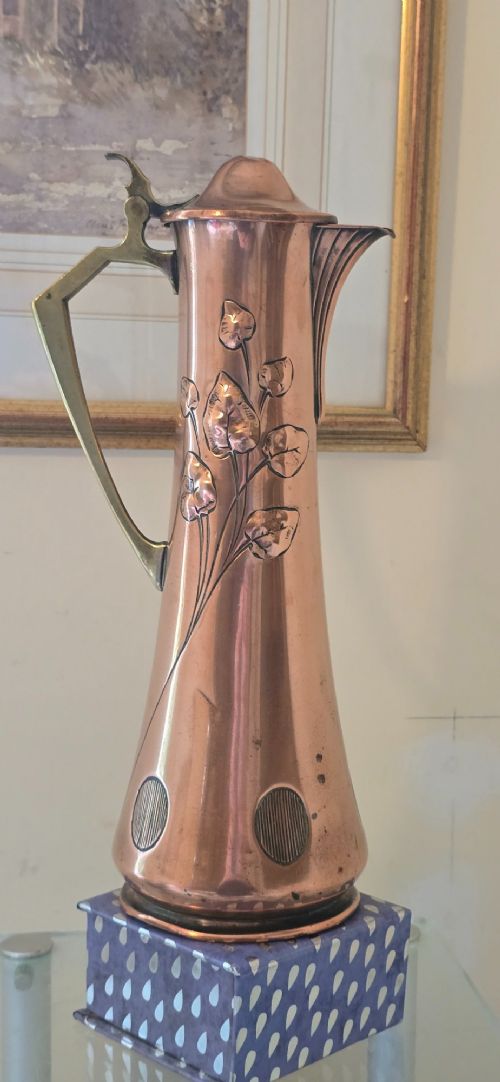
Vintage Water Jug
A vintage water jug brings weight and function to a table, spanning cut glass, earthenware and heavy copper.
Vintage Water Jug
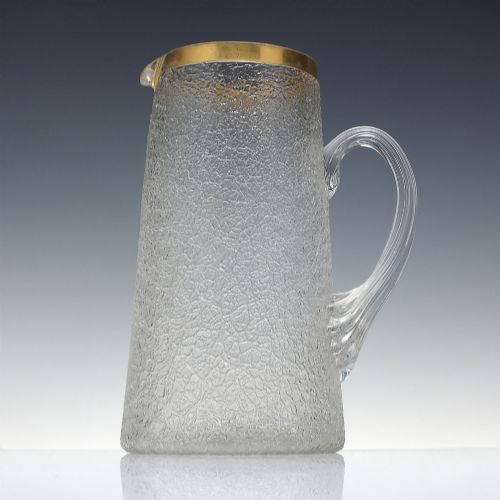
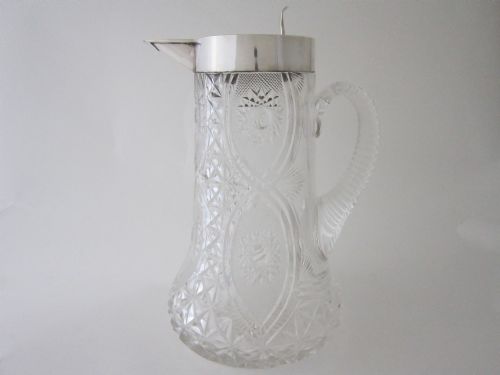
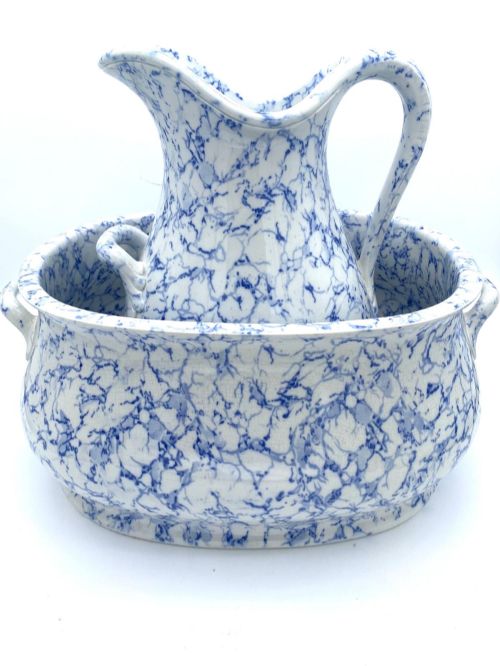
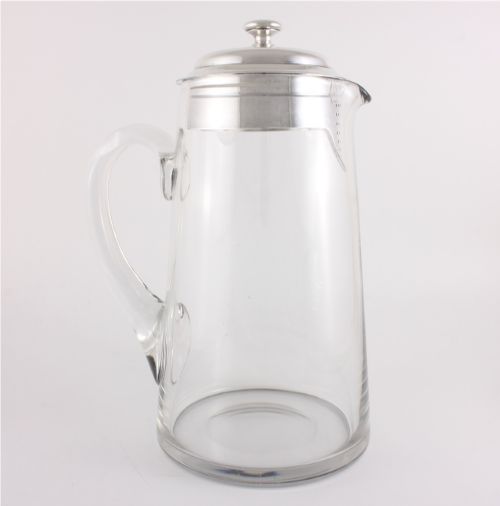
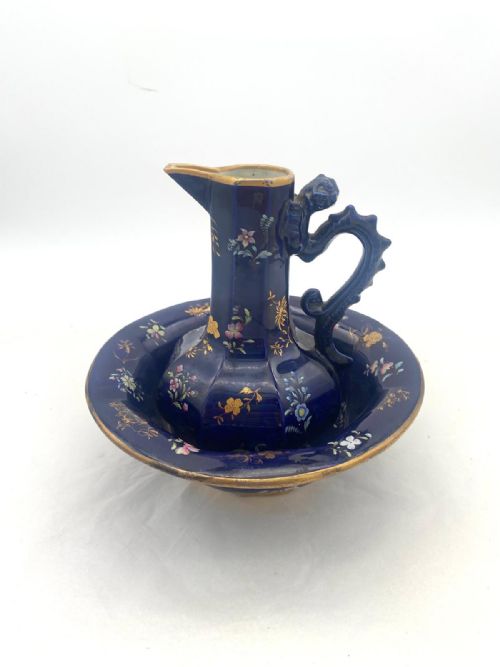
A vintage water jug search encompasses everything from Georgian cut glass and nineteenth-century earthenware to Edwardian silver-mounted crystal and early copper vessels. You will most frequently meet nineteenth-century earthenware, Victorian ceramic wash sets, and heavy lead crystal pitchers originating from British and European makers.
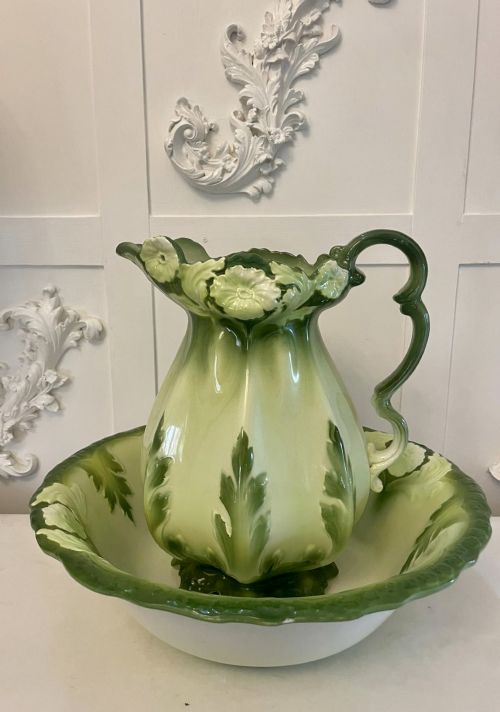
The objects take several forms, including dedicated water jugs, ewers, pitchers, and complete wash sets paired with matching bowls. These pieces survive from periods spanning the late eighteenth century through the Art Nouveau and Art Deco eras, reflecting shifting domestic habits.
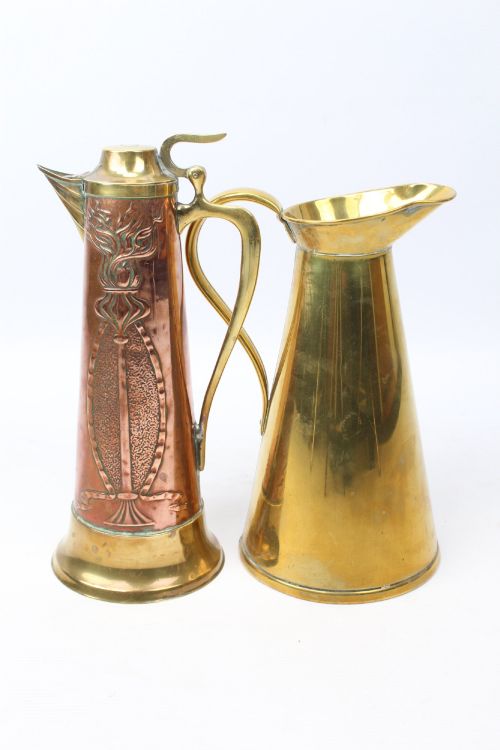
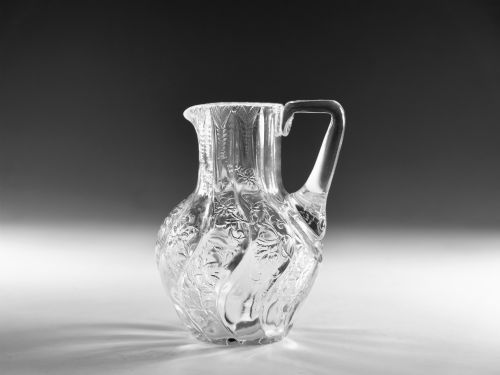
Earthenware and stoneware examples often feature transfer printing, lustre, or moulded relief decoration, while glass versions rely on pillar and prism cutting, overshot threads, or intaglio engraving. Metal examples in copper, brass, pewter, and silver plate introduce different silhouettes, from Georgian capacity jugs to slender Arts and Crafts designs.
Materials and construction
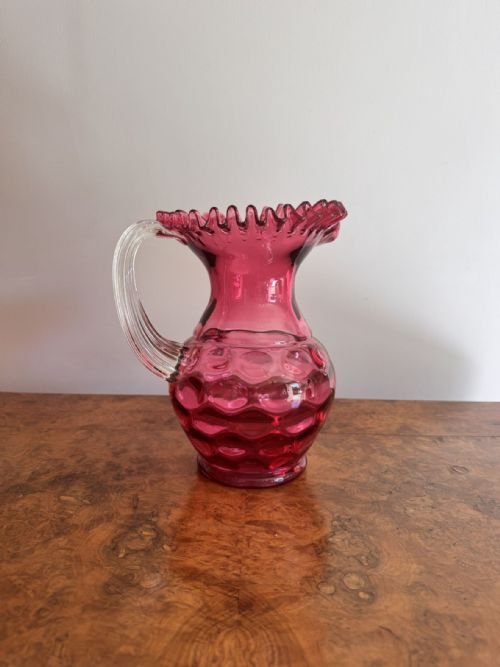
Cut glass and lead crystal water jugs rely on wheel-cutting and hand-blowing techniques, where facets are ground and polished into thick walls to catch the light. Hand-blown pieces often display pontil marks and subtle surface variations from the glasshouse floor.
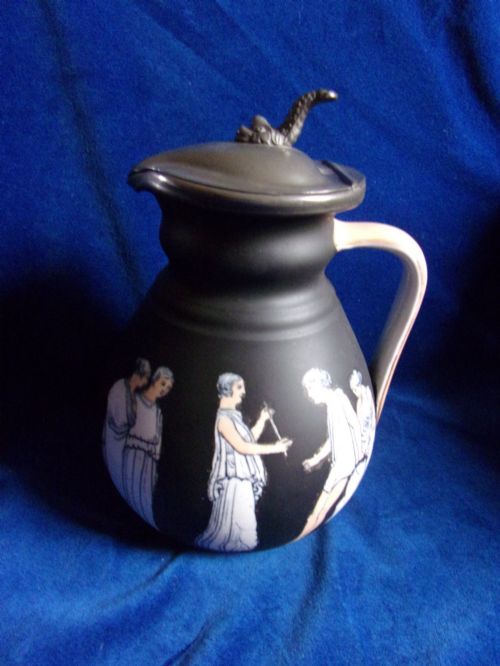
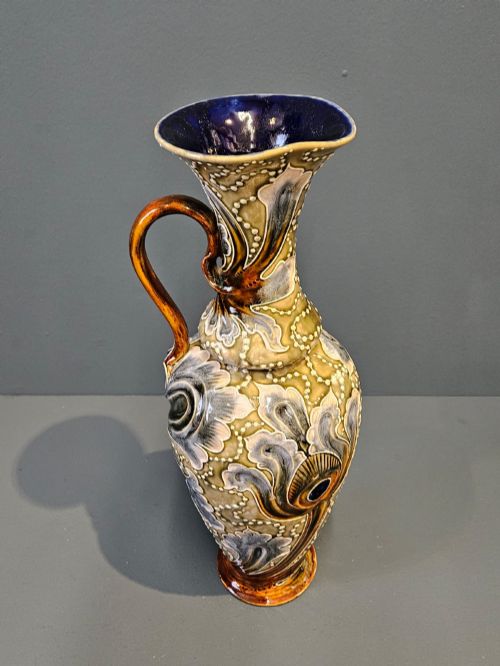
Ceramic examples combine earthenware, ironstone, stoneware, or creamware bodies with applied glazes, transfer-printed patterns, or hand-painted details. Makers shaped these bodies using moulds or the potter's wheel before firing them in kilns.
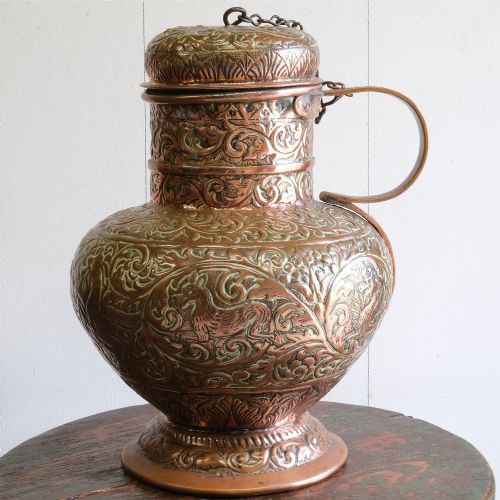
Metal vessels utilise sheet copper, brass, pewter, or silver plate, shaped by hand-beating, spinning, or soldering components together. Handles in materials like cane or insulated metal are attached securely to accommodate daily lifting.
Listings feature materials spanning earthenware, cut glass, silver plate, stoneware, lead crystal, and copper across multiple centuries.
Judging execution and weight
Quality rests in the crispness of the cutting, the weight of the metal or glass in the hand, and the balance of the handle to the body. A well-executed cut glass jug displays sharp, clean facets without softening, while metal vessels show neat, deliberate hammering and secure joints.
The registration of transfer printing, the evenness of glazes, and the clarity of moulded relief details separate standard utility items from superior studio and factory output. Finer ceramic examples maintain exact alignment in polychrome or monochromatic transfers without smudging.
Stevens and Williams·Minton·Mason and Sons·Doulton Lambeth·Walker and Hall·Joseph Sankey·Liberty and Co·Mappin and Webb·Charles Meigh·Whitefriars
The Vintage Water Jug Glossary
- Earthenware
- A porous pottery body fired at lower temperatures, typically requiring an impermeable glaze to hold liquids.
- Lead crystal
- Glass containing lead oxide, which increases brilliance, weight, and softness for deep cutting.
- Lustre
- A metallic ceramic glaze that produces an iridescent or reflective surface sheen when fired.
- Ewer
- A large jug with a flared spout and a shaped handle, traditionally used for pouring water.
- Transfer printing
- A decoration technique where an engraved copper plate transfers a design onto paper and then onto pottery.
Vintage Water Jug: Frequently Asked Questions
How were water jugs used?
Water jugs served practical roles at dining tables, on sideboards, and within bedroom wash sets before indoor plumbing reached every room.
Larger vessels held water for washing or refilling smaller tumblers, while handled pitchers managed service during meals.
How do I date a jug?
Dating relies on combining stylistic markers, registration marks, maker stamps, and the characteristics of the material itself.
Victorian and Edwardian pieces often carry specific pottery backstamps or hallmarks that narrow down the year of production.
Are these jugs safe to use?
Many antique glass and metal jugs function safely for serving cold water or beverages during modern meals.
Historic ceramics with lead-based glazes or older repairs require careful consideration before direct contact with food or drink.
What is the difference between a jug and a pitcher?
In general usage across these listings, the terms describe similar pouring vessels with handles and lips.
Pitche r often denotes a larger American or European serving form, whereas jug covers a broader range of British earthenware and metalware.