

Vintage Water Glass
These vintage water glass pieces bring tactile weight and historical craft to the table, spanning nineteenth-century cut crystal and mid-century French service.
Vintage Water Glass
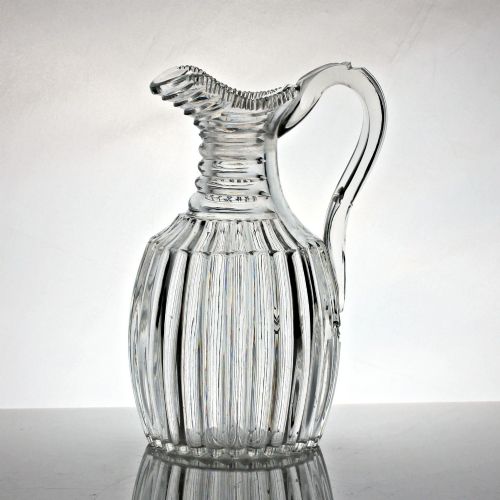
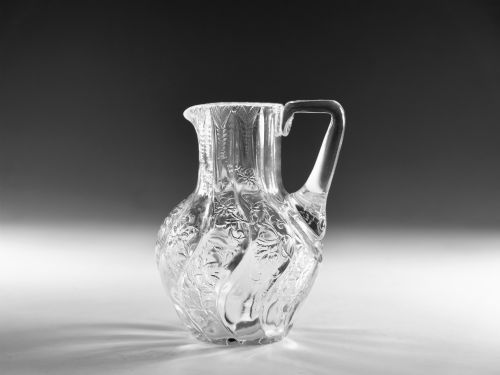
A vintage water glass search brings up a diverse array of vessels designed for serving and drinking, ranging from individual tumblers to large ewers, carafes, and handled pitchers. The pieces encountered most frequently on this page date from the Victorian and Edwardian eras through the Art Deco period, drawing on Georgian and Regency forms.
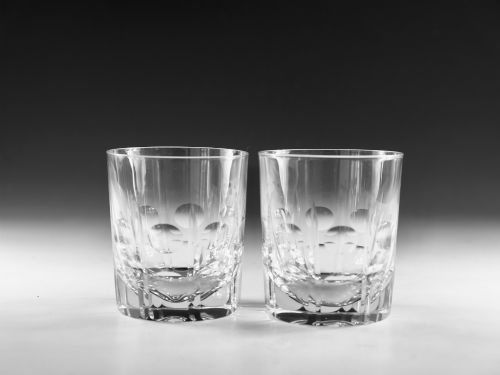
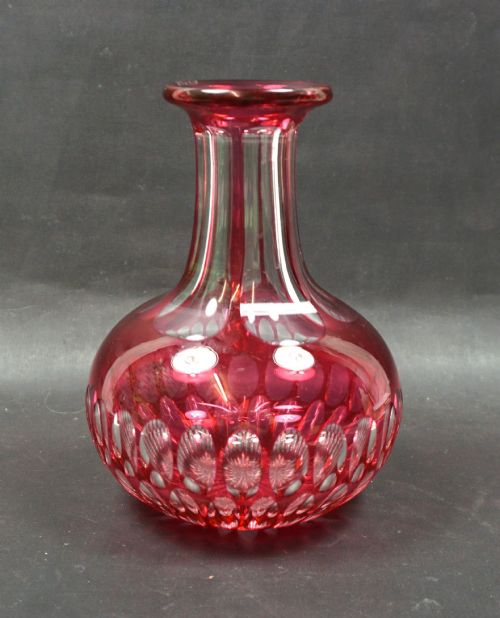
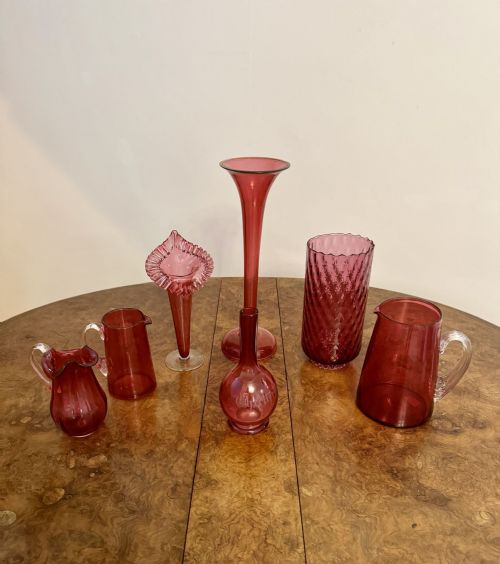
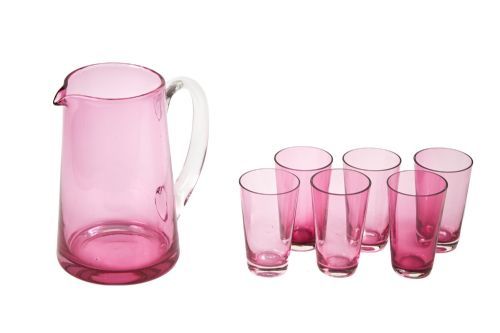
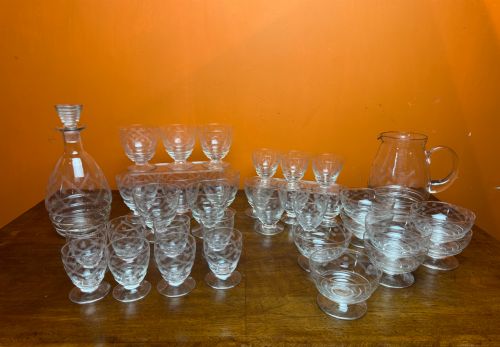
Many examples combine clear glass or lead crystal with silver plate and sterling silver mounts, while others rely entirely on coloured glass such as cranberry, amethyst, and green. Alongside standalone jugs, the selection includes matched drinking sets and pairs of tumblers intended for daily dining use.
Materials and technique
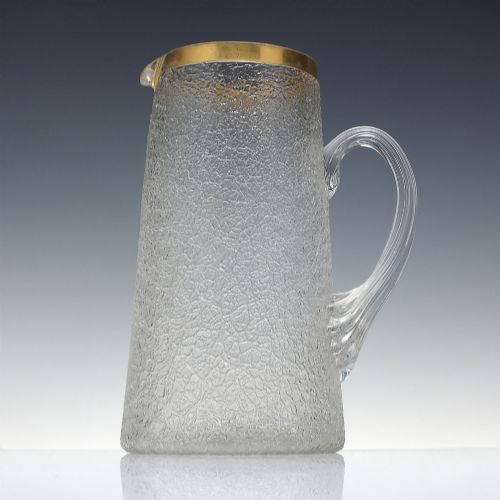
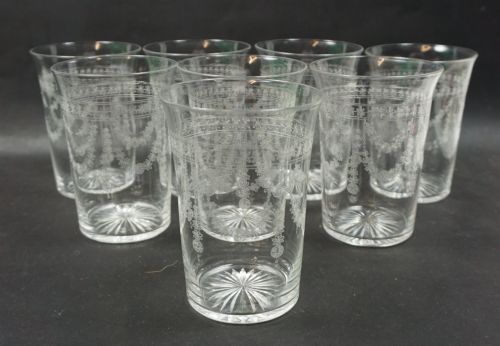
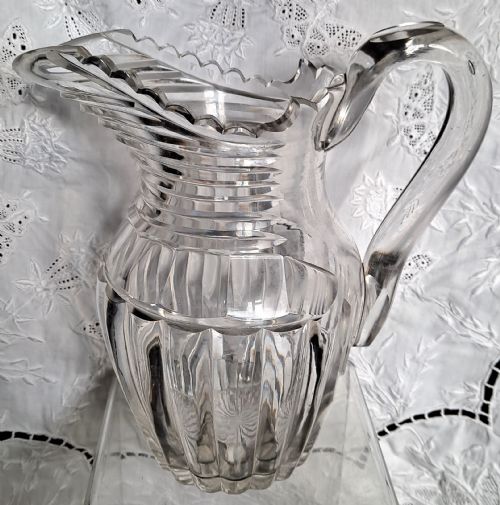
Makers utilised heavy lead crystal and clear glass, shaping them through hand-blowing and intricate wheel-cutting to create pillar, prism, and intaglio patterns that catch the light. Surface decoration often involved acid-etching, enamel painting, and gilding applied to the rims and bodies.
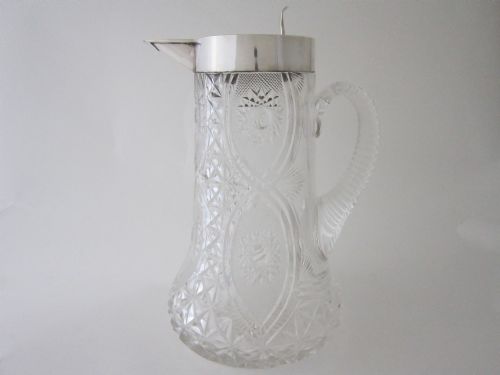
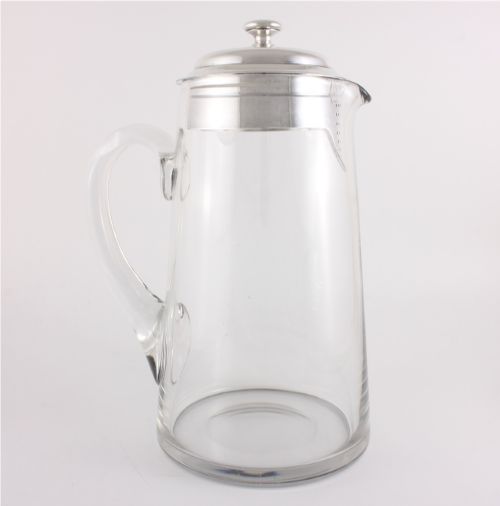
Metal components added structural support and functional versatility, utilising sterling silver and silver plate for mounts, hinged lids, handles, and internal ice tubes designed to keep beverages chilled.
Distinguishing finer examples
Quality rests in the crispness of the cutting and the weight of the material, where deep, hand-cut facets feel substantial in the hand and display precise geometry. Superior vessels show clean joinery between silver mounts and glass bodies, alongside refined engraving free from surface distortion.
Stevens and Williams·Rene Lalique·Mappin and Webb·Elkington and Co·Tiffany·Lobmeyr·Whitefriars
The Vintage Water Glass Glossary
- Ewer
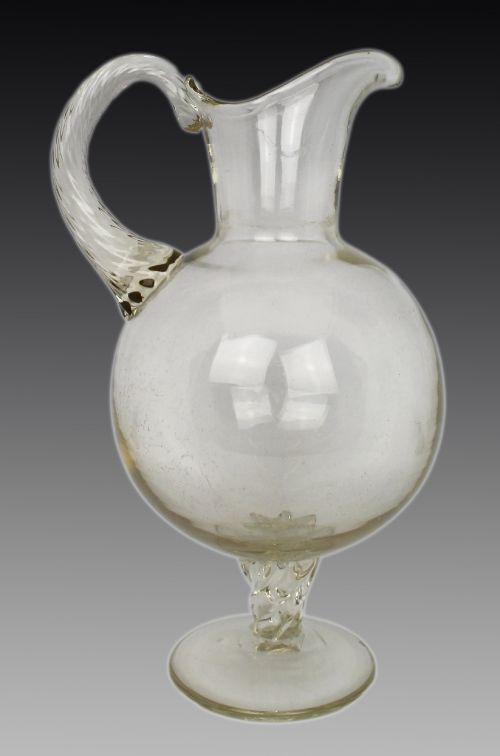
- A large jug with a wide spout and a curved handle, traditionally used for holding and pouring water. Victorian and Edwardian examples often feature heavy cut glass or coloured hues.
- Intaglio
- A design carved into the surface of the glass rather than raised above it, creating a sunken relief. This technique requires skilled hand-cutting with small rotating wheels.
- Cranberry glass
- A transparent red glass created by adding gold chloride to the molten batch during production. It appears frequently in nineteenth-century decorative tableware.
- Silver plate
- A thin layer of silver bonded to a base metal core such as copper or Britannia metal. Many Victorian and Edwardian jugs utilise this for mounts, collars, and hinged lids.
- Over-shot glass
- A type of glass featuring fine, thread-like trails applied to the exterior surface while hot. This technique adds texture and grip to pitchers and carafes.
Vintage Water Glass: Frequently Asked Questions
Were these jugs used only for water?
While many served water at the dining table, large pitchers and ewers frequently accommodated lemonade, wine, claret, and iced punches. Silver-mounted jugs with internal ice tubes were specifically built to keep summer drinks cool without diluting the contents.
Smaller carafes and paired tumblers often sat beside beds or on sideboard trays for evening refreshment.
How do I tell Victorian glass from later periods?
Victorian pieces tend to feature heavy, deep-cut patterns, vibrant coloured glass like cranberry or amethyst, and elaborate floral or grapevine etching. Edwardian examples often lean towards brighter cut crystal and lighter proportions.
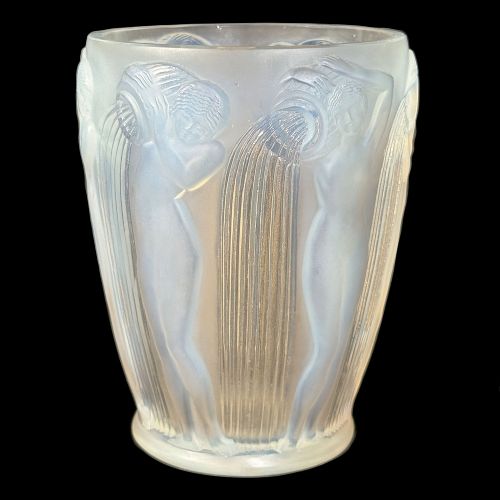
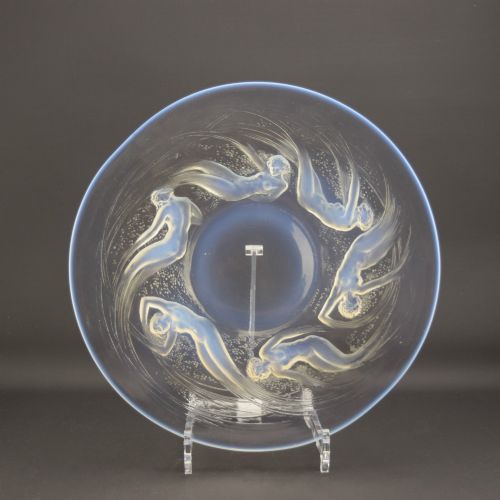
Art Deco items from the 1920s and 1930s introduce stylised geometric motifs, opalescent finishes, and sleek, minimalist silhouettes.
Can I use these for daily dining?
Sturdily constructed lead crystal and heavy pressed glass withstand careful daily use, though pieces with delicate hand-engraving, gilding, or silver plate require more attentive handling. Hand-washing is essential for preserving the condition of antique glass and metal mounts.
Treating older vessels with care ensures they remain functional service pieces for modern tables.