

Vintage Walnut Shelving
Vintage walnut shelving brings warmth and structured display to a room, ranging from compact wall brackets to tall open bookcases.
Vintage Walnut Shelving
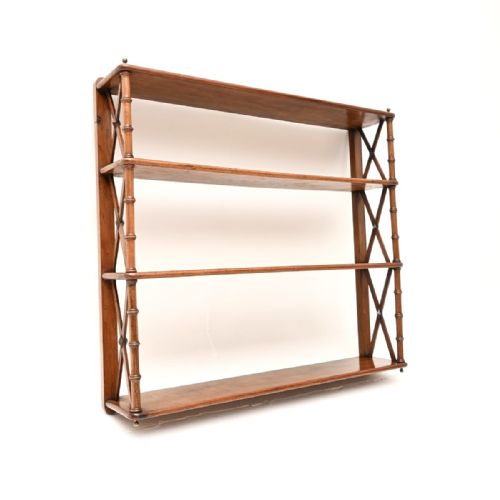
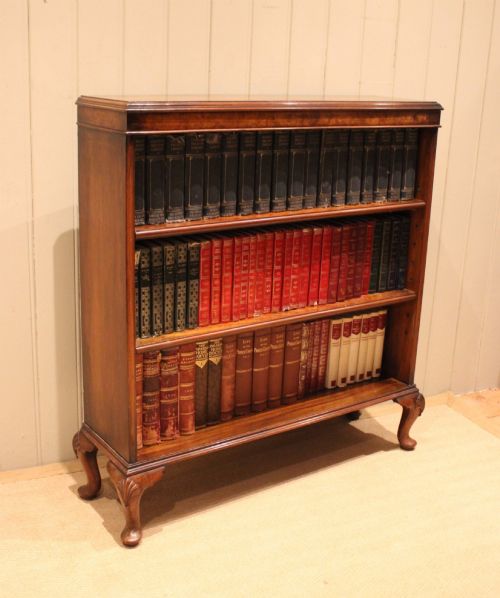
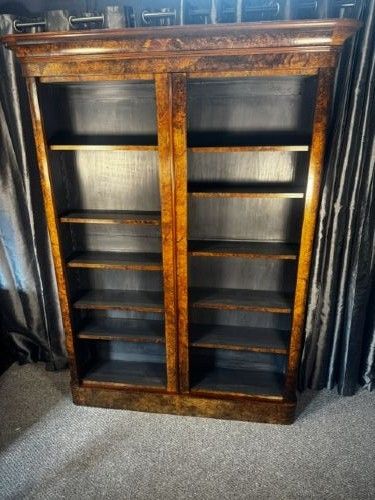
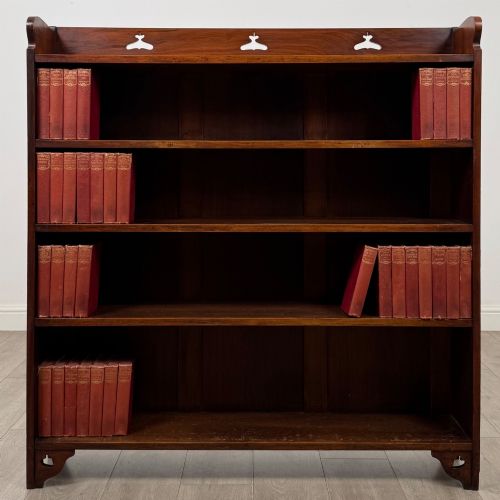
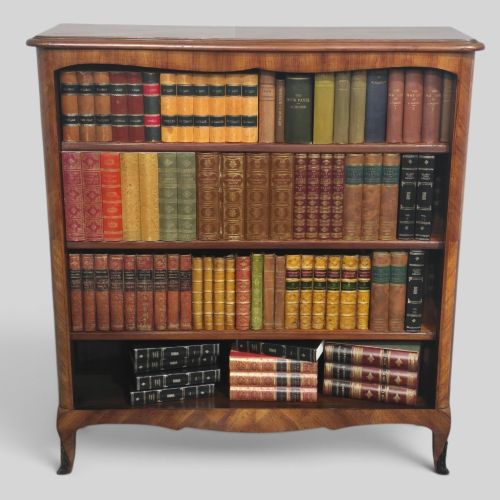
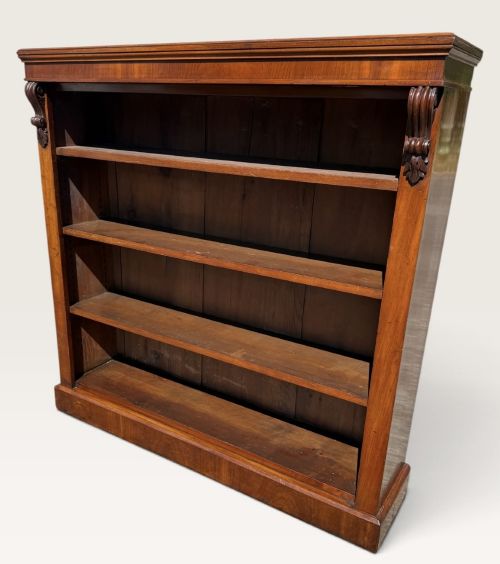
Vintage walnut shelving encompasses open bookcases, multi-tiered whatnots, wall cabinets and corner shelves spanning the nineteenth and twentieth centuries. Buyers seeking vintage walnut shelving will frequently encounter Victorian and Edwardian examples alongside Art Deco and early twentieth-century designs.
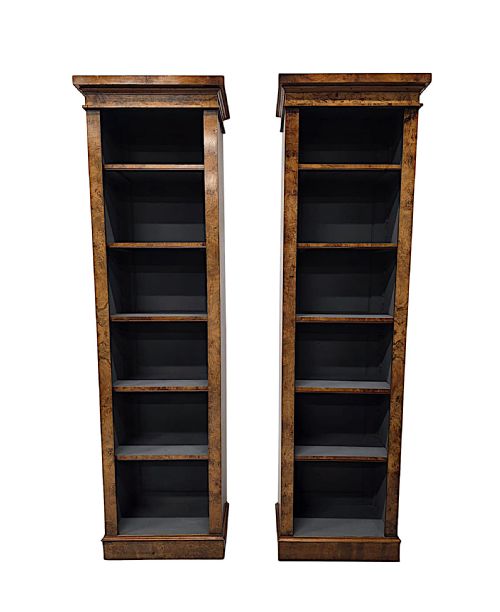
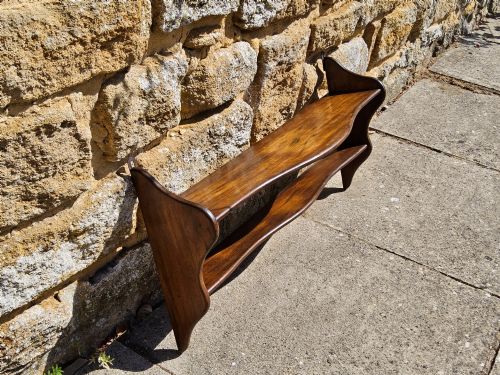
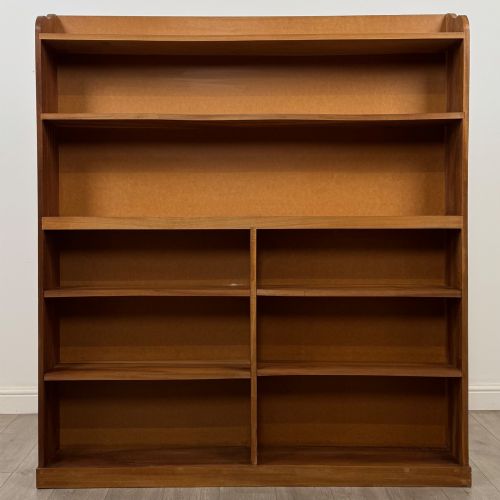
The selection ranges from tall library bookcases with adjustable shelves to cascading wall-mounted units and decorative corner cabinets. French and continental pieces appear alongside British furniture, offering varied proportions for modern interiors.
Makers such as Maurice Adams, Arthur Simpson and Heal's contribute specific modernist and arts and crafts interpretations to the grouping. These items serve practical storage roles while displaying the rich grain of walnut timber.
Assessing quality in walnut shelving
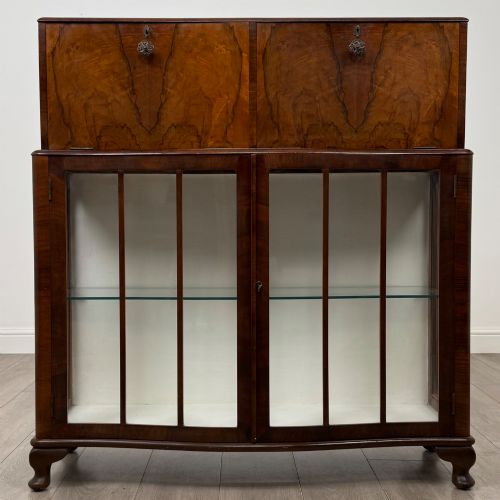
Quality rests in the selection of burr or figured walnut veneer and the crispness of any carved or turned elements. Superior pieces demonstrate balanced proportions, clean joinery and intact original finishes that highlight the natural grain.
Subtle differences in hardware, such as brass fittings and the smoothness of adjustable shelf mechanisms, distinguish standard production from exceptional workshop output.
Vintage Walnut Shelving Retail Price Guide 2026
Typical asking prices for vintage walnut shelving among the pieces listed under this phrase on Sellingantiques today, from the lower quarter to the upper quarter. They describe what is for sale here now, not the wider market.
Even a humble corner shelf required a cabinetmaker to turn miniature wooden spindles just for the joy of it.
Maurice Adams·Arthur Simpson·Heal's
The Vintage Walnut Shelving Glossary
- Burr walnut
- A prized timber harvested from walnut tree growths, producing swirling, highly decorative grain patterns. It is frequently utilised as a veneer on prominent surfaces of cabinets and bookcases.
- Whatnot
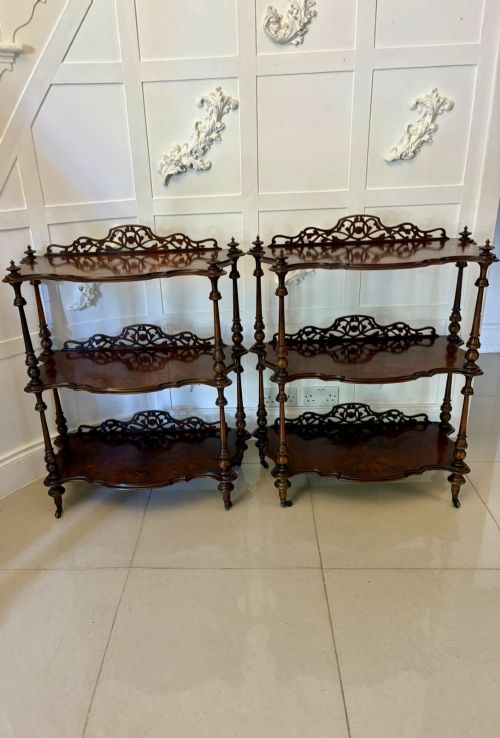
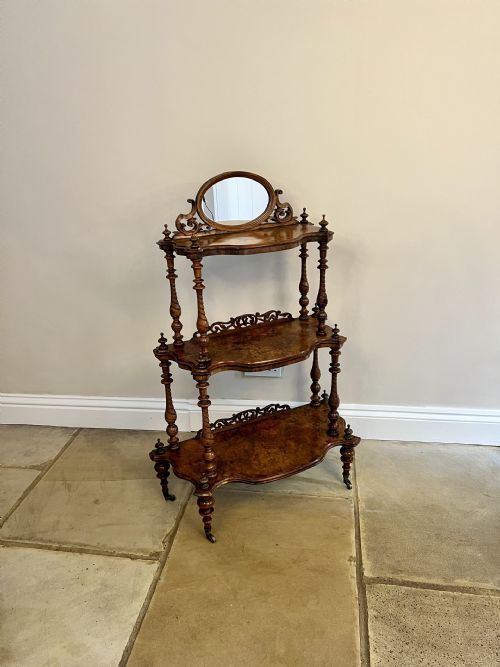
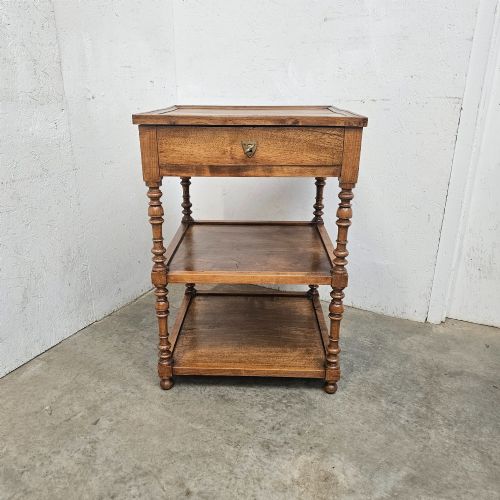
- A multi-tiered piece of furniture with open shelves designed for displaying ornaments and books. These structures often feature turned supports and corner configurations.
- Etagere
- A French term for a piece of furniture consisting of a set of open shelves for displaying small objects. These lightweight stands often feature turned legs.
- Adjustable shelves
- Shelating systems that allow the height between boards to be altered using pegs, ratchets or slots. This feature appears frequently in nineteenth and twentieth-century bookcases.
Vintage Walnut Shelving: Frequently Asked Questions
How do I style walnut shelving at home?
Walnut shelving provides a dark, rich backdrop that complements books, ceramics and glassware. Balance heavier volumes on lower tiers and use lighter decorative objects on upper display levels.
Allow the timber grain to remain visible by avoiding overcrowding, letting the natural warmth of the wood anchor the room's colour scheme.
How do I identify Art Deco shelving?
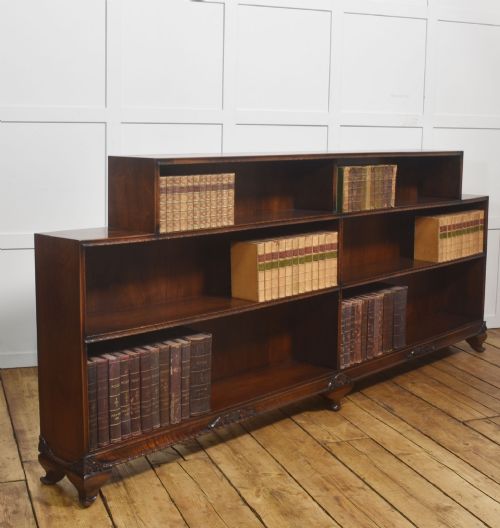
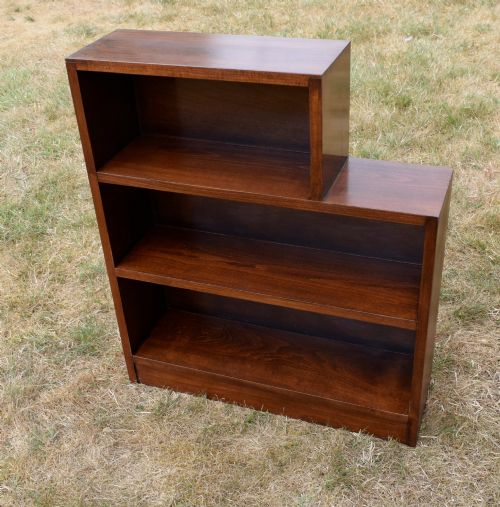
Art Deco pieces often feature stepped silhouettes, geometric forms and unadorned surfaces that emphasise the natural figure of the walnut veneer. These designs typically date from the 1930s and display streamlined modern aesthetics.
Look for stacking configurations or clean architectural lines that break away from traditional Victorian ornamentation.
What is the difference between a whatnot and a bookcase?
A whatnot is primarily a multi-tiered display stand featuring open shelving for ornaments and small items, often supported by slender turned columns. Bookcases are engineered specifically for holding books upright with deeper shelves.
Whatnots tend to be more decorative and lighter in scale, whereas bookcases focus on functional storage capacity.