





Vintage Walnut Plant Stand
These vintage walnut plant stands bring rich timber tone and sculptural height to a room, offering a sturdy stage for greenery.
Vintage Walnut Plant Stand
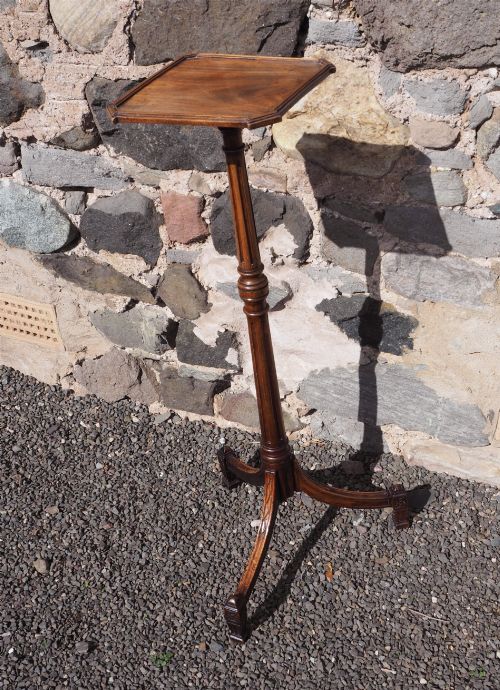
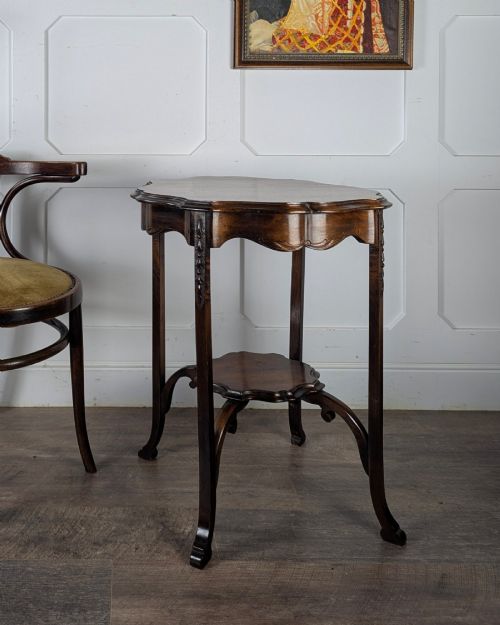
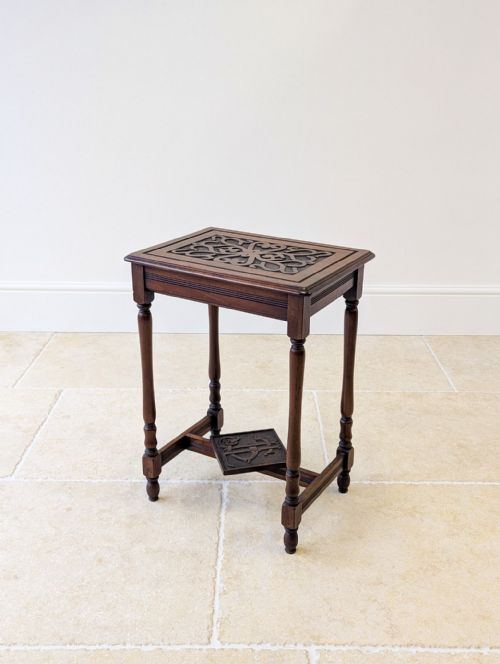
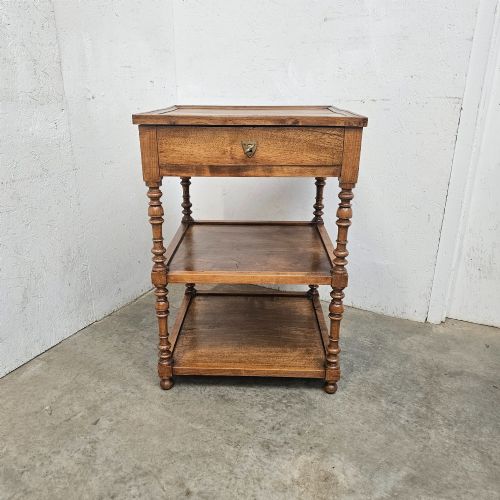
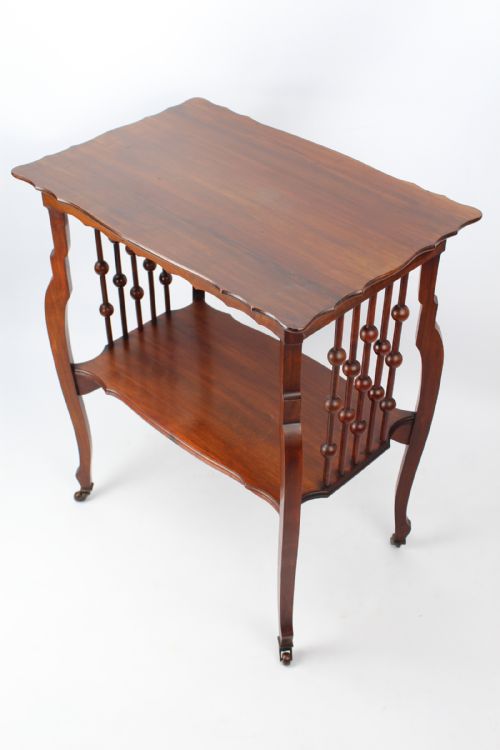
A vintage walnut plant stand serves as an elevated support for indoor flora, combining domestic utility with decorative presence. These pieces emerge in various forms across the evidence, appearing as dedicated jardinières, torcheres, side tables, and multi-tiered occasional tables.
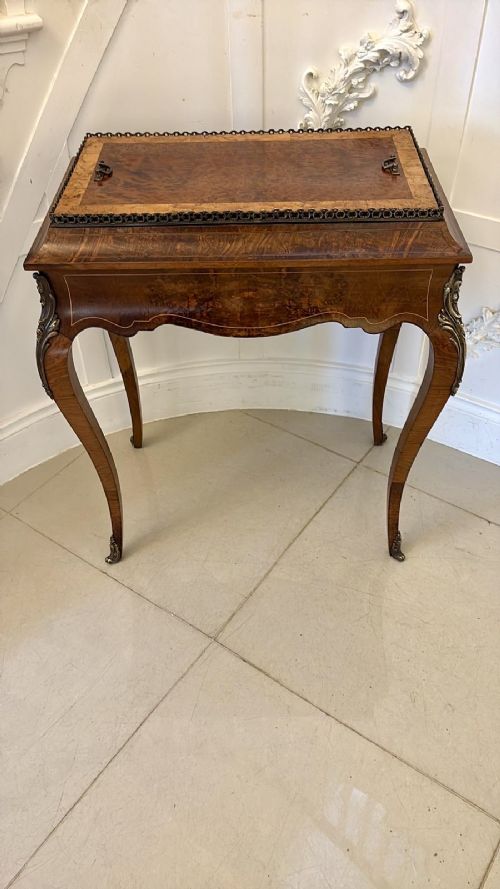
The selections span from the nineteenth century into the Art Deco period, incorporating styles such as Victorian, Edwardian, and French Louis XV. Buyers frequently encounter pieces that double as display surfaces for vessels, sculpture, or botanicals within a domestic interior.
Materials and construction methods
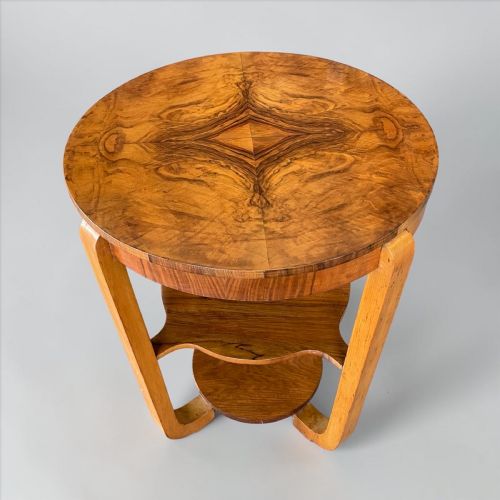
Makers rely primarily on walnut and burr walnut, often laid as veneer over secondary timbers to highlight complex grain patterns. Selected examples incorporate satin walnut or contrasting woods like mahogany alongside marquetry and parquetry work.
Structural embellishment involves cast or applied metal elements, including brass and ormolu mounts, alongside inlaid mother-of-pearl and marble inserts. Turning, carving, and coopered construction methods shape the legs, tiers, and plant receptacles of these stands.
At least one stand carries the moniker of a British luxury car manufacturer, showing that cabinetmakers enjoyed high-speed comparisons.
Assessing quality in walnut plant stands
The degree of distinction rests upon the choice of timber and the precision of its application, particularly where figured burr walnut or intricate marquetry patterns cover the surfaces. Pieces featuring integrated stone elements, such as marble or onyx tops, demonstrate a higher tier of material ambition.
Construction integrity and decorative restraint further separate standard production from superior examples. Finely turned uprights, disciplined carving, and well-cast brass or ormolu mounts indicate workshop competence and deliberate design execution.
Shoolbred
The Vintage Walnut Plant Stand Glossary
- Jardinière
- A decorative receptacle designed to hold plants or flowers, often taking the form of a table or stand with a fitted container.
- Torchere
- A tall, slender stand or pedestal originally intended to hold a torch or lamp, later adapted for display purposes.
- Burr walnut
- A specialised timber cut from the abnormal growth of a walnut tree, prized for its swirling, highly figured grain patterns.
- Ormolu
- Gilded bronze used for decorative mounts and feet on furniture, particularly prevalent in French-influenced design.
- Parquetry
- Geometric wood mosaic work used for flooring or furniture surfaces, created by fitting small veneer blocks together.
Vintage Walnut Plant Stand: Frequently Asked Questions
What is the difference between a plant stand and a torchere?
A plant stand typically incorporates a flat platform or a lined basin specifically suited to support botanical pots and damp conditions. In contrast, a torchere provides a taller, narrower column designed primarily for elevation and visual display rather than horticulture.
While their silhouettes often overlap in domestic interiors, plant stands emphasise surface utility for greenery, whereas torcheres lean towards sculptural height.
Can these stands support heavy pots?
Load capacity depends on the specific construction and structural integrity of each individual piece, particularly the joinery of the legs and tiers. Lighter occasional tables and slender torcheres suit modest ceramic vessels or trailing plants rather than massive architectural planters.
Inspect the underframe and leg stability before placing heavy loads onto antique surfaces.
How do I date a piece by its style?
Stylistic markers offer clear chronological indicators, such as the geometric lines and Macassar ebony pairings characteristic of Art Deco design. Victorian and Edwardian examples often feature heavier turned legs or elaborate carving, whereas eighteenth-century Dutch pieces display distinct proportions and marquetry.
Comparing the decorative motifs against known historical periods helps narrow down the decade of manufacture.