


Vintage Walnut Library Desk
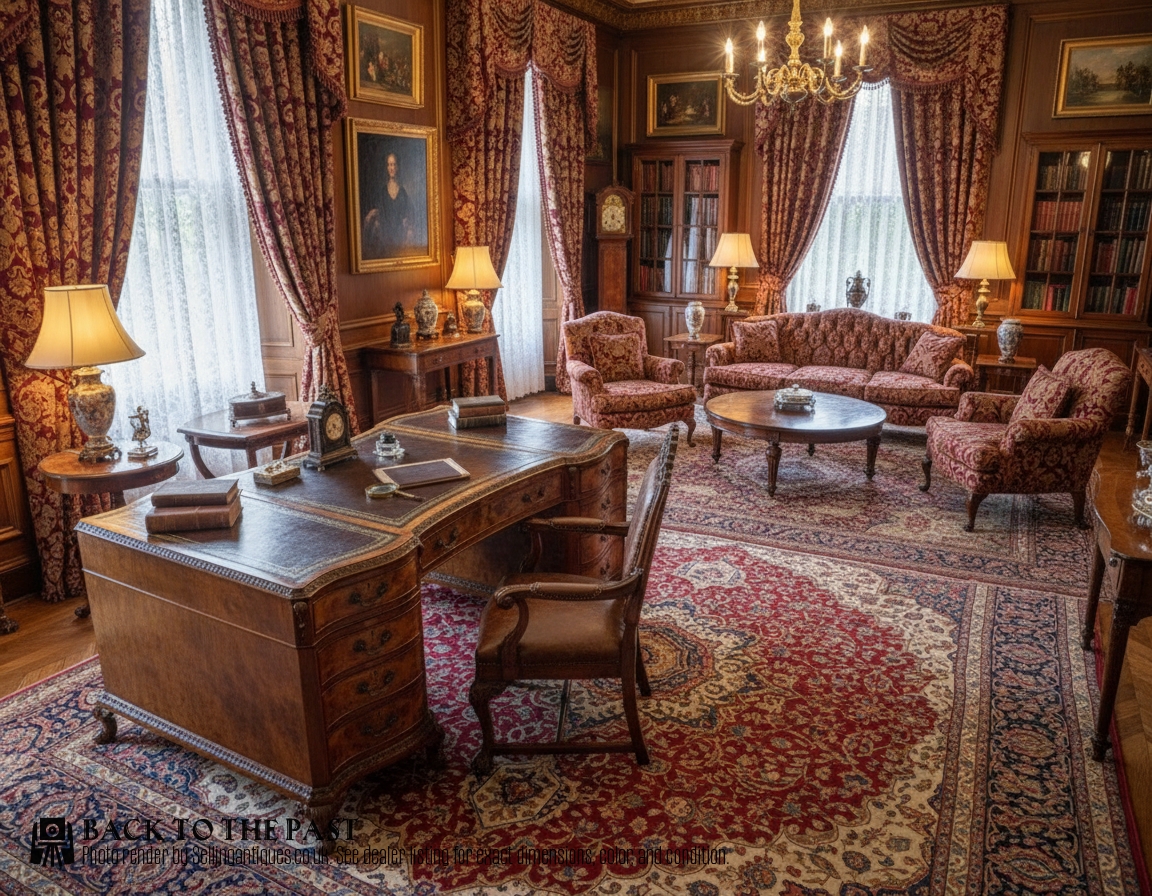
A vintage walnut library desk brings rich timber grain, supple leather writing surfaces and enduring nineteenth and twentieth-century craftsmanship directly into a study.
Vintage Walnut Library Desk
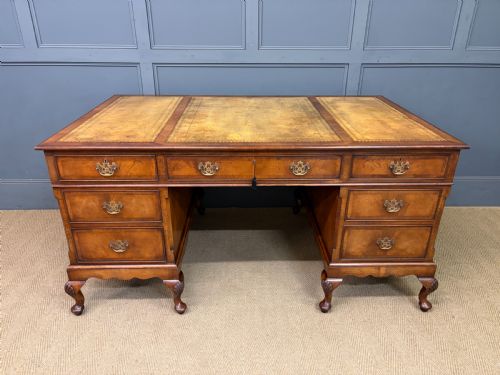
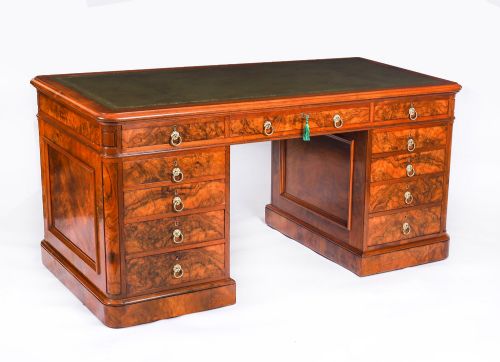
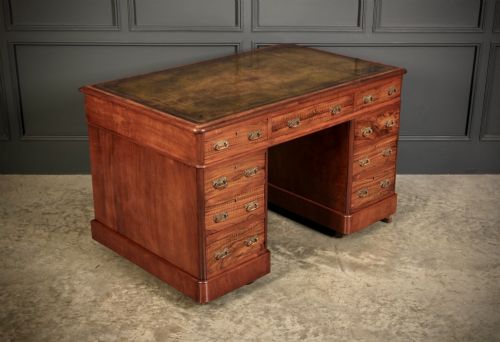
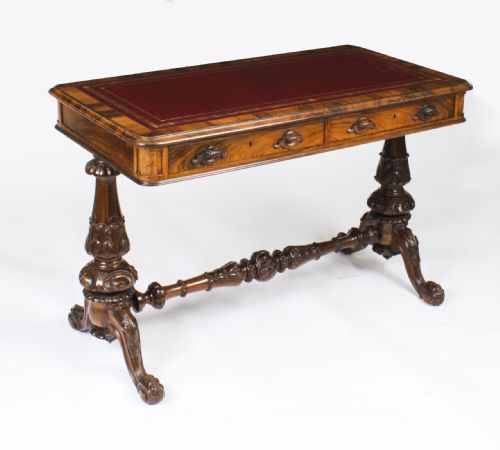
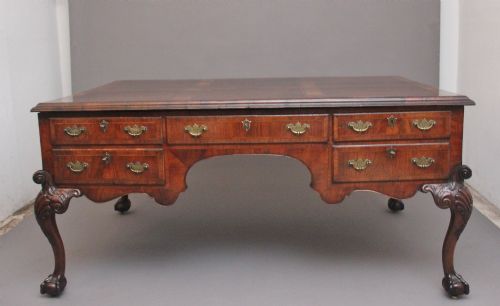
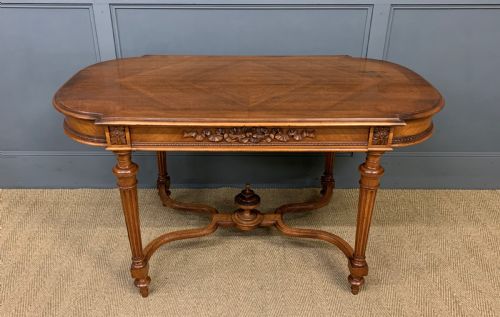
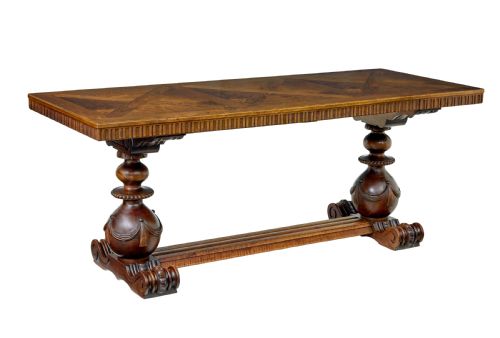
A vintage walnut library desk encompasses substantial partners tables, pedestal writing tables and smaller centre tables originating from the nineteenth and early twentieth centuries. These pieces reflect historic periods including the Victorian era, the Edwardian period and the nineteen-twenties, incorporating revival aesthetics such as Queen Anne, Chippendale and Georgian styles.
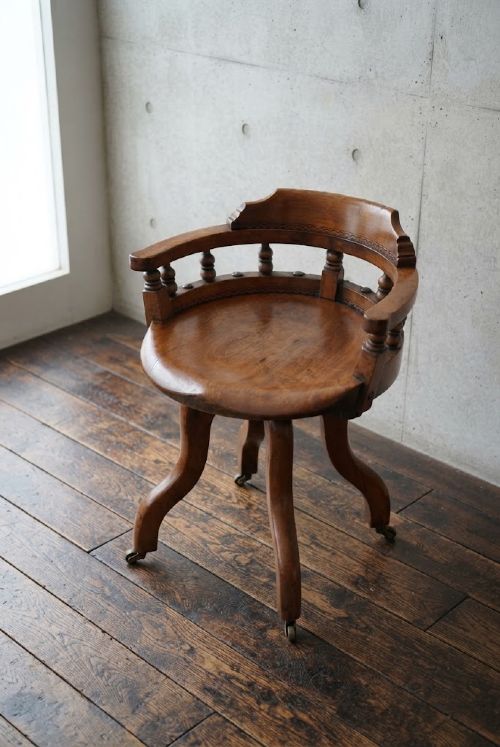
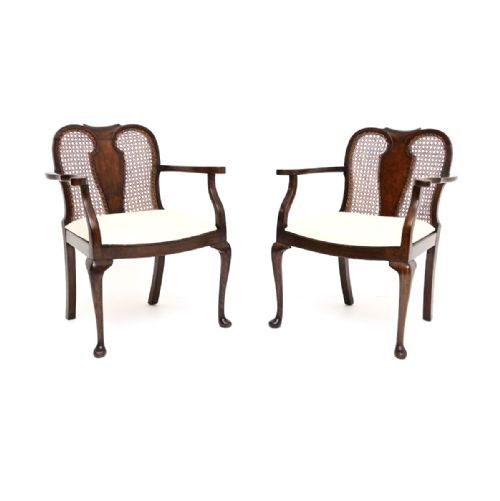
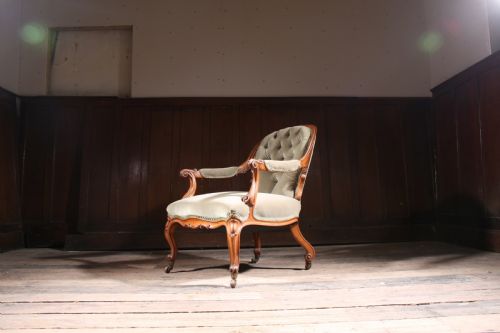
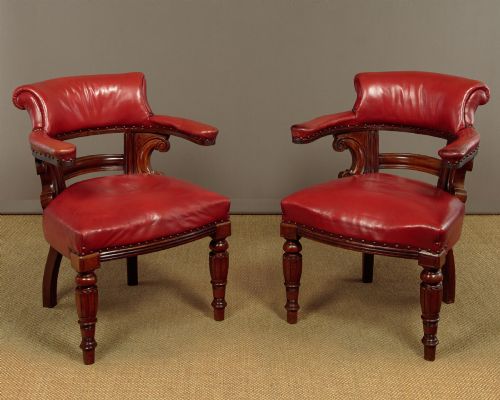
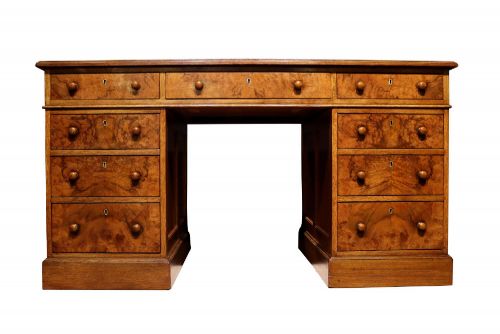
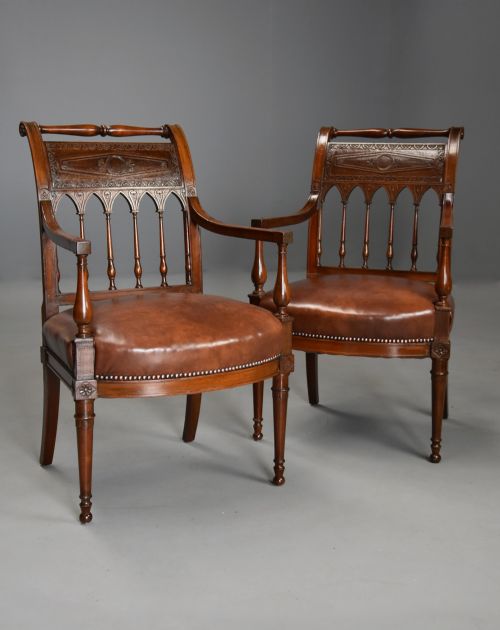
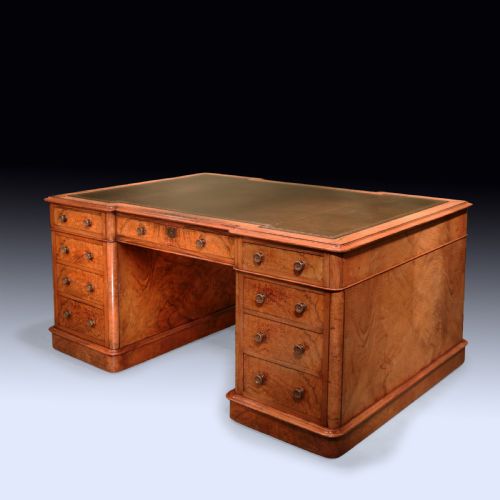
Buyers seeking a vintage walnut library desk will regularly encounter pedestal forms fitted with banks of drawers, alongside twin-sided partners versions designed for shared use. Alongside standard writing tables, the selection includes matching armchairs upholstered in leather and fabric, as well as desk accessories like globes and book holders.
Origins stretch across British workshops and French cabinetmakers, yielding pieces constructed from plain timber or figured burr veneers. These working desks and tables served scholarly pursuits in domestic libraries and institutional offices alike.
Materials and Construction
Cabinetmakers utilised solid walnut and decorative burr walnut veneers applied over secondary timbers, frequently enhancing surfaces with crossbanding and marquetry inlay. Structural strength relied on traditional joinery techniques, while secondary details incorporated cast brass handles, escutcheons and gilded ormolu mounts.
Writing surfaces were typically inset with tooled leather hides, providing a durable and tactile plane for correspondence and study. Seating pieces paired walnut frames with woven tapestry fabrics or upholstered leather, completing the workspace ensemble.
Vintage Walnut Library Desk Retail Price Guide 2026
Typical asking prices for vintage walnut library desk among the pieces listed under this phrase on Sellingantiques today, from the lower quarter to the upper quarter. They describe what is for sale here now, not the wider market.
The listings feature nineteenth and twentieth-century walnut desks and tables incorporating brass, leather, ormolu and burr walnut veneers across various revival styles.
Distinction in Craftsmanship
The degree of refinement in timber selection divides standard utility furniture from exceptional cabinet work, particularly where highly figured burr walnut veneers cover the primary surfaces. Finer examples display meticulous book-matching on drawer fronts and tabletops, executed by notable makers who integrated precision joinery with robust internal framing.
Ornamentation also dictates standing, with superior pieces featuring chased ormolu mounts, finely cast brass hardware and hand-carved details rather than simple mouldings. The integration of maker signatures, alongside the survival of original fitted leather inserts and structural keys, elevates the standing of an individual desk or table.
Maple and Co·Edwards and Roberts·Gill and Reigate·Whytock and Reid·Druce and Co
The Vintage Walnut Library Desk Glossary
- Partners desk
- A large double-sided writing table equipped with drawers and cupboards accessible from both faces, allowing two people to work opposite one another. These were traditionally utilised in banks, legal offices and large estate libraries.
- Burr walnut
- A specialised timber veneer harvested from the burl growth of the walnut tree, prized for its swirling, highly figured grain patterns. Cabinetmakers applied it to prominent surfaces to create dramatic visual movement.
- Ormolu
- Gilded bronze ornamentation applied to furniture for decorative effect, prevalent in French-influenced nineteenth-century designs. It added metallic contrast to dark timber surfaces.
- Pedestal desk
- A freestanding desk comprising a top surface supported by two independent pedestals containing vertical stacks of drawers. This form became standard during the Victorian period for domestic and professional studies.
Vintage Walnut Library Desk: Frequently Asked Questions
What is a partners desk?
A partners desk is a double-sided writing table designed with functional drawers and cupboards on both the front and the back. This configuration allowed two individuals to sit opposite each other and work simultaneously.
Such pieces were commonly used in historic libraries, administrative offices and gentleman's studies where space was shared. They remain practical focal points for large modern home offices today.
How do I identify burr walnut?
Burr walnut is recognised by its distinctive, swirling grain patterns filled with complex knots and organic eyes. It is sliced as a thin veneer from the irregular growths found on walnut trees rather than harvested from straight planks.
Cabinetmakers placed these decorative veneers across tabletops and drawer fronts to catch the light and add visual depth. The resulting patterns are entirely unique to each piece of furniture.
Where were these desks made?
The pieces originate primarily from British and French workshops operating during the nineteenth and early twentieth centuries. Regional cabinetmakers produced a wide array of domestic and institutional furniture influenced by prevailing revival styles.
Urban workshops in London and Paris employed skilled artisans who utilised imported hardwoods and specialised in marquetry, veneering and cast bronze mounts. Many of these firms supplied high-end retailers and private estates.
How do I clean leather desk tops?
Leather desk tops require gentle maintenance using specialised leather cleaners and microfibre cloths to preserve the suppleness of the hide. Avoid harsh chemical detergents or excessive moisture that can stain or degrade the material.
Applying a dedicated leather cream periodically helps maintain the finish and protects the gold tooling often found along the borders. Regular dusting prevents debris from settling into the natural grain of the leather.